Why Tiny Land Toys Keep Kids Playing Long After the New-Toy Excitement Fades
There is a familiar pattern with kids and toys. Something new arrives, the box gets ripped open, and for the next few hours it is apparently the greatest thing ever invented. A week later, it may be sitting untouched in the corner. The toys that escape this cycle usually have something in common. They do […]
There is a familiar pattern with kids and toys. Something new arrives, the box gets ripped open, and for the next few hours it is apparently the greatest thing ever invented. A week later, it may be sitting untouched in the corner.
The toys that escape this cycle usually have something in common. They do not tell children exactly how to play. Instead, they give them enough freedom to invent something new every time they come back.
That is a big part of what makes Tiny Land interesting. Its collection leans heavily toward open-ended, hands-on toys that can become part of different games rather than providing one short-lived activity.
A Toy Is More Interesting When the Story Can Change
Consider a wooden play kitchen. One afternoon, a child might be making pancakes for a stuffed bear. Tomorrow, the same kitchen becomes a restaurant where parents have to place an order. A few days later, there is suddenly a bakery in the living room.
Nothing about the toy changed. The child’s imagination did.
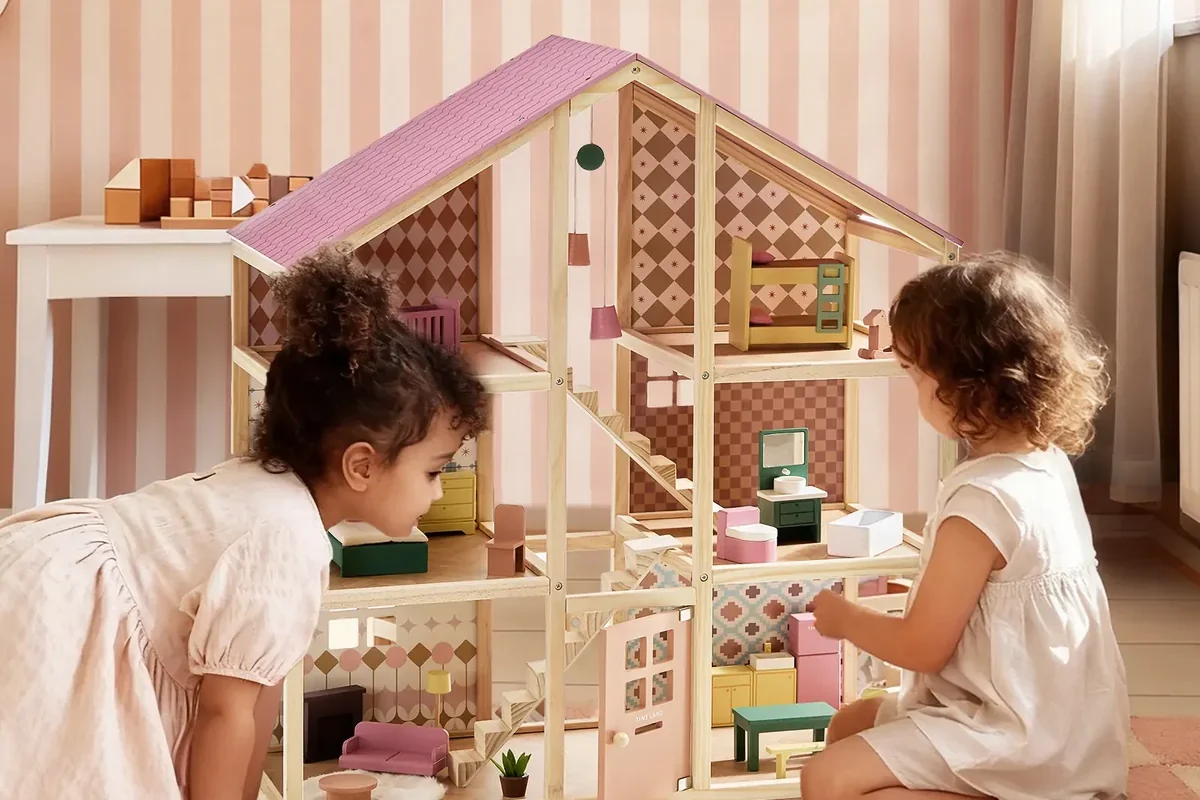
That flexibility gives pretend play toys an advantage over toys with a single trick or outcome. Tiny Land has built much of its range around this kind of play, particularly through wooden play kitchens, dollhouses, play tents and other toys that encourage children to create their own scenarios.
It also means parents are not constantly required to invent activities. Give children the right setup and they often take over from there.
Growing Up Doesn’t Immediately Make Them Obsolete
Age matters more than it sometimes seems when buying children’s toys. Something too basic can become boring quickly, while a complicated toy may spend months waiting for a child to grow into it.
A useful middle ground is a toy that can be approached differently as skills develop.
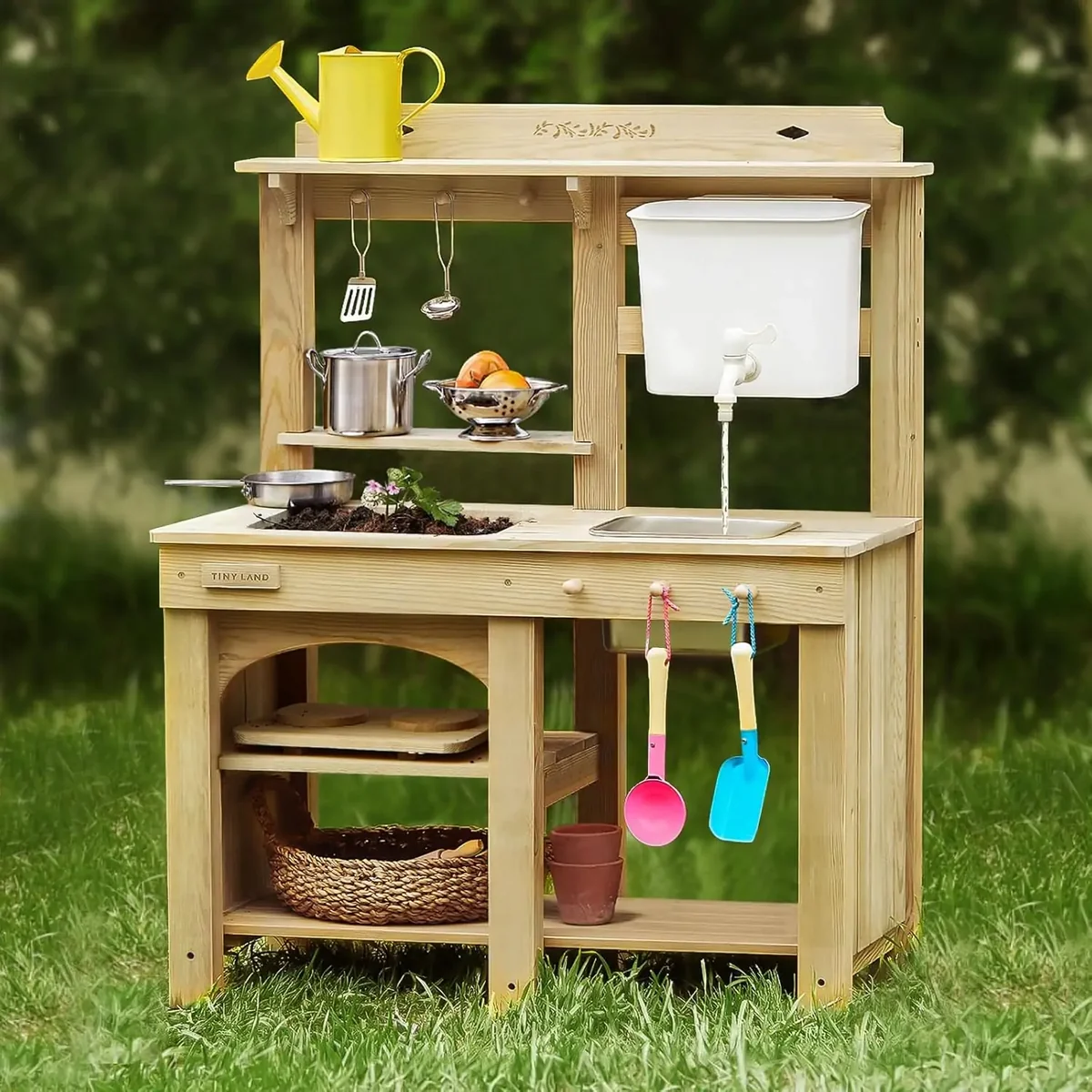
This is where Montessori toys and other hands-on activities can work particularly well. A younger child might simply enjoy moving, stacking or sorting pieces. As coordination improves, the same activity can become more deliberate and challenging.
Tiny Land offers toys across different age groups, including baby activity toys as well as options for toddlers and older children. That makes it easier to choose something appropriate now without necessarily buying a toy that will lose its purpose a month later.
Movement Deserves a Place in Play Too
Not every good play session happens while sitting on the floor.
Young children have a remarkable amount of energy, and giving them somewhere productive to direct it can make indoor play considerably more enjoyable. Climbing toys, balance activities and similar equipment introduce movement without turning play into a structured exercise session.
The climbing sets available from Tiny Land, for example, fit naturally into active play. A climbing frame can be a physical challenge one minute and part of an imaginary fort the next.
That combination matters. Children are still deciding what the object is for rather than simply following instructions.
Parents Have to Live With the Toys Too
There is another side to buying children’s toys that rarely appears in the excitement of opening them: they become part of your house.
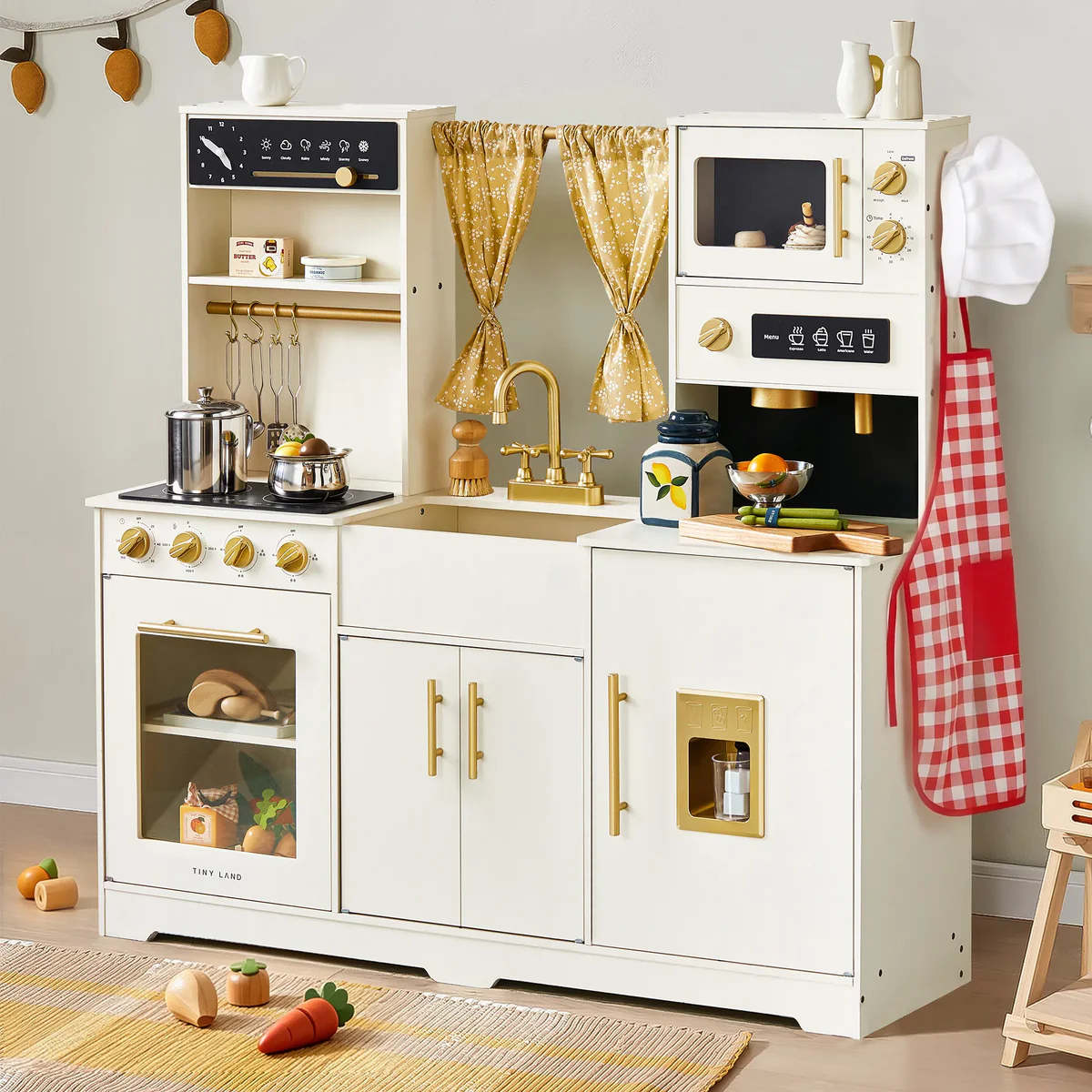
A giant plastic toy with flashing lights may be thrilling for a child, but parents are the ones looking at it every day. Wooden dollhouses, play kitchens and kids play furniture tend to blend into family spaces more comfortably, particularly when the design is simple.
This does not mean appearance should matter more than play value. It simply means parents do not necessarily have to choose between the two.
The wooden aesthetic used across many Tiny Land products feels designed with both sides of the household in mind. Kids get something inviting to play with, while adults get something that does not make the living room feel like an arcade.
The Real Test Comes a Few Weeks Later
The first reaction to a toy can be misleading. Almost anything new can hold a child’s attention temporarily.
A better question is whether they come back to it.
Toys built around imagination, movement and hands-on discovery have a better chance of finding new roles as children’s interests change. A play kitchen can host hundreds of imaginary meals. A dollhouse can contain an entirely different story every afternoon. A climbing set can become part of whatever adventure happens to exist that day.
That repeatability is what gives a toy staying power. The goal is not simply to keep children occupied for an afternoon. It is to give them something they can keep reinventing, long after opening the box stops being the exciting part.