
Why Grip and Portability Matter in a Travel Yoga Mat
Travelling can interrupt a yoga routine because unfamiliar floors, borrowed mats and limited luggage space change the conditions of practice. A travel mat offers a way to keep one familiar surface available without carrying the weight and bulk of a full home setup. Understanding the practical problem Portability is only useful when the mat still […]
Travelling can interrupt a yoga routine because unfamiliar floors, borrowed mats and limited luggage space change the conditions of practice. A travel mat offers a way to keep one familiar surface available without carrying the weight and bulk of a full home setup.
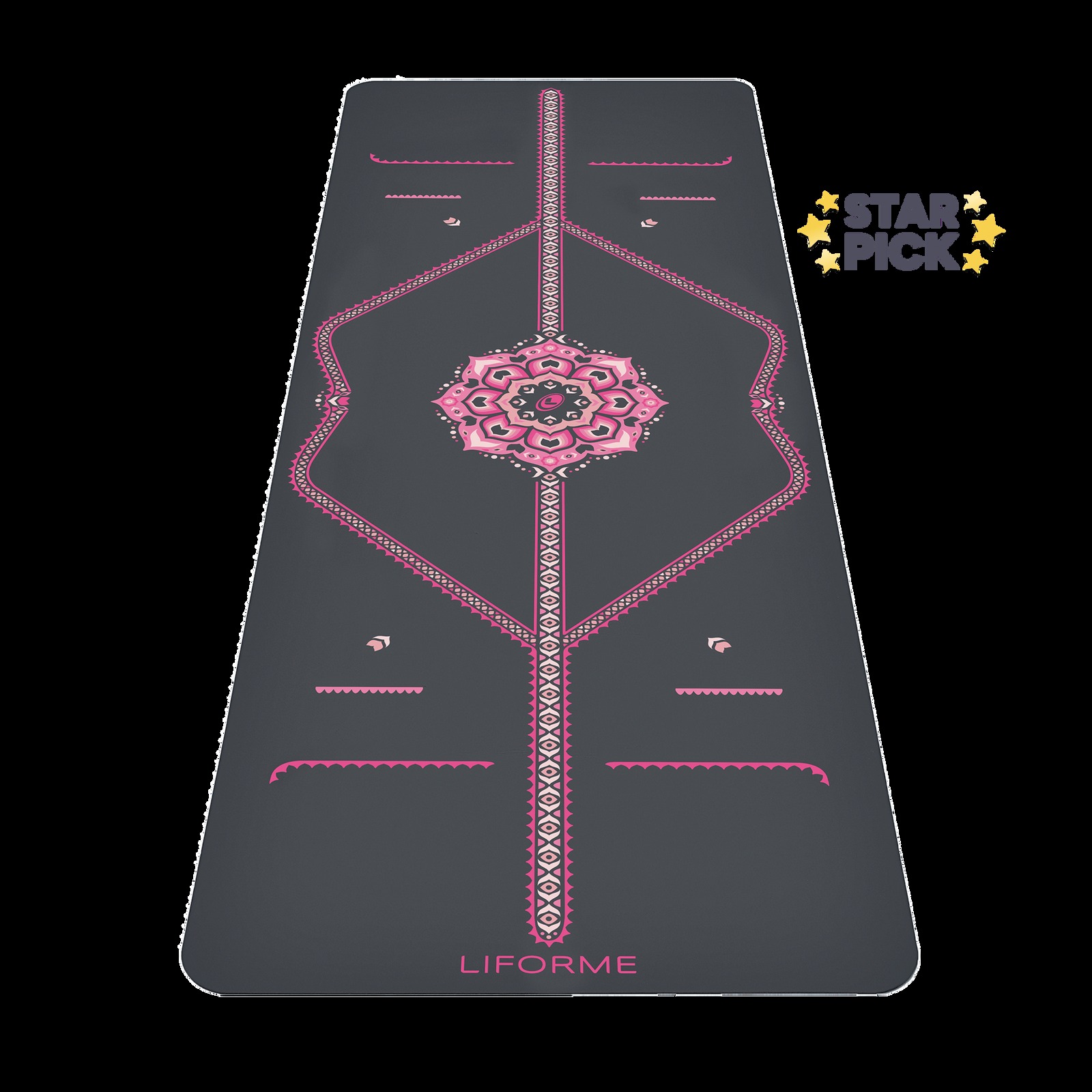
Understanding the practical problem
Portability is only useful when the mat still performs well enough to support an actual session. A very thin sheet that slides on the floor can feel more distracting than helpful. At the same time, a heavy mat can become one of the first items removed from a suitcase when space is limited. The useful middle ground depends on weight, thickness, grip and the way the mat packs.
Grip matters because travel often introduces less predictable surroundings. Hotel floors, studio surfaces and temporary practice spaces can all feel different. A familiar top surface gives the practitioner one consistent point of contact. It does not remove the need to check the floor underneath, but it can reduce the adjustment required when the location changes. A useful product choice starts with the problem it is expected to solve and the conditions in which it will be used. In that context, Liforme becomes relevant because it offers a product built around the same practical need rather than adding an unrelated step.
Yoga equipment is most useful when it supports attention rather than becoming the centre of the session. The practitioner still decides how far to move, how long to hold a position and when to modify. Surface design can provide a clearer working area, but it cannot replace comfort, technique or individual judgement. That distinction keeps the equipment in a practical role and prevents visual features from being treated as rules that every body must follow.
What matters when choosing the product
The Classic Travel Yoga Mat is designed as a lighter and thinner alternative to the regular version while retaining the brand’s alignment markings and grip-focused top layer. A carry bag is also part of the product setup, which makes the mat easier to protect and transport between locations. The useful comparison is therefore based on function, fit and ease of use rather than on appearance alone. Liforme can be considered within that comparison when those features match the person’s existing routine.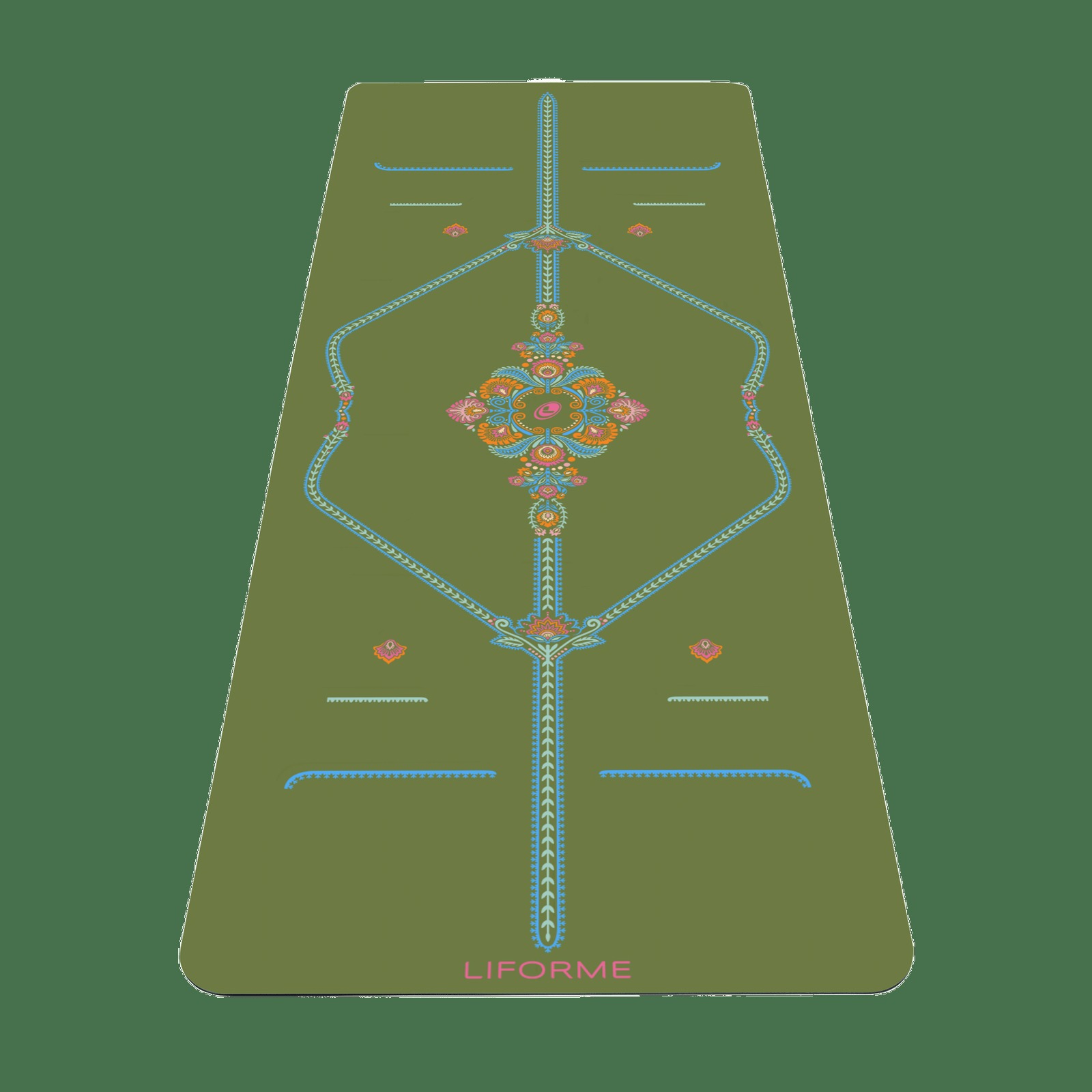
- A travel mat should be light enough to justify packing but substantial enough to remain useful during practice.
- The top surface should provide predictable traction when hands and feet begin to warm during movement.
- The mat should roll or pack in a way that fits the traveller’s usual luggage and transport routine.
- A familiar visual layout can help the practitioner settle into a sequence more quickly in an unfamiliar room.
The surrounding space also affects the experience. A mat placed on a flat, clean floor is easier to trust than one laid over a loose rug or uneven surface. Enough room should remain around the edges for arms and legs to move freely. A predictable setup makes it easier for the practitioner to focus on the sequence rather than repeatedly stopping to fix equipment or furniture.
Making the product part of a realistic routine
A practical travel routine usually works best when the mat has a fixed place in the packing plan. Rolling it consistently, keeping it dry and storing it in its bag reduces last-minute decisions. Once the destination is reached, the practitioner can choose a flat area, check that the underlying floor is secure and use the same short sequence that would normally be practised at home. A product from Liforme is most useful when it fits that kind of repeatable pattern instead of requiring the rest of the routine to be reorganised around it.
A thinner travel mat naturally feels different from a thicker regular mat, so the practitioner may choose to modify kneeling poses or use a folded towel under sensitive joints. That tradeoff is part of the portability decision. The aim is not to recreate every detail of the home setup but to keep the core habit easy enough to continue without carrying unnecessary bulk.
Routine can be assessed by what happens after several sessions. If the equipment makes setup easier, reduces unnecessary repositioning and feels dependable under normal movement, it is doing useful work. If a feature is rarely noticed or creates extra maintenance, it may matter less than expected. This kind of practical review helps keep future purchases centred on actual habits rather than assumptions. This is also a practical way to judge whether Liforme is solving the intended problem after the novelty of a new purchase has passed.
Keeping the approach simple over time
Consistency away from home often depends on reducing friction around the routine. A mat that is portable, familiar and dependable under the hands can make a short practice easier to begin. When the equipment fits naturally into luggage and the practitioner already knows how the surface feels, travel becomes less of a reason to abandon a well-established movement habit.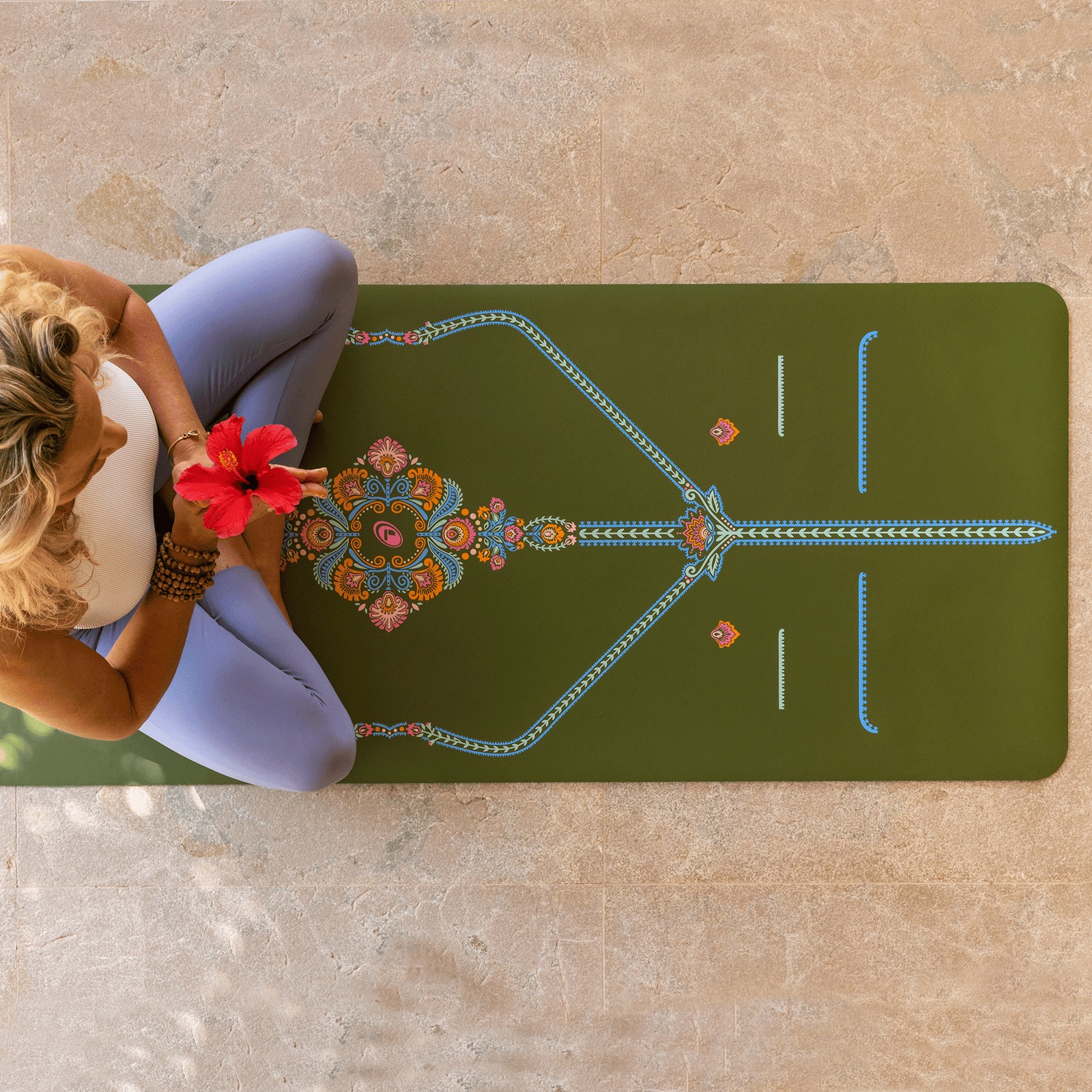
The most sustainable routine is usually the one that remains clear, proportionate and easy to repeat. When the product has a defined role and its design matches the way the person already moves, packs, cares for hair or builds a wardrobe, it can continue to earn its place. That is the most useful way to approach Liforme as well, with the decision based on practical fit rather than on adding complexity for its own sake.