
Using Pet Treats Well During Training, Travel and House Guests
Pet treats can support training, calm transitions and shared routines, but their value depends on timing and portion control. Different occasions call for different rewards. None should quietly replace balanced feeding or patient handling. Training Works Through Clear Timing A reward helps an animal understand which behaviour mattered when it arrives immediately after that behaviour. […]
Pet treats can support training, calm transitions and shared routines, but their value depends on timing and portion control. Different occasions call for different rewards. None should quietly replace balanced feeding or patient handling.
Training Works Through Clear Timing
A reward helps an animal understand which behaviour mattered when it arrives immediately after that behaviour. A treat offered several moments later may reward whatever the pet is doing then, even if that means jumping, barking or wandering away. Short sessions make timing easier and prevent the animal from becoming tired or overfed. The handler can prepare tiny portions before practice so the hand does not disappear into a bag while the useful moment passes.
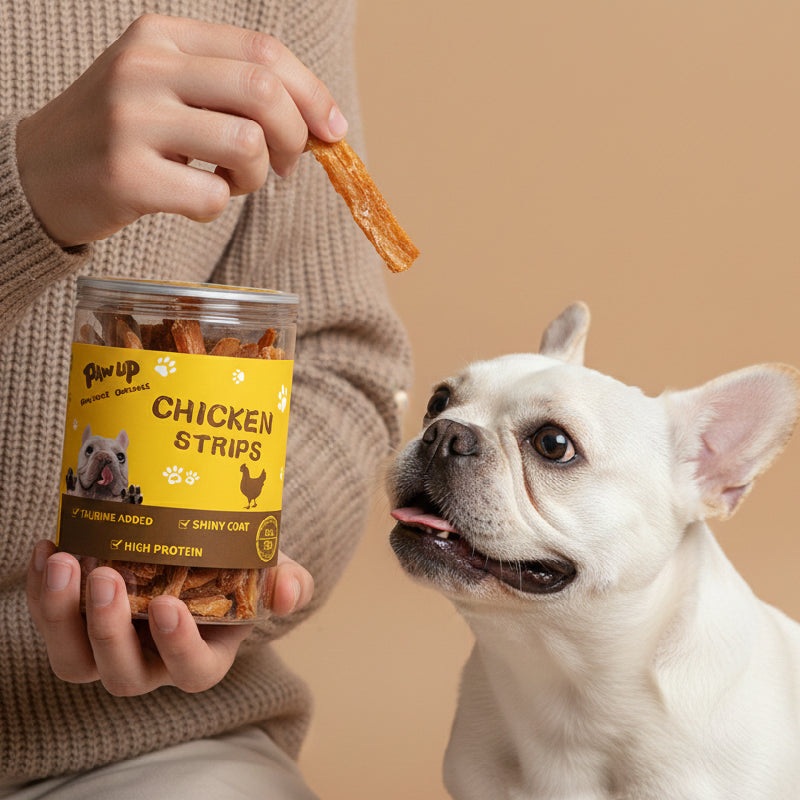
A pet owner looking at Paw Up can consider treat size, texture and ingredients in relation to the animal’s needs. A soft treat may be easy to divide during rapid training, while a longer chew may suit quiet enrichment under supervision. The label should guide serving amounts and storage. A treat that is too large for frequent repetition can still be cut when the product allows it, though the owner should avoid fragments that create a choking risk.
Praise, play and access to something the pet values can also act as rewards. Food should not become the only way the animal responds. A dog may work for a ball during an energetic session and accept a small treat when practising calm behaviour. Variety keeps training flexible and allows the owner to reduce food rewards as a behaviour becomes reliable.
Travel Rewards Need a Plan
Travel can bring unfamiliar sounds, new sleeping spaces and disrupted meal times. A familiar treat may help create a predictable moment, but it should not be used to mask serious fear or illness. The owner should pack enough for planned use, keep the treats in labelled packaging and store them away from heat or moisture. A sealed container also prevents a car or suitcase from carrying a strong food smell.
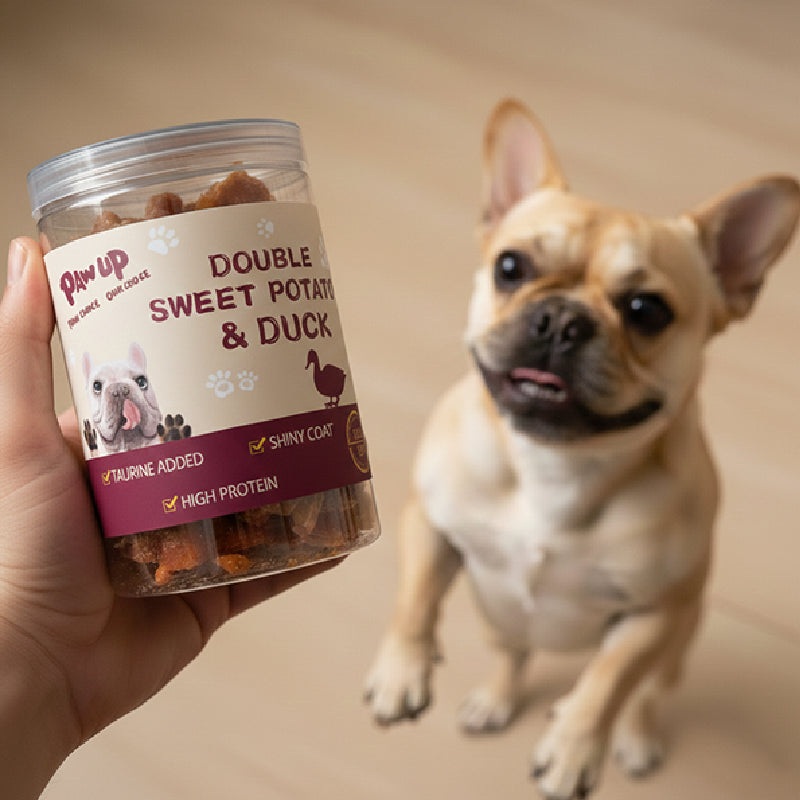
Someone choosing through Paw Up can think about mess, portability and the pet’s normal digestion. A rich unfamiliar treat should not make its first appearance during a long drive or flight. Testing a small amount at home gives the owner a chance to notice any concern. Water, rest stops and suitable restraint remain more important than a snack when the animal is travelling.
Different destinations may have rules about bringing animal products across borders or into accommodation. The owner should check those requirements and avoid repacking treats in a way that removes the ingredient label. A hotel room also needs secure storage. Curious pets can open soft bags. A large accidental serving can create a health concern that requires veterinary advice.
House Guests Change the Reward Routine
Visitors often want to make friends with a pet by offering food. That can be useful when managed, but several guests may each assume they are giving the only treat. The owner can set aside a small daily portion and explain where it is kept. Guests should know which behaviours to reward and which foods are never permitted. A simple system prevents overfeeding without making the visit feel strict.
Children need close supervision around pets and treats. A child may hold food near the face, pull it away suddenly or follow an animal that wants space. An adult should guide the interaction and stop it when either the child or pet appears uncomfortable. Paw Up can provide a product option, but safe handling comes from the people managing the occasion rather than from the treat itself.
A pet may also need distance rather than a reward when visitors arrive. Treats can support a mat routine or a calm greeting, but they should not lure a fearful animal into contact. A quiet room, gate or supervised retreat may protect everyone more effectively. The owner should watch body language and end the interaction before stress escalates. A qualified trainer or behaviour professional can help when fear, guarding or aggression makes ordinary guest visits difficult.
A Treat Check for Everyday Occasions
- The treat should suit the animal’s size, age and dietary needs.
- The owner should include reward calories within the pet’s overall feeding plan.
- New ingredients should be introduced carefully before travel or a demanding event.
- Guests should follow one shared rule about portions and permitted behaviours.
- Chews and larger treats should be given with appropriate supervision.
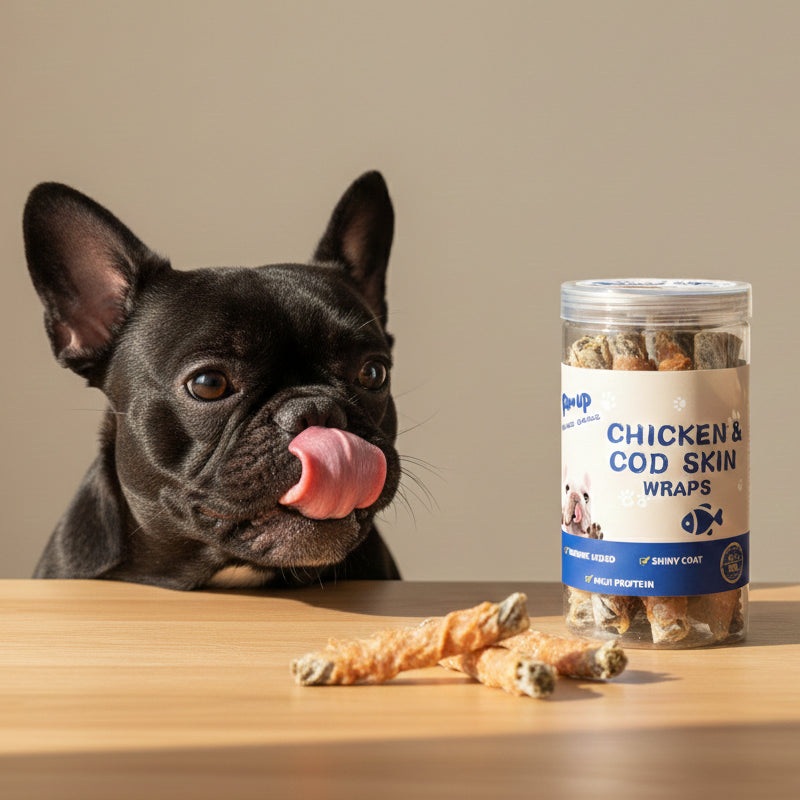
The checklist keeps treats in their proper role. Paw Up may fit a training pouch, travel bag or guest plan when the ingredients and format suit the individual pet. An owner with allergies, digestive concerns or a medical diet should ask a veterinarian before making changes. A reward works well when it is small enough to support the occasion without becoming the centre of the pet’s day.
The final measure is the animal’s response. Training should remain calm, travel should protect welfare and visitors should respect the pet’s need for space. Treats can make these moments easier, but they cannot replace gradual preparation or skilled help for serious behaviour problems. A thoughtful owner uses them as one clear tool inside a wider relationship built on consistency.