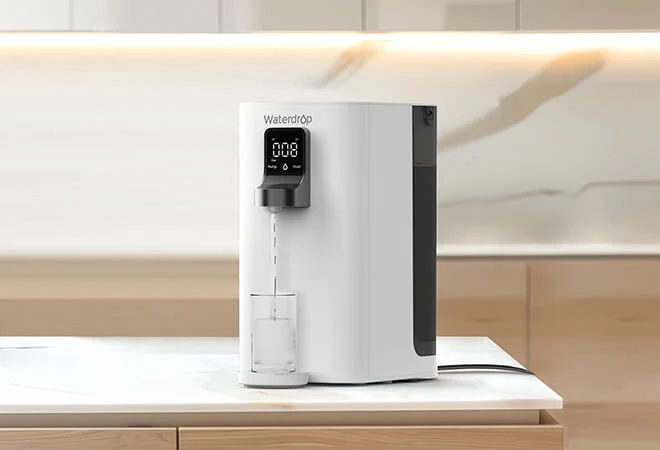
Why UK Tap Water Filtration Matters The Truth About What’s In Your Glass
UK tap water contains more contaminants than most people realise. Discover why advanced reverse osmosis filtration matters for your family's health, and how it transforms water quality in your home.
Every day, millions of UK households fill a glass from the kitchen tap without a second thought. But what if that convenient glass of water contained contaminants that could affect your health, your family’s wellbeing or even the taste of your morning tea? Water quality affects everything from cooking to hydration, yet most people have no idea what’s actually flowing through their pipes. The surprising truth is that even regulated UK water contains substances that advanced filtration can remove, providing an extra layer of protection that standard treatment doesn’t offer.
Understanding Your Tap Water What the Experts Say
While UK tap water is generally safer than many global alternatives, it isn’t pure. Regulatory standards allow certain levels of chlorine, fluoride, lead and sediment to remain in drinking water. Lead, in particular, poses a significant risk, especially in older homes where copper pipes corrode. The Health and Safety Executive notes that even trace amounts of lead can accumulate in the body over time, affecting cognitive function and immunity.
Beyond lead, UK tap water can contain microplastics, pesticide residues and disinfection byproducts like trihalomethanes. These compounds develop when chlorine reacts with organic material in water treatment facilities. For families concerned about long-term exposure, understanding filtration becomes essential. Independent water quality reports from regions across Britain consistently identify these contaminants in municipal supplies, proving that home filtration isn’t paranoia, it’s pragmatism.
How Reverse Osmosis Transforms Your Water
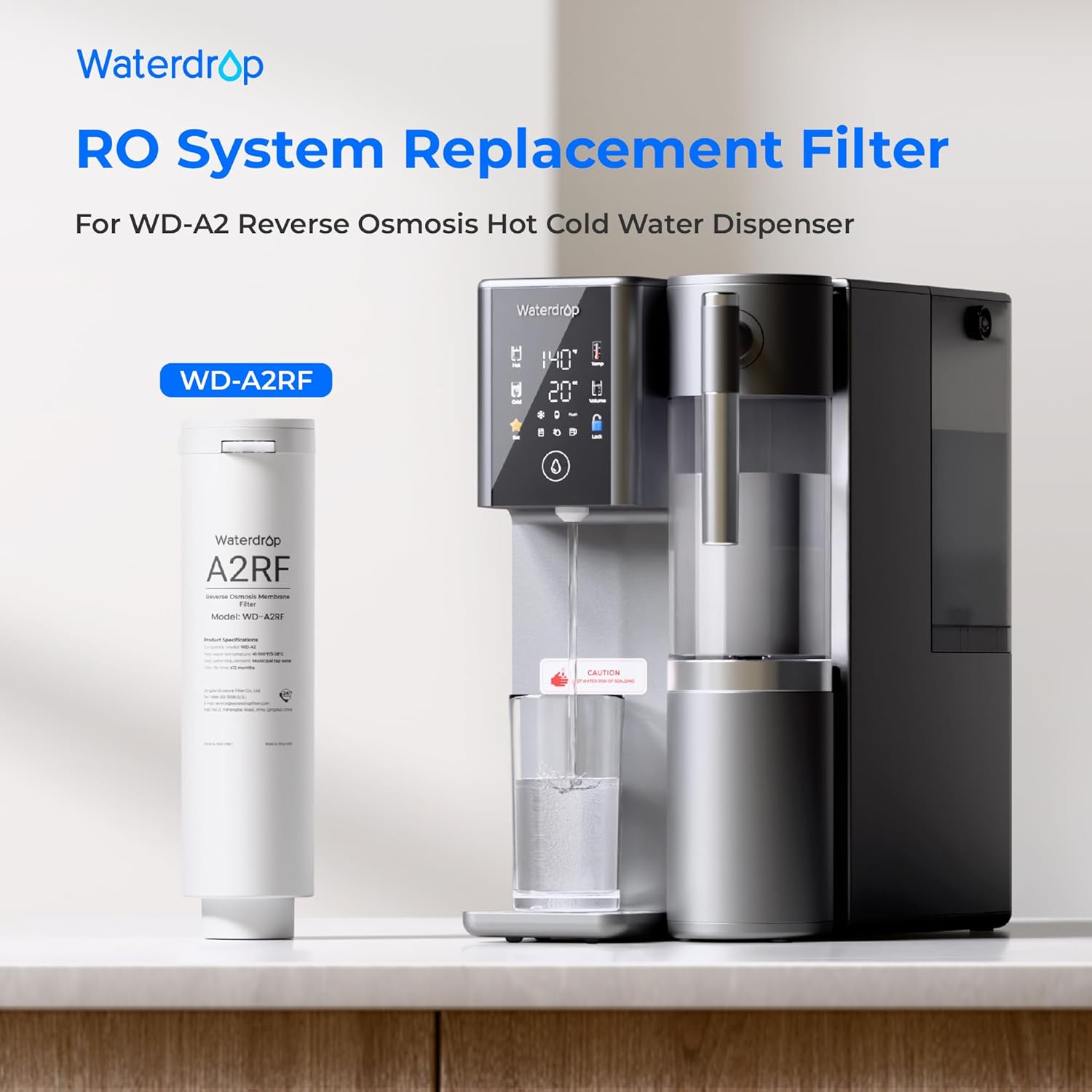
Reverse osmosis technology represents the gold standard in residential water purification. Rather than simply filtering particles, RO systems use a semi-permeable membrane that removes up to 99% of dissolved solids, bacteria, viruses and chemical contaminants. Waterdrop systems employ multi-stage filtration that combines activated carbon, sediment filters and RO membranes to eliminate virtually everything except pure H2O.
The process begins with a pre-filter that traps sediment and chlorine, preventing membrane damage. Next, the activated carbon stage removes organic compounds and improves taste. The RO membrane then removes dissolved minerals and contaminants at a molecular level. Finally, a remineralization stage can restore beneficial minerals like calcium and magnesium, which some prefer for taste and health reasons. This layered approach ensures comprehensive protection that no single filter can achieve.
Lead Reduction and Metal Contaminants
Lead contamination in UK homes is more common than many realise, particularly in properties built before the 1980s. When Waterdrop systems are properly installed, they achieve 99% lead reduction, far exceeding what basic carbon filters offer. This level of protection is certified by NSF/ANSI standards, meaning the performance has been independently tested and verified. Beyond lead, these systems remove chromium-6, arsenic, mercury and copper, metals that accumulate in organs and cause serious health issues.
- Lead concentrates in bones and teeth, affecting development and learning in children.
- Arsenic is classified as a known carcinogen linked to multiple cancer types.
- Mercury damages the nervous system and can impair memory and coordination.
- Copper buildup causes gastrointestinal issues and neurological problems over time.
- Chromium-6 has been linked to respiratory and kidney damage with chronic exposure.
For families with young children, pregnant women or anyone with compromised immunity, this level of protection provides genuine peace of mind. The difference isn’t theoretical; it’s measurable in water test results that reveal the actual contaminants removed by proper filtration systems.
Better Taste, Better Tea, Better Cooking
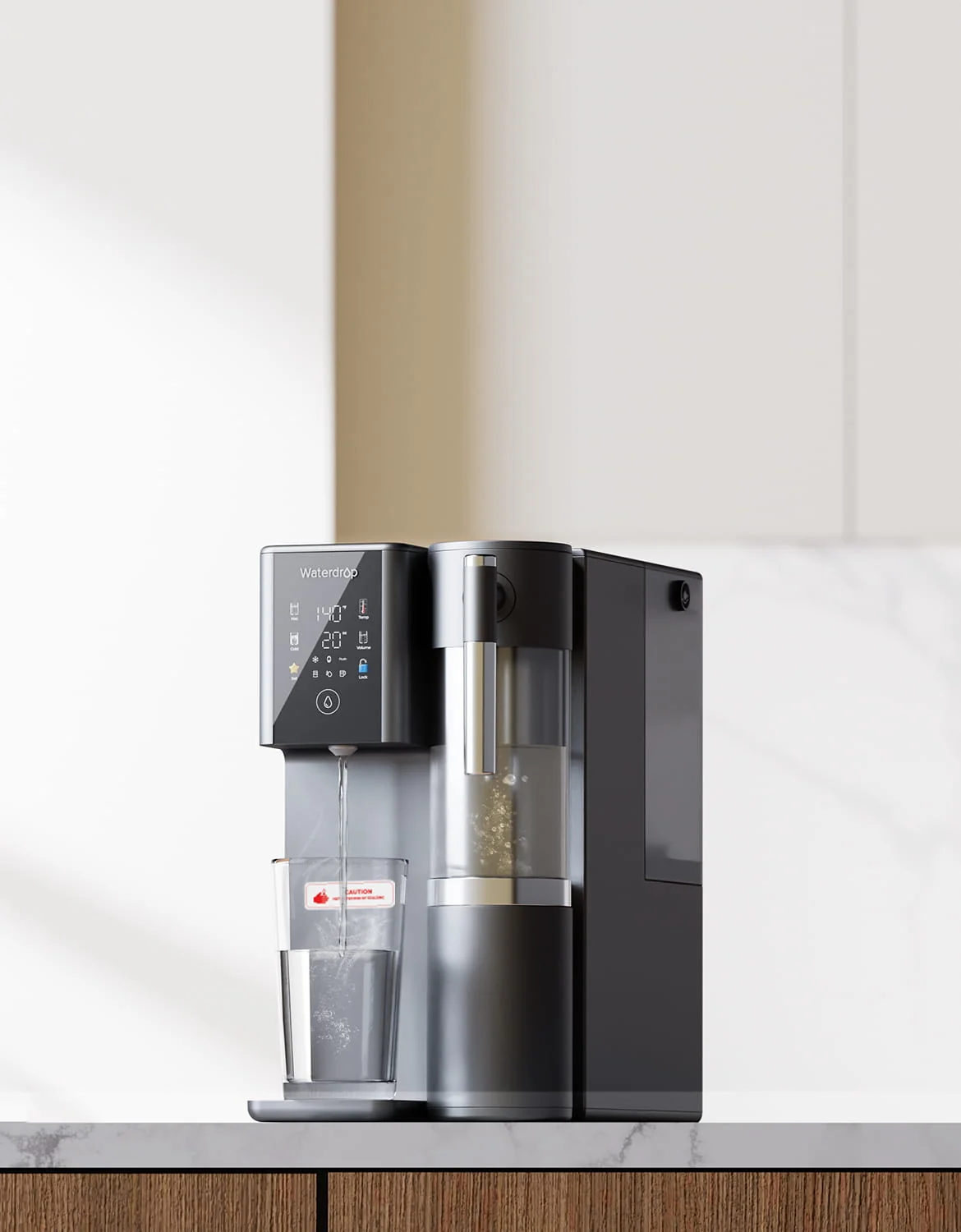
The immediate benefit most people notice is taste. Chlorine imparts a chemical smell and harsh flavour that many find unpleasant. Once removed by Waterdrop filtration, water tastes noticeably fresher and lighter. This transforms everyday hydration from a chore into a pleasure, encouraging families to drink more water and stay better hydrated throughout the day.
For tea and coffee enthusiasts, filtered water makes a tangible difference. Hard water and chlorine mask the subtle flavours of quality leaves and grounds. Pure water allows teas to steep properly and coffee to develop its full aromatic profile. Even instant coffee tastes superior when made with filtered water, a detail serious kitchen cooks appreciate.
Long-Term Health Considerations
While the UK’s water safety regulations protect against acute risks, chronic low-level exposure to contaminants raises concerns that regulatory standards don’t fully address. Microplastics, for instance, are now found in human blood and organs, yet have no established safety limits. Pesticide residues accumulate in fatty tissues over decades.
Investing in Waterdrop filtration is essentially investing in preventative health. Rather than waiting for health authorities to lower safety thresholds, families can choose higher standards now. This is particularly wise for vulnerable populations young children, elderly relatives and anyone with health conditions that compromise immunity. The confidence that comes with knowing your water is truly pure supports better health outcomes and peace of mind.
Making the Switch Why Now Matters
The cost of illness, missed work, medical appointments, reduced quality of life, far exceeds the investment in quality water filtration. Waterdrop systems range from compact countertop options to comprehensive under-sink installations, fitting every home and budget. Once installed, most systems require filter replacement just a few times per year, a minimal ongoing expense. Pure water isn’t a luxury; it’s a foundation for health.