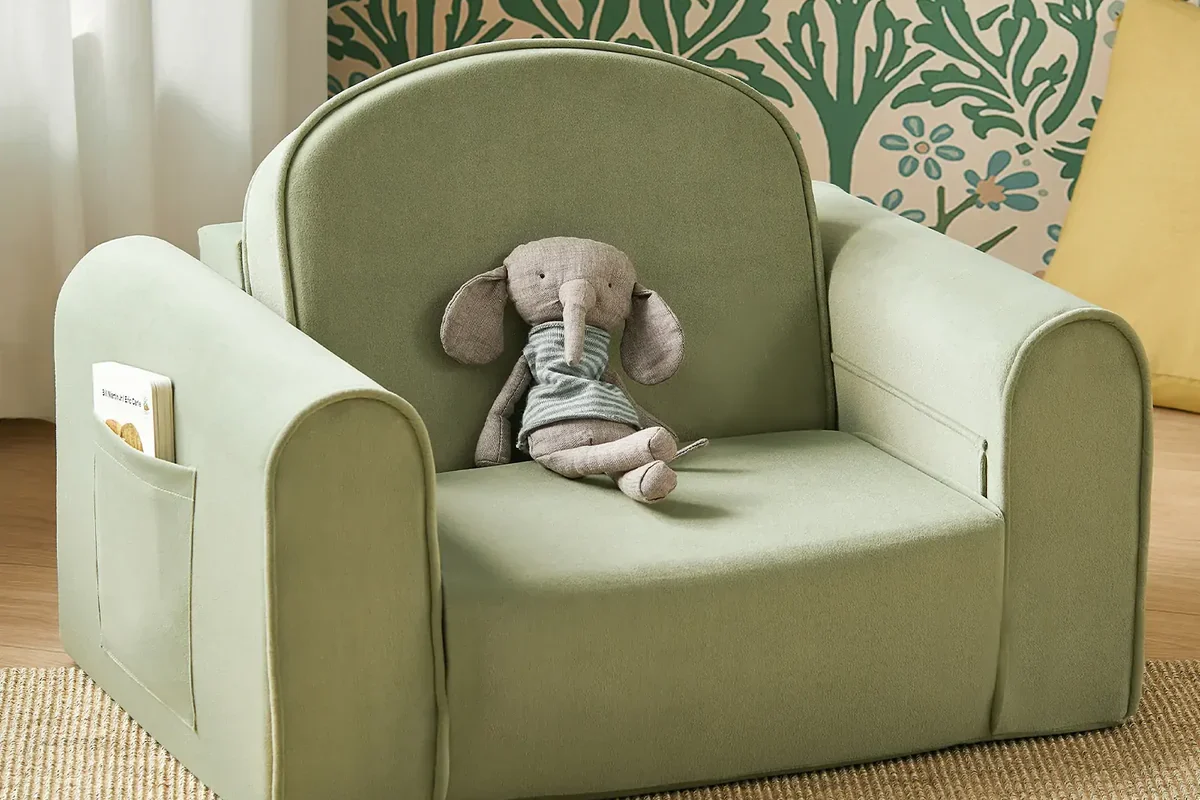
Tiny Land: Creating Meaningful Childhood Moments Through Imaginative Wooden Play
Childhood is filled with opportunities to discover, experiment, pretend, and create. While digital entertainment has become an everyday part of modern family life, traditional hands-on play remains an important way for children to explore their surroundings and develop new abilities. A pretend kitchen can become a busy restaurant, a teepee can transform into a secret […]
Childhood is filled with opportunities to discover, experiment, pretend, and create. While digital entertainment has become an everyday part of modern family life, traditional hands-on play remains an important way for children to explore their surroundings and develop new abilities. A pretend kitchen can become a busy restaurant, a teepee can transform into a secret hideaway, and a few wooden pieces can inspire completely different adventures every day. Tiny Land creates toys and play spaces around this open-ended philosophy.
Founded by parents and inspired by traditional wooden toys, the brand offers play kitchens, Montessori-inspired toys, dollhouses, teepee tents, play food, climbing equipment, and other products intended to encourage creativity and hands-on learning. Tiny Land also pays attention to aesthetics, creating toys that can complement modern family interiors rather than feeling out of place once playtime ends.
Turning Everyday Experiences into Imaginative Play
Children naturally imitate what they see around them. Preparing food, shopping, organising a home, serving meals, and caring for others can all become inspiration for pretend play.
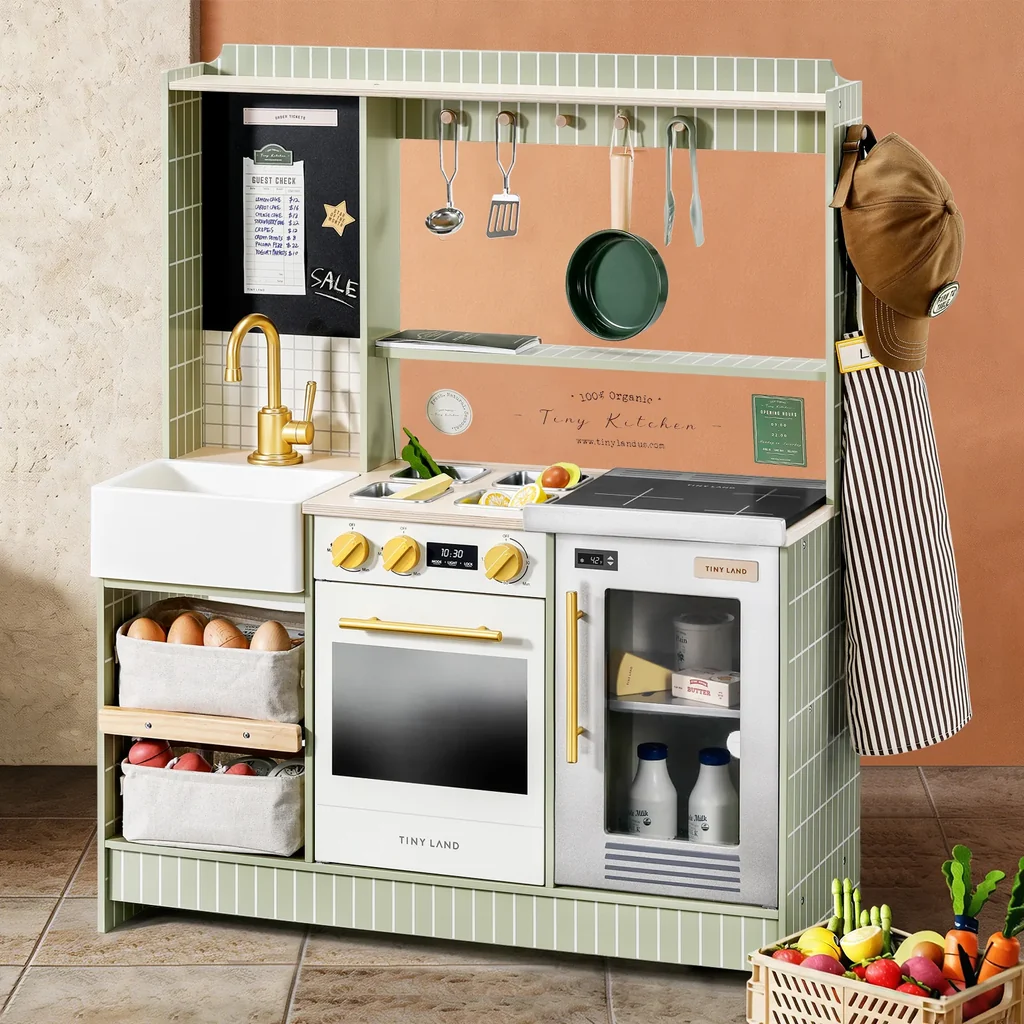
Tiny Land’s play kitchens are designed to turn these familiar experiences into opportunities for imagination. Depending on the model, children can interact with features representing ovens, sinks, stovetops, storage spaces, and other kitchen elements. The brand also offers wooden food and kitchen accessories that extend the experience by allowing children to pretend to prepare meals, organise ingredients, or run their own imaginary café.
These activities are entertaining, but they can also encourage children to practise communication, organisation, fine motor movements, and social interaction. When siblings, parents, or friends join the game, pretend play can naturally create opportunities for sharing ideas and taking turns.
Montessori-Inspired Toys That Encourage Active Learning
Tiny Land’s collection also includes Montessori-inspired toys developed around hands-on exploration. The brand describes its Montessori range as supporting skills such as sorting, stacking, hand-eye coordination, fine motor development, independence, and confidence.
Instead of requiring children to follow one fixed storyline, many of these toys provide a simple activity that can be explored repeatedly. Tiny Land offers age-oriented options extending from baby sensory products through toys for toddlers and preschool-aged children. Its Montessori collection is broadly positioned for developmental stages from birth through age six.
The simplicity is part of the appeal. When toys leave space for children to make decisions themselves, play can become less about pressing a button for a predetermined response and more about experimenting, solving small problems, and discovering what happens next.
Toys Designed to Look at Home in the Home
Children’s toys naturally become part of the household. They appear in bedrooms, playrooms, living areas, and sometimes almost everywhere in between. Tiny Land recognises that parents may care about how these products look as much as children care about how enjoyable they are.
Many of its larger wooden products therefore use relatively restrained colours, natural-looking materials, and contemporary details. Its play kitchens, for example, include designs intended to coordinate with modern interiors, while some models use space-conscious layouts for smaller play areas.
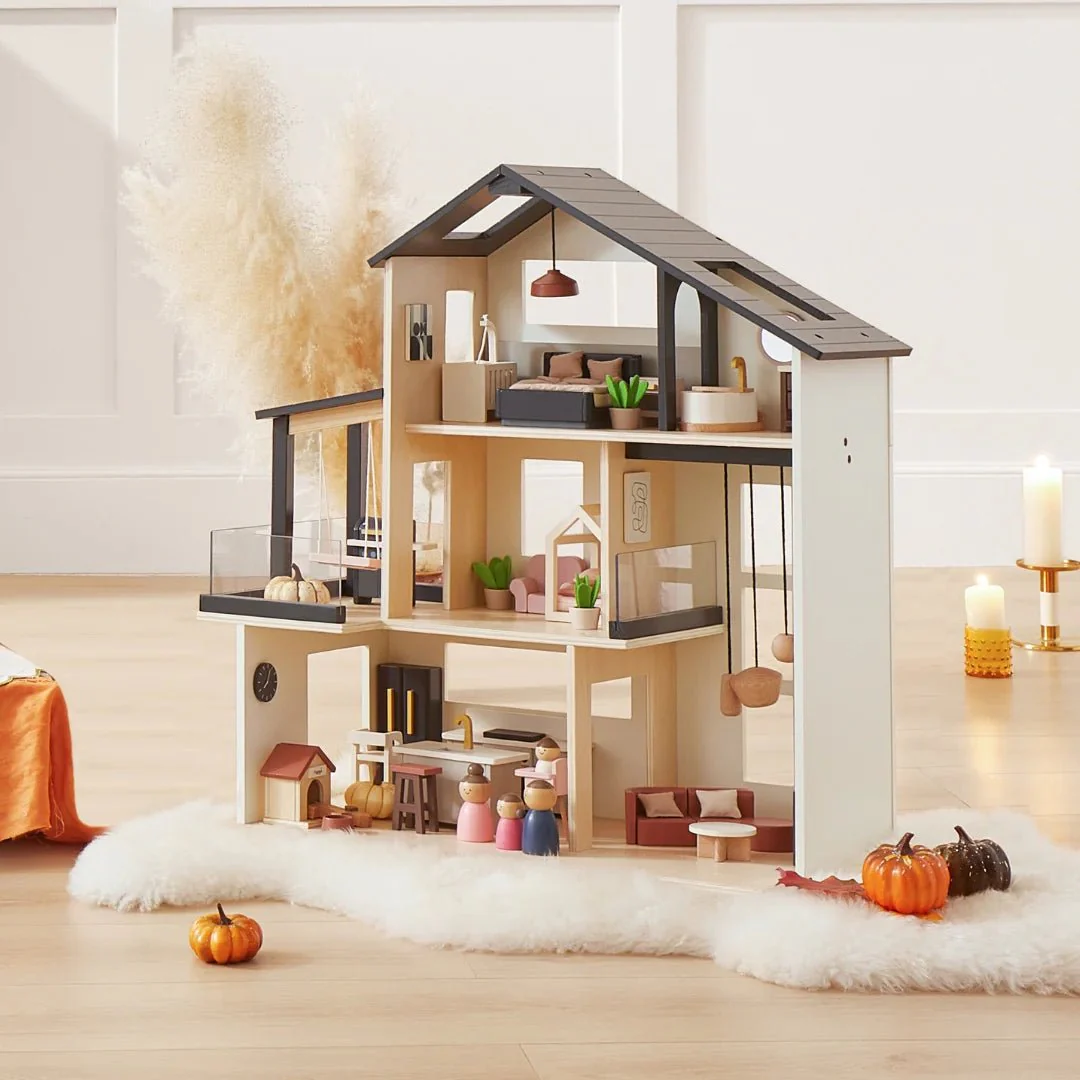
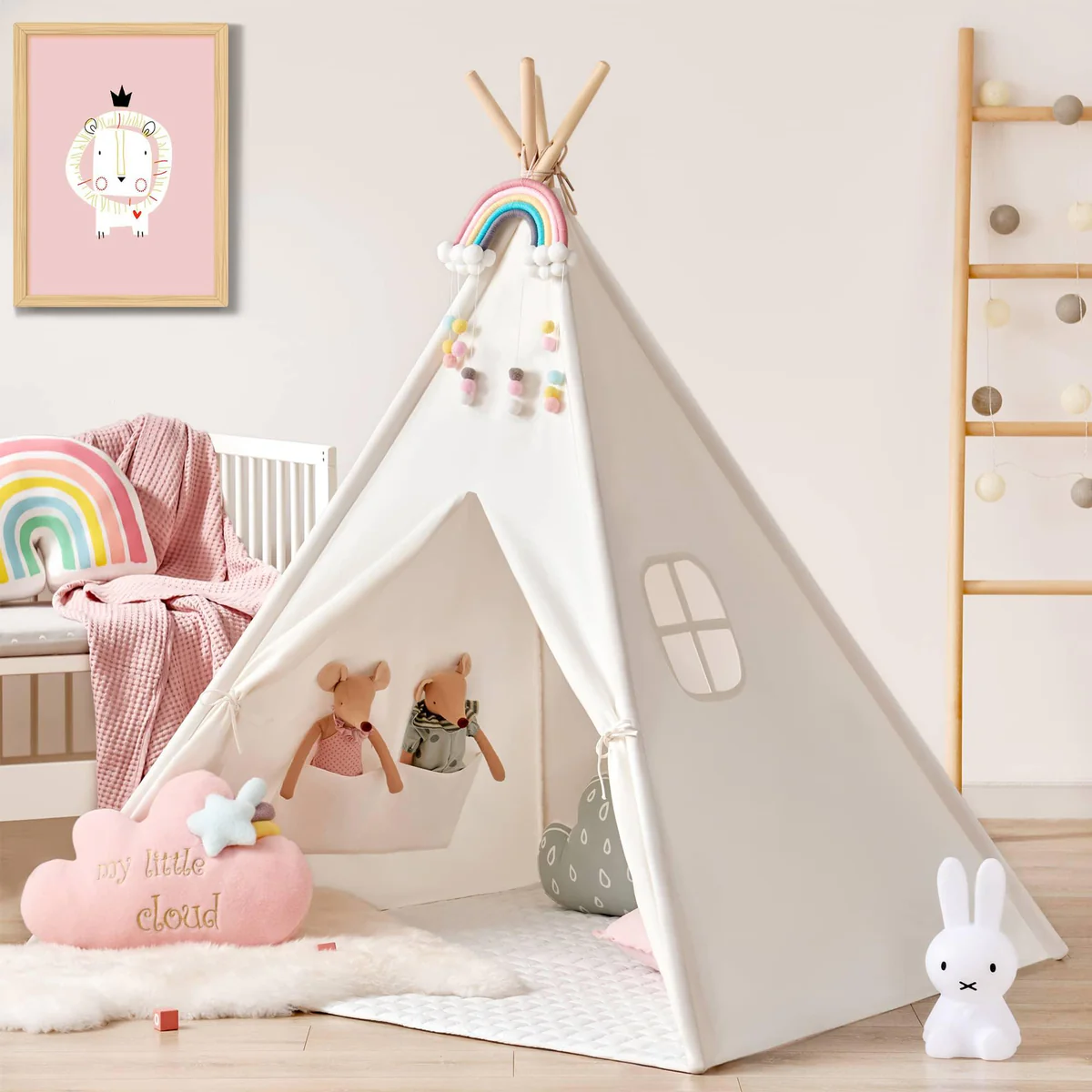
The wider range follows a similar philosophy. Teepee tents can create dedicated reading or imaginative-play corners, while wooden dollhouses and play kitchens can function as attractive elements within a thoughtfully arranged playroom.
This combination of child-focused functionality and home-friendly styling is one of the qualities that gives Tiny Land a distinctive identity.
Why Families May Explore Tiny Land
Tiny Land brings together several features for families looking for creative, hands-on toys:
- Wooden play kitchens for realistic pretend play.
- Montessori-inspired toys for different developmental stages.
- Teepee tents for reading, relaxing, and imaginative adventures.
- Wooden dollhouses and pretend-play accessories.
- Indoor climbing and activity equipment.
- Wooden play food for kitchens, shops, and role-playing games.
- Non-toxic, child-safe materials and finishes used across its products.
- Selected products tested against standards such as ASTM and CPSC requirements.
- FSC® and OEKO-TEX® certifications highlighted across the brand.
- 30-day returns on eligible undamaged products and a 90-day warranty for quality-related issues.
Safety and Materials Matter During Play
When products are created for young children, safety deserves careful attention. Tiny Land says its toys use child-safe materials and non-toxic finishes, with selected products undergoing independent laboratory testing against applicable children’s product standards.
The company also states that its wooden toys use water-based paints and that materials are tested for substances such as BPA, lead, and phthalates. Its safety information references standards including ASTM F963, CPSIA, EN71, and California requirements.
Individual product specifications can vary, however, so parents should always check the recommended age, assembly requirements, warnings, and supervision guidance for the specific toy they are considering.
Age suitability is particularly important for products involving small components or physical activity. Selecting toys that correspond to a child’s developmental stage helps create a play environment that is both engaging and appropriate.
Building Spaces Where Children Can Play Their Own Way
One of the appealing aspects of open-ended toys is that they do not necessarily dictate exactly how children should play. The same kitchen might become a bakery one afternoon and a family restaurant the next. A teepee might be a reading corner today and an explorer’s camp tomorrow.
Tiny Land’s broader collection supports this type of flexible play through pretend kitchens, play food, dollhouses, tents, climbing products, chalkboards, and other activity-focused designs.
For parents, creating an engaging play environment does not necessarily require filling a room with countless toys. A few carefully selected pieces that can be used in multiple ways may provide plenty of opportunities for children to invent their own activities.
This also creates opportunities for families to participate. Preparing an imaginary dinner, building a story around a dollhouse, or joining a pretend shop can turn an ordinary afternoon into shared time between children and adults.
Let Imagination Grow with Tiny Land
Some of childhood’s most memorable experiences begin with remarkably simple ideas. A wooden kitchen becomes a restaurant, a collection of pretend vegetables inspires a grocery store, and a small tent becomes the starting point for an enormous imaginary adventure. Tiny Land creates products that give children the space and tools to develop these stories themselves. Its combination of wooden pretend-play sets, Montessori-inspired learning toys, teepees, dollhouses, climbing equipment, and accessories provides families with many ways to encourage hands-on, screen-free play.
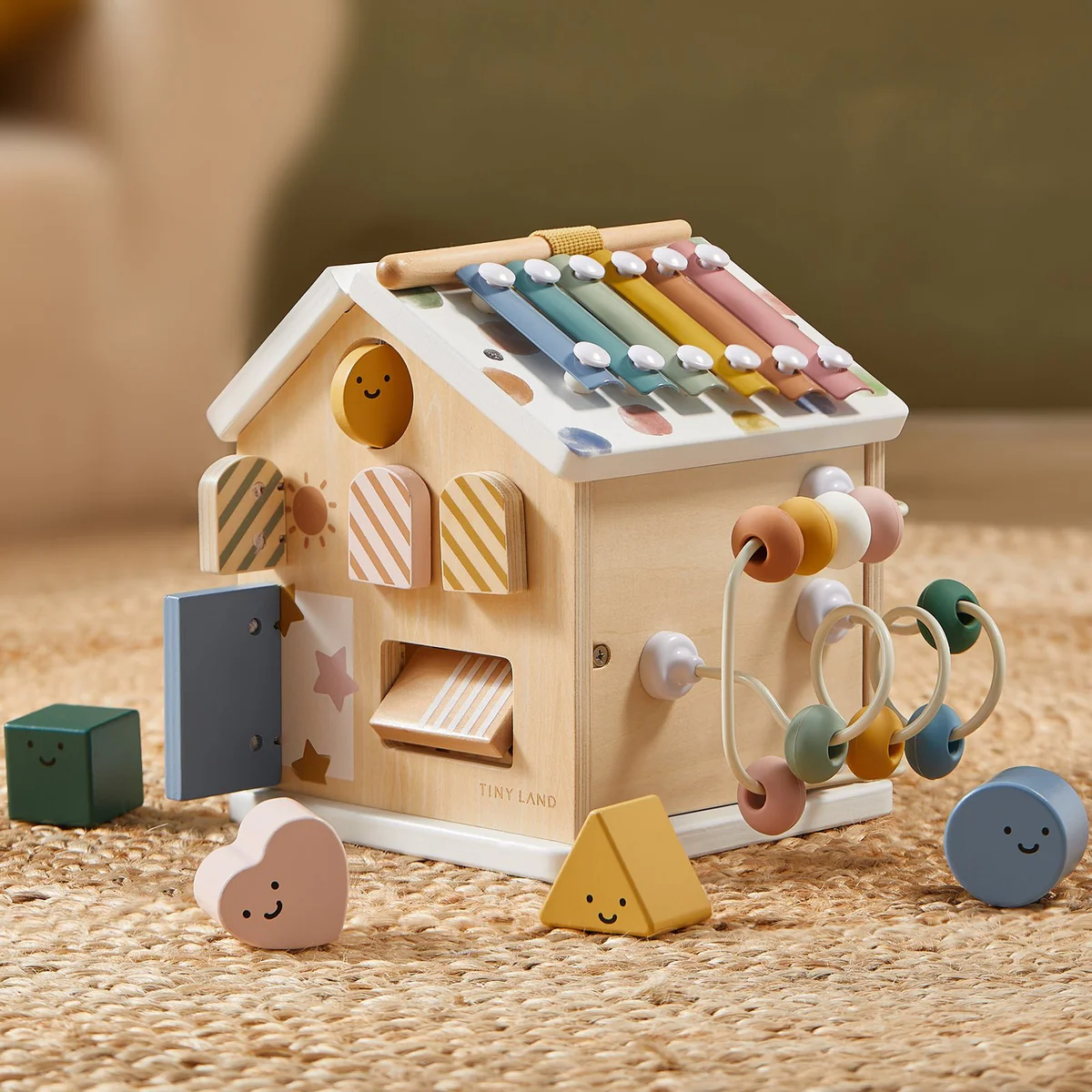
With its parent-founded story, emphasis on carefully chosen materials, attention to safety standards, and home-friendly design, Tiny Land brings a thoughtful perspective to children’s toys. Rather than making play more complicated, the brand demonstrates how well-designed toys can provide a starting point and allow children’s own curiosity to do the rest—creating a little world where imagination can grow one adventure at a time.