How Tinkerer STEAM Box Develops Critical Thinking in Young Learners
Discover how Tinkerer STEAM boxes transform critical thinking and problem-solving abilities through hands-on, multi-sensory learning experiences.
Critical thinking is no longer just an academic asset, it’s an essential life skill in today’s rapidly evolving world. Yet traditional education often focuses on rote learning and memorization, leaving gaps in practical problem-solving ability. STEAM boxes address this gap by delivering hands-on learning experiences designed to build the cognitive foundations every child needs. With a commitment to genuine STEAM learning critical thinking development, Tinkerer stands apart from typical educational toys.
The Science Behind STEAM Learning and Critical Thinking
When children engage in practical building and creating, their brains activate multiple learning pathways simultaneously. STEAM projects combine science, technology, engineering, art and mathematics into integrated challenges that demand genuine problem-solving. The foundation of STEAM learning critical thinking lies in hands-on experimentation where kids test theories, adjust designs and learn from failure in real time.
Research in cognitive development shows that multi-sensory engagement dramatically improves retention and transfer of knowledge. When a child physically constructs a mechanism while understanding its mechanical principles, both analytical and creative neural networks strengthen. Tinkerer boxes intentionally create these rich, multi-layered learning moments month after month, transforming how young minds approach complex problems through authentic STEAM learning critical thinking practice.
Dr. Maria Klawe, a leading researcher in computer science education, notes that hands-on learning engages what psychologists call “flow states”, periods of deep focus where children are completely absorbed in solving meaningful challenges. This state of engagement is where the deepest learning happens and where new neural connections form most readily. When children work on STEAM projects, they’re not just learning specific facts; they’re developing the cognitive architecture for lifelong problem-solving.
Building Resilience Through Iterative Design
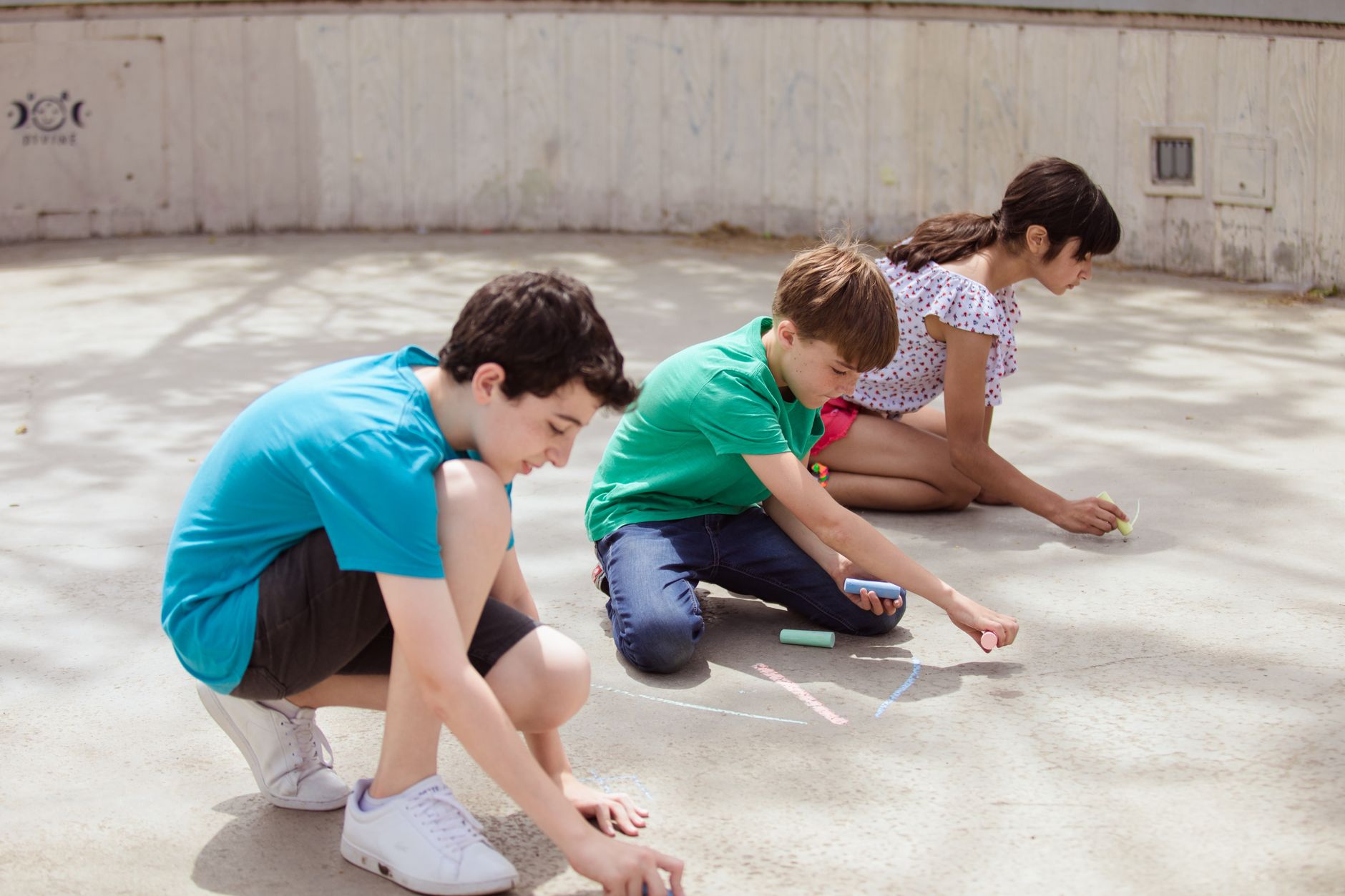
One of the most transformative aspects of STEAM education is learning to embrace failure as part of the creative process. These projects often require multiple attempts to succeed. A bridge design might be unstable on the first try. A mechanism might need adjustment. Rather than presenting this as defeat, the curriculum frames iteration as engineering, the way real innovators work.
This approach builds emotional resilience alongside cognitive skills. Children learn that setbacks are data points, not reflections of their ability. Over time, this perspective transforms how they approach academic and personal challenges beyond the project itself. In professional settings, resilience is prized alongside technical competence. By cultivating it early through project-based learning, young people develop the mindset that challenges are solvable with effort and creativity.
Fostering Creative Confidence and Innovation
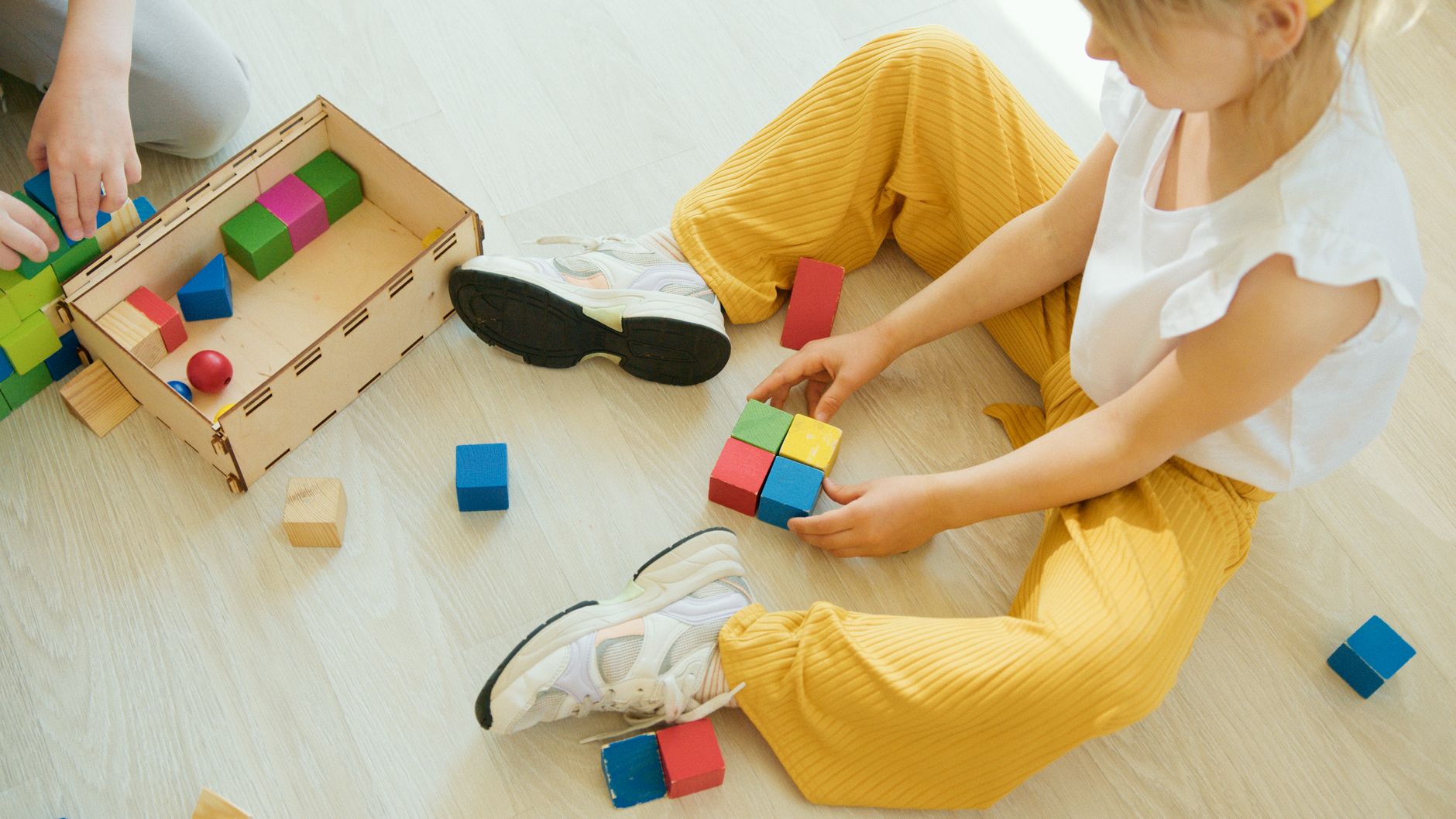
Not every STEAM project has a single “correct” answer. Subscription boxes are intentionally designed to allow creative flexibility alongside technical parameters. A child might build the suggested structure one month, then reimagine it entirely the next. This balance between guidance and autonomy nurtures genuine creative confidence, the sense that their ideas matter and can be realized.
Creative confidence, studies show, is one of the strongest predictors of innovation and entrepreneurship in adulthood. By regularly engaging in self-directed creative problem-solving, Tinkerer subscribers develop the mental habits that fuel original thinking. They learn to ask questions like “What if I tried this differently?” and “How could I improve this design?” These are the questions that drive innovation across every field, from engineering to medicine to business.
Key Benefits of Hands-On STEAM Projects
- Enhanced spatial reasoning and visualization abilities that translate to mathematics and science success.
- Improved persistence and resilience when facing difficult or ambiguous problems in any context.
- Development of iterative thinking, the understanding that first attempts rarely perfect and refinement is natural.
- Greater confidence in tackling unfamiliar challenges without immediately seeking adult guidance.
- Stronger communication skills through explaining designs, collaborating with peers and defending creative choices.
Developing Collaboration and Communication
While many STEAM projects work beautifully as solo activities, they also create natural opportunities for collaboration when siblings or friends join in. Complex builds often benefit from shared effort, teaching children to communicate their ideas, negotiate design choices and combine different perspectives into a cohesive solution. These soft skills, often called “21st-century skills”, are increasingly valued in education and career contexts.
When children work together on a challenging build, they learn to articulate why they think a design might work, listen to alternative suggestions and synthesize different viewpoints into a better solution. These are precisely the skills that employers seek in today’s knowledge economy, where most meaningful work involves collaboration across teams.
Beyond the Box Transferring Skills to Real Life
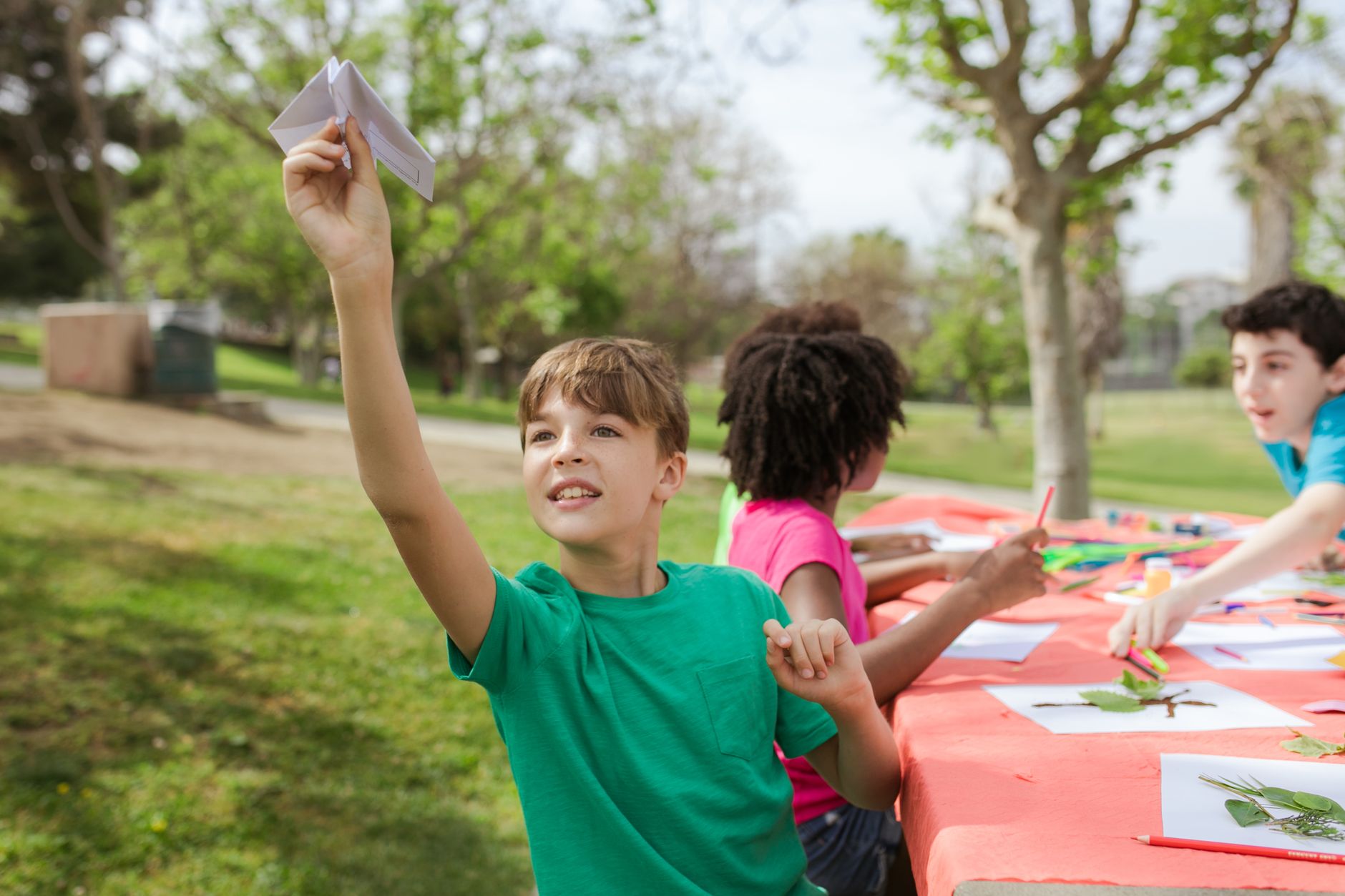
The true measure of educational value isn’t how much a child learns within a project, but how they apply those skills elsewhere. Subscribers consistently report that the problem-solving mindset extends beyond STEAM activities. Children tackle homework differently, approach household challenges with curiosity and ask more sophisticated questions about how things work. The mindset of inquiry and experimentation becomes ingrained.
Parents observe that their children become more independent problem-solvers. Rather than immediately asking “Can you help me?” when encountering a challenge, they’re more likely to experiment, try different approaches and develop solutions on their own. This shift in mindset, from learned helplessness to agency, is one of the most valuable outcomes of quality STEAM education.
Growing up with regular Tinkerer STEAM learning critical thinking engagement shapes not just what children know, but how they think and learn throughout their lives.