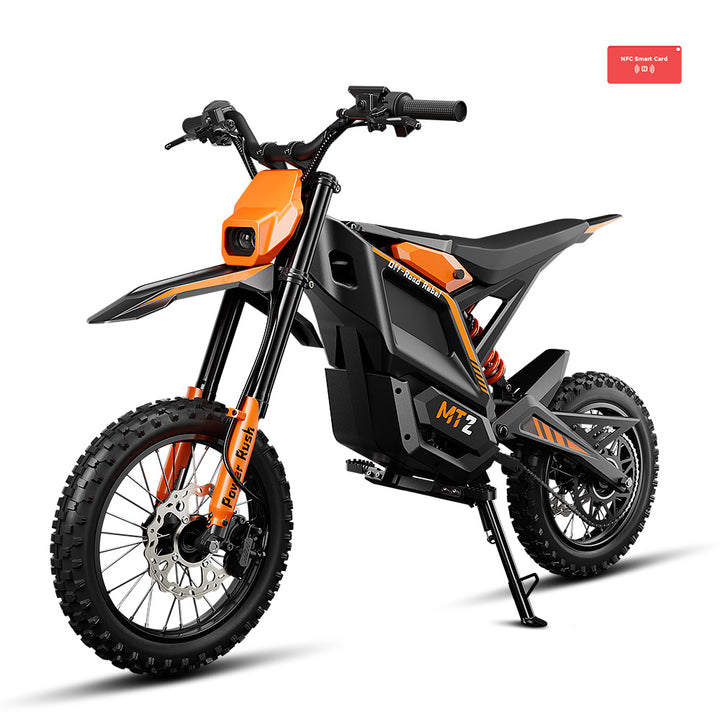
The Multi-Modal Commute Revolution Scooters as the Missing Link in Urban Transportation
The modern commute is a puzzle with missing pieces. Train systems carry thousands efficiently until you reach your destination; then you’re stuck. Buses cover wide areas but run on fixed schedules that rarely align with your needs. Cars sit idle 95 percent of their lifecycle while consuming resources and space. Bicycles work beautifully in good […]
The modern commute is a puzzle with missing pieces. Train systems carry thousands efficiently until you reach your destination; then you’re stuck. Buses cover wide areas but run on fixed schedules that rarely align with your needs. Cars sit idle 95 percent of their lifecycle while consuming resources and space. Bicycles work beautifully in good weather but demand physical effort that leaves you sweaty for work.
What if the solution wasn’t finding a perfect single transportation mode, but rather combining existing systems intelligently? Electric scooters solve this puzzle by becoming the missing connector in multi-modal urban transportation. iscooterglobal specializes in precisely this role, portable, reliable machines that bridge the gap between transit hubs and final destinations.
The First-Mile and Last-Mile Problem
Transit planners call it the first-mile and last-mile problem. You live 2 miles from the train station, too far to walk comfortably, too close to justify driving and paying parking fees. You work half a mile from the bus stop, walkable, but those walks feel pointless when you could cover the distance faster and drier on a scooter. This problem affects millions of would-be transit riders daily and represents a massive planning inefficiency.
Electric scooters solve this problem completely. Portable enough to carry onto trains. Fast enough to make short distances feel insignificant. Quiet enough to use near residential areas. iscooterglobal‘s foldable models fit in train luggage racks and car trunk spaces. You park-and-ride differently, not in a designated lot, but by carrying your personal mobility device directly to your destination. The transformation is revolutionary for transit reliability.
Breaking the Transit Constraint Cycle

Traditional transit planning assumes commuters walk from home to station and station to office. But not everyone lives within comfortable walking distance of stations. Not everyone works within walking distance of stops. The result is millions of potential transit users never adopting public transportation because the first-mile and last-mile segments are miserable enough to outweigh transit benefits. It’s a systemic planning failure affecting urban mobility efficiency.
Scooters break this cycle. Someone living three miles from a train station can ride there comfortably, fold their scooter, board the train, unfold it at the destination station and ride to their office. Total commute time improves. Comfort improves. Environmental impact compared to driving improves dramatically. Transit systems become genuinely accessible to people living in outer neighborhoods. The multi-modal approach transforms marginal transit users into committed transit riders who abandon cars permanently.
The Economics of Smart Commuting
Do the math on personal car ownership insurance, maintenance, fuel, parking, registration. A decent used car costs thousands before it ever moves. Monthly ownership runs hundreds of dollars. iscooterglobal scooters cost a fraction of vehicle ownership and deliver transportation for pennies compared to cars. The financial advantage compounds over years into thousands of dollars in savings.
Multi-modal commuting with scooter plus transit beats both transit alone (long walks) and car alone (expense and environmental impact) on every practical measure except perhaps weather comfort. And even weather becomes manageable when you’re only outdoors for the first-mile or last-mile segments, not your entire commute. Your transit time inside covered vehicles insulates you from most weather exposure while costs remain minimal.
Flexibility That Cars Cannot Match

Your usual transit route is overcrowded? Take an alternate path. You need to make an errand run that transit doesn’t serve? Hop on your scooter. The system breaks down for the day? You have a backup transportation method. Scooters transform transit users from people dependent on systems beyond their control into people with genuine alternatives and adaptive capacity. This freedom is invaluable for urban workers facing unpredictable circumstances.
Weather delays your regular train? Your scooter provides a mobility option independent of transit schedules. Absolutely terrible weather requires a different day’s approach. But most weather, light rain, wind, morning chill, becomes manageable when your riding distances are measured in minutes rather than miles. The math changes when you’re only exposed to elements briefly. System resilience improves dramatically.
Building Your Perfect Multi-Modal System

- Identify your transit bottlenecks, where current systems fail you or require excessive time to cover short distances.
- Measure actual distances from home to transit and transit to work, anything beyond 10 minutes’ walking distance becomes scooter territory.
- Calculate total commute time using combined transit plus scooter versus single transportation modes.
- Consider parking convenience, is keeping your scooter at home easier than parking a bike or managing car storage?
- Evaluate weather patterns in your region and whether combining covered transit with minimal outdoor scooter time provides acceptable comfort.
The future of urban transportation isn’t a single revolutionary mode; it’s intelligent combination of existing systems. Transit carries people efficiently en masse. Scooters provide the flexibility at beginning and end. iscooterglobal riders report dramatically improved commutes when they embrace this multi-modal approach. Time savings, cost reductions, stress elimination, these aren’t minor improvements. For many urban workers, they’re genuine quality-of-life transformations that accumulate thousands of hours annually. That’s the power of smart transportation planning combined with reliable equipment. Your commute becomes an asset, not an ordeal.