The Environmental Crisis Behind Bottled Water Why Filtering at Home Makes a Difference
Explore how bottled water harms the environment and why home filtration is the sustainable choice.
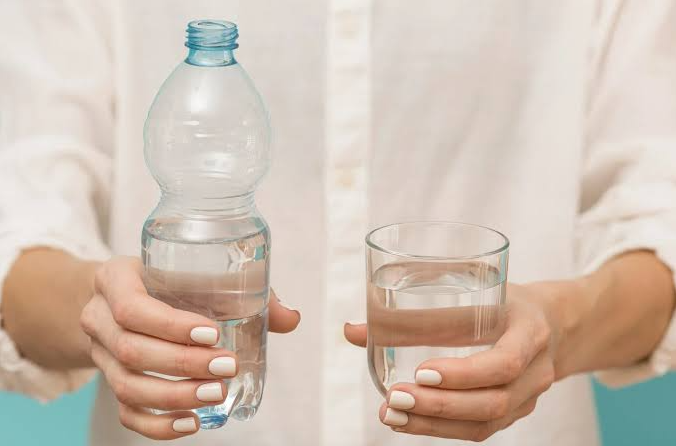
Every year, millions of tonnes of plastic waste enter landfills and oceans, with single-use water bottles constituting a significant portion of this global crisis. The production, transportation and disposal of bottled water consumes enormous quantities of fossil fuels and generates carbon emissions that accelerate climate change. Yet most consumers never connect the convenience of grabbing a plastic bottle with the environmental devastation it triggers. Understanding this connection is the first step toward making choices that genuinely reduce your ecological footprint.
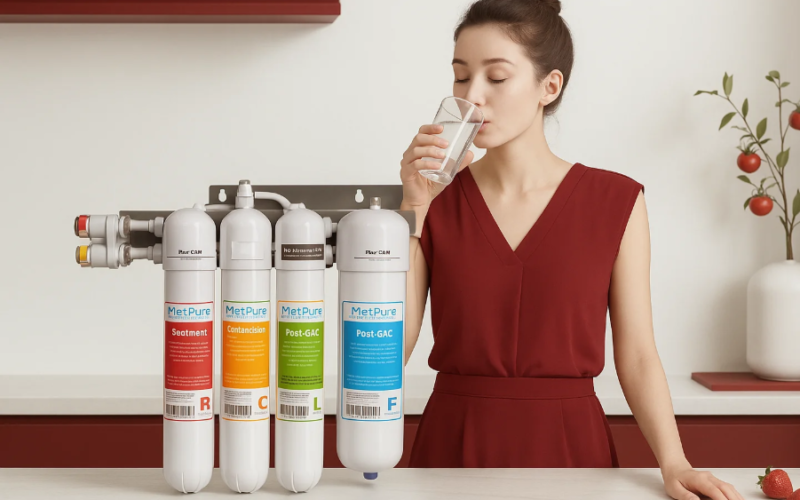
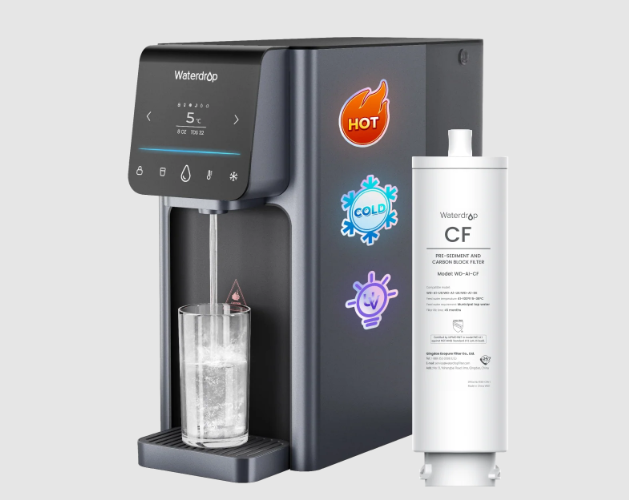
The bottled water industry operates under a deceptive premise, marketing its products as environmentally superior to tap water when the opposite is demonstrably true. Producing plastic bottles requires petroleum extraction, refining and manufacturing processes that release greenhouse gases at every stage. Transporting millions of bottles across continents burns additional fuel. And once consumed, most bottles never decompose, instead accumulating in ecosystems for centuries. In contrast, Waterdropfilter UK offers a solution that reduces environmental impact to a fraction of bottled water’s footprint, allowing conscious consumers to align their purchasing decisions with their values.
The Plastic Pollution Crisis
Approximately 91 percent of plastic ever produced has never been recycled, meaning billions of tonnes now persist in the environment indefinitely. Water bottles form a disproportionate share of this waste, with 480 billion single-use plastic bottles discarded globally each year. These bottles fragment into microplastics that infiltrate soil, waterways and ultimately human bodies through contaminated food and water. Marine life mistakes plastic fragments for food, leading to starvation and death across ocean ecosystems.
The recycling system offers false hope, creating the illusion that bottles are being properly managed when in reality, the vast majority are either incinerated or buried in landfills. Only about 30 percent of plastic bottles enter recycling programmes and even those often end up contaminating recycling streams or are exported to developing nations where they create environmental hazards in communities ill-equipped to manage them. Waterdropfilter UK eliminates this entire cycle by removing the need for disposable bottles entirely.
Carbon Footprint of Bottled Water
The carbon cost of bottled water extends far beyond the plastic itself. Manufacturing a single plastic bottle generates approximately 3.4 grams of carbon dioxide. Then comes transportation, often across oceans or continents, burning fuel with each mile travelled. A bottle produced in Asia and consumed in Europe accumulates carbon emissions from manufacturing, packaging and shipping before even reaching a consumer. Studies show that bottled water generates roughly 1,000 times more greenhouse gas emissions than tap water delivered through municipal infrastructure.
For consumers concerned about climate impact, switching to Waterdropfilter UK home filtration represents one of the most effective personal climate actions available. The carbon footprint of producing and maintaining a filtration system is negligible compared to the emissions generated by a lifetime of bottled water consumption. A single household making this switch prevents the equivalent of several tonnes of carbon dioxide emissions annually.
Water Extraction and Resource Depletion
Bottled water production not only generates waste but actively depletes precious freshwater resources. Aquifers in water-stressed regions worldwide are being drained faster than they can recharge, driven primarily by demand from bottled water manufacturers. Companies extract groundwater that took thousands of years to accumulate, leaving local communities facing water scarcity. This practice is particularly troubling in drought-prone regions and developing nations where water access is already limited.
In contrast, home filtration systems process water that already flows to your home through municipal infrastructure. Waterdropfilter UK products work with existing water supplies rather than requiring extraction of additional resources. By choosing filtered tap water, you actively reduce demand for the extractive practices that damage ecosystems and displace communities dependent on these water sources.
The Hidden Costs of Recycling Infrastructure
Recycling programmes designed to manage plastic bottle waste consume significant resources themselves, yet achieve limited environmental benefit. Collecting, sorting, washing and processing plastic bottles requires energy and infrastructure investment. Many recycled bottles are downgraded into lower-quality plastic products rather than remade into new bottles, meaning the system does not achieve true circularity. Some bottled water companies deliberately design bottles to resist recycling, making them technically non-recyclable despite appearing recyclable to consumers.
Communities bear the tax burden of managing these recycling systems, essentially subsidising the beverage industry’s waste. Resources spent on recycling programmes could instead support other environmental initiatives. The most effective environmental solution is to eliminate the waste stream entirely and Waterdropfilter UK accomplishes exactly this by removing the need for bottles altogether.
Supporting a Sustainable Future
Every consumer decision sends a market signal about which business practices society values. By rejecting bottled water in favour of home filtration, you reduce demand for an inherently wasteful product and shift market incentives toward sustainable alternatives. Widespread adoption of home water filtration would eliminate billions of bottles from production, prevent countless tonnes of plastic from entering ecosystems and reduce carbon emissions from transportation and manufacturing substantially.
Your choice to use Waterdropfilter UK systems is not merely a personal preference but a vote for environmental stewardship. Consider the full lifecycle impact of your water choices
- Bottled water petroleum extraction, manufacturing emissions, transportation fuel, permanent plastic waste.
- Filtered tap water one-time system production, occasional filter replacements, water already delivered through existing infrastructure, minimal waste generation.
- Environmental impact reduction eliminating plastic bottle consumption prevents hundreds of bottles from entering landfills and oceans annually per household.
- Carbon reduction equivalent to removing a car from the road for several months each year per household.
- Resource conservation protects aquifers and freshwater sources from unsustainable extraction practices.
The environmental mathematics are undeniable. Choosing home water filtration over bottled water represents one of the simplest yet most impactful decisions you can make for the planet. Waterdropfilter UK enables this choice, providing families with the means to reduce their environmental footprint while enjoying superior water quality. Every bottle not purchased is a victory for the environment.