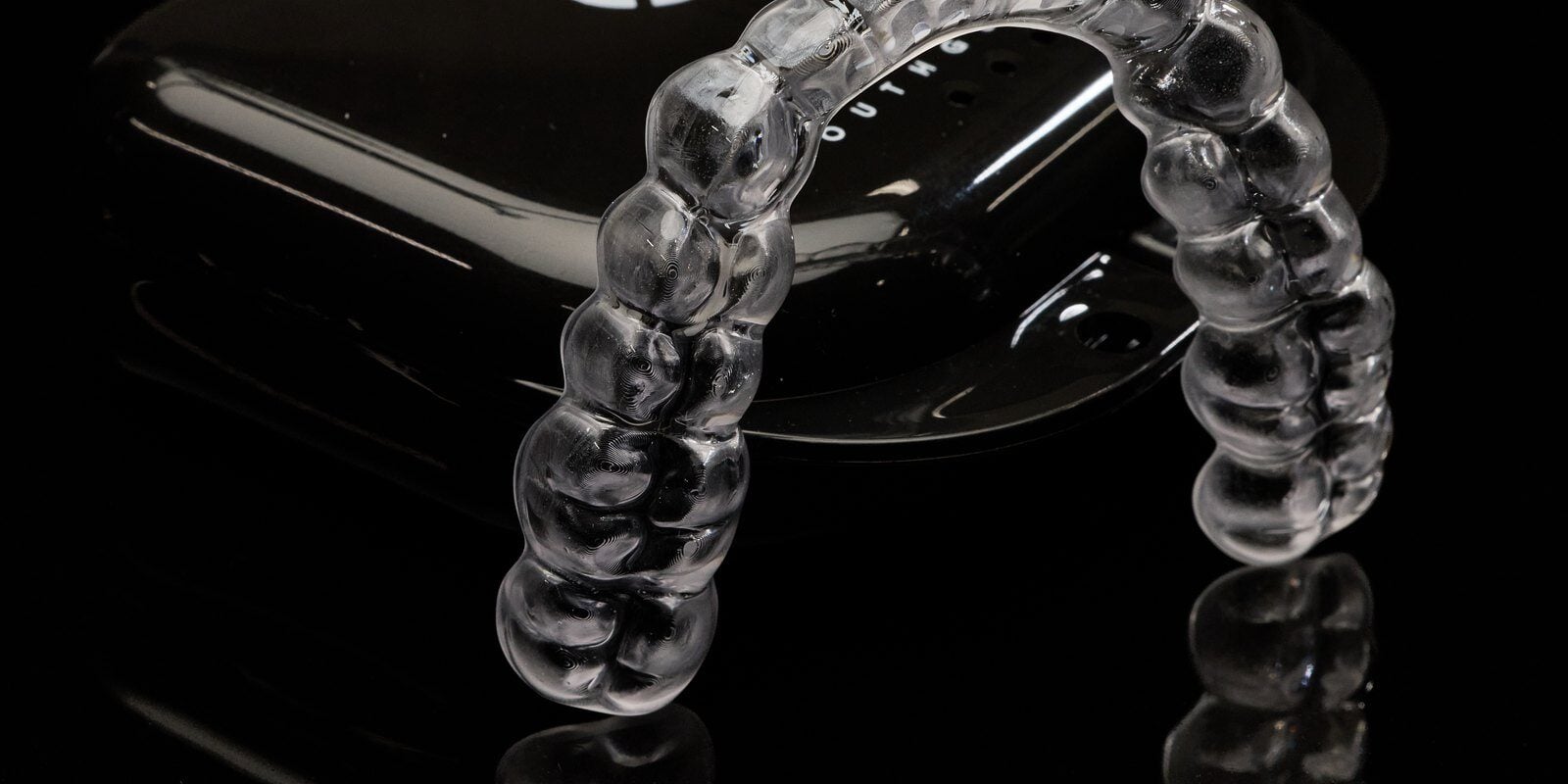
Sentinel Mouthguards Review: Custom Night Guards by Post
Sentinel Mouthguards makes custom night, day and sports guards from an at-home impression, from $129. Materials, prices, ordering and honest limits.
Some people learn they grind their teeth from a dentist pointing at worn enamel. Others find out from a partner, a stiff jaw at breakfast or a headache that turns up before the coffee does. The usual fix is a custom night guard from the dentist’s chair, which can mean several appointments and a bill in the hundreds. Sentinel Mouthguards offers a quieter route: you press your teeth into putty at home, post the impression back, and a US dental lab returns a guard hand-finished to your bite. It isn’t the cheapest guard you can buy, and it doesn’t replace a dentist. But for people who already know they clench, it makes custom fit far easier to get.
How do Sentinel Mouthguards custom guards actually work?
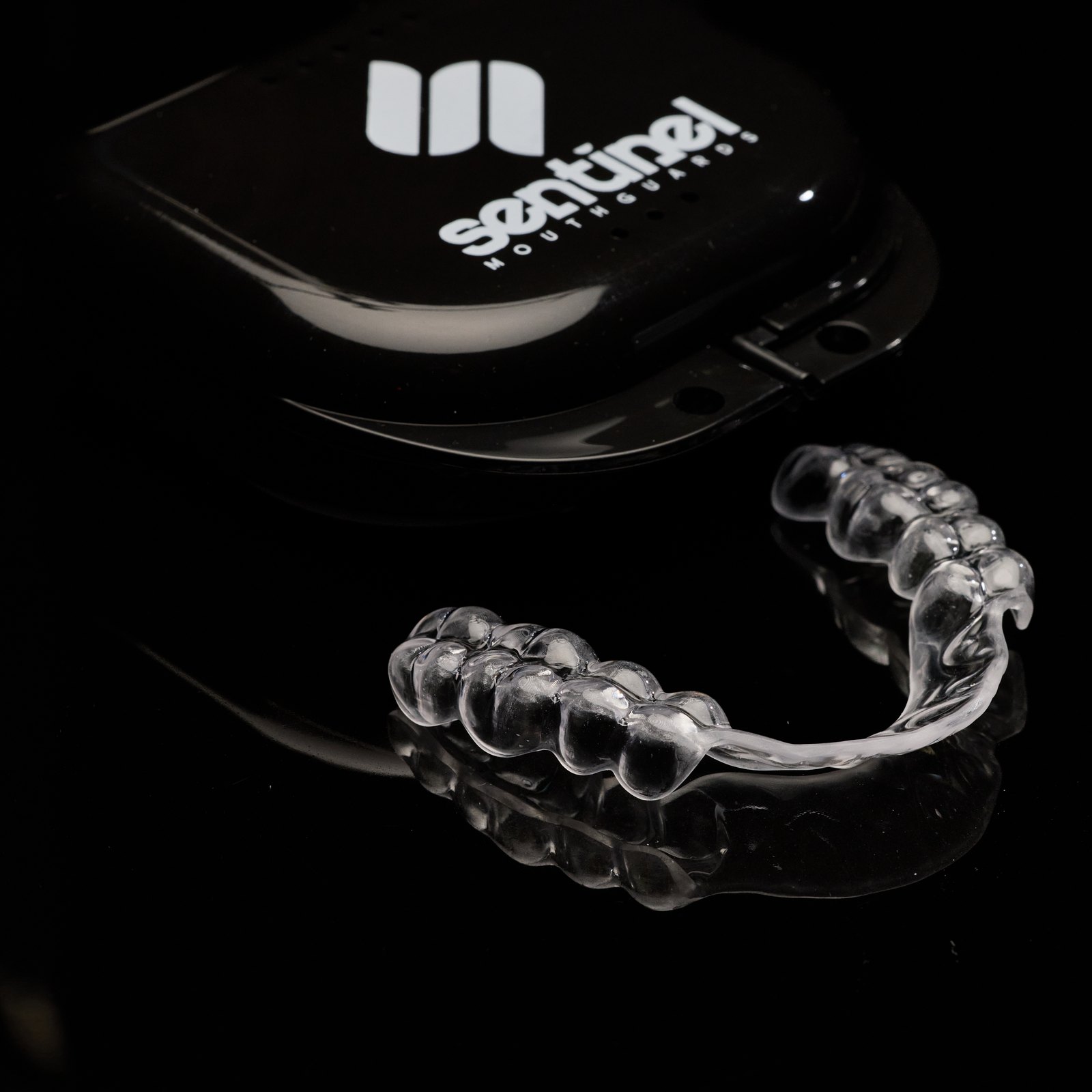
The process has four steps, and the third is the one the brand is built around. You order online and receive an impression kit, which Sentinel says takes about five minutes to use: mix two putties, press for three minutes, rinse and post it back with free return shipping. If your dentist already has a digital scan, you can email the STL or PLY file and skip the kit. Sentinel 3D-prints a resin model of your teeth, thermoforms the guard over it, then has a technician test, trim and polish every edge by hand. The company says its technicians have more than 30 years of lab experience and that most customers have their guard within two weeks. Expedited service costs $80. Your impression stays on file, so a replacement doesn’t mean starting again.
Which Sentinel night guard suits the way you grind?
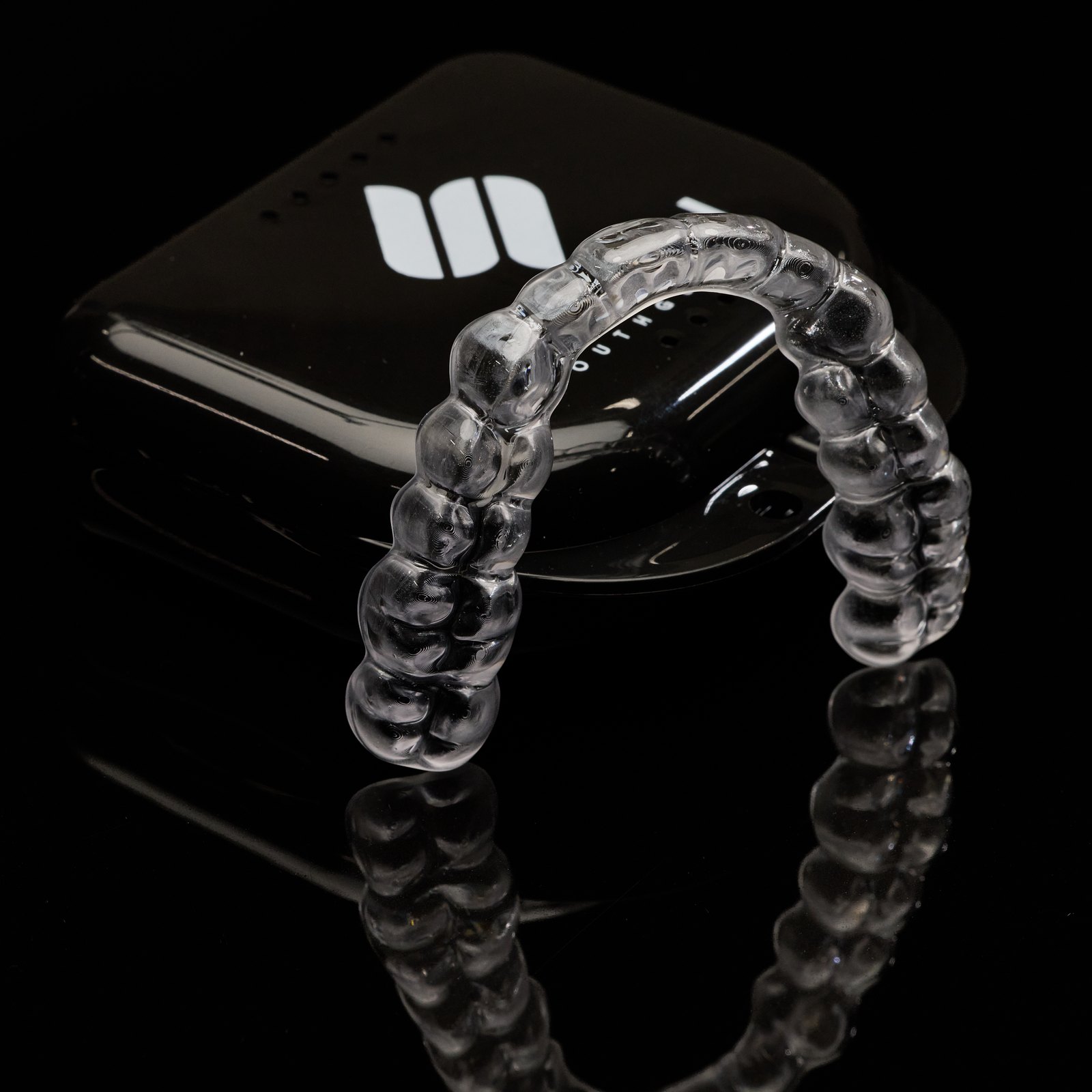
Sentinel sorts its four night guards by how hard you grind, not by tooth size or marketing tier, and it publishes the materials for each. The Comfort Guard ($165) is 2mm soft EVA for light clenching and sensitivity. The bestselling Hybrid Guard ($190) pairs a soft EVA inner layer with a hard copolyester outer shell and is the brand’s default for most night grinders. The Hard Guard ($215) is 2mm rigid copolyester for heavier grinders and people who have chewed through softer guards. The Durability Guard ($235) moves to 3mm high-strength copolyester for severe bruxism that a dentist has confirmed. Sentinel Mouthguards says all of its materials are free of BPA, BPS, PVC, phthalates, latex and silicone. It adds that its lab is FDA registered. A short quiz on the site suggests a model if you aren’t sure. The honest caveat is that self-assessed severity is guesswork. A dentist can tell you whether wear patterns point to the Hard or the Durability Guard.
What about daytime clenching and contact sports?
Two products take the idea beyond the bedroom. The No-Show Day Mouth Guard ($180) is 2mm hard copolyester with the front of the first six teeth cut away. Sentinel says this makes it close to invisible in conversation and gentle on speech, which matters if you clench through meetings or long drives. It’s designed for light to moderate clenching of the back teeth only. The Shock-Zorbent Sports Mouth Guard ($129) is the cheapest guard in the range. You choose high, medium or low contact to match your sport, and impression kits work for children with baby teeth. Sentinel offers a reorder path for children who outgrow a guard. The range also includes retainers ($165), tongue- and cheek-biting guards ($205) and whitening trays with gel ($195).
Is Sentinel Mouthguards worth it over a boil-and-bite guard?
Price first. A pharmacy boil-and-bite guard costs a fraction of $165. Sentinel compares its prices with what it says is around $650 at a dentist, but that figure is the brand’s own and local fees vary widely. You’re paying for a lab-made fit, a choice of material and the hand-finishing step. The backing is solid but not unconditional. Sentinel Mouthguards offers a 100-night outcome guarantee and up to three attempts at fit through adjustments, remakes or a redo kit. A refund is still possible after that, minus a $23 fee. The craftsmanship warranty runs one year, or six months on the Comfort Guard. The weak point is the impression itself: a smudged mould means a remake, and some bites are simply too complex to manage by post. One verified reviewer said hers was eventually refunded and referred back to a dental office.
Who should order a Sentinel guard, and who should see a dentist first?
It suits people who already know they grind or clench, who may have outgrown a dentist-made guard, and who want custom fit without a run of appointments. Athletes and parents of young players get a properly fitted sports guard for less than many dentist quotes. It’s a poorer fit for anyone with jaw pain they haven’t had diagnosed, loose crowns, ongoing orthodontic work or symptoms that might point to a sleep disorder. A guard protects teeth; it doesn’t explain why you clench. Even the dentist who evaluated the Day Guard for Sentinel notes that it doesn’t address the habit or stress behind clenching. Start with a check-up if anything feels new or painful. If you already have a diagnosis and a dentist’s scan, Sentinel can turn that scan into a guard you’ll actually wear.
This article contains affiliate links; The Fresh Angle may earn a commission at no extra cost to you. Prices were correct in October 2026 and may change. This is not medical or dental advice — speak to a dentist about grinding, clenching or jaw pain.