Responsible Device Care for Adult Vapers at Home and Away
Vaping devices require careful handling because batteries, liquids and replaceable parts can create risks when they are mixed, damaged or stored poorly. Responsible use begins with legal adult access and continues through every charge, journey and replacement. The Device Must Match the User and the Rules A person who does not vape should not begin […]
Vaping devices require careful handling because batteries, liquids and replaceable parts can create risks when they are mixed, damaged or stored poorly. Responsible use begins with legal adult access and continues through every charge, journey and replacement.
The Device Must Match the User and the Rules
A person who does not vape should not begin for the sake of a gadget, flavour or social occasion. Vaping is not risk free. Nicotine can create dependence. An adult who already vapes may still benefit from advice about reducing use or stopping. Health services and qualified professionals can provide support that a product page cannot.
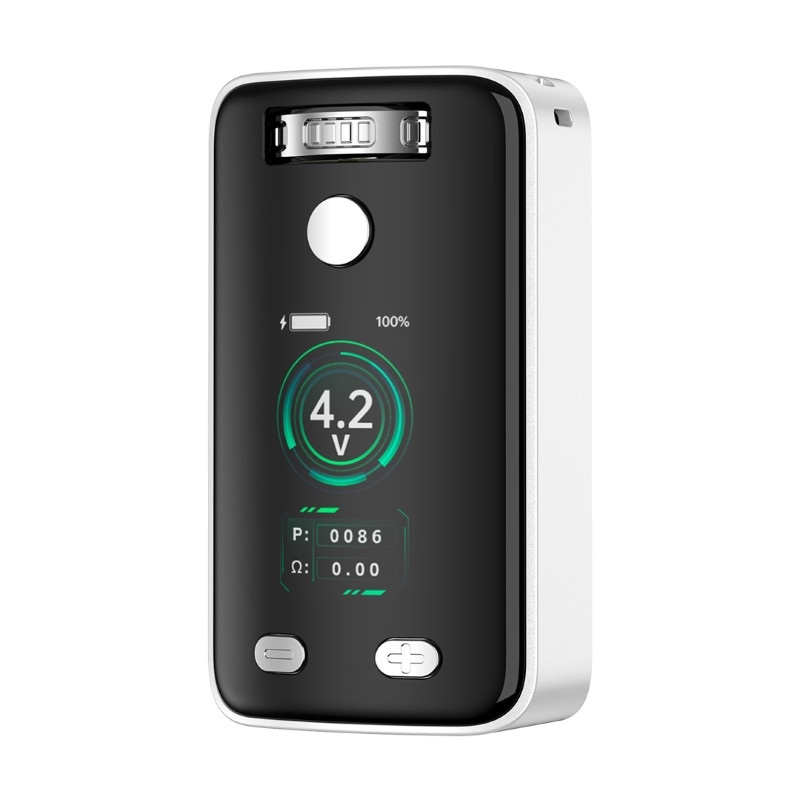
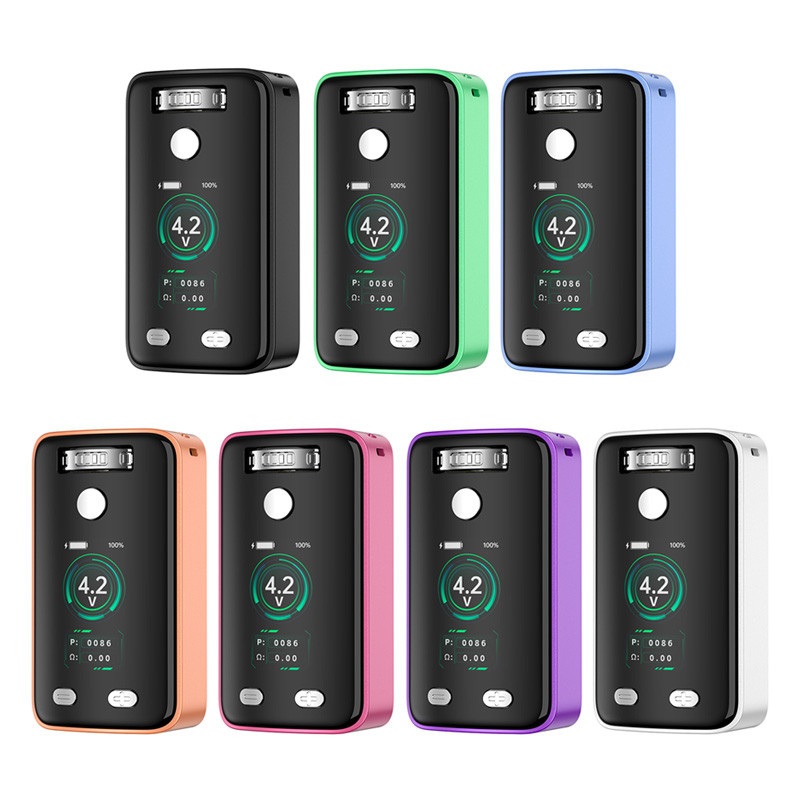
An adult considering equipment through Vape Sourcing should first check local age restrictions and rules for possession, use and travel. Device categories can vary in power, controls and maintenance. A simple model may suit someone who wants fewer settings, while a more adjustable device demands a stronger understanding of compatible parts. The buyer should never assume that a component fits because it looks similar.
Instructions matter from the first use. The correct coil or pod, suitable liquid and recommended power range protect against avoidable problems. A burnt taste, leaking device or unusual heat is a reason to stop and inspect the setup. Repeatedly operating a device that behaves abnormally can worsen damage.
Battery Care Cannot Be Casual
Batteries should be charged with equipment approved for the device and on a stable surface away from heat, water and flammable clutter. A charging device should not be covered by bedding or left where a child or pet can reach it. Damaged wraps, dents, swelling or unusual heat require immediate attention according to the manufacturer’s guidance. Loose removable batteries should never share a pocket or bag with keys or coins.
A shopper using Vape Sourcing can verify whether a device has an integrated battery or uses removable cells, then choose the correct care routine. Product placement is useful here because the purchase includes more than the device. Suitable charging equipment, protective cases and compatible replacements can be part of responsible ownership when the instructions call for them.
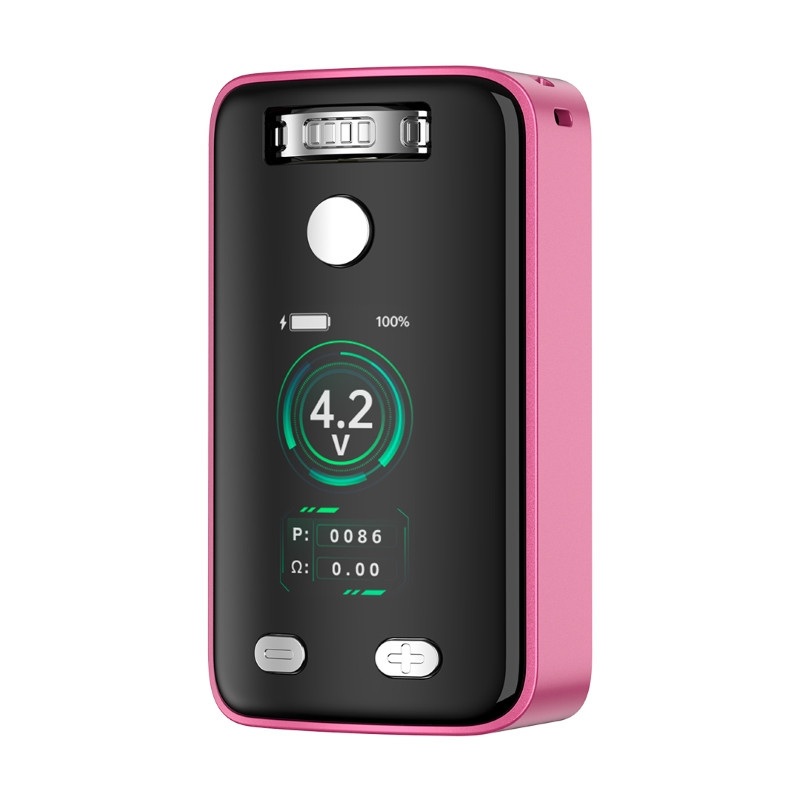
Extreme temperatures can affect batteries and liquids. A device should not remain in a hot car or exposed to freezing conditions. If it has been exposed, the user should allow it to return to a safe condition and inspect it before operation. Guessing is not a battery management strategy.
E-liquid handling also needs control. Containers should remain closed, labelled and away from food, medicine, children and pets. Skin contact or accidental swallowing requires prompt action according to the label and appropriate medical or poison guidance. A user should clean spills with care and avoid transferring liquid into an unmarked bottle. Flavor names can make a product sound harmless, but the contents still demand adult storage and responsible disposal.
Travel Requires Separate Decisions
Airlines, airports, trains, hotels and destinations can all have different rules. The adult traveler must check them before packing. Batteries may need to remain in cabin baggage, while liquids can be subject to container limits and leakage concerns. A device should be switched off or locked and stored so it cannot activate. Tanks may leak when pressure changes, so suitable protection is important.
An item ordered from Vape Sourcing should be understood before it becomes part of a trip. The traveler needs time to test for leaks, learn the lock function and confirm that all parts are compatible. Carrying an unfamiliar device as a backup can create more confusion than reassurance. A simple known setup is easier to manage in public spaces where use may be restricted.
Courtesy matters alongside law. Vapor should not be used around children, unwilling adults or in spaces where smoking and vaping are prohibited. A private room may also have rules that protect alarms, furnishings and other guests. Responsible behavior includes accepting that many occasions are not suitable for use.
A Safety Check Before Use
- The device, battery, coil and liquid should be confirmed as compatible before assembly.
- Charging should use suitable equipment on a clear stable surface.
- Damaged batteries or unusually hot devices should be removed from use safely.
- Travel and public use should follow every applicable local rule.
- Liquids and equipment should remain secured away from children and pets.
The checklist is intentionally plain because safe handling should not depend on memory during a busy morning or journey. Vape Sourcing may provide an adult user with equipment or replacement parts, but the owner remains responsible for reading instructions and checking compatibility. A purchase should be delayed when essential information is missing.
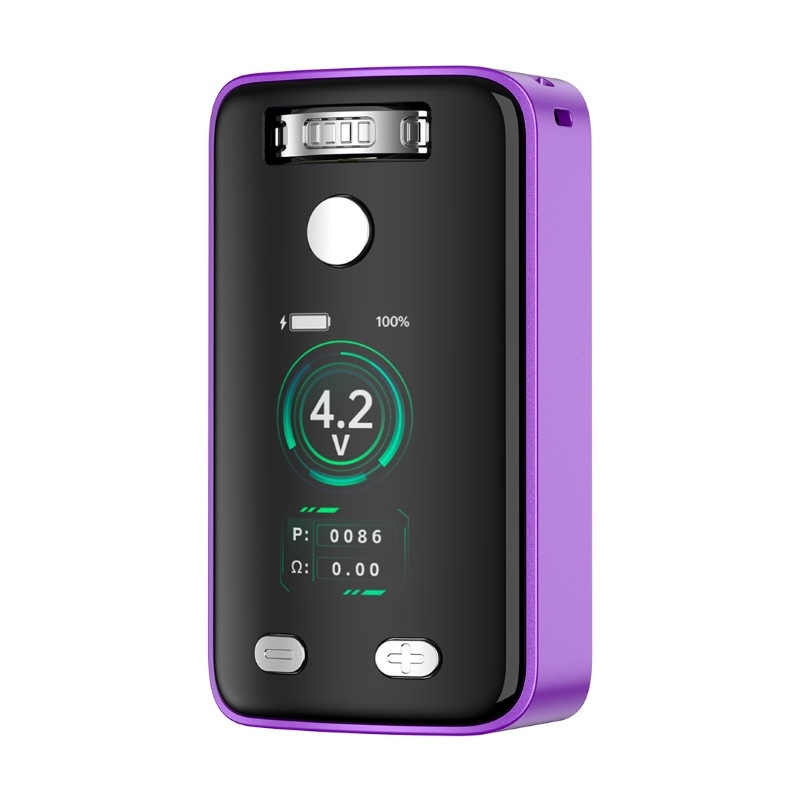
Device care works through routine rather than confidence. The adult user should inspect parts, clean as directed and replace worn components before they fail. Any health concern linked to vaping deserves qualified medical advice. Responsible ownership also leaves room for cessation support when the person decides that reducing or ending use is the better step.
Disposal should follow local guidance and the manufacturer’s instructions. Batteries, electronic parts and nicotine liquid should not be placed where children, pets or waste workers can encounter them. A leaking or damaged component may need special handling. The adult user should keep it isolated safely while seeking advice rather than carrying it loose to a shop.