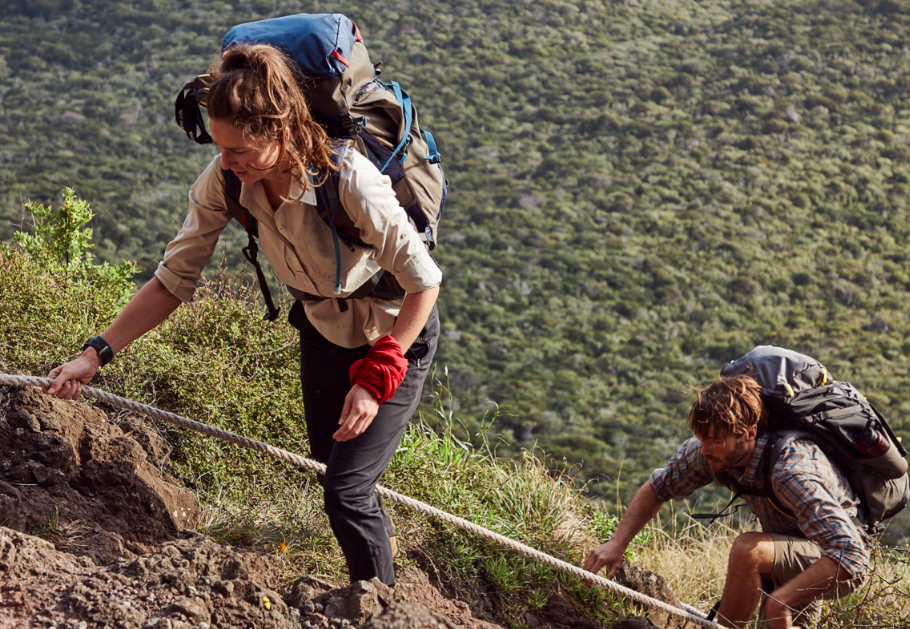
Quality Equipment for Hiking and Mountain Activities
Mountain hiking and climbing require specialized equipment designed for technical terrain, altitude, and rapidly changing conditions. Learn about altitude-specific gear, technical equipment, and safety essentials for safe and comfortable alpine adventures.
Mountains and high-elevation terrain demand respect and preparation. The stakes are higher at altitude, where weather changes rapidly, physical exertion increases and mistakes become more consequential. Quality mountain equipment specifically designed for hiking and technical activities isn’t a luxury; it’s essential for safety, comfort and sustainable enjoyment of alpine environments.
Boots Built for Mountain Terrain
Mountain hiking introduces technical challenges that regular trail shoes cannot handle. Uneven terrain, steep descents, loose rocks and variable surfaces test footwear in ways gentle forest paths do not. Mountain-specific boots feature reinforced ankle support, aggressive tread patterns and protective toe caps that prevent injuries.
Stiff soles provide support for extended traverses across rocky slopes. Flexible shoes work fine on gentle trails but cause foot fatigue on technical terrain. Quality mountain boots may feel stiffer initially but reward users with reduced fatigue on demanding days.
Fit becomes even more critical for mountain pursuits. Poorly fitting boots cause blisters that become serious complications at altitude, far from trailheads and rescue access. Professional boot fitting ensures optimal support and comfort.
Specialized Clothing for Altitude and Exposure
Temperature drops approximately three degrees Fahrenheit for every thousand feet of elevation gain. At high altitudes, exposed ridges create wind-chill conditions that demand specialized protection. Mountain-specific layering differs from lowland hiking, emphasizing wind and weather resistance.
Merino wool base layers excel at altitude because they manage moisture while retaining insulation even when damp. Synthetic mid-layers provide reliable insulation. Heavy-duty outer shells protect against intense wind and precipitation. Quality materials prevent the hypothermia risk that emerges when clothing fails in alpine conditions.
Proper headgear and gloves protect extremities that lose heat rapidly at altitude. Hand and foot protection becomes critical safety equipment, not optional accessories. Gaiters prevent snow and debris from entering boots on high alpine adventures.
Mountain-Ready Backpacks and Load Distribution
Carrying weight on technical mountain terrain requires specialized pack features specifically engineered into premium mountain equipment. A good mountain pack positions weight closer to your torso, lowering your center of gravity and improving balance on uneven ground. Padded hip belts transfer weight to your hips, reducing shoulder strain.
Moderate-sized packs keep you nimble on exposed ridges where weight and balance affect safety. A 30-35 liter pack handles most mountain day trips and overnight expeditions. Compression straps prevent load shifting as you navigate rock scrambles and steep sections.
Attachment systems for ice axes, crampons and trekking poles let you secure gear accessibly while keeping your hands free for technical sections. Quality construction withstands the wear and tear of rubbing against rock and ice.
Technical Navigation at Altitude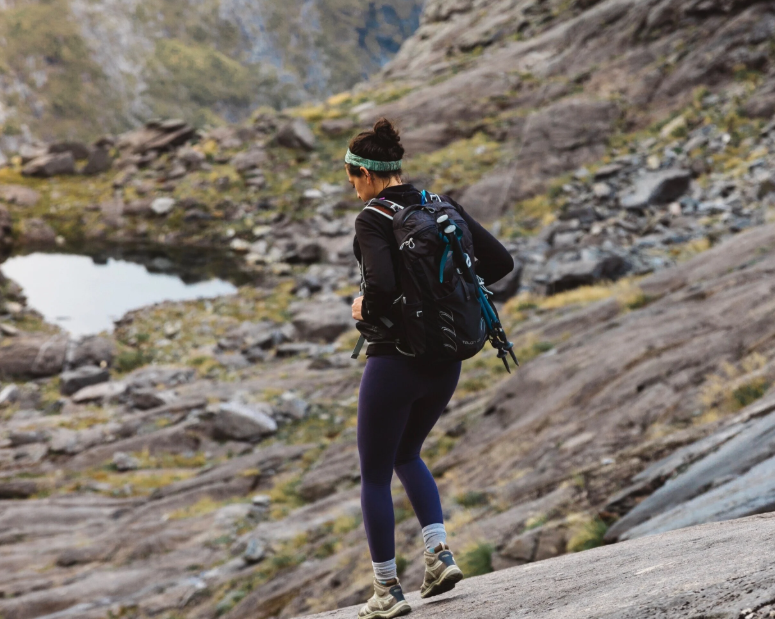
Mountain navigation requires more sophistication than lowland trail hiking. Trails disappear above timberline and terrain complexity increases dramatically. Paper topographic maps combined with compass skills remain essential even for GPS users; electronic devices fail or run out of battery in critical moments.
Altimeters help confirm position by using elevation data. Many modern watches include barometric altimeters that work without cellular coverage. Knowing your precise elevation provides critical confirmation when visibility deteriorates.
GPS devices with detailed topographic maps provide security and confidence. However, develop traditional navigation skills as backup. Weather and technical difficulty often mean you’ll navigate with map and compass while cloud cover obscures landmarks. White Mountain LLC
Safety Equipment for Mountain Conditions
Mountains create distinct hazards absent from lowland hiking. Altitude sickness, exposure, rapid weather changes and technical terrain demand specific safety preparations. Quality sunscreen with high SPF prevents serious sunburn that worsens at altitude where UV intensity increases dramatically.
Emergency communication devices become critical at altitude. Satellite communicators and personal locator beacons provide contact options when cellular service fails. Many experienced mountaineers never venture high without these devices in their mountain equipment collection.
First aid kits should include supplies for specific mountain injuries blister treatment, pain management and supplies for treating exposure symptoms. Trekking poles reduce leg strain and protect knees on steep descents, common injury vectors on mountain expeditions.
Shelter and Sleep Systems for High Altitude
Four-season tents designed for alpine conditions handle extreme weather and heavy snow loads. Three-season tents prove insufficient in mountain weather that can transition from pleasant to dangerous within hours. Quality mountaineering tents feature reinforced frames and tent-on-pole designs that shed wind efficiently.
High-altitude sleeping bags rated for actual conditions (not marketing claims) prevent dangerous nighttime hypothermia. The difference between a 20-degree and a zero-degree bag becomes critical at 10,000 feet where temperatures plummet after sunset.
Sleeping pads provide essential insulation from frozen ground. Many mountaineers carry high-quality insulated pads specifically for alpine expeditions. Ground temperature, not air temperature, determines heat loss during sleep.
When Terrain Demands Specialized Gear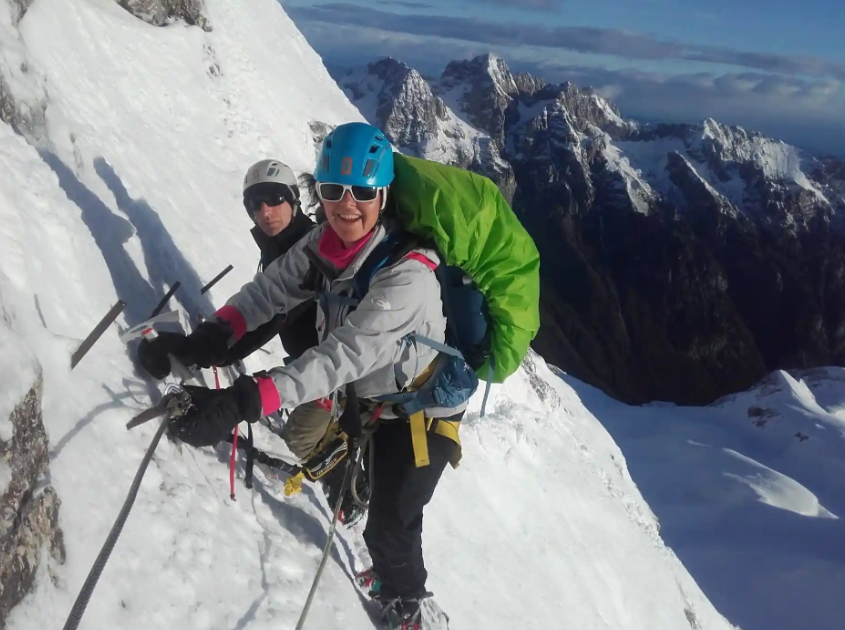
Technical mountaineering introduces equipment beyond basic hiking harnesses, ropes, carabiners and belay devices keep you safe on steep rock and ice. Crampons provide traction on frozen slopes; ice axes balance you on steep terrain and provide self-arrest capability if you slip.
Learning to use technical equipment safely requires professional instruction. Many mountaineers take courses before tackling higher peaks or technical terrain. The investment in proper training and equipment pays dividends in safety and capability.
When you outfit your mountain adventures with quality mountain equipment from White Mountain LLC, you’re choosing products tested in real alpine conditions. White Mountain LLC understands the specific demands of mountain terrain.
Every mountaineer develops personal preferences for equipment, but starting with proven fundamentals ensures safer adventures. White Mountain LLC guides you toward reliable options that won’t fail when conditions get serious. Invest in quality equipment built for mountains and you’ll enjoy decades of alpine adventures.
- Choose boots with ankle support and aggressive tread designed specifically for mountain terrain.
- Use merino wool and synthetic layering systems that provide insulation even in wet conditions.
- Select mountain-specific backpacks with excellent load distribution and technical attachment systems.
- Develop strong map and compass skills as backup for GPS navigation.
- Invest in proper safety equipment including communication devices, sun protection and emergency supplies appropriate for high altitude.
Mountains reward proper preparation and punish inadequate equipment selection. White Mountain LLC provides the quality foundation that transforms mountain activities from uncertain adventures into confident pursuits. With proper equipment and knowledge, mountains offer some of life’s most rewarding experiences.