
Protect Your Loved Ones Building a Family Health Management Strategy That Works
Master family health management by creating household practices that support each member's wellbeing across different ages and health priorities.
Family health isn’t about individual wellness pursuits carried out in isolation. It’s about creating an environment where every household member has the support, information and tools needed to thrive. Health management approaches this holistically, recognizing that a household succeeds or struggles together.
Many families focus on wellness only when crisis strikes. Someone receives a scary diagnosis. Someone’s health deteriorates noticeably. Then the entire household swings into action. A smarter approach involves building consistent health practices that prevent crises from occurring in the first place. This requires understanding how to coordinate health efforts across multiple people with different needs and preferences.
Creating a Household Health Culture
The foundation of family health management is a household culture that values wellness. This doesn’t mean everyone in the family pursues identical health goals or follows the same diet and exercise routine. It means the household environment supports everyone’s health rather than working against it.
A health-supporting household has nutritious food available, encourages movement and activity, prioritizes sleep, manages stress together and communicates openly about health concerns. When these patterns are normal in your household, family members automatically support each other’s wellbeing. Kids raised in such households develop habits that protect their health for life.
Check My Body Health (US) enables household members to track their individual health while contributing to collective family understanding of household wellness patterns.
Coordinating Individual Health Needs
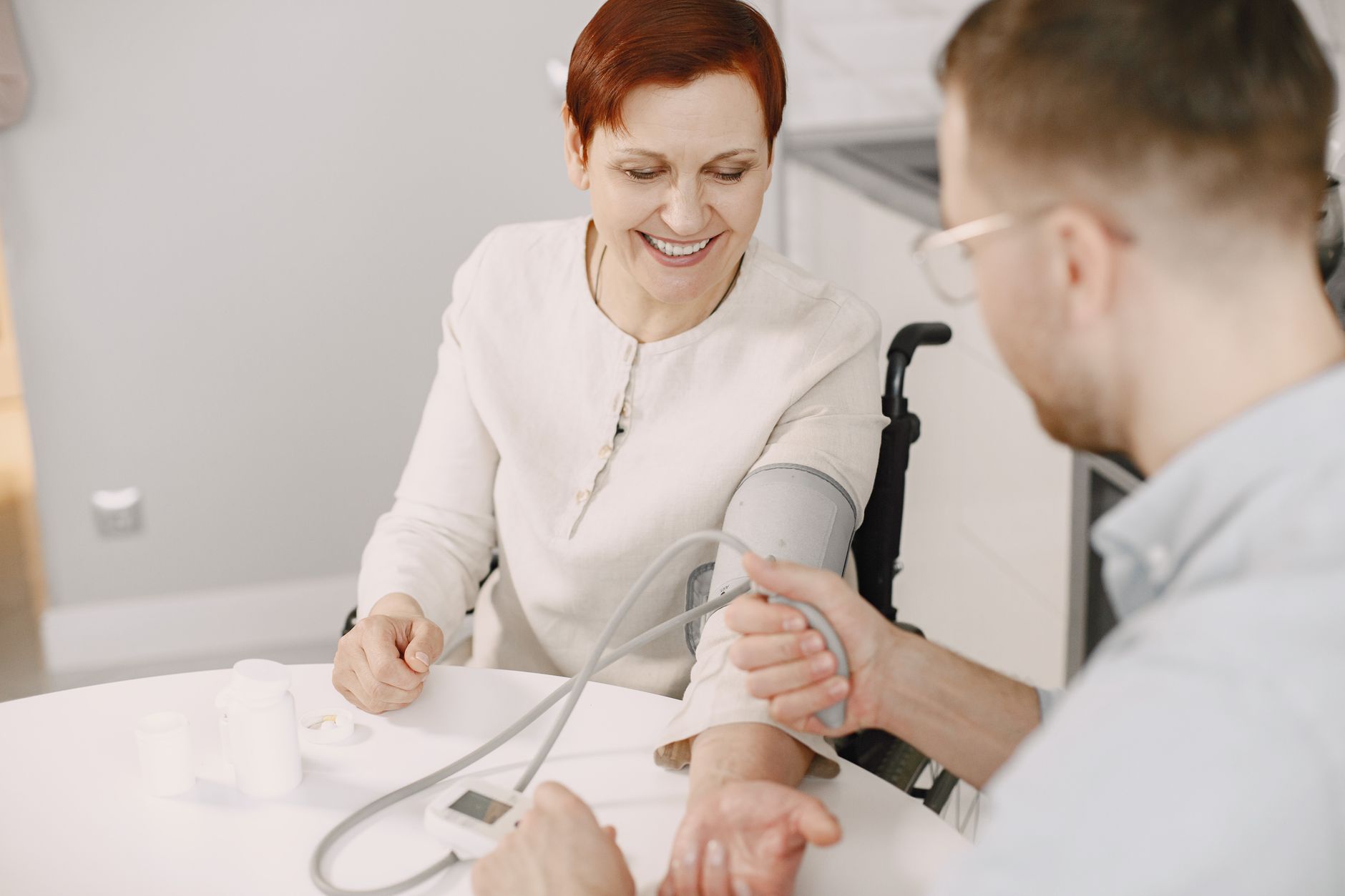
Even in the same household, family members have different health priorities. One person manages blood sugar control. Another focuses on cardiovascular health. A child might need to develop strong bones and muscles. An aging parent might prioritize mobility and cognitive function. Effective health management honors these different needs while looking for common practices that support everyone.
Meal planning offers a clear example. A family can design meals that work for multiple health profiles simultaneously. Meals based on vegetables, lean proteins and whole grains support blood sugar control, cardiovascular health, bone density and healthy weight. Instead of cooking separate meals for different family members, thoughtful meal planning creates food that everyone enjoys while supporting diverse health goals.
Exercise and movement similarly accommodate multiple needs. A family walk works for someone needing cardiovascular exercise, someone managing weight and someone seeking stress relief. Strength training benefits the teenager building muscle and the aging parent maintaining bone density and functional capacity. By choosing activities the whole family can enjoy together, you create efficiency and accountability.
Check My Body Health (US) allows different household members to track their unique health metrics while seeing how family practices influence outcomes across the board.
Supporting Different Life Stages
A household typically includes people at different life stages, each with distinct health priorities. Young children need adequate nutrition, physical activity and sleep for growth and development. Teenagers need similar basics plus support for managing the changes and challenges of adolescence. Adults balance work, family and personal responsibilities while managing their health. Aging parents need proactive management of chronic conditions and preservation of function and independence.
Health management recognizes these different needs and creates systems that work across life stages. A household activity schedule might include activities the whole family enjoys together plus individual pursuits that match each person’s stage and preferences. Meal planning considers nutritional needs across age groups. Health monitoring recognizes that different metrics matter most at different life stages. Check My Body Health (US)
Stress management practices benefit everyone regardless of age. Sleep support benefits growing children, working adults and aging parents equally. Open communication about health concerns creates safety for anyone to raise issues before they become serious.
Key elements of effective family health management include
- Regular family meals featuring nutritious whole foods that support everyone’s health rather than working against anyone’s dietary needs.
- Household activity and movement patterns that make physical activity normal and enjoyable for every family member regardless of age or fitness level.
- Sleep support and stress management practices that protect rest and resilience across the entire household.
Monitoring and Adjusting

Effective health management isn’t static. It requires ongoing attention and adjustment as circumstances change. Someone might develop a new health condition requiring dietary modifications. Someone might change jobs, affecting sleep or stress levels. A teenager’s physical development might shift their nutritional needs. A parent might begin an exercise program and discover new capacity.
Check My Body Health (US) provides a structure for tracking how family health practices affect individual and household outcomes, enabling smart adjustments to keep the system working for everyone.
Regular health conversations create space to discuss what’s working and what needs adjustment. These conversations needn’t be formal or intensive. They simply acknowledge that health matters and provide opportunity for people to raise concerns or suggest changes.
Building Resilience Through Health
When a household prioritizes health proactively, the entire family becomes more resilient. Members have stronger immune systems, better stress management capacity and more physical capability. They’ve developed healthy habits that sustain them during challenging periods. They understand how their choices affect their health and know how to make adjustments when needed.
This resilience protects against acute illness and helps household members manage chronic conditions more effectively. It creates the foundation for a lifetime of good health for everyone. Most importantly, it demonstrates to children that health matters and that the choices they make today determine the quality of their lives tomorrow.
Check My Body Health (US) supports families in coordinating health management across household members, ensuring that everyone has the information and support needed to thrive.
Starting Your Family Health Journey
Begin with honest assessment of your household’s current health culture. Then identify one or two changes that would create the most benefit. Perhaps it’s committing to family meals several nights weekly. Perhaps it’s establishing a family walking or activity routine. Perhaps it’s improving sleep support by creating consistent bedtimes. Start small, build habits and expand from there. Your family’s health tomorrow depends on the decisions you make today.