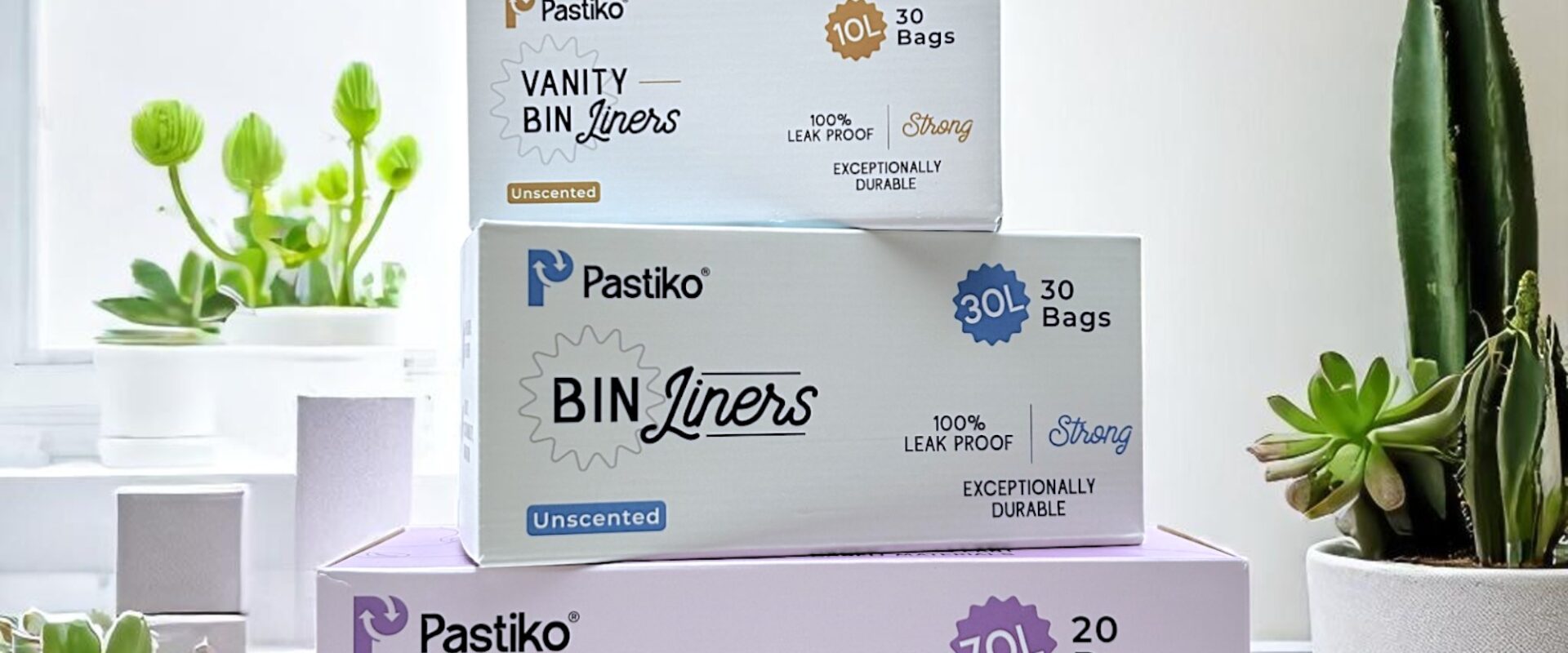
Making Eco-Friendly Living Simple How Pastiko Transforms Daily Household Practices
Discover how Pastiko compostable products make eco-friendly living practical, affordable, and genuinely superior to conventional alternatives.
Sustainability feels daunting when you consider the scale of environmental challenges facing our planet. Individual choices seem insignificant against global waste streams, carbon emissions and ecosystem degradation. Yet paradoxically, transforming our personal choices is the most direct action available to us. Pastiko eco-friendly products sustainability approach strips away the complexity by replacing conventional household essentials with sustainably designed alternatives that don’t require sacrifice or lifestyle compromise.
The Problem with Conventional Disposable Products
Traditional plastic bags and single-use household products represent a staggering environmental cost. Plastic takes hundreds of years to decompose, persists in ecosystems indefinitely, fragments into microplastics that contaminate soil and water and contributes substantially to carbon emissions through production and transportation. Most households don’t consider the lifecycle of the bag they use once and discard, the extracting, processing, manufacturing, shipping and ultimate disposal that represents an enormous environmental footprint for a few moments of utility.
When considering eco-friendly products sustainability today, we must acknowledge a simple truth these products are necessary. People need trash bags, pet waste bags and nappy liners. The question isn’t elimination but substitution, replacing products designed for convenience with ones designed for both convenience and environmental responsibility. This is where thoughtful product design becomes absolutely essential for creating real change.
Compostable Materials The Science Behind Sustainable Alternatives
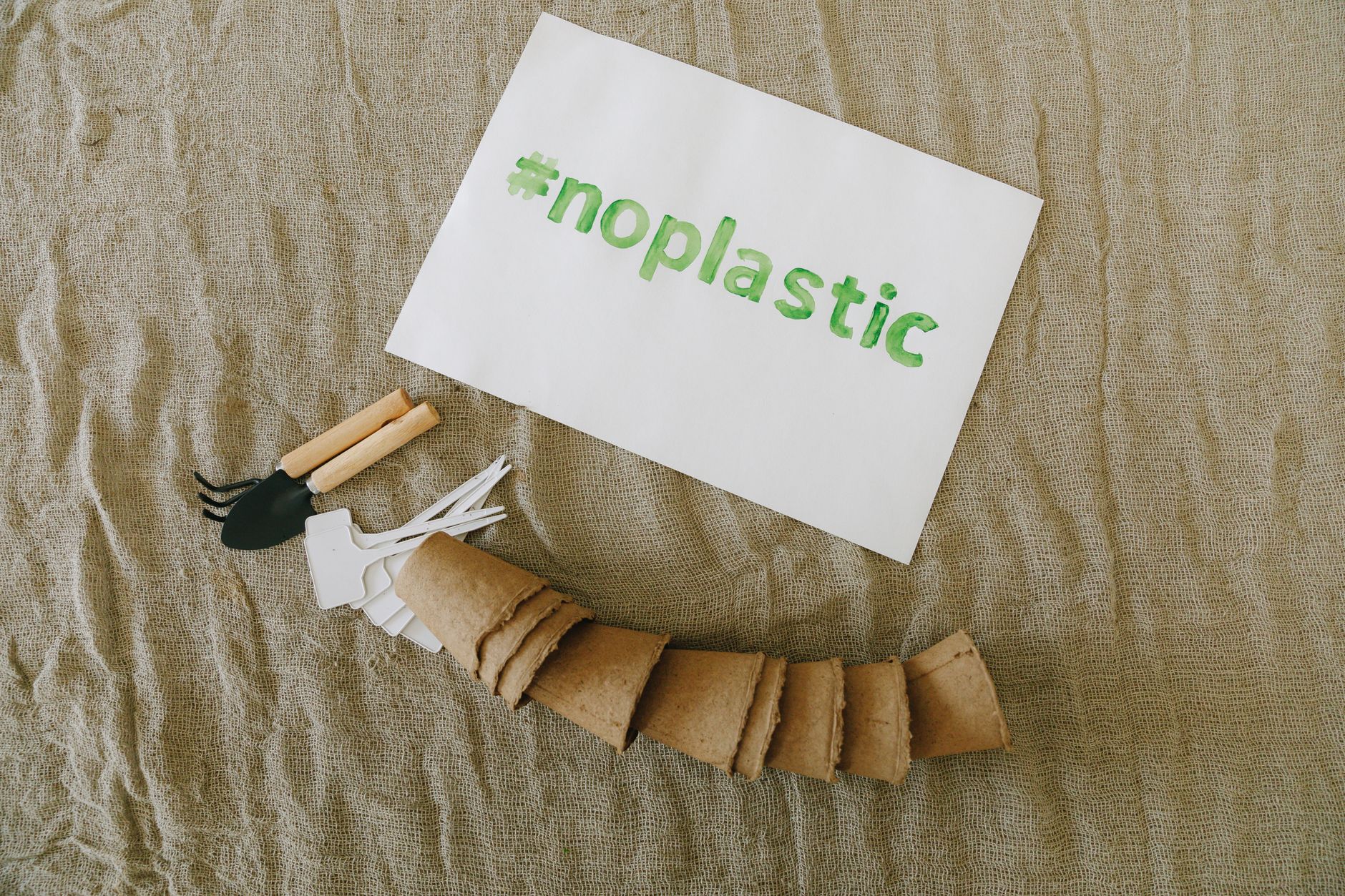
Compostable products differ fundamentally from regular plastic, which is designed for permanence. These bags are manufactured from plant-based materials certified to break down in industrial composting facilities. The science of eco-friendly products sustainability matters because not all “biodegradable” claims are equal. True compostability follows strict standards Pastiko holds TÜV Austria certification, proving their products meet rigorous European standards for compostability. Within proper composting conditions, these bags decompose into soil nutrients within months rather than persisting for centuries.
The practical implication transforms daily decisions. When conventional trash bags are used, environmental costs remain invisible, the bag disappears at the curb, impacts externalized. With eco-friendly compostable products, the full lifecycle becomes visible and intentional. That trash bag becomes compost that regenerates soil instead of a persistent environmental burden accumulating in landfills or oceans for centuries to come.
Quality Without Compromise The Practical Superiority Argument
A common misconception about eco-friendly products is that they require sacrifice. Thinner bags, weaker construction, higher costs, environmental responsibility presented as a burden. These compostable alternatives invert this narrative entirely. The bags are 20% thicker than conventional competitors. They’re genuinely leak-proof, strong enough to handle heavy loads without puncturing and unscented enough for practical use. These aren’t compromised products marketed as ethical alternatives, they’re superior products that happen to be compostable.
This distinction matters psychologically and practically. Choosing quality eco-friendly brands isn’t self-punishment or virtue signaling. It’s choosing the objectively better-performing product that also happens to be more responsible. Customers consistently report surprise at the quality bags that don’t split under weight, construction that handles sharp or heavy items without failing, reliability that makes the environmental benefit feel like a bonus rather than the sole incentive for purchase.
Subscription Systems Sustainability Built into Convenience
- Automatic delivery eliminates late-night panics when supplies run low, reducing impulse purchases of inferior products.
- Frequency customization allows households to order exactly what they need, preventing overstock waste.
- Predictable cost structures and subscription-based pricing are typically more economical than retail purchases.
- Standing orders reduce single-trip shopping, decreasing personal carbon footprint from retail visits.
- Cancellation anytime policies mean subscribers commit without lock-in anxiety or concern.
Impact Beyond Individual Choices
Personal eco-friendly product choices matter, but their significance extends beyond individual impact. Each purchase signals market demand for sustainable alternatives. Companies notice when customer preference shifts toward compostable options. Manufacturing scales up. Competition increases. Prices become accessible. What begins as individual choice eventually becomes normalized market practice. Subscribers to these services aren’t just making better personal choices, they’re participating in market transformation that makes sustainable living the default rather than the exception.
The Community Dimension of Eco-Friendly Living
Purchasing from brands like Pastiko connects households to a community of people making conscious environmental choices. The brand’s commitment to donating a portion of every sale to local charities and planting a tree for every hundred products sold means purchases directly support ecosystem restoration and community wellbeing. It’s not just buying better bags, it’s participating in charitable impact. That transforms the transaction from consumerism into contribution.
From Individual Choice to Systemic Change
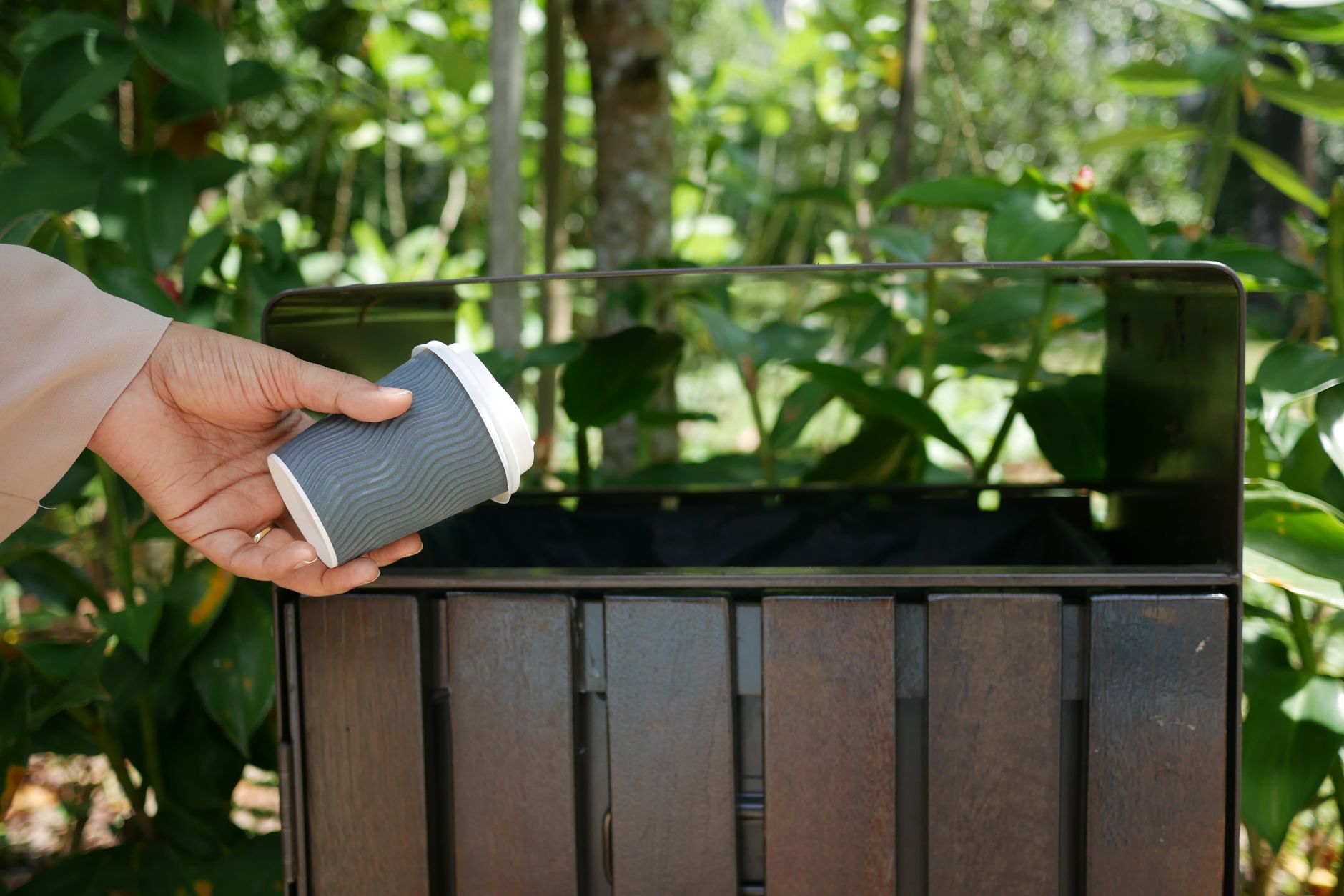
The genuine power of choosing Pastiko eco-friendly products sustainability strategy lies in their ability to make sustainability seamless. There’s no sacrifice of functionality, no dramatic spending increase, no guilt-ridden virtue signaling. One simply subscribes to superior products that happen to decompose harmlessly instead of persisting as pollution. That simplicity, that alignment between what’s best personally and what’s best for the environment, represents genuine progress in sustainable living. When personal choice and environmental responsibility align completely, the decision becomes effortless and natural.