Packing for a Yoga Retreat Without Bringing the Whole Studio
A yoga retreat bag should support repeated practice, rest and simple movement between sessions without carrying every prop from home. The most useful packing choices follow the schedule, the location and the practitioner’s established needs rather than an imagined list of every possible inconvenience. The Practice Schedule Should Shape the Bag A retreat with several […]
A yoga retreat bag should support repeated practice, rest and simple movement between sessions without carrying every prop from home. The most useful packing choices follow the schedule, the location and the practitioner’s established needs rather than an imagined list of every possible inconvenience.
The Practice Schedule Should Shape the Bag
A retreat with several active classes needs different equipment from a quiet weekend built around meditation and gentle movement. The practitioner should review the schedule, ask what the venue provides and note whether sessions take place indoors, outdoors or in both settings.
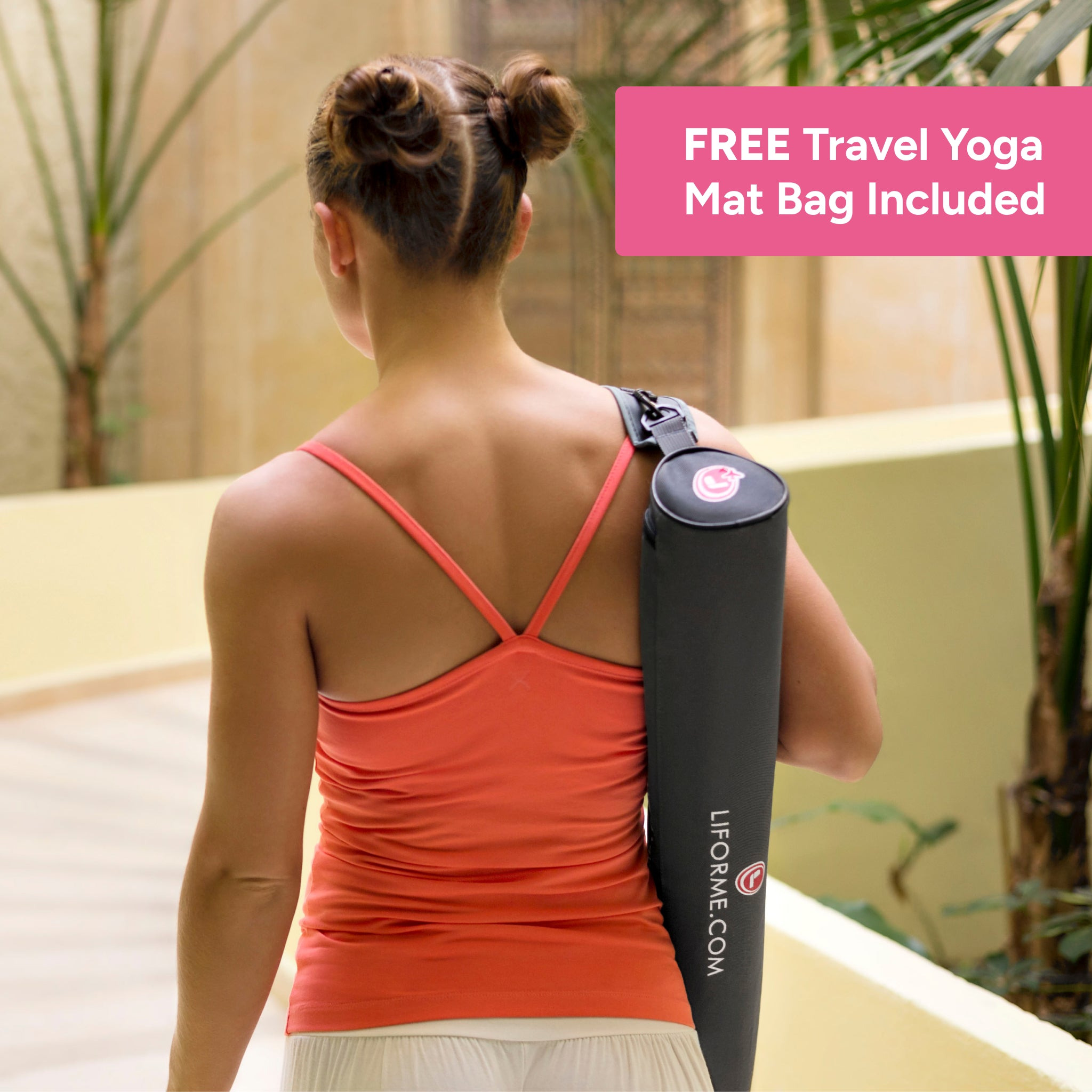
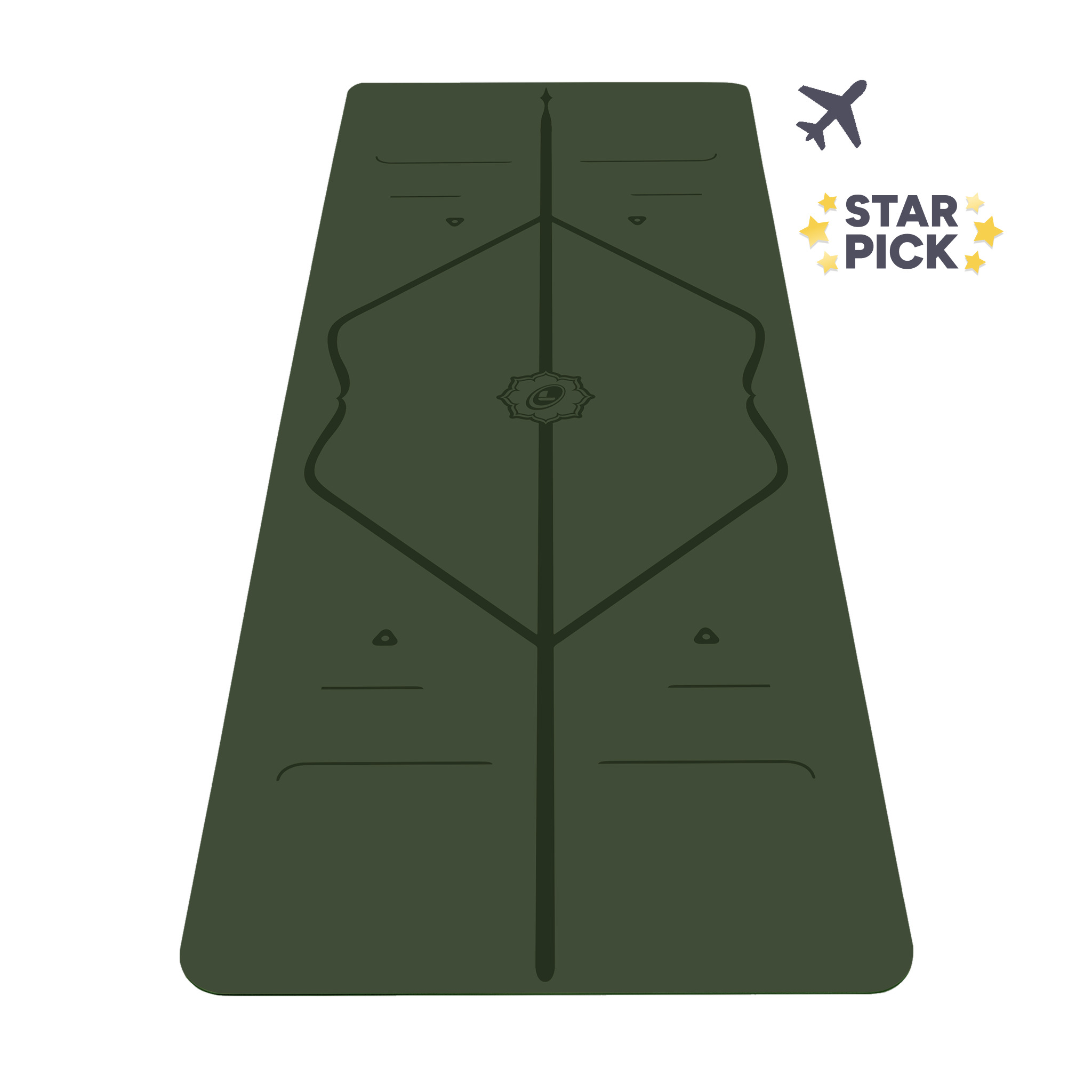
A familiar mat can improve consistency because grip, width and cushioning are already understood. A travel mat from Liforme may suit a practitioner who expects to move between rooms or carry equipment from transport to the venue. The choice should still reflect comfort needs and luggage limits.
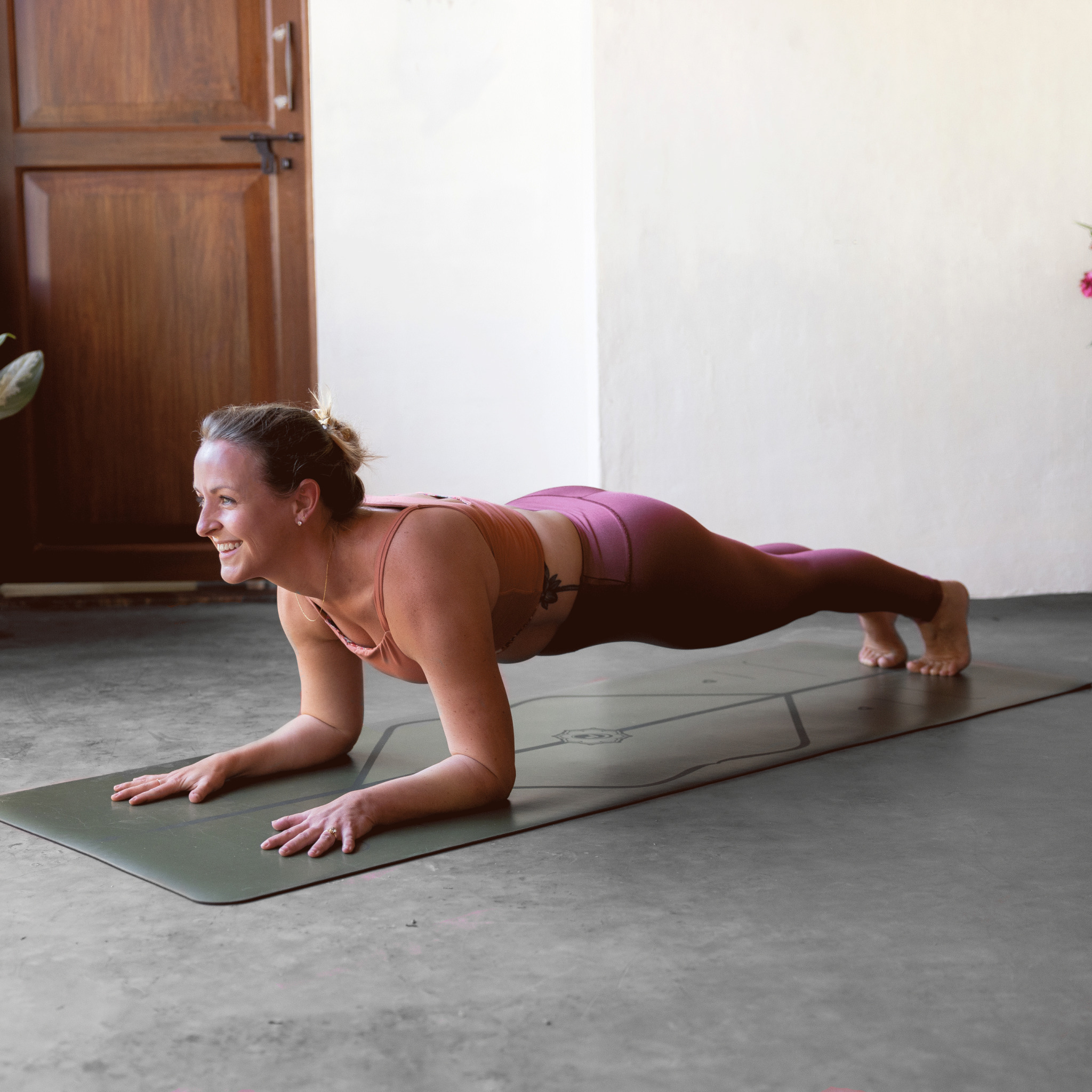
Props should be selected for actual use. A person who relies on blocks or a strap during regular practice may benefit from bringing them when the venue does not provide them. Someone who rarely uses a bolster does not need to pack one merely because a retreat feels special.
Clothing should cover the range of sessions without creating a separate outfit for every class. Quick-drying layers, warm socks and one comfortable item for rest often provide more value than extra fashion choices. Laundry options can reduce the amount required.
Luggage weight deserves an honest check before departure. A mat, bottle and several props can feel manageable at home yet become tiring during a station change or a long walk to the venue. The practitioner should carry the packed bag once and remove items that do not justify their weight.
Comfort Comes From Familiar Contact Points
Hands, knees and feet notice small differences during repeated practice. A surface that feels acceptable for one class may become distracting after several sessions. The practitioner should consider grip, cushioning and any sensitive areas before deciding what to bring.
Accessories from Liforme, such as a compact yoga pad or appropriate mat care item, can be considered when they solve a known need. A pad may provide targeted support while taking less space than a large prop. A cleaner may help when the same mat is used several times.
Comfort also depends on hydration and temperature. A refillable bottle should be easy to carry and close securely. A light layer can help during still practices or evening sessions. Outdoor classes may require sun protection and a towel that can keep dust away from the mat.
Personal care items should remain simple. A retreat is not an ideal setting for testing a new fragrance, skin product or supplement because shared rooms and unfamiliar routines can make reactions harder to manage. Familiar products reduce decisions and respect other participants.
Sleep can affect the value of every session, so one or two familiar comfort items may deserve space. An eye mask, earplugs or a light wrap can help in a shared room when they are already part of the practitioner’s routine. Large bedding should be left to the venue unless instructions say otherwise.
A Lean Retreat Packing List
A practitioner can place the essentials beside the bag before adding optional items. Choosing a mat from Liforme does not remove the need to confirm transport size, venue rules and personal comfort.
- The mat should suit the planned practice and the journey to the venue.
- One familiar support item can address a known comfort need.
- A secure water bottle should fit beside the practice equipment.
- Clothing should layer easily and dry without special care.
- A small cleaning cloth should remain separate from clean clothes.
Documents, medication and valuables should occupy their own section of the luggage. Practice equipment should not press against fragile items. A simple packing cube or drawstring bag can keep damp clothing away from the mat after a warm session.
Care Between Sessions Matters
A mat should be allowed to dry before it is rolled and stored. Leaving it damp inside a bag can create odour and affect the surface. The practitioner should follow the care directions for the specific material and avoid harsh cleaners that may damage it.
A product from Liforme should be cared for according to its instructions, especially when it is used outdoors or transported several times in one day. A soft cloth and an appropriate cleaning method are usually easier to manage than an improvised mixture made at the venue.
Shared spaces require courtesy. Mats and bags should stay within the assigned area, while bottles and towels should not block walkways. The practitioner can arrive early enough to set up without moving another person’s equipment.
Communal props should be returned to their designated place after use. The practitioner can wipe shared items when the venue requests it and avoid placing personal equipment on top of another person’s mat. These small habits keep a busy schedule orderly without making the room feel strict.
The retreat bag has done its job when the practitioner can move from travel to practice with little friction. A few familiar items support attention and comfort, while the absence of unnecessary gear leaves more room for rest and the purpose of the retreat.