Packing a Sensible Wellness Kit for a Long Trip
A travel wellness kit should make familiar routines easier without turning the suitcase into a portable cupboard. The most useful kit covers ordinary needs, respects medical guidance and keeps every product easy to identify when the traveller is tired or away from usual shops. Familiar Routines Travel Better Than Experiments A departure date is a […]
A travel wellness kit should make familiar routines easier without turning the suitcase into a portable cupboard. The most useful kit covers ordinary needs, respects medical guidance and keeps every product easy to identify when the traveller is tired or away from usual shops.
Familiar Routines Travel Better Than Experiments
A departure date is a poor moment to test a complicated supplement plan. New ingredients can cause unexpected reactions, while unfamiliar timing can be difficult to manage across meals and changing schedules. A traveller is better served by products already used comfortably and by routines that remain simple when a day begins early or ends late.
Prescription medicine should stay separate from general wellness products. It belongs in original packaging with the required documentation and enough supply for the trip. A pharmacist or clinician can advise on storage, time changes and travel restrictions. Supplements should never be treated as replacements for prescribed care.
Someone considering aloe-based products or nutritional supplements from Univera should review the label before packing, confirm that the item suits the traveller’s established routine and ask a qualified professional about possible interactions. The item can fit within the kit, but the decision still needs to be personal and informed.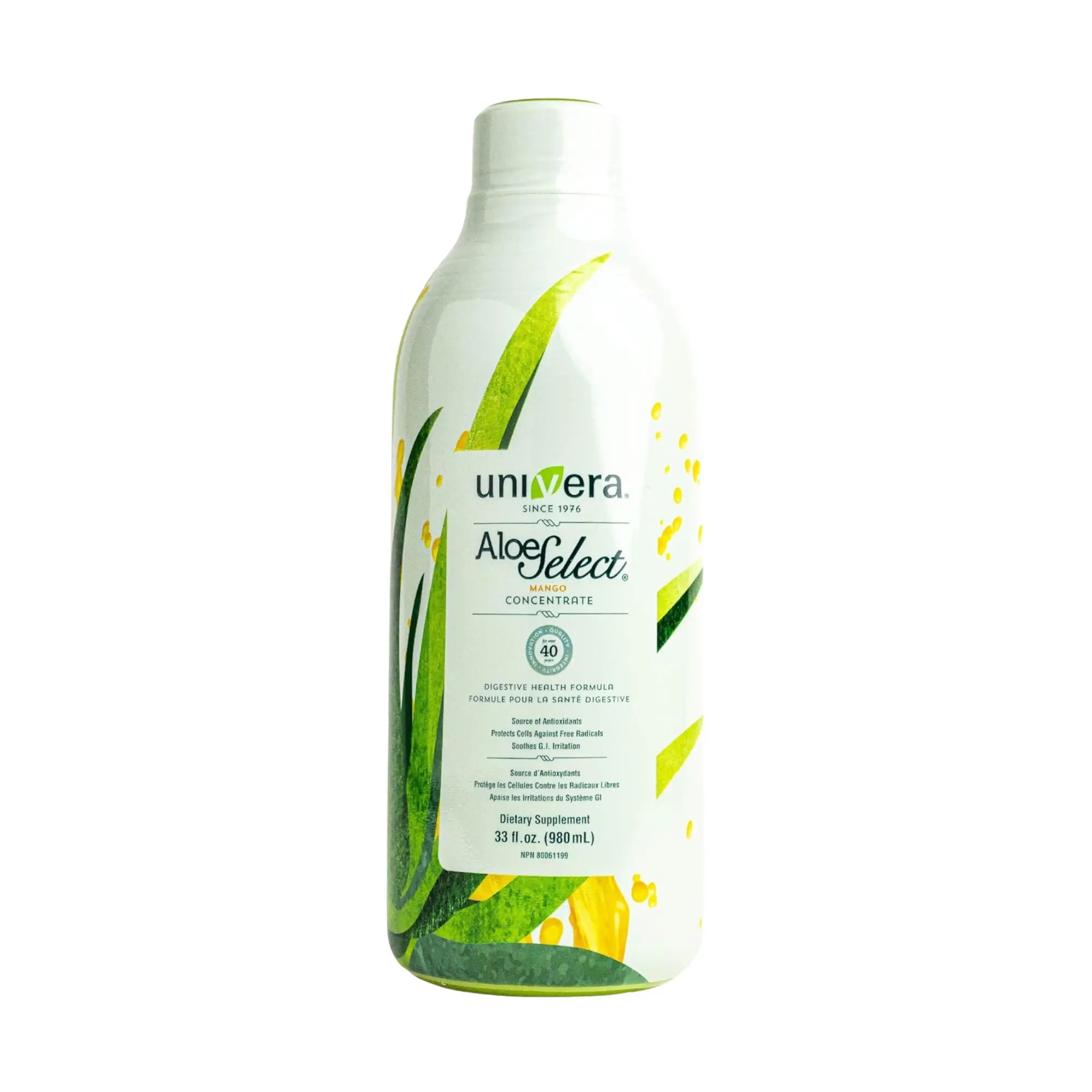
The routine should also survive without the product becoming the centre of the day. Regular meals, water, sleep and movement usually influence comfort more than an overfilled organiser. A small kit works best when it supports those basics instead of creating another schedule that must be managed.
The traveller should keep a written list of prescription names, allergies and emergency contacts in a place that can be reached without unlocking a phone. A companion may need that information when the traveller cannot explain it. The list should use clear names rather than informal descriptions that only the household understands.
What Deserves Space in the Bag
The contents should reflect the destination, the traveller’s health needs and the activities planned. A city break may require little more than medication, sun protection and a few familiar personal care items. A remote journey may justify additional first aid supplies because replacements are harder to find.
- Prescription items should remain clearly labelled and easy to reach.
- A basic first aid pouch should match the planned activities.
- Sun protection and insect protection should suit the destination.
- Any supplement should be familiar and packed with its instructions.
- A refillable bottle can make regular hydration easier during transit.
A product from Univera should earn its place by fitting an existing routine rather than by promising to solve every travel discomfort. The traveller can choose one relevant item and leave the rest at home. That approach reduces bulk and makes it easier to notice which product is being used.
Labels and Storage Matter More Away From Home
Loose capsules in an unmarked bag create avoidable confusion. Original containers provide ingredient lists, dosage instructions and identification during security checks. When a smaller organiser is necessary, the traveller should keep photographs or copies of the labels and avoid combining products that look alike.
Heat, moisture and direct sunlight can affect many items. A bathroom shelf may be convenient, but steam and temperature changes can make it a poor storage place. Products should be kept according to label directions and away from children. Anything requiring refrigeration needs a reliable plan before departure.
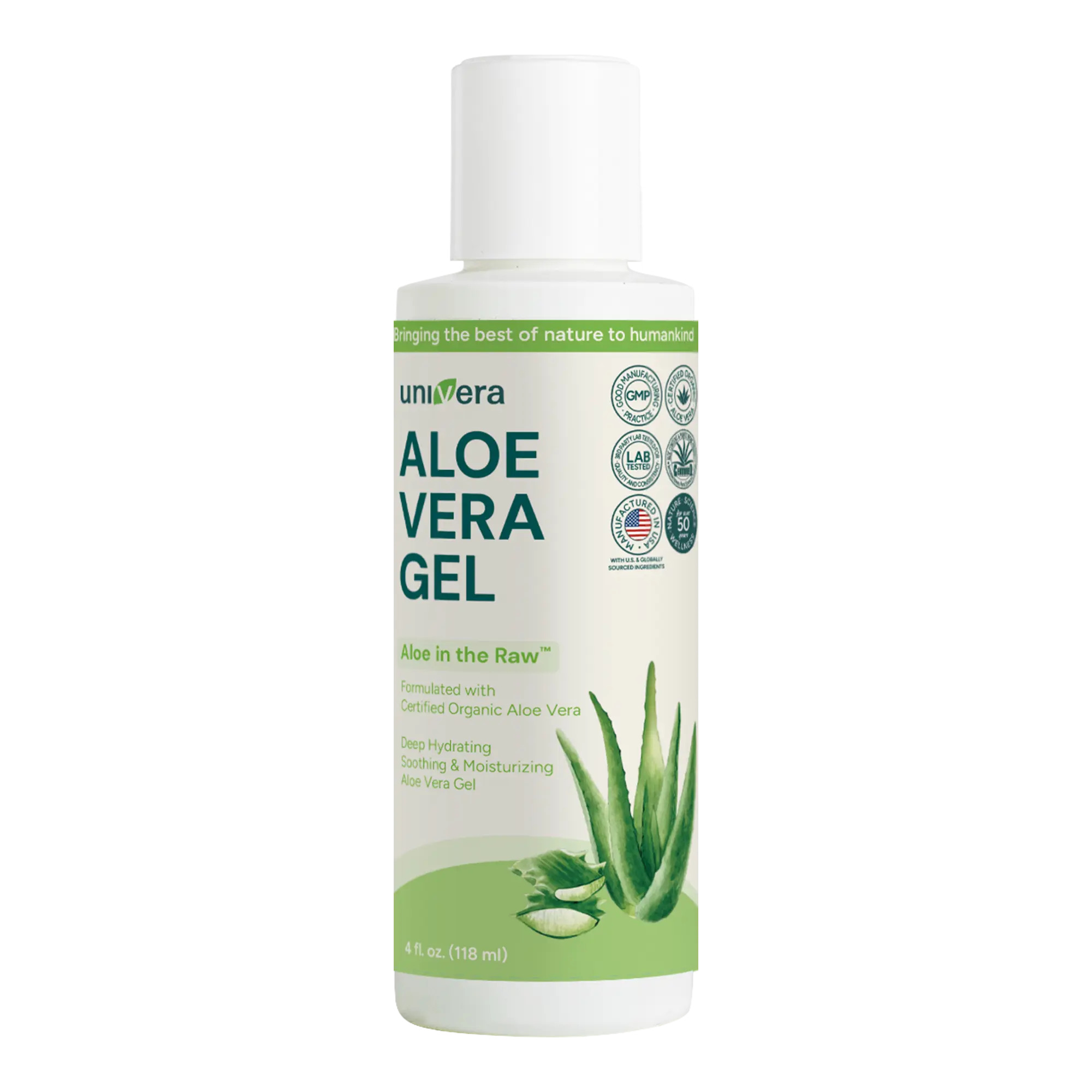
The same care applies to liquids from Univera. The traveller should confirm transport limits, seal the bottle inside a protective bag and keep the instructions with it. A small leak can damage clothing or documents, so packaging is part of the product decision rather than an afterthought.
A written list can help when several products are involved. It should record the name, purpose and normal timing of each item. That list is useful during a medical consultation and prevents the common travel mistake of taking a second dose because the first one was forgotten.
When the journey includes checked luggage, essential medicine should follow transport guidance and remain accessible rather than disappearing with a delayed suitcase. General wellness items can be divided according to necessity. The traveller should avoid carrying duplicate containers unless the backup has a clear purpose and secure storage.
The Trip Should Remain the Main Event
A wellness kit has succeeded when it stays quietly useful. It should not require constant sorting, repeated shopping or a strict routine that clashes with meals and activities. The traveller can build small anchors into the day, such as taking regular medication with breakfast or refilling water before leaving the hotel.
If a product from Univera becomes inconvenient or causes concern, the sensible response is to stop and seek appropriate advice rather than force the routine to continue. Travel changes sleep, food and activity, so a body may respond differently even to something familiar.
The return journey deserves the same organisation as the outward trip. Remaining products should be checked for damage, stored correctly and removed from temporary organisers. Expired or unidentified items should not drift back into a household cabinet.
A restrained kit protects space for the things that make the trip worthwhile. It keeps established needs covered, reduces avoidable confusion and leaves the traveller free to pay attention to the destination rather than a bag full of products.