Organising a Shared Wellness Cabinet Without Confusion
A shared wellness cabinet can become difficult to use when personal supplements, first aid items and everyday care products are mixed together. A clear system helps each household member find what is needed while reducing duplication, accidental use and forgotten containers at the back of a shelf. Separate Personal Items From Household Basics The cabinet […]
A shared wellness cabinet can become difficult to use when personal supplements, first aid items and everyday care products are mixed together. A clear system helps each household member find what is needed while reducing duplication, accidental use and forgotten containers at the back of a shelf.
Separate Personal Items From Household Basics
The cabinet should begin with zones rather than product categories. Shared basics such as bandages and a thermometer can occupy one area. Prescription medicine should have a secure personal section. Supplements and skin care products should be grouped by the person who uses them when ingredients or instructions differ.
Clear separation matters because similar bottles can contain very different products. A visiting relative should not need to guess which container belongs to whom. Small bins with names or simple shelf labels create order without requiring an elaborate storage system.
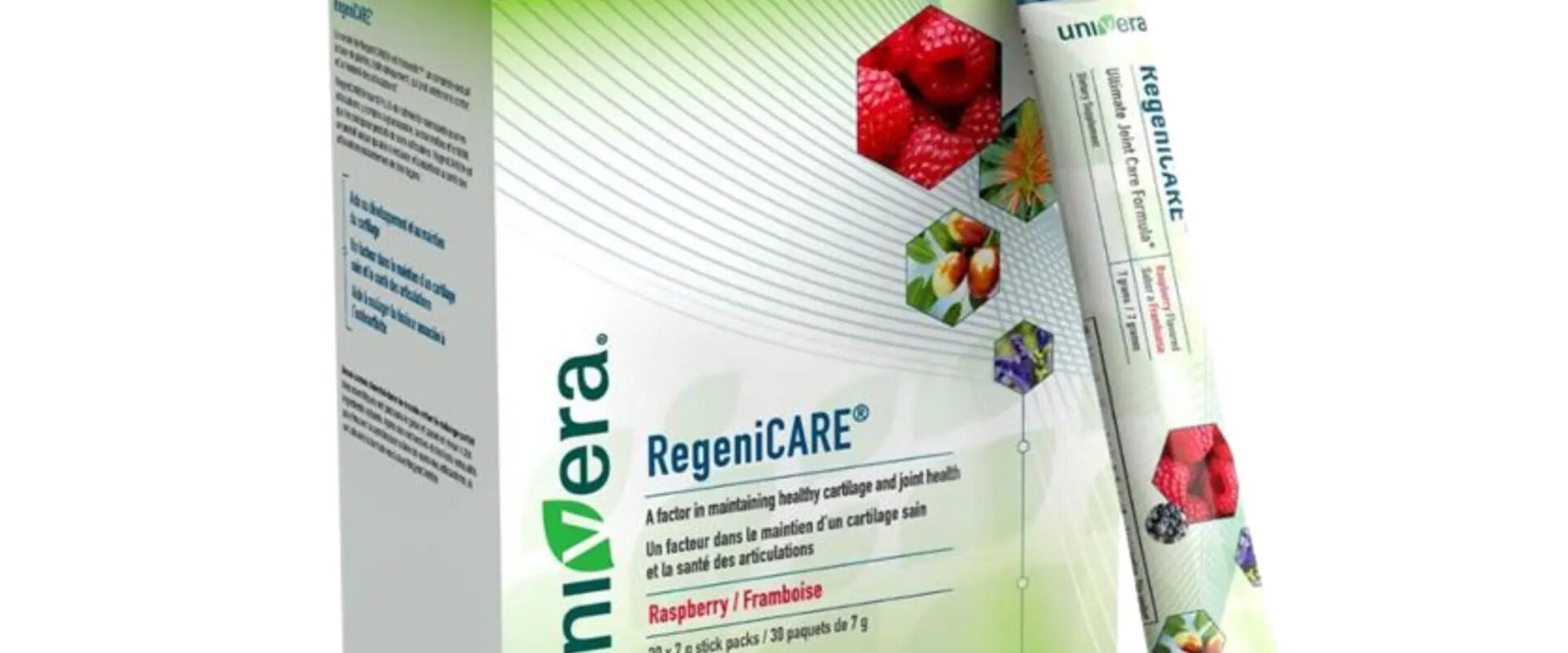
Products from Univera can sit in a clearly labelled personal section alongside their original instructions. The placement should reflect who uses the item and why it is part of that person’s routine. The front label alone is not enough information for another household member to make a safe choice.
Children and pets change the storage plan. Anything that could cause harm if swallowed or spilled should be kept securely out of reach. A high shelf may not be sufficient for an active child, so a locked container may be appropriate. Safety takes priority over visual neatness.
First aid supplies should remain distinct from routine wellness products because they answer different needs. A burn dressing, an adhesive bandage and a supplement bottle should not compete for the same small bin. Separating them helps a household respond quickly when a minor injury requires attention.
A Cabinet Map That Everyone Can Follow
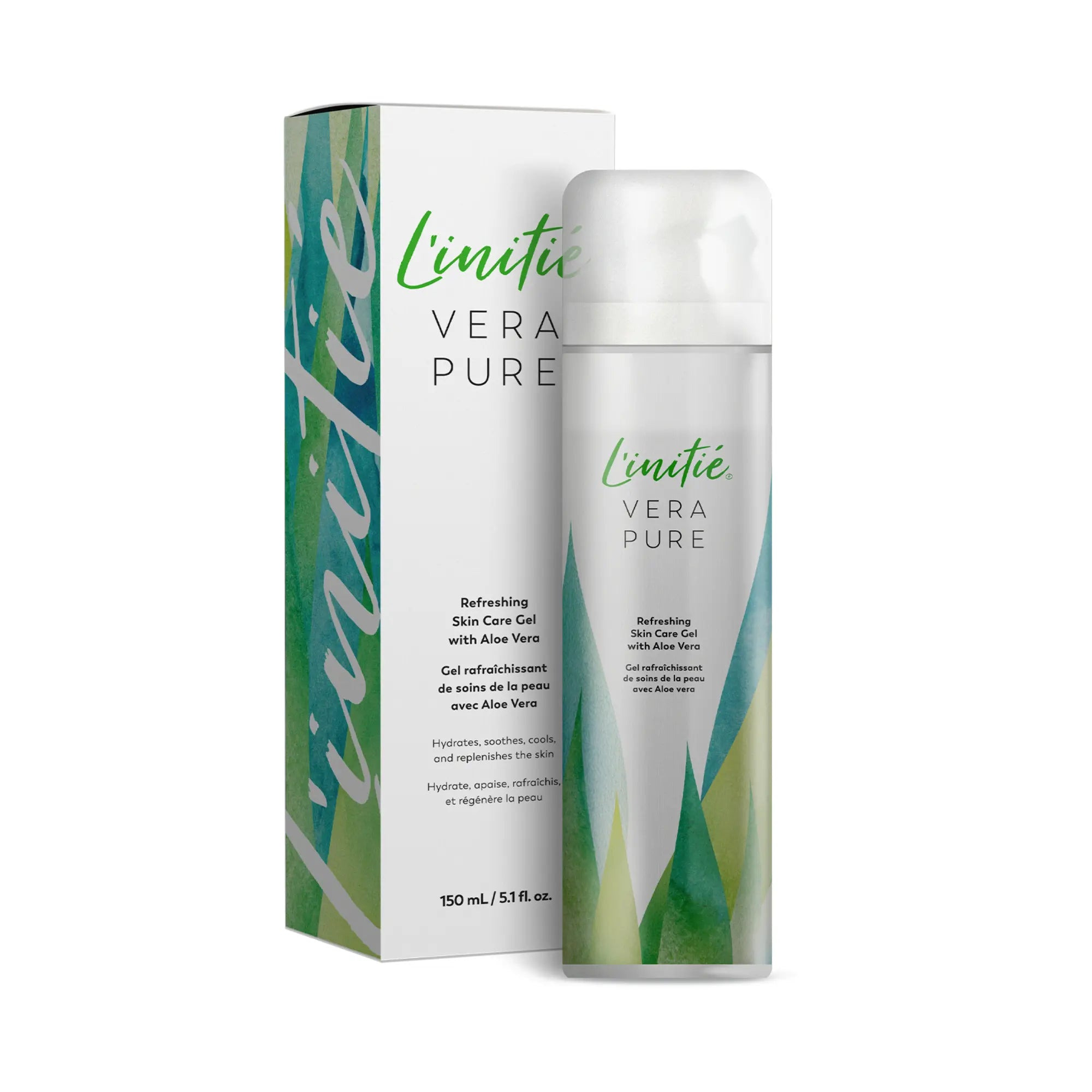
A simple cabinet map can prevent the system from collapsing after one busy week. The map does not need to look polished. It only needs to show where shared supplies, personal products and temporary items belong. A household using Univera can assign those items one defined space rather than scattering them among unrelated bottles.
- Shared first aid supplies should occupy one easy-to-reach section.
- Prescription items should remain separated and securely stored.
- Each person should have a labelled area for routine products.
- Temporary items should carry a review note so they do not become permanent clutter.
- A small reserve should be kept apart from open containers.
The map should match natural behaviour. If morning products are used near breakfast, a kitchen cabinet may be more practical than a bathroom shelf when storage instructions allow it. If a product needs to remain cool or dry, the correct environment matters more than keeping every wellness item in one place.
Labels Should Answer the Questions That Matter
A useful label identifies the owner, the purpose and any important timing. It should not replace the original label, which contains ingredients and warnings. A small removable note can add household context without covering essential information.
When several products from Univera are present, each one should remain in its own container. Combining capsules or powders removes the information needed to identify them and can lead to mistakes. The household should also avoid transferring liquids into unmarked bottles simply to make a shelf look uniform.
Opening dates can be helpful for products that have a shorter life after opening. The date should be written in a consistent format and placed where it remains visible. Expiry dates should be checked directly on the package because a handwritten note may be copied incorrectly.
A brief inventory kept on the inside of the door can reduce duplicate purchases. It can list what is open, what is in reserve and what needs professional review before replacement. The inventory should remain practical rather than becoming a detailed record that nobody maintains.
Regular Reviews Prevent Silent Clutter
The cabinet should be reviewed when a routine changes, a household member moves or a clinician adjusts care. Products that no longer belong in the active system can be removed promptly. Prescription medicine and certain other items may require a pharmacy take-back programme or another approved disposal method.
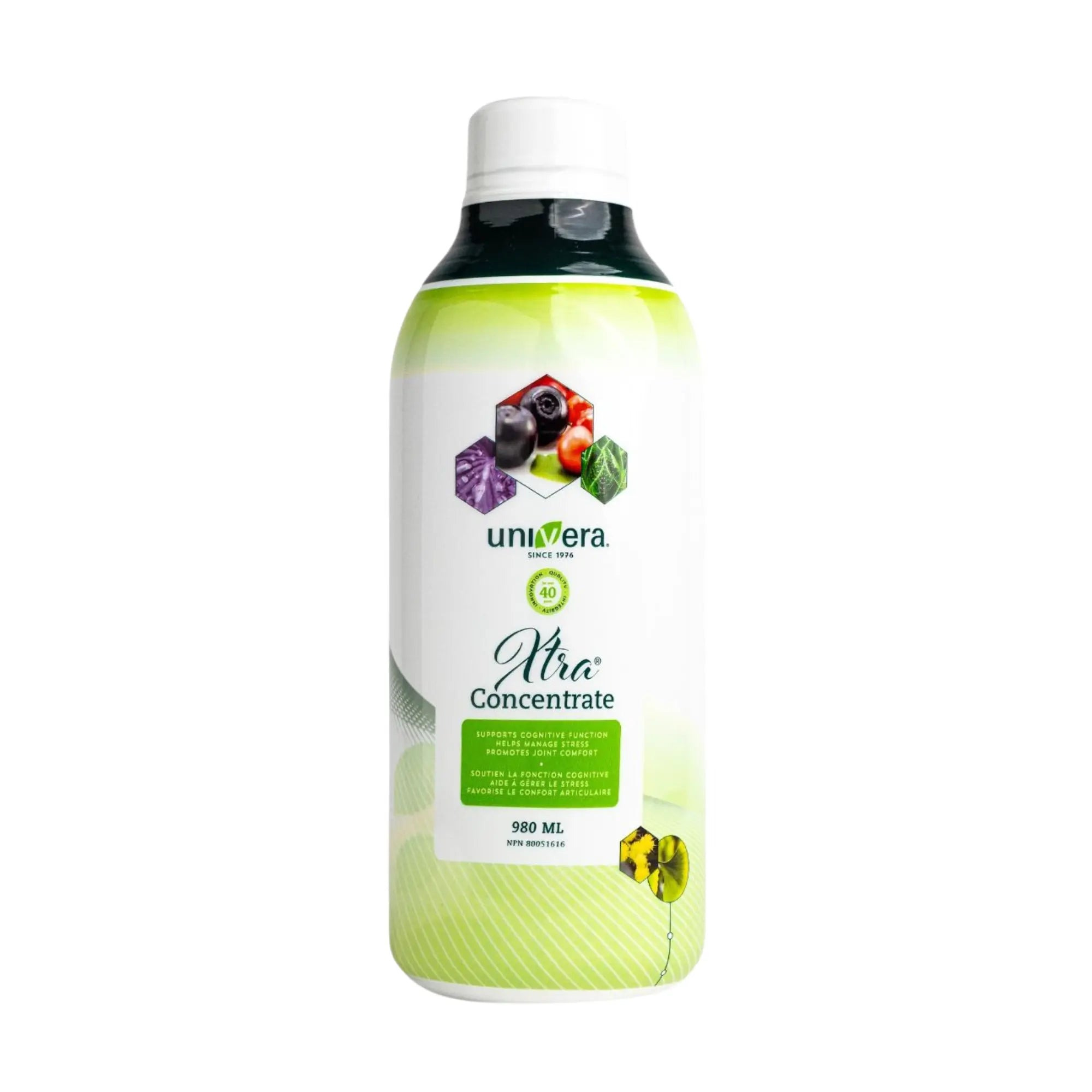
A household member reviewing Univera products should check the original instructions, the condition of the packaging and whether the item still fits the established routine. An unopened product should not stay indefinitely merely because it was purchased with good intentions.
The review also reveals gaps. Bandages may be gone, a thermometer battery may be weak or emergency contact information may be outdated. Replacing a missing basic often provides more practical value than adding another specialised item.
A new purchase should enter the cabinet only after a space and owner have been assigned. That small rule prevents samples, gifts and impulse buys from forming an unlabelled row. When an item has no clear user or purpose, the household can decide whether to return it or dispose of it correctly.
A well-run cabinet is quiet, predictable and easy to understand. It gives each product a reason to be there and each person a clear place to look. That order supports informed choices without turning ordinary household care into a complicated project.