How Tiny Land Turns Everyday Play Into Something Kids Can Actually Learn From
Children rarely announce that they are about to work on their fine motor skills. They are much more likely to say they are making dinner, building a house, climbing a mountain, or putting a doll to bed. That is exactly why play can be such a natural way to learn. Kids are busy having fun […]
Children rarely announce that they are about to work on their fine motor skills. They are much more likely to say they are making dinner, building a house, climbing a mountain, or putting a doll to bed.
That is exactly why play can be such a natural way to learn. Kids are busy having fun while quietly practicing skills they will use elsewhere.
Tiny Land seems to understand this distinction. Its toys are not designed to make every activity feel educational. Instead, many of them create opportunities for children to experiment, imagine, move and solve small problems for themselves.
Learning Can Start With a Pretend Breakfast
Watch a child play with a wooden play kitchen and there is usually much more happening than plastic vegetables being moved between cupboards.
They might decide what to cook, remember everyone’s imaginary orders and work out which utensils they need. If another child joins, suddenly there are roles to negotiate too. Who is cooking? Who is the customer? Why does a pretend sandwich apparently cost $50?
This kind of pretend play gives children room to practice communication, creativity and everyday routines without turning the experience into a lesson.
The play kitchens from Tiny Land fit naturally into that style of play. Instead of providing one fixed activity, a kitchen becomes a setting children can keep returning to with different ideas.
A wooden dollhouse can work in much the same way. Children create characters, relationships and little problems for those characters to solve. The story can change every time they sit down.

Small Challenges Can Build Useful Skills
Not every learning experience needs an elaborate setup.
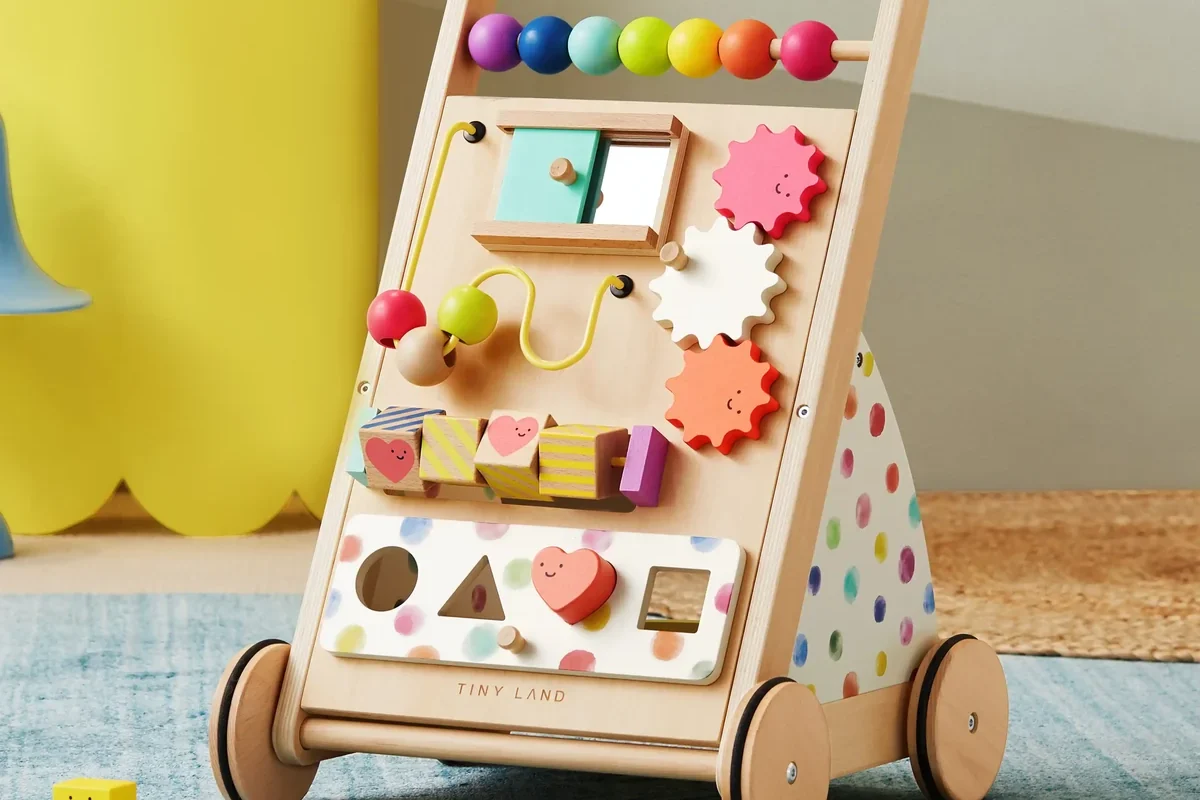
Sometimes it is simply a toddler trying to fit something into the right space, stack pieces without knocking them over or work out how an object moves.
Montessori toys and other hands-on learning toys are especially useful here because children can explore them at their own pace. There is often an obvious challenge, but the child still has to discover how to complete it.
Tiny Land includes activity toys for different developmental stages, from baby activity toys to more involved options for toddlers and older children. As kids handle pieces, sort objects and repeat movements, they can naturally practice hand-eye coordination and fine motor skills.
The repetition matters too. Adults may get bored watching the same activity for the tenth time, but children are often using those repetitions to become more confident at something they have only recently learned.
Then There Are the Lessons That Happen on the Move
Learning through play is not limited to what happens at a table.
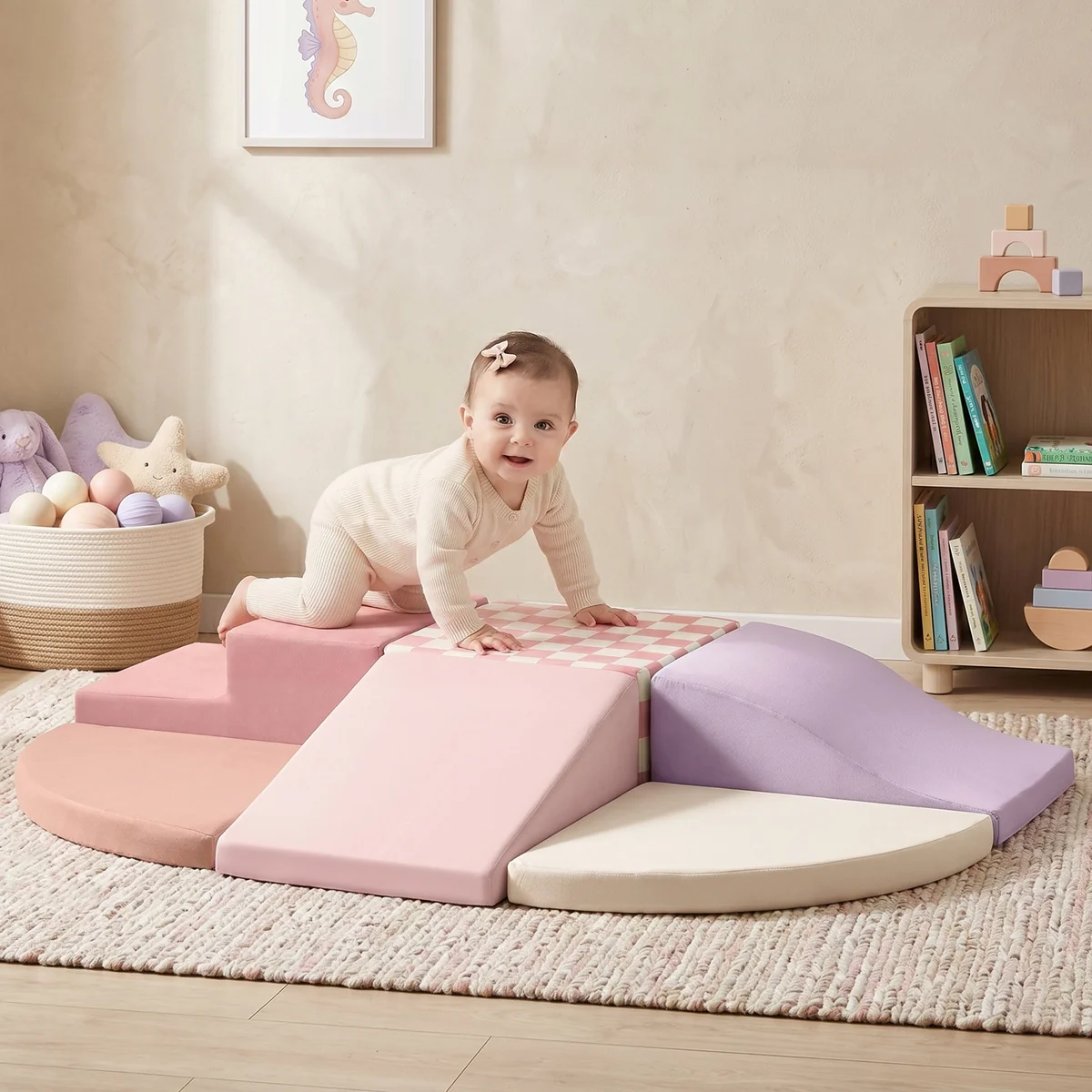
Physical challenges can teach children quite a lot about their own abilities. With indoor climbing toys, for example, they have to decide where to place a foot, how far they can reach and whether they feel confident taking the next step.
There is usually some trial and error involved.
A child might struggle with part of a climbing structure today, get halfway tomorrow and suddenly manage the whole thing next week. That little moment of success can be far more satisfying when they reached it themselves.
Active-play products from Tiny Land give children another way to explore beyond traditional sit-down toys, particularly when outdoor play is not practical.
The Toy Doesn’t Need to Do Everything
There is an interesting temptation with children’s products to assume that more features automatically mean more value. More sounds, more buttons, more instructions and more built-in entertainment can certainly attract attention.
But they can also leave less for the child to invent.
Open-ended toys work differently. A play tent is just a tent until a child decides it is a campsite, reading corner, shop or secret headquarters. Kids play furniture can become part of games as easily as it becomes part of their room.
This simpler approach appears repeatedly across the Tiny Land range. The toy provides enough structure to get play started without controlling everything that happens next.
The Best Learning Often Doesn’t Look Like Learning
Parents do not necessarily need every toy to teach letters, numbers or colors.
Children are also learning when they invent a story, solve a small problem, coordinate their movements, take turns with someone else or keep trying after something does not work the first time.
That is what makes everyday play surprisingly valuable.
Tiny Land toys give children plenty of opportunities for those moments without making playtime feel like another class. And for kids, that may be the ideal arrangement. They get to concentrate on the important business of playing while the learning happens quietly in the background.