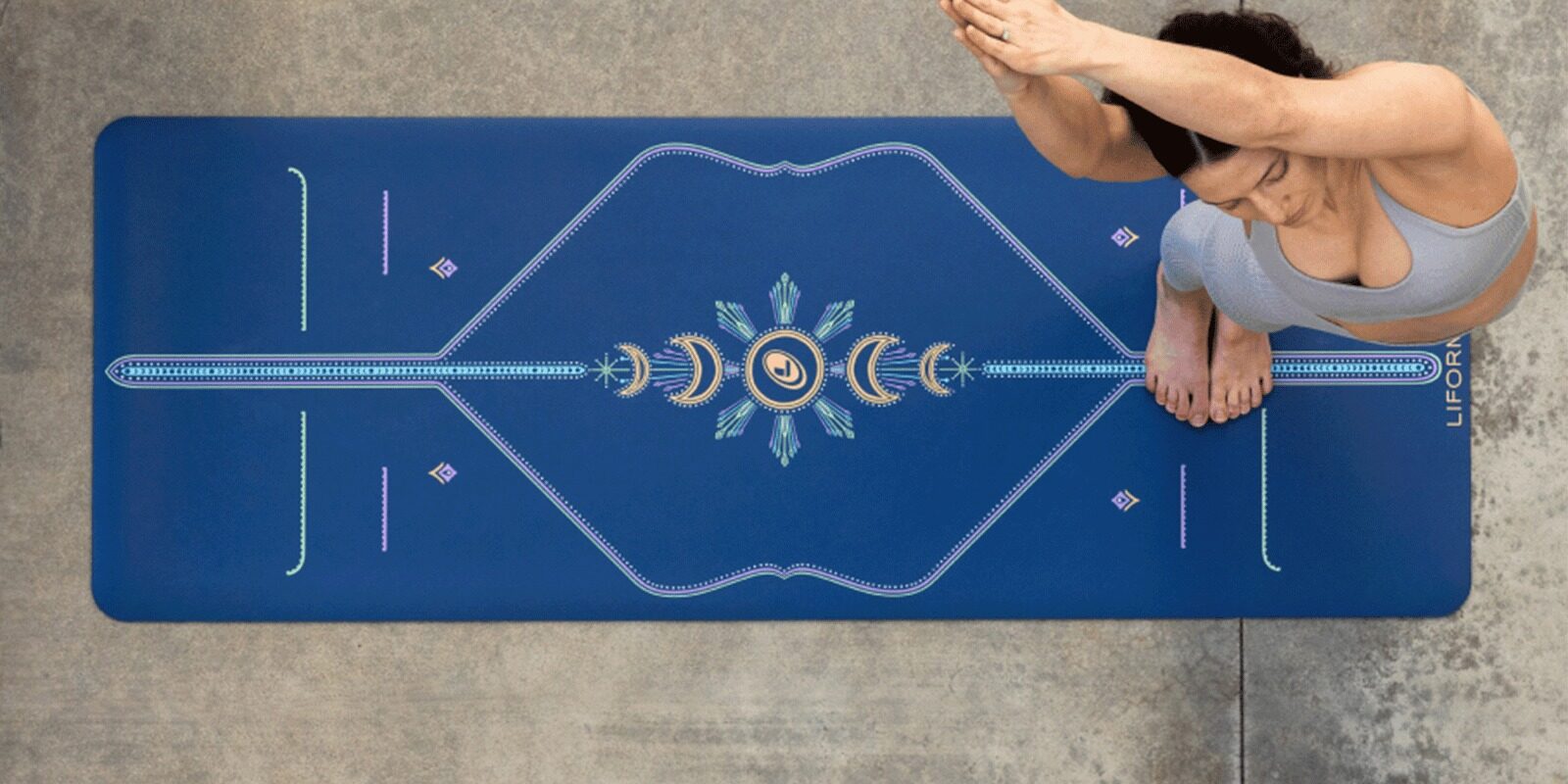
How Alignment Markers Can Bring More Structure to Home Yoga Practice
Home yoga practice can feel less structured when there is no instructor nearby to offer visual cues. A clearly marked mat can give the practitioner simple reference points for hand and foot placement, making it easier to organise a sequence and notice how positions change from one side of the body to the other. Understanding […]
Home yoga practice can feel less structured when there is no instructor nearby to offer visual cues. A clearly marked mat can give the practitioner simple reference points for hand and foot placement, making it easier to organise a sequence and notice how positions change from one side of the body to the other.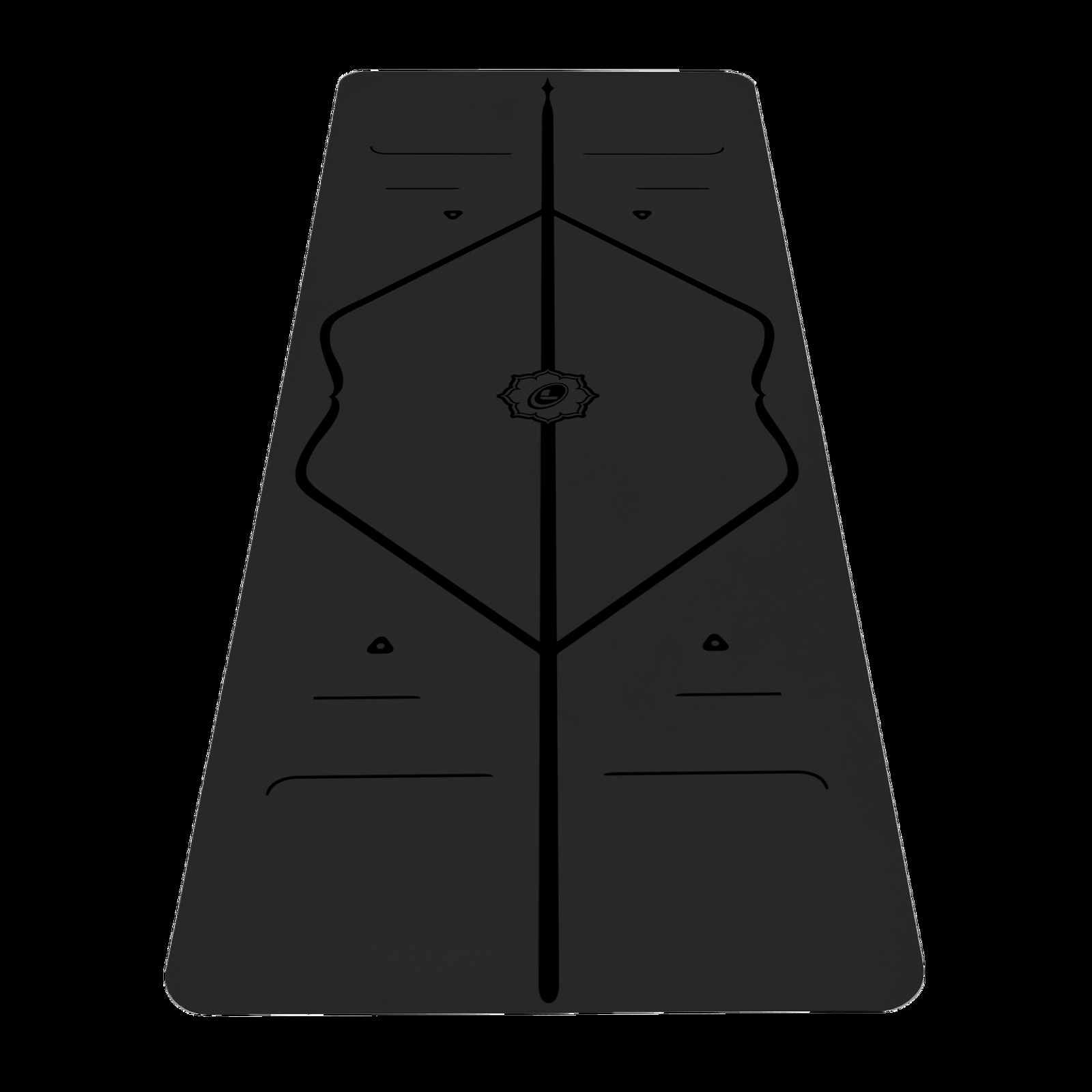
Understanding the practical problem
Without a fixed visual reference, small differences in stance can be difficult to notice. A practitioner may place one foot farther forward, widen one side more than the other or gradually drift across the mat as a sequence develops. None of those details automatically means a pose is wrong, but they can make self-observation harder when the goal is a steady and repeatable practice.
Alignment markers are most useful when they are treated as guides rather than rigid rules. Body proportions vary and a comfortable stance can look different from one person to another. The value of the markings comes from consistency. They create a known point from which the practitioner can make deliberate adjustments instead of guessing where a hand or foot was placed in the previous round. The decision becomes easier when the product is considered as part of a routine rather than as an isolated purchase. In that context, Liforme becomes relevant because it offers a product built around the same practical need rather than adding an unrelated step.
Yoga equipment is most useful when it supports attention rather than becoming the centre of the session. The practitioner still decides how far to move, how long to hold a position and when to modify. Surface design can provide a clearer working area, but it cannot replace comfort, technique or individual judgement. That distinction keeps the equipment in a practical role and prevents visual features from being treated as rules that every body must follow.
What matters when choosing the product
The Classic Yoga Mat combines a printed alignment system with a grippy surface and a cushioned natural rubber base. That combination makes the product relevant to a practice in which visual positioning, stability and repeated movement all matter at the same time. The useful comparison is therefore based on function, fit and ease of use rather than on appearance alone. Liforme can be considered within that comparison when those features match the person’s existing routine.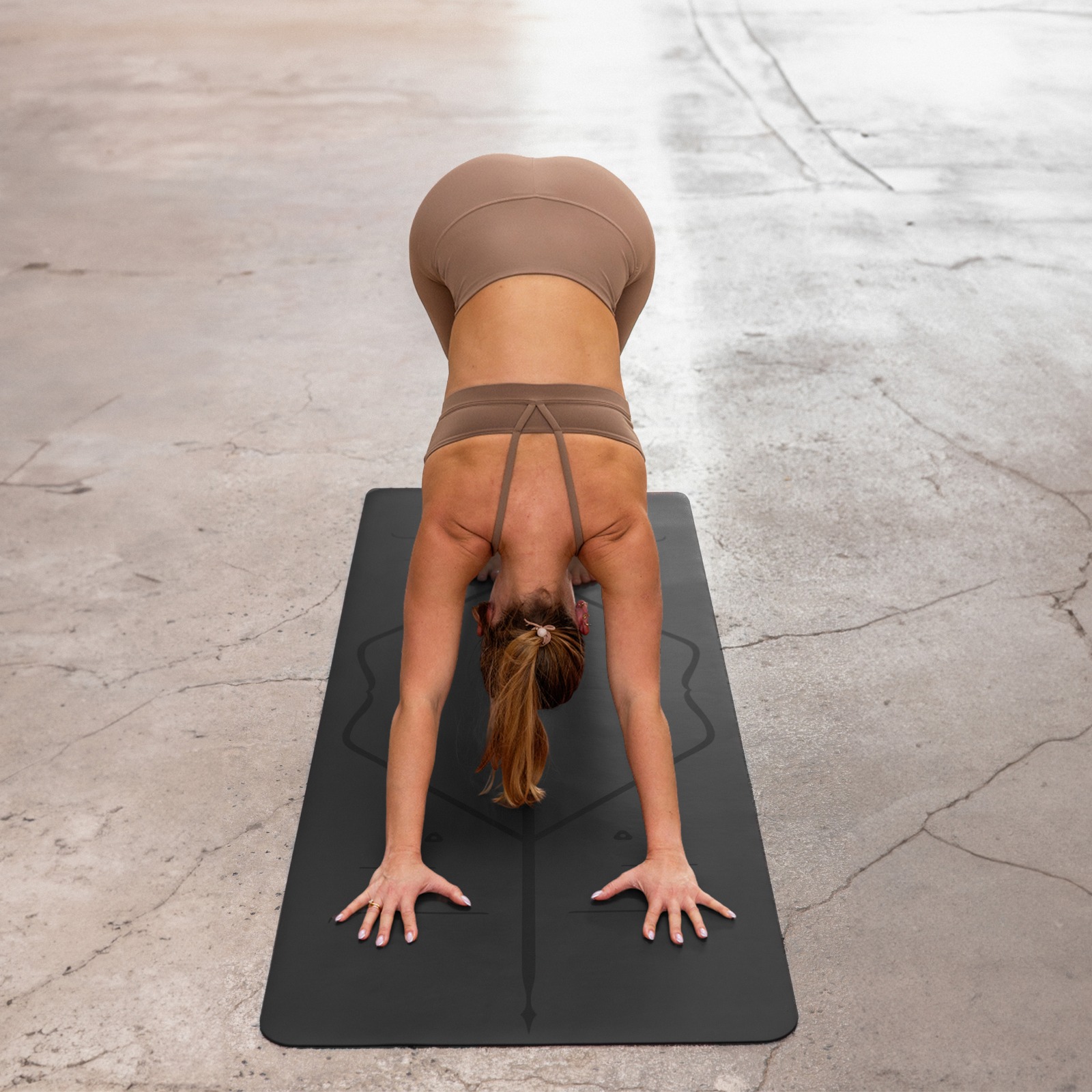
- Markers should be easy to see without visually dominating the whole practice.
- The surface should offer enough traction for hands and feet during slower holds and flowing transitions.
- The mat should provide enough usable room for the practitioner’s normal stance and movement style.
- Cushioning should feel supportive without making standing positions feel excessively soft or unstable.
The surrounding space also affects the experience. A mat placed on a flat, clean floor is easier to trust than one laid over a loose rug or uneven surface. Enough room should remain around the edges for arms and legs to move freely. A predictable setup makes it easier for the practitioner to focus on the sequence rather than repeatedly stopping to fix equipment or furniture.
Making the product part of a realistic routine
A simple routine can begin by choosing one or two markers as reference points for familiar poses. The practitioner can then repeat the sequence on both sides and compare how the body feels rather than trying to force perfect symmetry. Over several sessions, the markings can help reveal habits such as consistently shortening one stance or placing one hand farther forward. A product from Liforme is most useful when it fits that kind of repeatable pattern instead of requiring the rest of the routine to be reorganised around it.
The mat works best as part of a straightforward practice rather than as a substitute for body awareness. The practitioner still needs to respond to comfort, mobility and individual proportions. A visual guide simply makes those decisions easier to observe. Keeping the surface clean and allowing it to dry before rolling it also helps preserve a reliable feel under the hands and feet.
Routine can be assessed by what happens after several sessions. If the equipment makes setup easier, reduces unnecessary repositioning and feels dependable under normal movement, it is doing useful work. If a feature is rarely noticed or creates extra maintenance, it may matter less than expected. This kind of practical review helps keep future purchases centred on actual habits rather than assumptions. This is also a practical way to judge whether Liforme is solving the intended problem after the novelty of a new purchase has passed.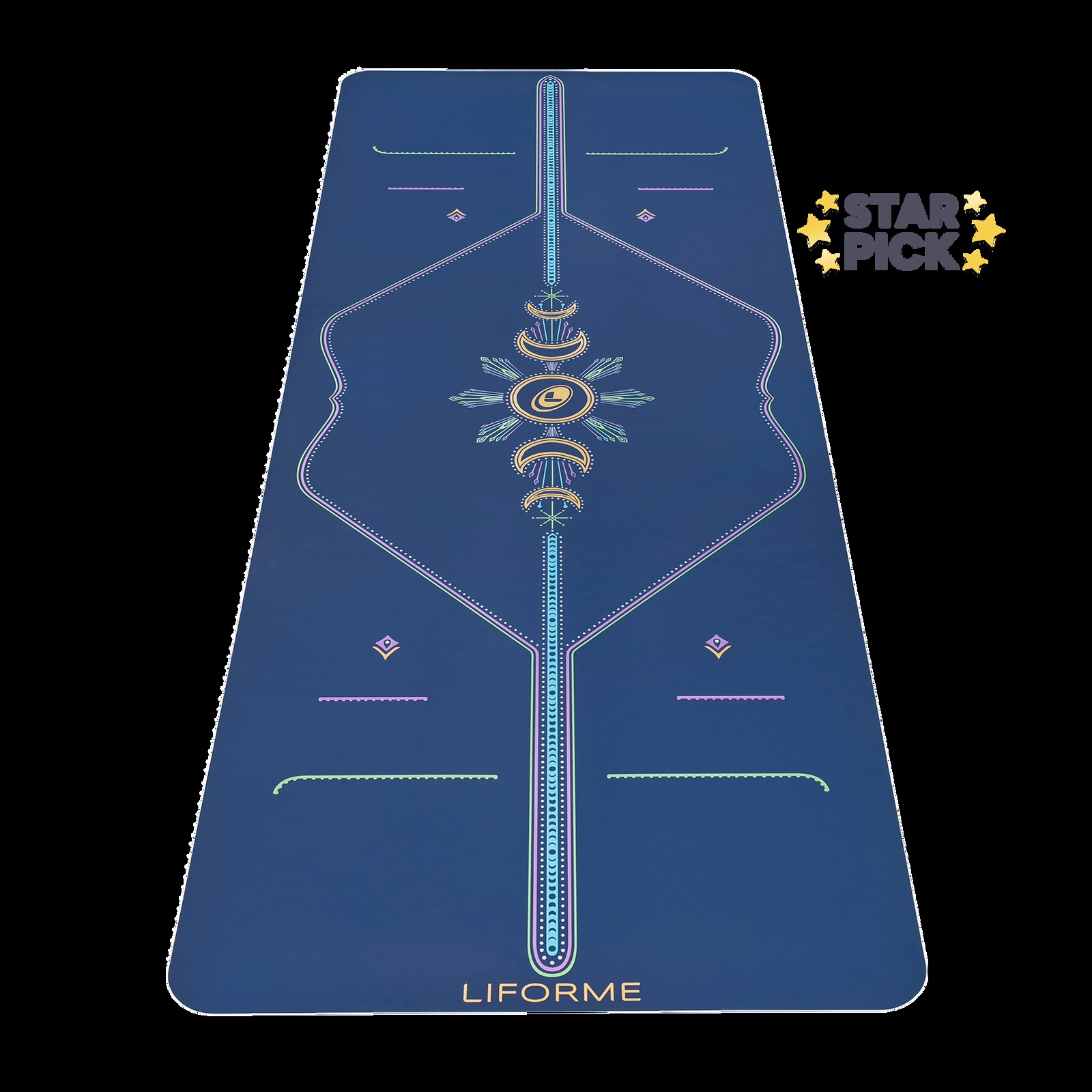
Keeping the approach simple over time
A home practice becomes easier to repeat when the setup removes unnecessary guesswork. Clear visual references, dependable grip and enough cushioning can create a stable base for that routine. The most useful result is not perfect geometry but a practice in which the practitioner can notice placement, make intentional adjustments and return to familiar movements with greater consistency.
The most sustainable routine is usually the one that remains clear, proportionate and easy to repeat. When the product has a defined role and its design matches the way the person already moves, packs, cares for hair or builds a wardrobe, it can continue to earn its place. That is the most useful way to approach Liforme as well, with the decision based on practical fit rather than on adding complexity for its own sake.