Good Fences Make Better Gardens: A Smarter Look at HSS Fencing
A garden fence has several jobs before anyone even considers whether it looks good. It marks boundaries, creates privacy, adds a layer of security and can turn an exposed outdoor space into somewhere that feels genuinely usable. The awkward part is that a fencing project involves considerably more than choosing a few attractive wooden panels […]
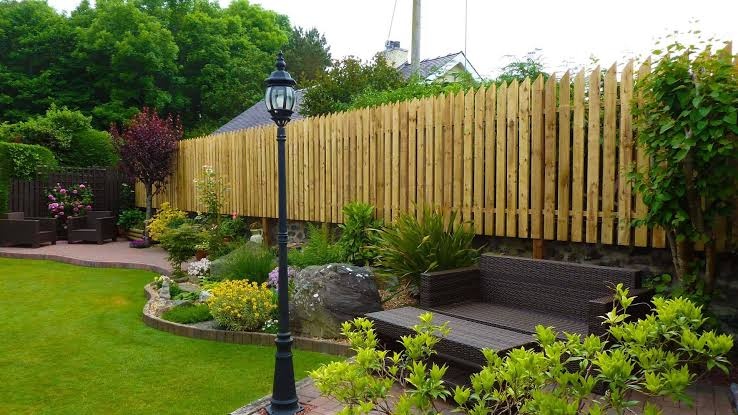
A garden fence has several jobs before anyone even considers whether it looks good. It marks boundaries, creates privacy, adds a layer of security and can turn an exposed outdoor space into somewhere that feels genuinely usable. The awkward part is that a fencing project involves considerably more than choosing a few attractive wooden panels and hoping for the best. Posts need support, timber needs protection from damp ground, and some gardens need wire mesh for practical reasons. HSS brings these pieces together in its fencing range, offering wooden fence panels alongside posts, post spikes, concrete gravel boards and galvanised wire mesh. For homeowners refreshing a tired boundary and DIYers starting from scratch, the collection provides the building blocks for a more complete fencing project rather than treating the panel as the whole story.
Which garden fencing is best for privacy?
Wooden fence panels are the straightforward choice when privacy is the priority, and HSS specifically positions its panels as a way to add privacy to outdoor spaces. Its lap fence panels are particularly suited to familiar domestic garden boundaries, combining overlapping timber with a traditional appearance that does not demand an elaborate landscaping scheme around it. A 6 x 6ft lap panel, for example, offers substantial screening and is described by HSS as a common choice for domestic applications. There is a practical bonus too: the wooden panels in the range come dip treated to provide additional protection against rot and damp. That treatment does not make future maintenance irrelevant, but it gives the timber a better starting point for life outdoors, where British weather is rarely inclined to be gentle.
How do you make a garden fence stronger?

A fence is only as convincing as the structure holding it upright, which is why HSS offers fence posts and post spikes alongside its panels. Posts provide the vertical support, while post spikes can help keep them securely fitted into the ground. The exact installation method will depend on the project, ground conditions and fencing design, but careful positioning matters: panels need correctly spaced posts if the finished boundary is going to remain straight and stable. HSS also advises planning and measuring the fence line before installation rather than improvising as you go. It is less exciting than choosing the finished panel, certainly, but accurate preparation reduces the risk of discovering halfway across the garden that the remaining space does not match the panels sitting beside you. A tape measure is cheaper than that particular headache.
Why use gravel boards under fence panels?
Gravel boards create a barrier between a wooden fence panel and damp ground, helping reduce direct moisture exposure that could otherwise contribute to deterioration. HSS offers concrete gravel boards for precisely this purpose, making them one of the less glamorous but more sensible components of a long-lasting fence installation. The Supreme Pro recessed gravel board, for example, is designed to sit beneath fencing and combines a textured appearance with the strength and durability of concrete. This can be particularly worthwhile when spending money on timber panels you would rather not leave sitting directly against wet soil. HSS even offers a gravel board incorporating a small hedgehog opening, providing a route through the boundary for garden wildlife. It is a clever detail: better protection for the fence without automatically turning the garden perimeter into a tiny fortress.
Is lap fencing good for everyday gardens?

Lap fencing is a strong contender for ordinary domestic gardens because it balances privacy, familiar styling and relative ease of installation. HSS describes its 6 x 6ft lap panel as a popular domestic option and an industry-standard choice for new-build garden fencing. Its waney-edge construction creates the recognisable overlapping timber appearance while helping form a private and secure boundary. Compared with heavier closeboard fencing, lap panels are generally lighter and easier to install, which can make them attractive to homeowners taking on their own garden improvement project. The trade-off is that particularly exposed or windy locations may call for additional reinforcement or a more robust fencing solution. In other words, lap fencing is a practical all-rounder, but garden conditions still deserve a vote before the shopping basket does.
Can garden fencing help with plants and animals?
Fencing does not have to mean solid timber panels around every centimetre of the garden. HSS also includes galvanised wire mesh within its fencing selection, giving gardeners a more flexible option for areas where visibility and airflow are useful. Wire mesh can provide protection against animals and is supplied in rolls that can be cut according to the space being covered. It can also support climbing plants, allowing greenery to use the mesh as a framework as it grows. This creates very different possibilities from a traditional privacy fence: think vegetable patches, planted boundaries or sections of garden where practical separation matters more than complete screening. For many gardens, the smartest solution may actually combine solid panels where privacy is important with mesh where plants, light and openness deserve more room.
The Boundary Upgrade That Changes the Whole Garden
A new fence can do considerably more than replace a few tired panels. It can make a garden feel more private, clearly defined and finished, while also providing opportunities for planting and better use of outdoor space. HSS approaches fencing practically, with dip-treated wooden panels for screening, supporting posts and spikes, concrete gravel boards for keeping timber away from damp ground, and galvanised mesh for animals or climbing plants. The range is best suited to homeowners and DIYers who want the components of a fencing system rather than panels in isolation. Lap fencing offers an accessible option for typical domestic gardens, while additional reinforcement deserves consideration in more exposed settings. For anyone planning a garden boundary from the ground up, HSS provides a useful reminder that the fence everyone sees is only as good as the less glamorous components keeping it standing.