Getting Started with Pottery Your First Wheel and Kiln Journey
Pottery is one of the most rewarding creative pursuits anyone can undertake. The moment your hands touch clay on a spinning pottery wheel or you open a kiln to reveal your finished piece, you understand why potters become obsessed with this ancient craft. If you’re considering taking up pottery, the most common question is where […]
Pottery is one of the most rewarding creative pursuits anyone can undertake. The moment your hands touch clay on a spinning pottery wheel or you open a kiln to reveal your finished piece, you understand why potters become obsessed with this ancient craft. If you’re considering taking up pottery, the most common question is where to begin. The answer isn’t complicated, but it does require the right equipment and guidance, which is exactly what Kiln Crafts has been providing to ceramicists for years.
Choosing Your First Wheel
Starting pottery as a beginner doesn’t mean you need a massive studio or a fortune in supplies. What you do need is a quality pottery wheel and access to a kiln, alongside some essential hand tools and clay. The good news is that Kiln Crafts has curated everything a beginner needs to get started on their pottery journey.
When you’re choosing your first pottery wheel, you’re making one of the most important decisions in your pottery career. The wheel is where you’ll spend hours centering clay, throwing pots and discovering whether wheel throwing is your creative outlet. A quality pottery wheel makes this process a joy; a cheap one turns it into frustration. Kiln Crafts offers wheels designed specifically for beginners that provide stability and precision without overwhelming complexity. Their selection includes electric wheels that are easy to control, allowing you to focus on the fundamentals of centering and lifting clay rather than fighting with equipment.
Innovative Equipment for Modern Potters
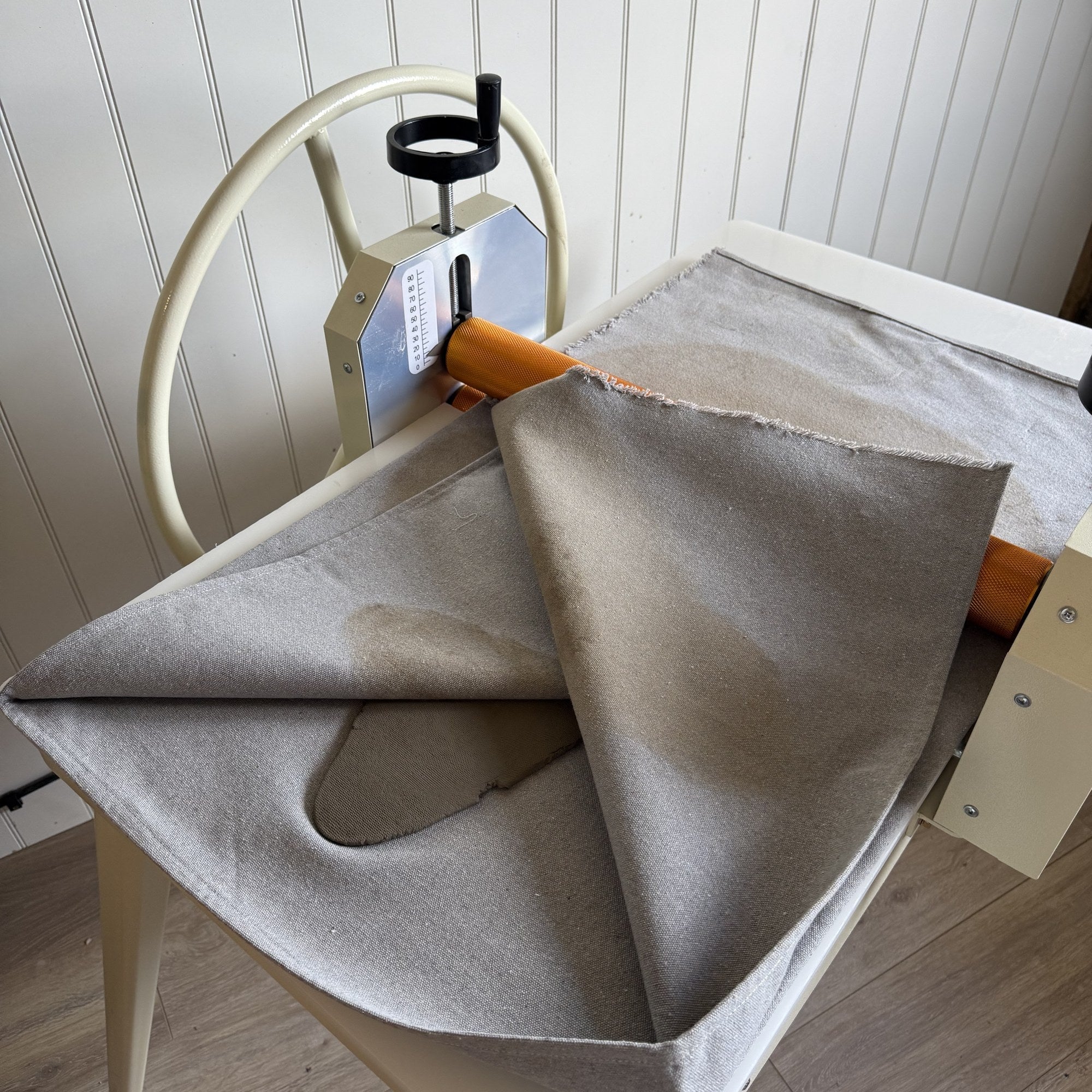
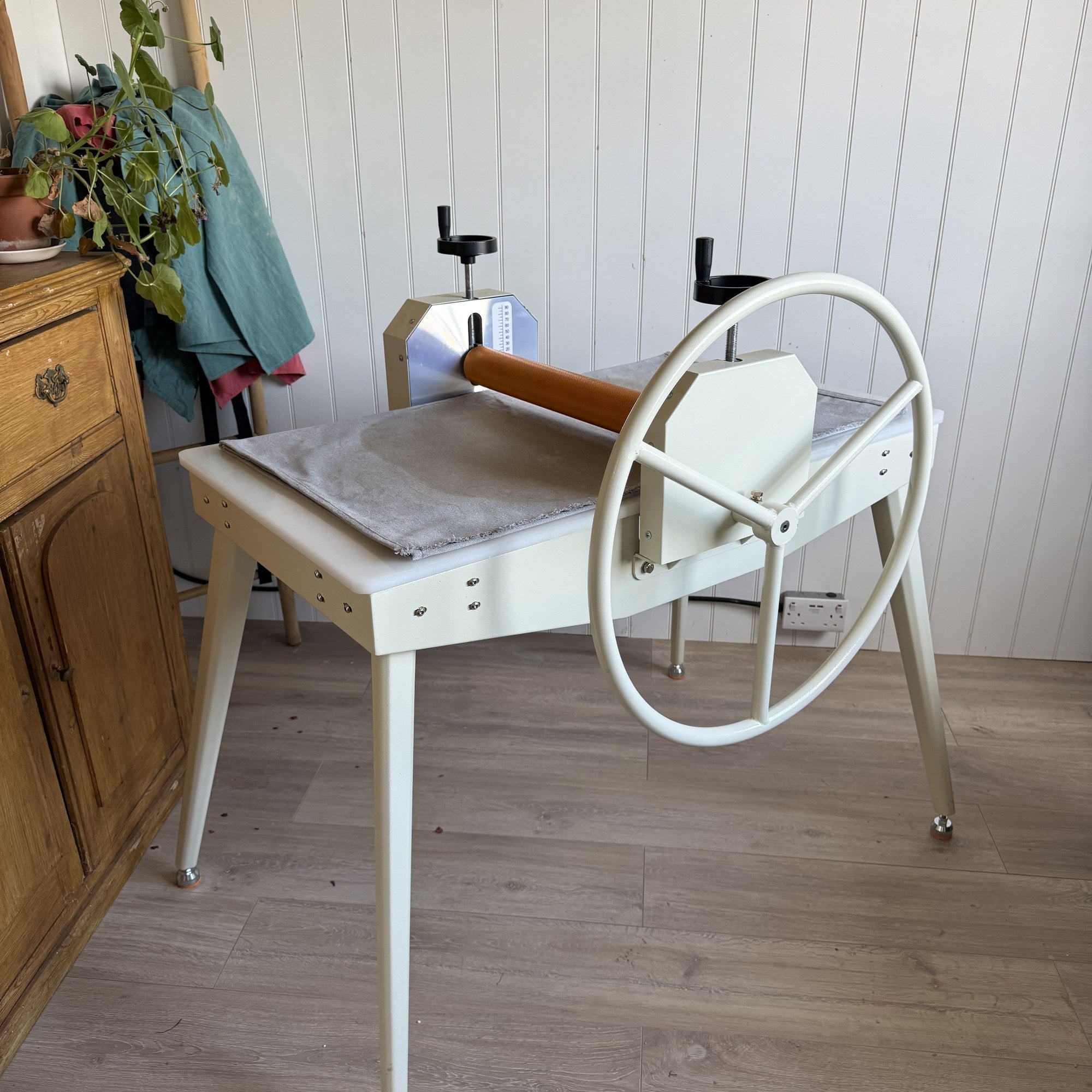
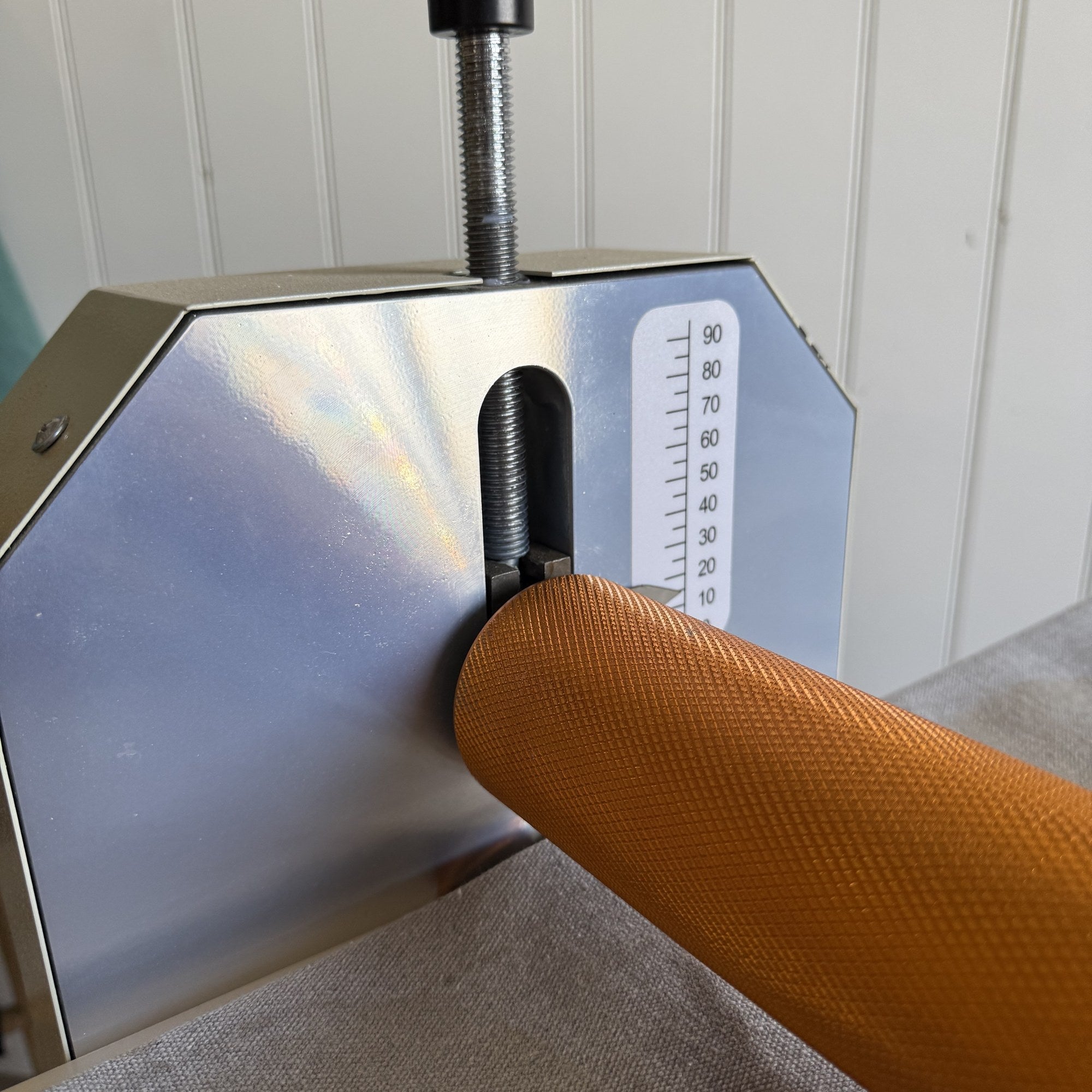
The Daisy Wheel, mentioned affectionately by potters worldwide, represents Kiln Crafts‘s commitment to innovation in the pottery space. This isn’t just another wheel, it’s a tool designed by people who actually throw pottery, refined through real-world feedback from the ceramics community. For beginners, having equipment designed with your learning curve in mind makes all the difference.
Kilns and Firing Your First Pieces
Beyond the wheel, you’ll need access to a kiln. Here’s where many beginners feel overwhelmed. Kilns range from tiny desktop models to industrial-sized chambers and the terminology, cone numbers, cooling times, kiln furniture, can sound like a foreign language. But here’s the truth most beginners don’t need a massive kiln. An electric kiln with cone 6 capability is perfect for learning. You’ll be able to fire earthenware, stoneware and porcelain pieces right from the start. Kiln Crafts stocks a range of kilns suitable for home studios and workshop spaces.
Essential Tools and Clay Selection
Your clay choice matters too. As a beginner, you’ll want to work with clay that’s forgiving and predictable. Most potters start with earthenware or stoneware because these clays are tactile and respond well to hand-building and wheel throwing. You can always move to porcelain once you’ve developed your technique and understand how different clays behave in the kiln.
The hand tools you’ll need are surprisingly simple. A wire cutting tool for removing your pieces from the wheel, wooden and metal ribs for smoothing surfaces, sponges for managing moisture and calipers for consistent sizing. These don’t cost much individually and a quality tool set from a reputable supplier will last years. Kiln Crafts offers tool kits that include everything you need without duplicating items you’ll rarely use.
Preparing Your Clay and Studio Space
One of the biggest mistakes beginners make is underestimating the importance of clay preparation. Wedging your clay, the process of kneading air bubbles out of it, takes time and practice, but it’s absolutely essential. Air bubbles in clay can cause your pieces to explode in the kiln, destroying hours of work. Invest in proper wedging techniques and you’ll save yourself heartbreak down the line.
Storage and workspace organization might seem boring, but they’re crucial for long-term success. Your clay needs to stay moist without drying out or becoming waterlogged. Your tools need to be accessible and organized. Your studio space needs good ventilation because clay dust and kiln fumes are genuine health considerations. Planning your workspace properly from day one prevents headaches later.
- Invest in a quality pottery wheel that suits your space and experience level.
- Choose an electric kiln with cone 6 capability for versatility in firing different clay bodies.
- Start with forgiving clay like earthenware or stoneware before attempting porcelain.
- Gather basic hand tools wire cutters, wooden ribs, sponges and calipers.
- Prepare a well-ventilated studio space with proper storage for clay and finished pieces.
Learning and Growing as a Potter
The learning curve in pottery is steep initially, but it flattens quickly with consistent practice. You’ll struggle with centering your first few weeks. Your early bowls might wobble and your mugs might have lopsided handles. This is completely normal. Every potter has piles of failed pieces that taught them something valuable. The key is starting with equipment that won’t sabotage your learning and progressing through practice.
Community matters in pottery more than many crafts. Joining a pottery class, finding a studio space where other potters work or connecting online with ceramicists gives you access to knowledge that would take years to discover alone. Experienced potters love sharing tips because they remember being beginners themselves. The supportive nature of the pottery community is one of its greatest assets.
Making Your Investment Count
Investment-wise, setting up for pottery doesn’t require deep pockets. A decent wheel, kiln, basic tools and clay will set you back less than many hobbies. What matters is choosing quality over quantity. One good wheel is better than three mediocre ones. One reliable kiln is worth more than three that constantly malfunction. This is where suppliers like Kiln Crafts add real value, they’ve already done the research and testing to ensure their products deliver results.
Starting pottery is an invitation into a craft that has captivated humans for thousands of years. From functional dinnerware to sculptural fine art, pottery accommodates every creative vision. Your first wheel throw will be clumsy. Your first kiln opening will be nervous. But your first successful bowl or mug will spark a passion that might last a lifetime.