Diecast Models as Investments Rarity, Authenticity, and Building a Valuable Collection
Explore how to invest in diecast models through understanding rarity, authenticity, production scales, variants, and market dynamics. Learn to build a valuable collection of rare models with genuine appreciation potential.
The world of diecast models has evolved far beyond casual childhood nostalgia, maturing into a sophisticated collecting arena where investment potential rivals traditional hobbies. Serious collectors and investors now recognize that certain diecast models appreciate significantly over time, commanding prices that reflect their rarity, authenticity and desirability within the collecting community. Understanding how to identify investment-grade diecast models requires knowledge of scale, production runs, condition standards and market dynamics, a skill set that separates informed investors from casual buyers.
The Investment Appeal of Rare Diecast Models
Models attract investors for the same reasons fine art and vintage automobiles do scarcity combined with enduring appeal. A Matchbox model Jaguar E-Type in mint condition, for example, has appreciated dramatically since its release, now valued at hundreds or thousands of dollars depending on variant and packaging. These investments thrive because early production runs were limited and many models were damaged or lost over decades. Modern manufacturers like Diecast Models Wholesale now produce limited-edition releases specifically designed to appreciate, creating controlled scarcity and appeal for serious collectors building valuable rare diecast models collections worth considerable sums.
Understanding Production Scales and Rarity
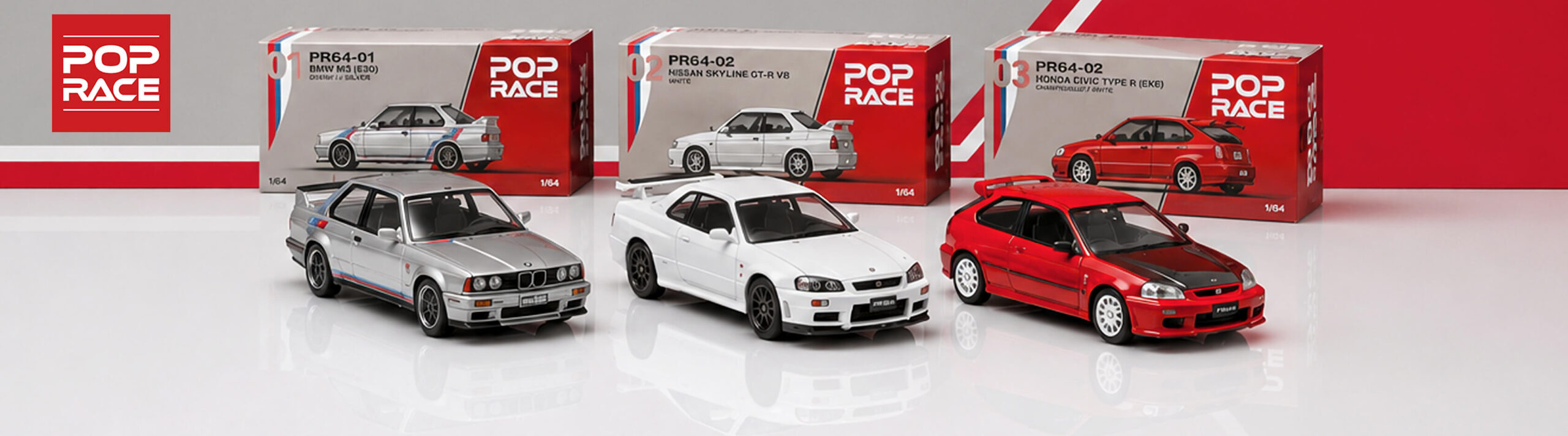
Scale significantly impacts a model’s collectibility and investment value. The 1 18 scale, roughly ten inches long, represents the most desirable for display and investment; these larger models command premium prices and typically feature opening components like doors, hoods and trunks that showcase engineering detail. The 1 24 scale offers a middle ground in size and cost, while the 1 64 scale, popularized by Hot Wheels and Matchbox, occupies the broadest collector base with highest production volumes. Vintage models from extremely limited production runs, particularly from discontinued lines, achieve exponential value growth. A rare 1 43 scale model from a manufacturer’s final production batch often outperforms more abundant 1 64 variants by orders of magnitude. Understanding these distinctions allows investors to allocate resources toward pieces with genuine appreciation potential. Diecast Models Wholesale provides transparent scale information, enabling informed comparison across models when building strategic investment portfolios.
Authenticity and Condition as Value Drivers
Authenticity determines everything in the rare diecast models market. Counterfeit models, particularly reproductions of valuable vintage Matchbox and Hot Wheels variants, circulate regularly, with forgeries sophisticated enough to fool casual observers. Serious investors authenticate pieces through original packaging verification, manufacturing date codes, paint consistency analysis and comparison with authenticated reference examples. Condition grading follows a strict scale mint-in-box (MIB) commands the highest premiums, followed by mint (M), near-mint (NM), excellent (EX), very good (VG), good (G) and fair (F). A single scratch, paint chip or loose wheel can drop an otherwise valuable model from MIB to EX, reducing value by fifty percent or more. These condition distinctions justify keeping investment-grade pieces in original packaging, unlike casual collections meant for display and enjoyment. Diecast Models Wholesale clearly documents condition and authenticity for every listed piece, allowing investors to make confident acquisition decisions.
Model Variants and Hidden Investment Opportunities
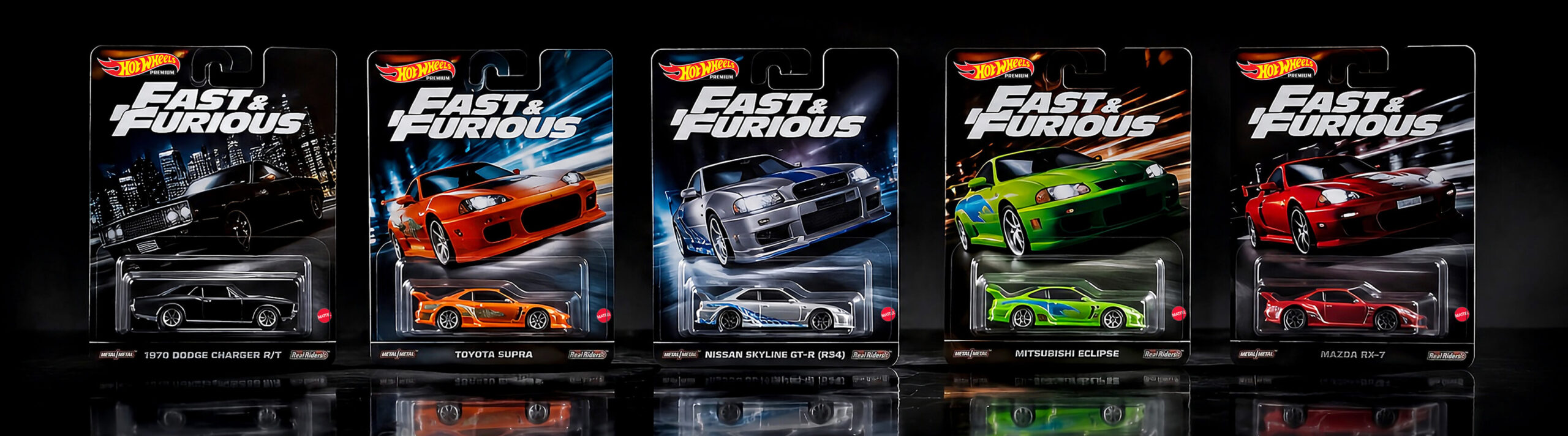
Experienced investors hunt for production variants, subtle differences between supposedly identical models that dramatically affect value. A hot-wheels model produced with a rounded base versus a flat base, released in California versus Japan or featuring a glossy versus matte paint finish, creates distinct variants commanding vastly different prices. Collectors obsess over these minutiae, making variant knowledge essential for serious investors. First editions, the initial production run of a new model, typically achieve higher values than subsequent releases. Color rarity also matters a model released predominantly in red becomes significantly more valuable if found in rare blue or purple variants. Documentation of these variants through collector publications, online databases and dealer listings forms the foundation of smart investment strategy. Diecast Models Wholesale catalogs variant information across their inventory, supporting collectors seeking specific high-value variants for their portfolios.
Building a Strategic Investment Collection
- Research historical appreciation identify model lines that consistently increase in value over five to ten year periods.
- Focus on discontinued production runs and manufacturer-declared limited editions rather than perpetually available models.
- Prioritize condition and authenticity above quantity; one MIB piece outperforms ten lower-grade examples.
- Diversify across scales and manufacturers to hedge against market corrections in any single segment.
- Monitor auction results and dealer listings to track price trends and identify undervalued opportunities.
The Market for Investment-Grade Models
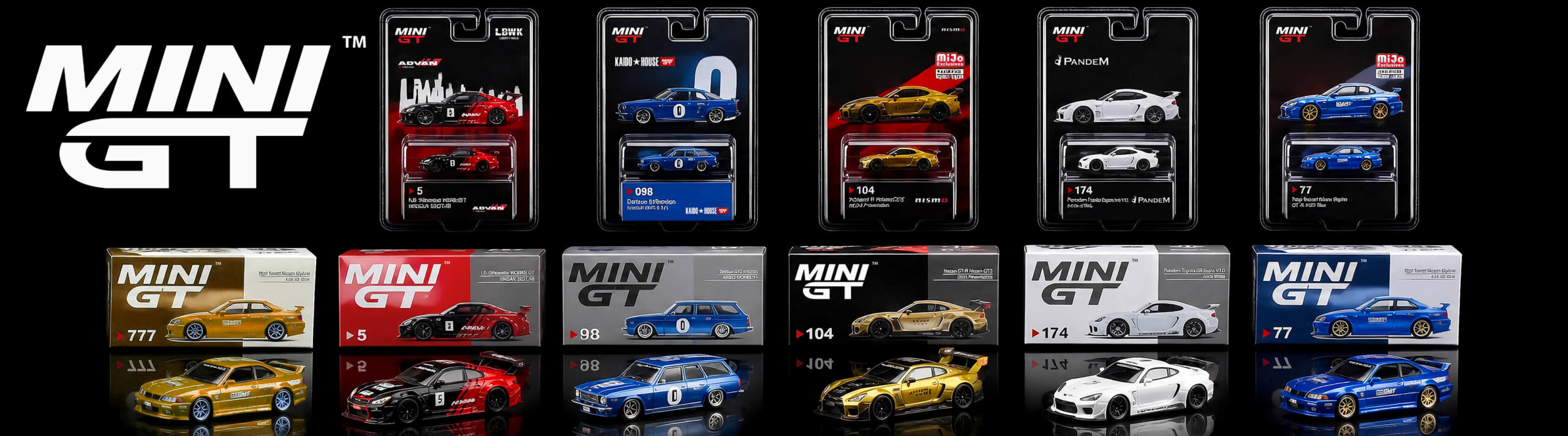
The secondary market for rare diecast models has matured considerably, with specialized auction houses, online dealer networks and collector communities providing transparent pricing and authentication. Platforms dedicated to model collecting track historical sales data, enabling investors to analyze appreciation trends and project future value. Museums and institutional collectors now acquire models alongside traditional fine art, legitimizing the category and attracting serious wealth. This institutional interest creates floor prices for investment-grade pieces and encourages production of limited-edition models specifically designed as collectible assets. Professional grading services have emerged, similar to those used for comic books and trading cards, providing third-party authentication and condition certification that dramatically simplifies transactions between distant collectors. Diecast Models Wholesale participates in this professional ecosystem, offering sourcing and consulting for serious investors seeking rare acquisitions.
The evolution of diecast models from children’s toys to investment-grade collectibles reflects their genuine appeal and the market’s recognition of scarcity value. For investors willing to develop expertise in authenticity, variants and market dynamics, building a portfolio of rare diecast models offers both financial appreciation and the intangible pleasure of stewardship over miniature automotive art.