Complete Home Renovation Guide Planning Your Dream Upgrade Project
Home renovation represents one of the most exciting and transformative projects homeowners can undertake. Whether you’re updating a single room or redesigning your entire living space, proper planning makes the difference between a smooth process and costly mistakes. Successful renovations combine aesthetic vision with practical knowledge about materials, timelines and budgets. Understanding the fundamentals of […]
Home renovation represents one of the most exciting and transformative projects homeowners can undertake. Whether you’re updating a single room or redesigning your entire living space, proper planning makes the difference between a smooth process and costly mistakes. Successful renovations combine aesthetic vision with practical knowledge about materials, timelines and budgets. Understanding the fundamentals of home improvement helps you make informed decisions that increase both comfort and property value. Modern renovation projects benefit from better tools, materials and design resources than ever before.
Assessing Your Renovation Needs and Goals
Before committing money and time to renovation, clarify your specific objectives. Are you upgrading for personal comfort, preparing to sell or addressing structural issues? Different goals require different priorities and budget allocations. A kitchen renovation focused on modern functionality differs from one designed for resale appeal. Travis Perkins Professional renovation planning starts with honest assessment of your current space and desired outcomes. Consider lifestyle changes that might affect your needs. Young families need different kitchens than empty nesters or aging homeowners. Document current pain points and imagine ideal solutions.
Creating a Realistic Budget and Timeline

Budget overruns plague many renovation projects because homeowners underestimate costs and timelines. Research typical costs for your type of renovation in your geographic area. Labor represents the largest expense for most projects. Material costs fluctuate based on availability and quality levels chosen. Contingency budgets protect against unexpected discoveries during work. Professional contractors typically estimate timelines conservatively because unforeseen issues delay progress. Travis Perkins Renovation budgeting tools help track expenses and prevent runaway costs. Build in buffer time for inspections, permits and material ordering. Understanding realistic expectations prevents frustration when timelines extend.
Selecting Quality Materials and Finishes
Material choices define both the appearance and longevity of renovated spaces. Budget options exist across all material categories, from flooring to fixtures to countertops. Higher quality materials typically justify their cost through durability and aesthetic appeal. Consider maintenance requirements when selecting finishes. Some materials look beautiful initially but require extensive upkeep. Others improve with age. Travis Perkins Quality renovation materials balance cost, durability and design appeal. Visit showrooms and request samples to evaluate how materials integrate with your overall vision. Talk to homeowners who chose specific products to learn about real-world performance.
Working with Professional Contractors

Quality contractors can make or break renovation success. Finding trustworthy professionals requires checking references, licenses and insurance thoroughly. Detailed written contracts protect both parties by specifying scope, timeline and payment terms clearly. Communication with contractors matters as much as their technical skills. Regular progress meetings ensure the project stays on track. Travis Perkins Professional renovation contractors bring expertise that homeowners cannot replicate. They understand building codes, permit requirements and logistics. They anticipate problems and solve them efficiently. Paying for quality craftsmanship proves far cheaper than correcting mistakes later.
Managing the Renovation Process
Active project management keeps renovations on track and within budget. Document progress with photos and notes. Verify that completed work matches specifications in the contract. Address quality concerns immediately rather than waiting until projects conclude. Stay accessible for decisions that arise during construction. Travis Perkins Renovation project management requires ongoing attention but prevents major problems from developing. Weekly check-ins with contractors keep communication flowing. Clear expectations about cleanliness, noise and access minimize disruption to daily life.
Final Touches and Project Completion
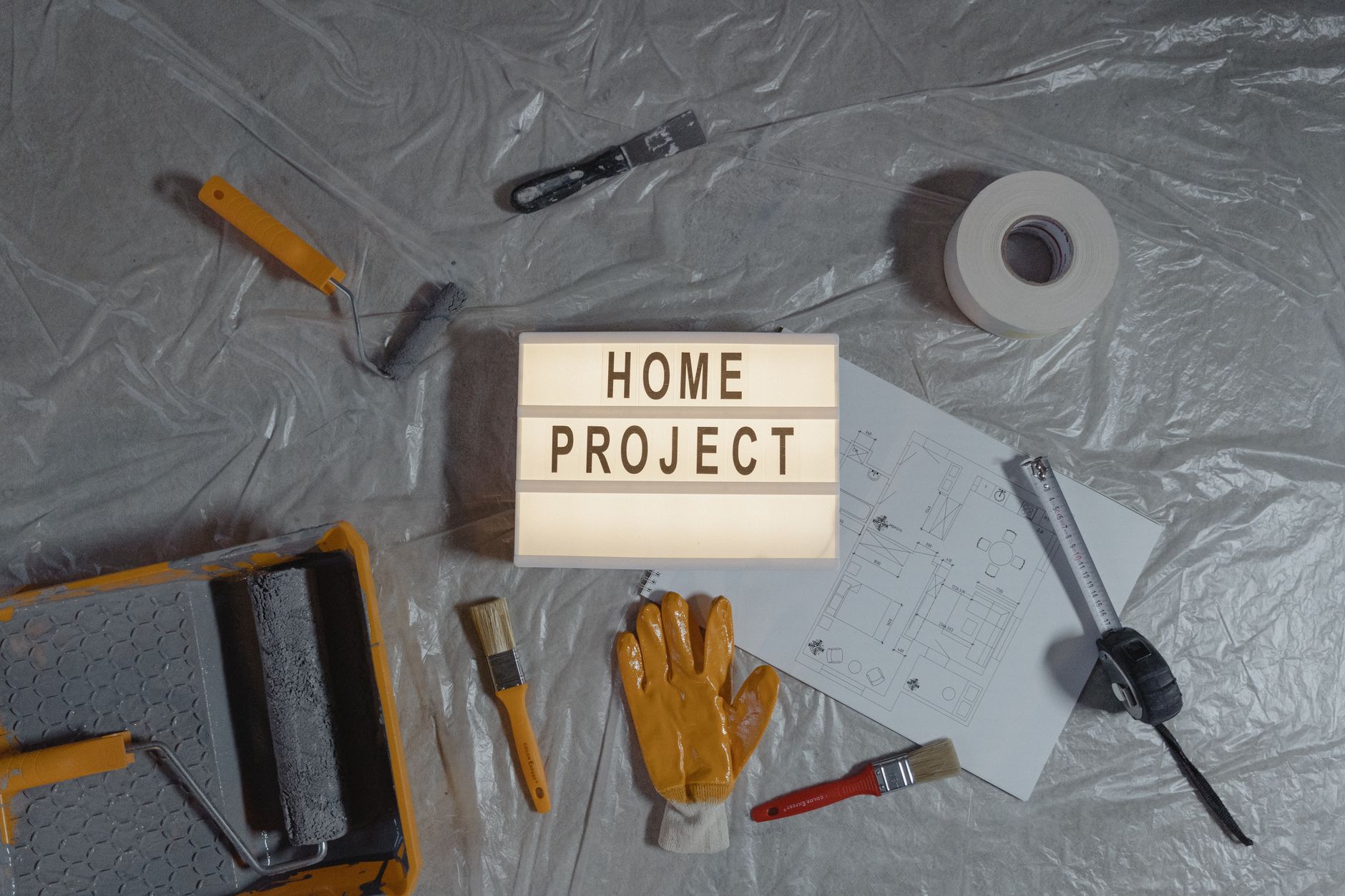
The final phase determines whether renovations feel complete and polished. Paint touch-ups, hardware installation and landscaping finishing details take time but transform spaces. Final inspections ensure all work meets code requirements and contractual obligations. Renovation completion involves final payment only after all work passes inspection. Request warranties and documentation for future reference. Proper project closure prevents misunderstandings and ensures lasting satisfaction.
- Clear goals and realistic budgets prevent expensive mistakes and scope creep
- Quality materials and finishes enhance both aesthetics and long-term durability
- Professional contractors bring expertise that justifies their investment and saves money
- Active management keeps projects on track and addresses issues promptly
- Detailed documentation protects your interests and facilitates future maintenance
Plan your renovation carefully and invest in quality to create a home that brings joy for decades.