Choosing Pet Treats for Puppies, Senior Dogs and Enrichment Time
A treat that works for one dog may be awkward for another because age, chewing style and diet change the decision. Puppies, senior dogs and pets using food enrichment all need portions and textures chosen with more care than a colourful package can provide. Age Changes the Way a Treat Is Used A puppy is […]
Age Changes the Way a Treat Is Used
A puppy is learning how to take food from a hand, settle after excitement and respond to simple cues. Tiny rewards can support that learning when they arrive at the right moment. The treat should be easy to manage and appropriate for the puppy’s size. A large hard piece may be difficult to chew, while a rich unfamiliar ingredient may upset a routine that is still developing. The owner should introduce one new item at a time and keep the main diet stable.
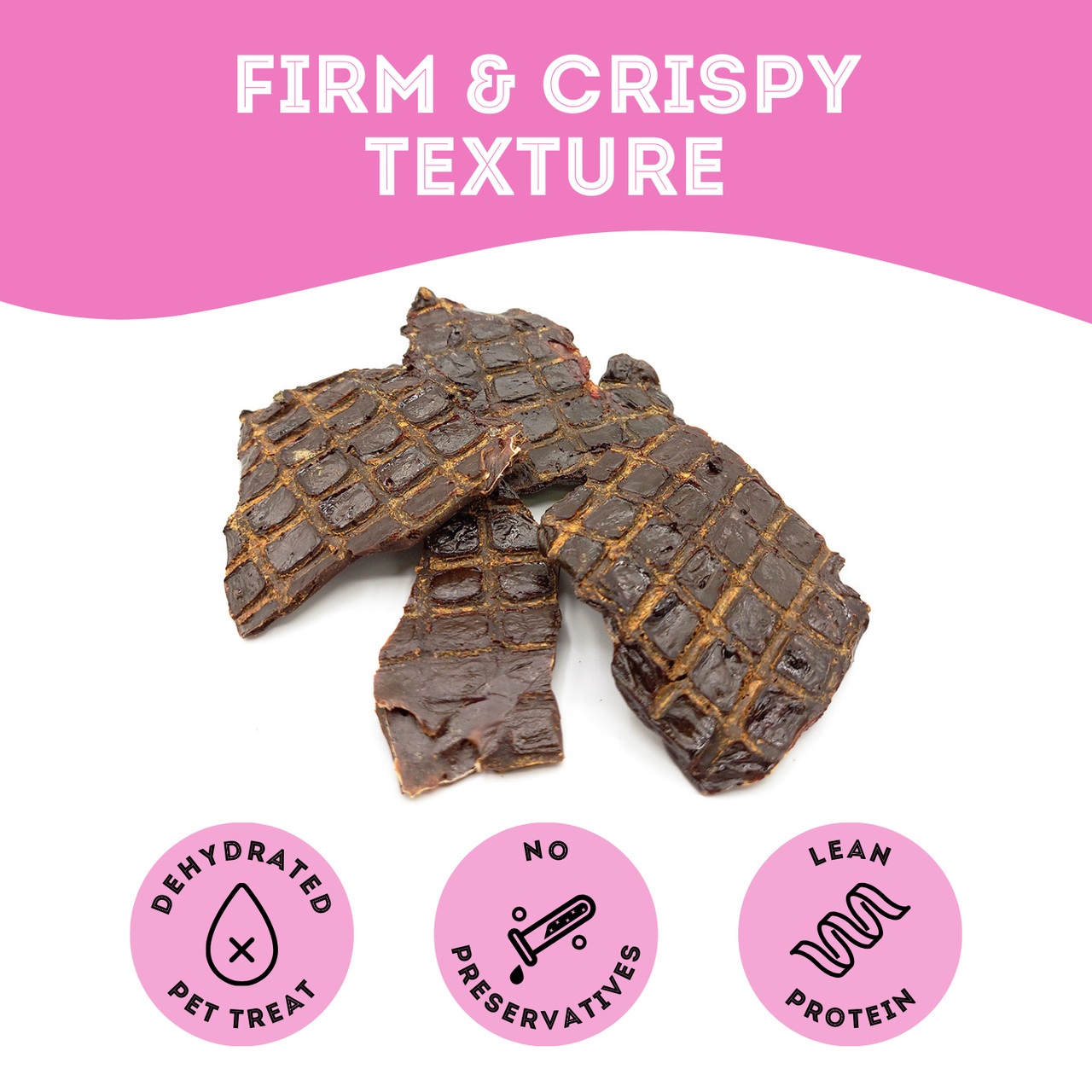
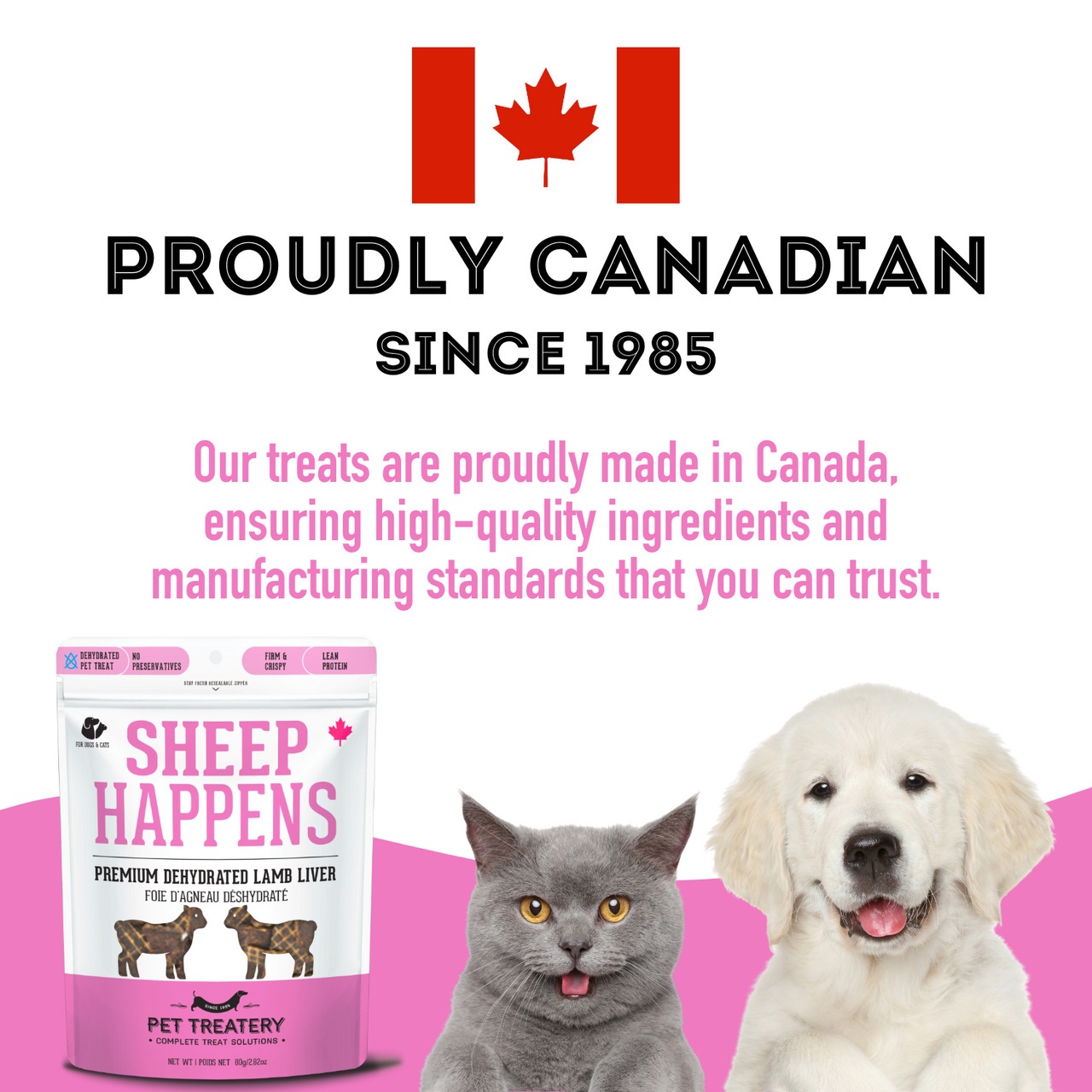
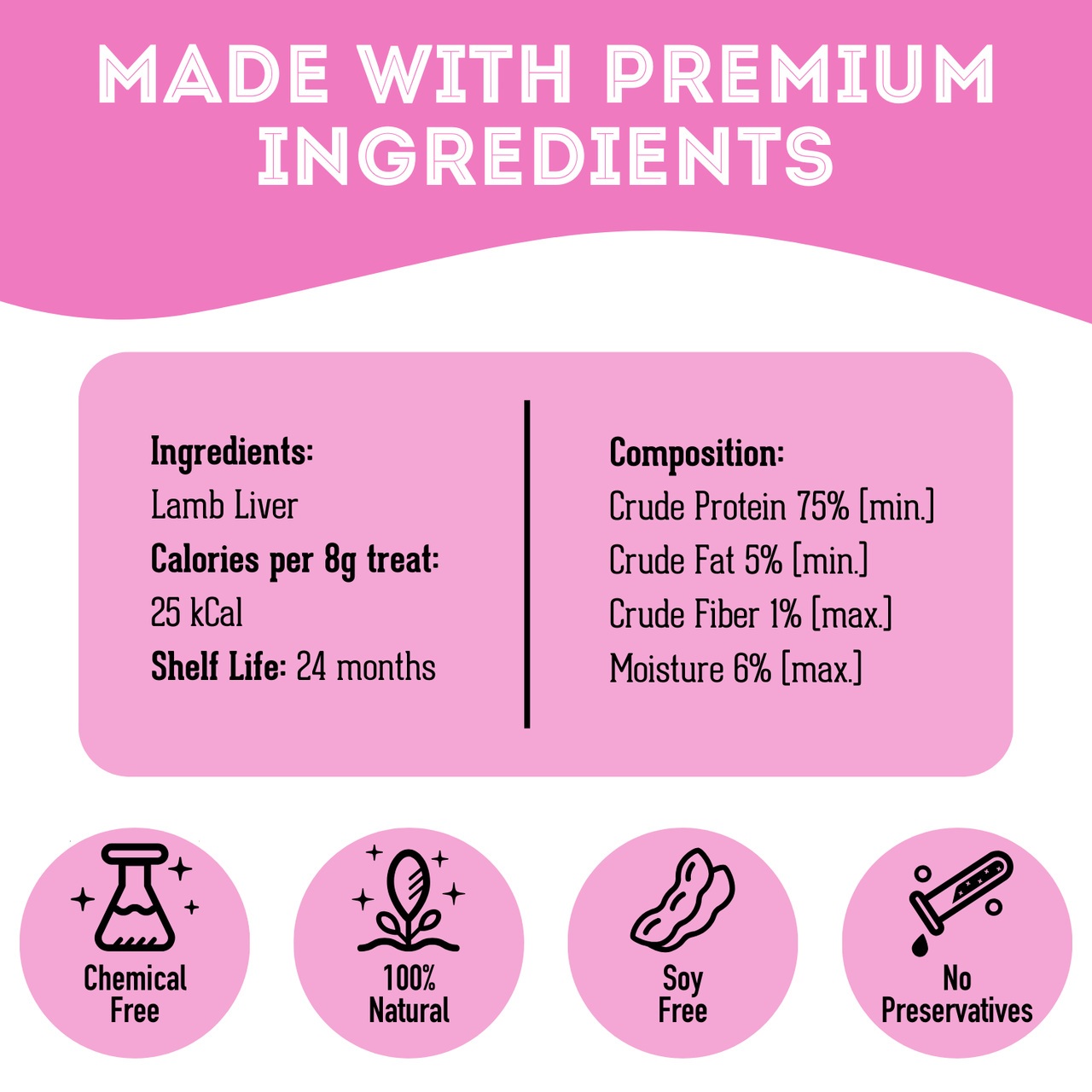
A shopper considering Granville Island Pet Treatery can read ingredient lists, texture descriptions and serving guidance before choosing. The brand can appear naturally as one option in a broader training plan. The product should not be selected only because a puppy looks eager. Young dogs often show enthusiasm for many foods, including items that are unsuitable or dangerous.
Senior dogs may have different priorities. Teeth can be more sensitive, chewing may take longer and medical diets can limit ingredients. A soft treat can be easier for some dogs, though texture alone does not determine suitability. Weight changes, kidney concerns, allergies or digestive issues should be discussed with a veterinarian. The owner should never assume that a product marketed as natural automatically fits an older animal’s health needs.
A senior dog may also value the social moment more than the size of the reward. A small piece offered during grooming or after a gentle walk can support a positive routine without adding a large amount of food. The owner can slow the interaction and allow the dog time to chew. Patience is part of the treat.
Cats and dogs may share a home while needing completely separate treats. An item formulated for one species should not be offered to the other without veterinary guidance. Multi-pet households also need separate storage when one animal has allergies or a prescription diet. Colour-coded containers can help only when the original labels remain available. The owner should monitor each animal during reward time so a faster pet does not steal another pet’s portion. This matters during training classes, family visits and relaxed evenings when attention is divided.
Enrichment Turns Food Into an Activity
Food puzzles, sniffing games and supervised hide-and-seek activities can give a dog a job to complete. The difficulty should match the animal. A beginner needs an obvious success, while an experienced dog may enjoy a more complex search. Frustration is not enrichment. If the dog paws aggressively, abandons the task or guards the item, the owner should simplify the activity and consider professional guidance where needed.
Treats from Granville Island Pet Treatery can be divided or placed in an appropriate toy when the format and toy instructions allow it. Pieces should not be so small that they disappear into an inaccessible gap or so large that they jam the opening. The owner must supervise new activities and inspect toys for damage. A dog that destroys materials quickly may need a different style of enrichment.
Enrichment food still counts as food. The owner can set aside part of the daily allowance rather than adding unlimited extras. Regular kibble may work in some puzzles, with higher value treats reserved for difficult tasks or distracting environments. This keeps the activity interesting while protecting the feeding plan.
A Treat Decision for Different Occasions
- Puppy rewards should be small enough for repeated training without delaying the session.
- Senior dog treats should suit chewing ability and any veterinary diet guidance.
- Enrichment pieces should fit the toy without creating a choking or jamming risk.
- New ingredients should be tested before travel, boarding or a busy household event.
- All treat portions should remain part of the dog’s complete feeding plan.
The checklist helps an owner compare Granville Island Pet Treatery with the dog’s actual occasion. A tiny training piece, a softer reward and a puzzle filler serve different purposes even when they come from the same product range. The owner does not need several bags at once. One suitable option may cover more than one use when portions and texture are managed correctly.
Travel and visitors deserve special preparation. A familiar treat can help a dog practise calm behaviour around luggage or new people, but it should not be used to force interaction. Guests need clear instructions about portions and hand placement. During travel, labelled packaging protects ingredient information and keeps the owner from relying on an unknown snack at a stop.
A thoughtful treat routine follows the dog rather than the occasion’s excitement. Granville Island Pet Treatery may offer something suitable for a puppy lesson, a senior dog’s gentle reward or a supervised enrichment game. The owner should begin with the label, include veterinary advice when health concerns exist and choose the smallest useful portion. The dog’s comfort remains the most reliable guide.