Ceramic Water Filters How They Remove Contaminants from Tap Water
For decades, households have struggled with tap water quality concerns. Sediment, chlorine, bacteria and mysterious tastes have plagued drinking water in countless homes. Many families turn to bottled water solutions, spending hundreds annually on plastic bottles that clutter landfills. Yet a simpler, more elegant solution exists in the form of ceramic water filtration technology. This […]
For decades, households have struggled with tap water quality concerns. Sediment, chlorine, bacteria and mysterious tastes have plagued drinking water in countless homes. Many families turn to bottled water solutions, spending hundreds annually on plastic bottles that clutter landfills. Yet a simpler, more elegant solution exists in the form of ceramic water filtration technology. This approach to water treatment combines proven scientific principles with practical functionality to deliver genuinely cleaner water without the environmental cost.
Understanding Ceramic Filtration Technology
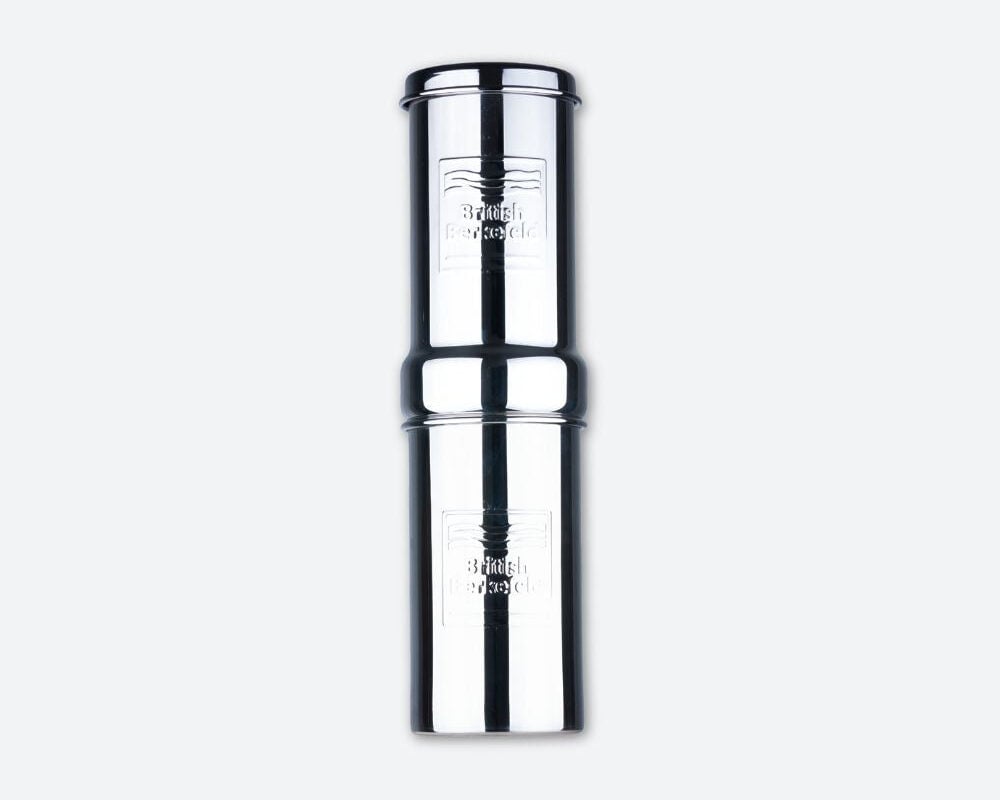
Ceramic filters represent one of the most effective and environmentally friendly approaches to water purification. These sophisticated filters work through a process called mechanical filtration, where water is forced through the porous ceramic material. The tiny pores in the ceramic medium trap contaminants while allowing clean water to pass through. Doulton ceramic filters have been engineered to perfection, with pore sizes typically measuring around 0.2 microns, small enough to block most particles that cause cloudiness and off-flavors.
The beauty of ceramic materials lies in their natural resistance to bacterial growth. Unlike synthetic filters that can become breeding grounds for microorganisms, ceramic maintains a hostile environment for bacteria and pathogens. This means homeowners receive genuinely cleaner water without worrying about filter degradation or microbial contamination between replacements. The ceramic material achieves this antimicrobial effect naturally, without requiring chemical treatments or synthetic additives.
Ceramic filtration has been used for water treatment for over a century, with proven track records in millions of households worldwide. The technology combines simplicity with effectiveness, no moving parts, no electricity requirements, no complex maintenance procedures. Water flows through ceramic under gravity or water pressure, making the system inherently reliable and straightforward.
Which Contaminants Get Removed
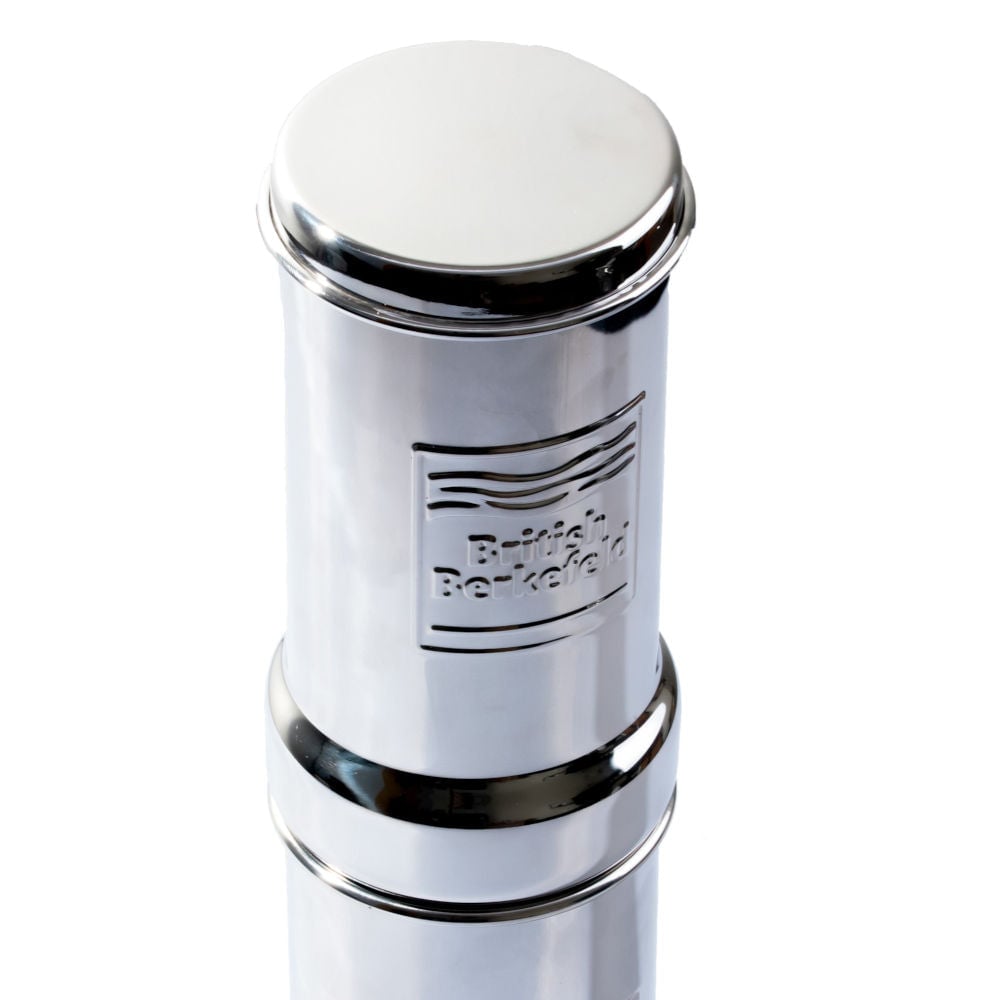
One of the primary reasons families choose Doulton filters is their impressive track record with contaminant removal. Ceramic filtration effectively eliminates sediment, sand, silt and other particulates that make water appear cloudy or discolored. These suspended solids often come from municipal water pipes, wear within plumbing systems or natural sources. Chlorine taste and odor, those persistent problems that plague municipal water systems, are substantially reduced, resulting in noticeably fresher-tasting water with improved palatability.
Beyond these visible improvements, ceramic filters also target microscopic threats. Protozoa such as Cryptosporidium and Giardia are effectively trapped by the ceramic medium. These single-celled organisms can cause serious gastrointestinal distress in vulnerable populations, making their removal critically important for family health. The mechanical barrier that Doulton provides is particularly valuable in areas where municipal water quality fluctuates or where natural water sources are uncertain.
Bacteria including E. coli and other harmful microorganisms measure approximately 0.5 to 5 microns in diameter, easily trapped by ceramic media with 0.2-micron pores. Testing demonstrates removal efficiencies exceeding 99.99% for targeted bacterial contaminants. This level of protection proves especially important for households with immunocompromised individuals, young children or elderly family members.
Longevity and Cost-Effectiveness
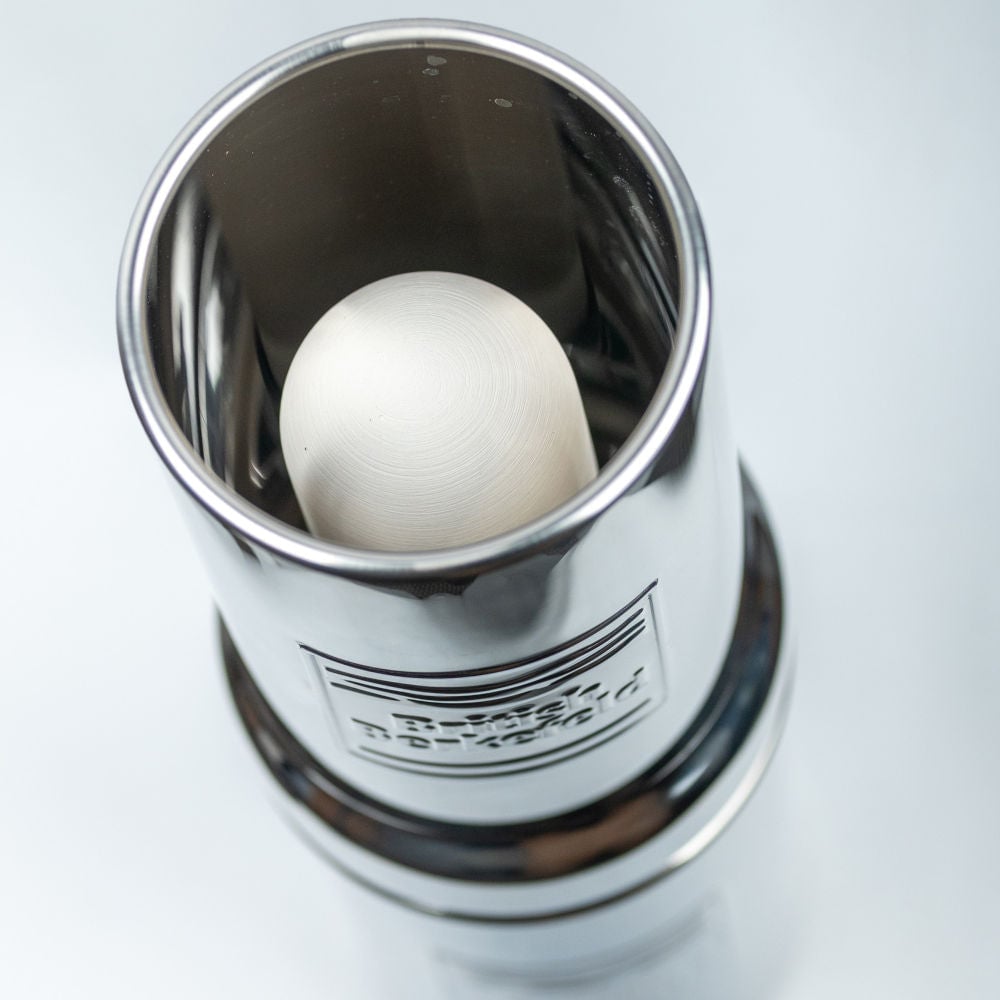
Initial investment in a quality ceramic filter system might seem higher than grabbing bottled water at the grocery store, but the mathematics of long-term use tell a compelling story. A single Doulton ceramic filter element can process thousands of liters of water before requiring replacement. For a typical household, this translates to many months of daily drinking water, far outpacing the efficiency of other filter types.
The durability of ceramic media means fewer replacements and lower annual maintenance costs. When homeowners calculate their water spending over five years, those who have invested in ceramic filtration systems consistently report savings compared to bottled water habits or frequent replacement cycles with lower-quality filters. This economic advantage grows even more pronounced for larger households or families with high water consumption habits.
The longevity advantage extends beyond the actual filtration element. Ceramic filters require minimal maintenance, occasional gentle backflushing restores performance without replacing the entire unit. This means fewer replacement cycles than carbon-based filters, which become progressively exhausted and require full replacement every few months.
Environmental Impact of Choosing Ceramic
Environmental consciousness drives many modern purchasing decisions and ceramic filtration aligns perfectly with sustainable living principles. Unlike bottled water, which generates mountains of plastic waste, ceramic filters produce minimal environmental impact. The ceramic elements themselves eventually reach end-of-life, but they’re far less problematic than plastic bottles accumulating in landfills for centuries.
By installing a Doulton ceramic filtration system, households actively reduce their carbon footprint. No trucks transport heavy water bottles across highways. No manufacturing facilities pump out plastic containers endlessly. Instead, a single system provides years of service with minimal resource consumption and waste generation.
Performance That Speaks for Itself
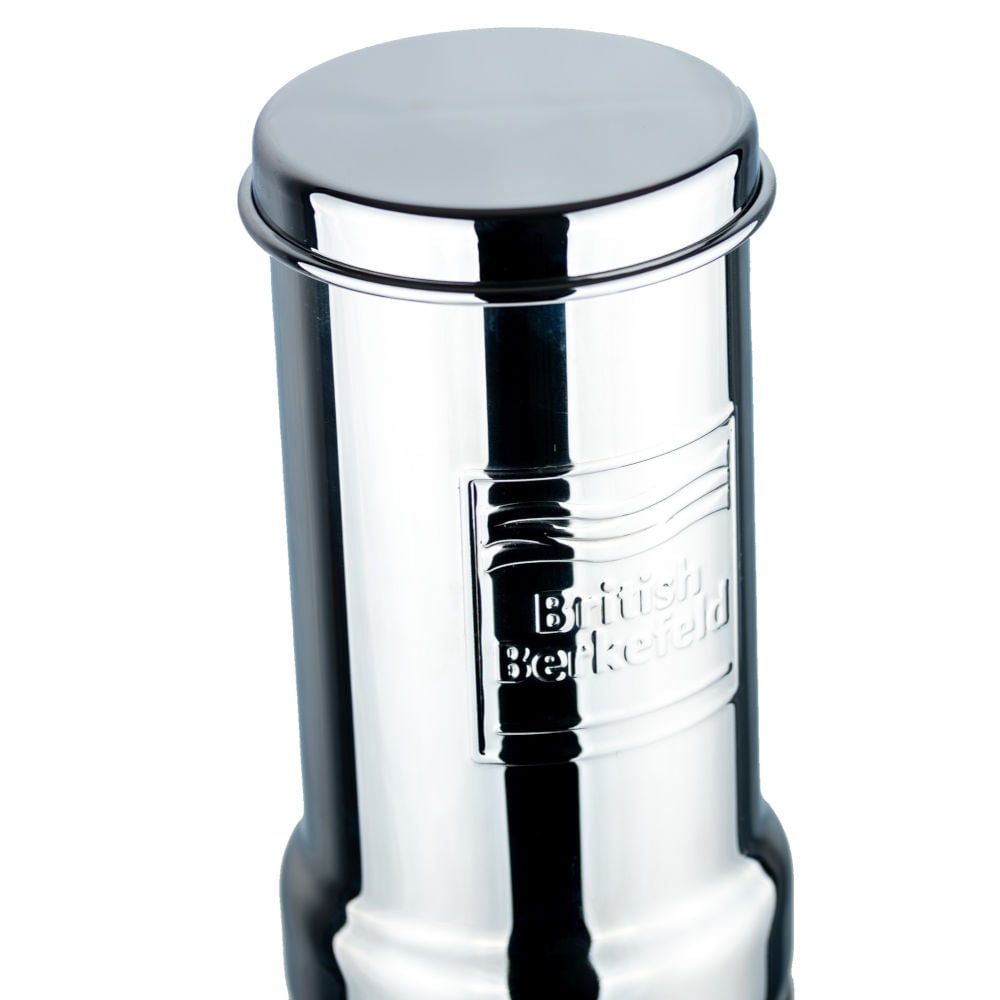
Water quality improvements from ceramic filtration systems are immediately apparent. The first glass of filtered water tastes noticeably better than untreated tap water. Visual clarity improves dramatically in areas with sediment issues. These tangible results have made ceramic filtration the choice of discerning households for generations, with consistent satisfaction rates and repeat purchases among families who value water quality.
- Removes sediment, silt and particulate matter down to 0.2 microns with 99%+ efficiency
- Effectively traps protozoa including Cryptosporidium and Giardia through mechanical filtration
- Reduces chlorine taste and odor for naturally fresh-tasting water without chemical additives
- Lasts thousands of liters per filter element, minimizing replacement frequency and expense
- Works without electricity, chemicals or ongoing maintenance beyond occasional backflushing
The investment in water quality today pays dividends tomorrow through better health outcomes and genuine cost savings. Ceramic water filtration remains the tried-and-tested solution for families serious about their drinking water quality and environmental responsibility.