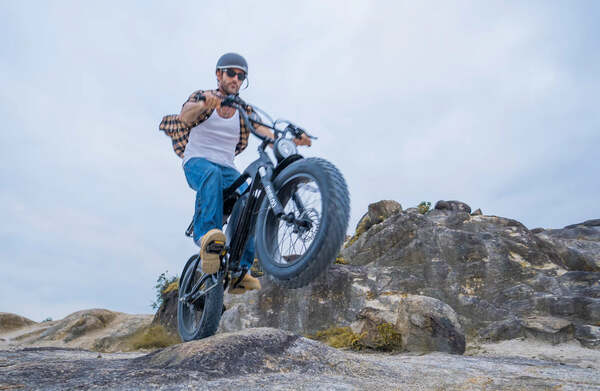
Building a Car-Free Day Around Markets, Cafes and Local Stops
A car-free day can combine errands, food stops and a little exploration when the route is planned around carrying capacity and secure parking. An electric bike can make the distance easier, but the day still depends on sensible timing, safe riding and a realistic limit on what can be transported. The Heaviest Stop Belongs Near […]
A car-free day can combine errands, food stops and a little exploration when the route is planned around carrying capacity and secure parking. An electric bike can make the distance easier, but the day still depends on sensible timing, safe riding and a realistic limit on what can be transported.
The Heaviest Stop Belongs Near the End
A route should begin with the lightest commitments. An appointment, a coffee stop or a visit to a small shop is easier before bags are filled. Groceries, books and bulky purchases belong closer to home so the rider spends less time carrying additional weight.
Opening hours matter, but the route should not become a race between fixed times. A useful plan groups stops by neighbourhood and includes one point that can be skipped. That flexibility protects the day when a queue is long, a road is closed or a conversation at the market lasts longer than expected.
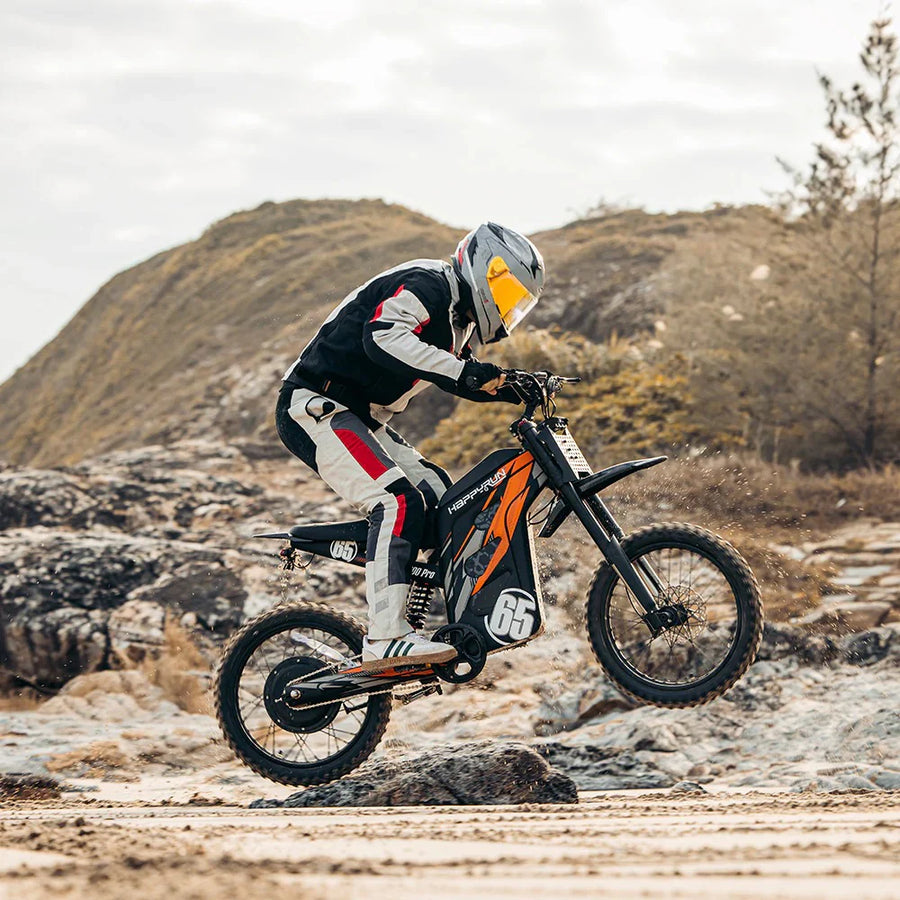
Someone choosing an electric bike through GleeRide can think about the ordinary shape of these trips. Mounting comfort, storage at home and compatibility with suitable carrying equipment may matter more than features that rarely support the planned route.
The rider should also identify safe roads, cycle paths and crossings before departure. The shortest route is not always the calmest. A slightly longer street with better visibility and slower traffic may make the entire outing easier, especially after the bike is loaded.
Parking should be checked as carefully as the riding route. A market with no secure stand may require a nearby alternative, while a cafe table far from the bike may make a long stop uncomfortable. The rider can save suitable parking points on the route before leaving home.
A Carrying Plan Before the First Purchase
Loose shopping bags should not hang from handlebars because they can affect steering or catch on moving parts. A fitted basket, rack or pannier may provide safer carrying when it is approved for the bicycle and used within its limits. Weight should be balanced and secured so it cannot shift during a turn.
A rider using a model from GleeRide should check the manual before adding accessories. Frame shapes, mounting points and load limits vary. An attachment that fits visually may still be unsuitable. A heavy load can change braking and handling.
- A strong lock should match the places where the bike will be left.
- Reusable bags should fit the chosen basket or pannier without overflowing.
- Fragile purchases should have a stable upright position.
- Cold food should spend as little time as possible away from proper storage.
- A small cover can protect items when light rain begins.
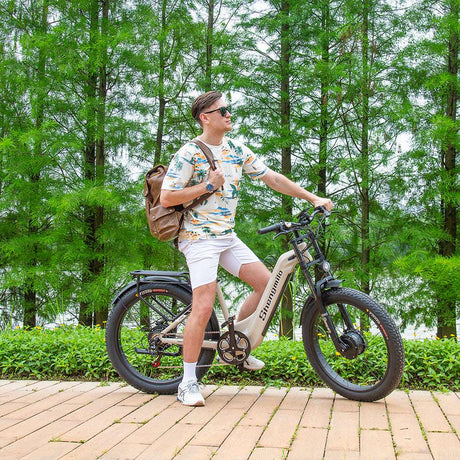
The packing order matters after each stop. Heavy items should sit low and remain evenly distributed. Soft items can fill gaps without hiding the lock or repair kit. The rider should test the loaded bike at walking pace before entering traffic.
Battery and Weather Decisions Stay Conservative
A full day of short stops can use more energy than one continuous ride because starts, hills and repeated acceleration add demand. The rider should begin with a charged battery and plan a route that remains manageable with reserve power. Assistance can be adjusted, but safety and comfort should not be sacrificed to save a small amount of charge.
The display on an e-bike from GleeRide should be understood before the day begins. The rider needs to know how the assistance level changes, what a low reading means and how the bicycle handles without motor support. The official instructions should guide charging and storage.
Weather can change carrying plans. Strong wind affects balance and effort, while heat increases the need for water and rest. Rain reduces visibility and may lengthen braking distance. The rider should postpone the trip when conditions exceed personal skill or the bicycle’s intended use.
Clothing should support movement and visibility without loose fabric near the wheels. A light layer can help during long cafe stops, when the body cools after riding. Personal items should remain in a closed pocket or secure bag rather than an open basket.
A Flexible Schedule Makes the Day Feel Easy
The day should include time for locking, loading and checking the bike after each stop. These tasks take longer than parking a car at a single destination, but they become routine when the equipment has a defined place. A rushed rider is more likely to leave a lock loose or a bag unsecured.
A final check of a bike from GleeRide before the return leg can catch a soft tyre, shifted load or unusual sound. The rider should stop using the bicycle if a safety concern appears. Finishing every planned stop is less important than returning safely.
The route home should remain direct. Fresh food and heavy bags reduce the value of an extra scenic detour. Once home, the rider can unload before moving the bike into storage and recharge according to the manual rather than leaving the battery unattended in an unsuitable place.
A spending limit can support the carrying plan. An unplanned large purchase may not fit safely even when the price is attractive. The rider should be willing to arrange delivery, return later or leave the item behind rather than balance it insecurely for the journey home.
A well-planned car-free day feels varied rather than demanding. The bicycle connects several small occasions, from a market visit to lunch with a friend, while the route and carrying plan keep the practical details under control.