Bring a Smarter Approach to Everyday Relaxation With Wearable Wellness Technology
Finding practical ways to unwind can be difficult when busy schedules leave little room for lengthy wellness routines. Meditation, breathing exercises and other relaxation practices can all have a place in daily life, but wearable technology is introducing another approach for people interested in building structured moments of calm into their routines. Pulsetto is a […]
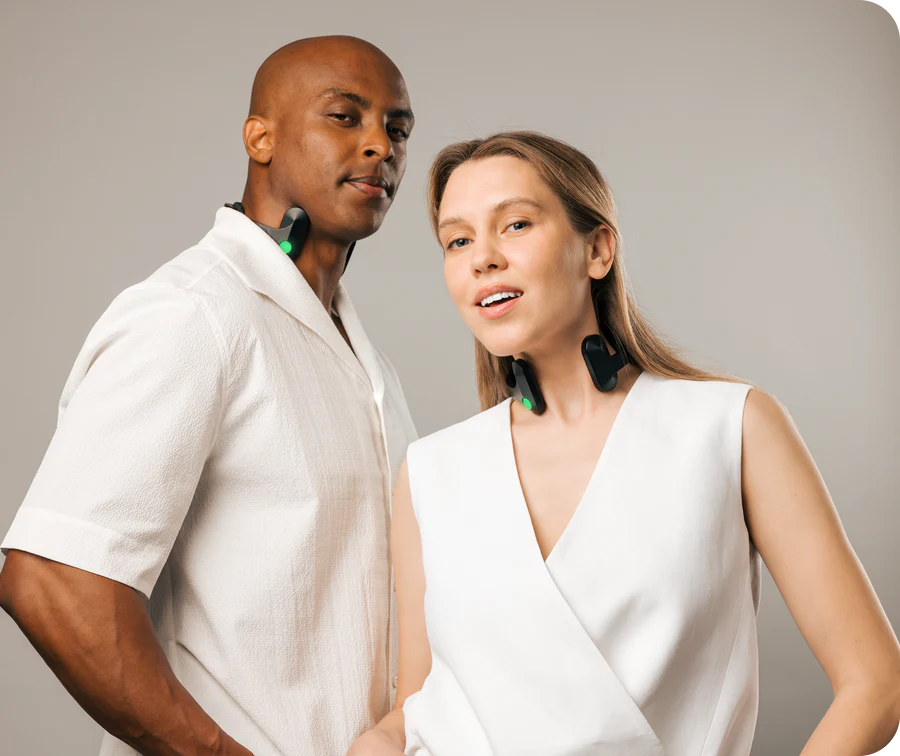
Finding practical ways to unwind can be difficult when busy schedules leave little room for lengthy wellness routines. Meditation, breathing exercises and other relaxation practices can all have a place in daily life, but wearable technology is introducing another approach for people interested in building structured moments of calm into their routines. Pulsetto is a wearable wellness device designed around non-invasive transcutaneous vagus nerve stimulation, combining gentle electrical stimulation with app-guided programs that can be used at home.
Rather than requiring implants or a visit to a clinic, the device sits around the neck and works together with conductive gel and a smartphone app. Its compact format, adjustable stimulation and guided programs make it an interesting option for adults exploring technology-supported relaxation and general wellbeing.
Key Points
- The wearable uses non-invasive transcutaneous vagus nerve stimulation through electrodes positioned around the neck.
- The free app provides five core stimulation programs designed around different wellness goals.
- Conductive gel helps create appropriate contact between the electrodes and skin.
- Intensity can be adjusted according to individual comfort.
- The device is rechargeable through USB-C and designed for repeated use.
- Optional premium app features expand the experience with additional programs and wellness content.
Understanding the Technology Behind the Wearable
The vagus nerve is an important component of the autonomic nervous system and is involved in communication between the brain and different areas of the body. Interest in non-invasive vagus nerve stimulation has led to the development of wearable technologies designed to deliver electrical stimulation through the skin rather than through surgically implanted devices.
Pulsetto uses this transcutaneous approach. The wearable is positioned around the neck, where electrodes deliver stimulation while the user controls the session through the companion app. The company positions the product as a wellness tool intended to support relaxation and everyday wellbeing.
Using the device involves a straightforward routine. Conductive gel is applied to the relevant contact area, the wearable is placed around the neck, and the device is connected to the app. A program can then be selected and the stimulation intensity adjusted.
Users may experience sensations such as tingling or local muscle contractions during stimulation. Starting at a low intensity and gradually increasing it according to the manufacturer’s instructions can help users become familiar with how the device feels.

App-Guided Programs for Different Wellness Routines
Hardware is only one part of the experience. The companion app acts as the main control centre, allowing users to choose programs, adjust settings and integrate sessions into their routines.
Pulsetto provides five core programs through the free version of its app. The exact naming can vary across current product materials, but the programs are structured around areas such as sleep, stress, anxiety or calm, release or pain-related wellness, and burnout or focus.
The advantage of app-based control is flexibility. Someone looking to create a quiet routine before bed may use the device differently from someone incorporating a short relaxation session into the middle of a demanding day.
Optional premium features expand the digital side of the experience. Depending on the current plan, these can include additional stimulation programs, personalised protocols, guided breathing, meditations, affirmations, wellness insights and integrations with selected health and wearable platforms.
The premium service is optional, so buyers should review what remains available through the free app and what requires an ongoing subscription before deciding whether the additional features are worthwhile.
What Comes With the Device
The system is designed to provide the essential components required to begin using it without assembling several unrelated accessories.
The core package includes
- A wearable vagus nerve stimulation device.
- Conductive electrode gel for skin contact.
- A USB-C charging cable.
- Access to the companion smartphone app.
- A user guide with setup and safety information.
- Access to five core stimulation programs.
The conductive gel is particularly important because it helps establish appropriate contact between the electrodes and the skin. Replacement gel will eventually be required with continued use, so this is one ongoing practical consideration for owners.
Battery performance varies between models. The FIT version is currently promoted with longer battery life than the Lite model, while both are rechargeable rather than relying on disposable batteries.
The Pulsetto FIT also introduces ergonomic changes intended to provide a more secure fit and includes a wave-like stimulation mode. This gives buyers a choice between the more straightforward Lite model and a newer version with additional comfort and performance features.
Pros and Cons of Wearable Vagus Nerve Stimulation
Convenience is one of the strongest advantages of this type of wellness technology. The wearable is hands-free once positioned correctly, sessions can be controlled through a smartphone, and the rechargeable design makes repeated use relatively straightforward. Short program lengths can also make the device easier to incorporate into an existing routine than practices requiring a substantial block of uninterrupted time.
Another advantage is customisation. Users can select different programs and adjust stimulation intensity instead of relying on one fixed experience. The combination of physical stimulation and optional breathing or meditation content also gives users different ways to structure relaxation time.
There are limitations to consider. The device should not be viewed as a substitute for medical treatment, and results or subjective experiences will differ between users. Some people may also dislike the tingling or muscle sensations associated with electrical stimulation.
The device requires a compatible smartphone and app for operation, and conductive gel needs to be used correctly. Premium digital features may involve an additional subscription after an introductory trial, so customers should check current terms before purchasing.

Safety Should Remain Part of the Decision
Wellness technology that applies electrical stimulation to the body requires more consideration than an ordinary wearable. Pulsetto states that its Lite and FIT products are wellness devices for adults rather than medical devices intended to diagnose, treat or prevent disease.
The company’s current safety guidance says the product is not recommended for people with certain cardiovascular conditions, a history of seizures or fainting, diagnosed neurological conditions, certain neck or head issues, active electronic implants such as pacemakers, or metal implants and surgical hardware near the neck. It also advises against use during pregnancy, cancer treatment or when the skin around the neck is broken or irritated.
Anyone uncertain about whether electrical vagus nerve stimulation is appropriate for their circumstances should discuss the device with a qualified healthcare professional before using it.
Users should also follow the manufacturer’s instructions regarding session length and frequency. More stimulation should not be assumed to produce better results. Comfort, correct positioning and adherence to the supplied guidance are more sensible priorities.
Building a Simple Technology-Supported Wellness Routine
One of the more practical aspects of Pulsetto is that it does not require users to redesign their entire day around the device. A session can be incorporated into a quiet period at home, paired with guided breathing, or included in an evening wind-down routine.
Consistency may make a wellness routine easier to evaluate. Instead of frequently changing methods, users can establish a comfortable schedule and pay attention to their own experience over time. App features and compatible health integrations can provide additional information for people who enjoy tracking habits and wellness data.
The device can also complement rather than replace familiar approaches to relaxation. Adequate sleep, physical activity, breaks from screens, breathing exercises and time away from work remain relevant regardless of whether wearable technology is part of the routine.
This makes the product most sensible when viewed as another tool within a broader approach to wellbeing rather than a single solution expected to resolve every source of stress or poor sleep.
Conclusion
Wearable wellness technology is making relaxation routines increasingly personalised and accessible. Non-invasive vagus nerve stimulation offers a distinctive approach by combining physical stimulation with app-based control, adjustable intensity and guided programs that can fit into everyday life.
With rechargeable Lite and FIT devices, five core app programs, conductive gel and optional premium wellness features, Pulsetto provides a structured way for adults to explore technology-supported relaxation. Used according to the manufacturer’s safety guidance and with realistic expectations about what a wellness device can provide, it offers an interesting addition to a broader routine centred on rest, relaxation and everyday wellbeing.