
Ancient Traditions Come Alive Cultural Heritage and Authentic Experiences at Xcaret Global
Discover authentic Mexican and Mayan cultural heritage traditions at Xcaret Global through live performances, ancestral cuisine, artisan demonstrations, and spiritual experiences celebrating centuries-old heritage.
In an era of increasingly homogenized tourist destinations, discovering authentic cultural heritage and traditions has become a precious rarity. Yet nestled within the dense jungles of Mexico’s Riviera Maya lies a place where thousands of years of Mayan civilization continue to breathe, where cultural heritage traditions passed down through generations remain not merely preserved but actively celebrated. Xcaret Global has become a custodian of Mexican cultural heritage, creating spaces where visitors can experience authentic traditions while directly supporting the communities from which these practices originate.
Living Cultural Heritage Through Performance and Dance
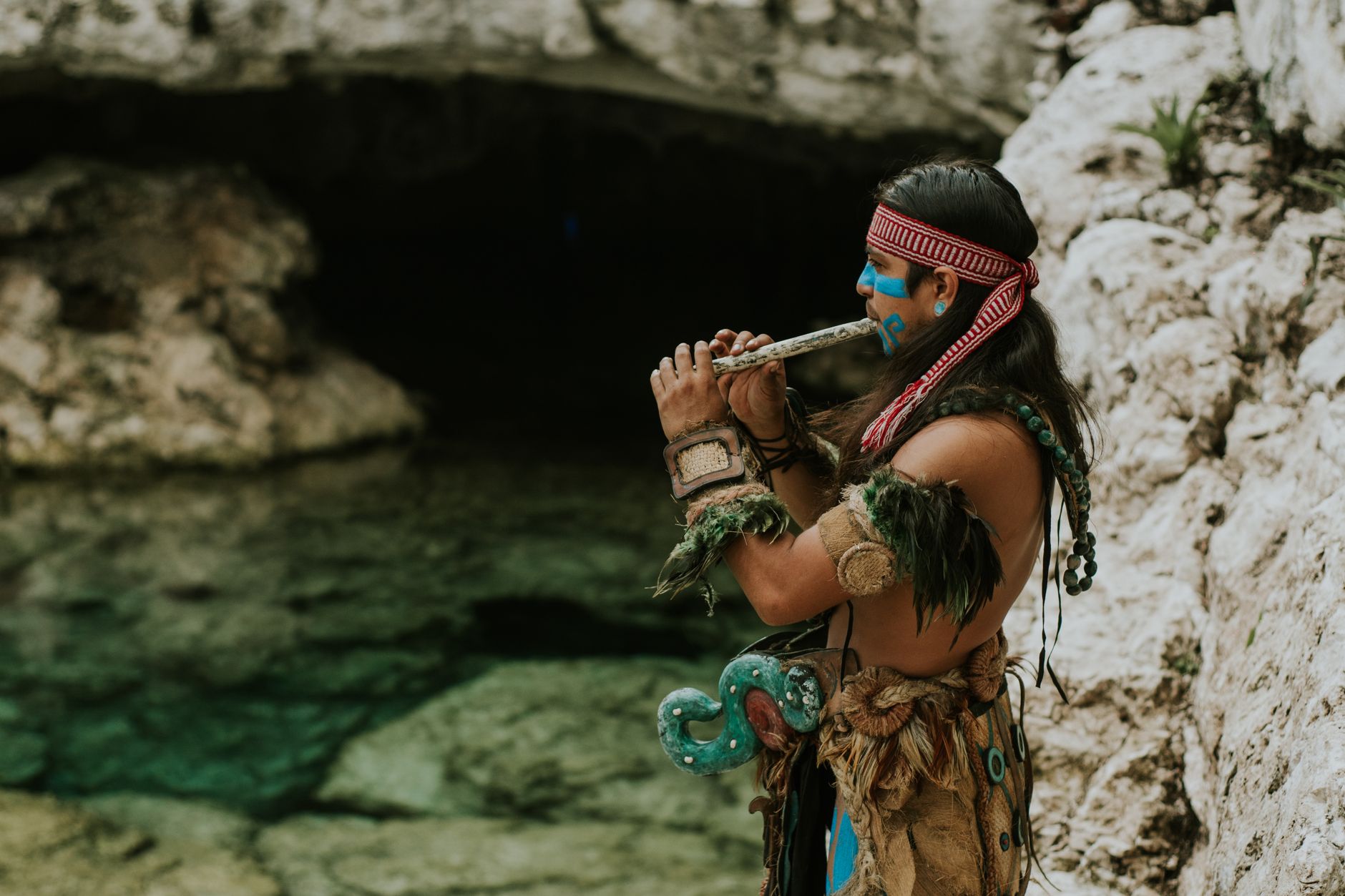
The most immediate way to experience authentic cultural heritage traditions at Xcaret Global parks is through their legendary performances. These aren’t recreated approximations or simplified entertainment, they’re expressions of living tradition performed by artisans, dancers and cultural practitioners who have inherited their skills through family lineage. The traditional Mayan ball game, known as pok-ta-pok, demonstrates techniques and rules unchanged for over two thousand years. Watching athletes reenact this sacred sport provides visceral understanding of how central it was to Mayan civilization.
Dance performances showcase the cultural diversity across Mexico’s regions. You’ll witness traditional folk dances from Veracruz with their flirtatious energy, spiritual dances from indigenous communities that tell creation stories through movement and contemporary interpretations of classical Mexican traditions. The commitment to accuracy in these presentations means costumes, music and choreography reflect genuine cultural practices rather than tourism industry inventions. Many performers share their own family histories, explaining how their grandparents taught them these dances in preparation for performances like these.
Culinary Traditions and Authentic Mexican Cuisine
Mexican gastronomy stands as one of UNESCO’s Intangible Cultural Heritages and Xcaret Global takes this designation seriously. Rather than the Americanized interpretations served at most tourist establishments, dining options here feature recipes passed down through families for generations. Corn tortillas are made fresh from masa prepared the traditional way, employing nixtamalization processes unchanged since pre-Columbian times. This ancient technique of treating corn with alkaline substances fundamentally transforms the grain’s nutritional availability and flavor profile.
Beyond simple technique, the restaurants employ cultural anthropologists and historians who help ensure that dishes reflect authentic regional variations. You might encounter mole negro from Oaxaca, a sauce requiring twenty-plus ingredients and hours of preparation, prepared exactly as it would be for family celebrations in its region of origin. Fresh seafood ceviche arrives prepared in methods perfected along Mexico’s coasts over centuries. Agricultural traditions receive equal emphasis, with produce sourced from indigenous farming communities using pre-Columbian agricultural techniques preserved specifically because they produce superior flavor and nutritional density.
Artisan Crafts and Indigenous Cultural Heritage
Within Xcaret Global parks, artisans work in visible spaces, creating traditional crafts using methods that have endured for centuries. Weavers demonstrate intricate techniques producing textiles with symbolic patterns that tell stories within their communities. Potters shape clay using hand techniques that predate the pottery wheel. Stone carvers produce pieces using tools and methods employed by the ancestors who built Mayan temples and pyramids. These aren’t performances staged for tourists, they’re working artisans maintaining their cultural heritage traditions while earning income directly, ensuring these practices won’t disappear when tourism trends shift.
- Live performances of traditional Mayan ball games and regional dance
- Authentic Mexican cuisine prepared using ancestral techniques
- Visible artisan workshops demonstrating traditional crafts
- Interactive cultural demonstrations and hands-on learning
- Indigenous artist markets supporting direct community benefit
Archaeological Understanding and Maya Spirituality
The most profound cultural experiences occur when visitors develop genuine understanding of Mayan cosmology and spirituality. Xcaret Global employs archaeologists and indigenous cultural specialists who explain not just what ancient ruins represent, but why they mattered spiritually to the civilizations that built them. Cenotes transform from interesting geological formations into sacred spaces central to Mayan religious practice. Pyramids become more than architectural achievements, they emerge as representations of cosmic mountains bridging earthly and divine realms. This context transforms your exploration from sightseeing into genuine cultural education.
Evening cultural ceremonies and celebrations provide opportunities to witness how Mayan traditions continue in contemporary practice. These aren’t invented attractions but actual celebrations of seasonal cycles, agricultural harvests and spiritual observances maintained by indigenous communities. Participating in such ceremonies, even as respectful observers, creates genuine cultural exchange where visitors develop appreciation for living traditions rather than archaeological artifacts.
Supporting Cultural Continuity
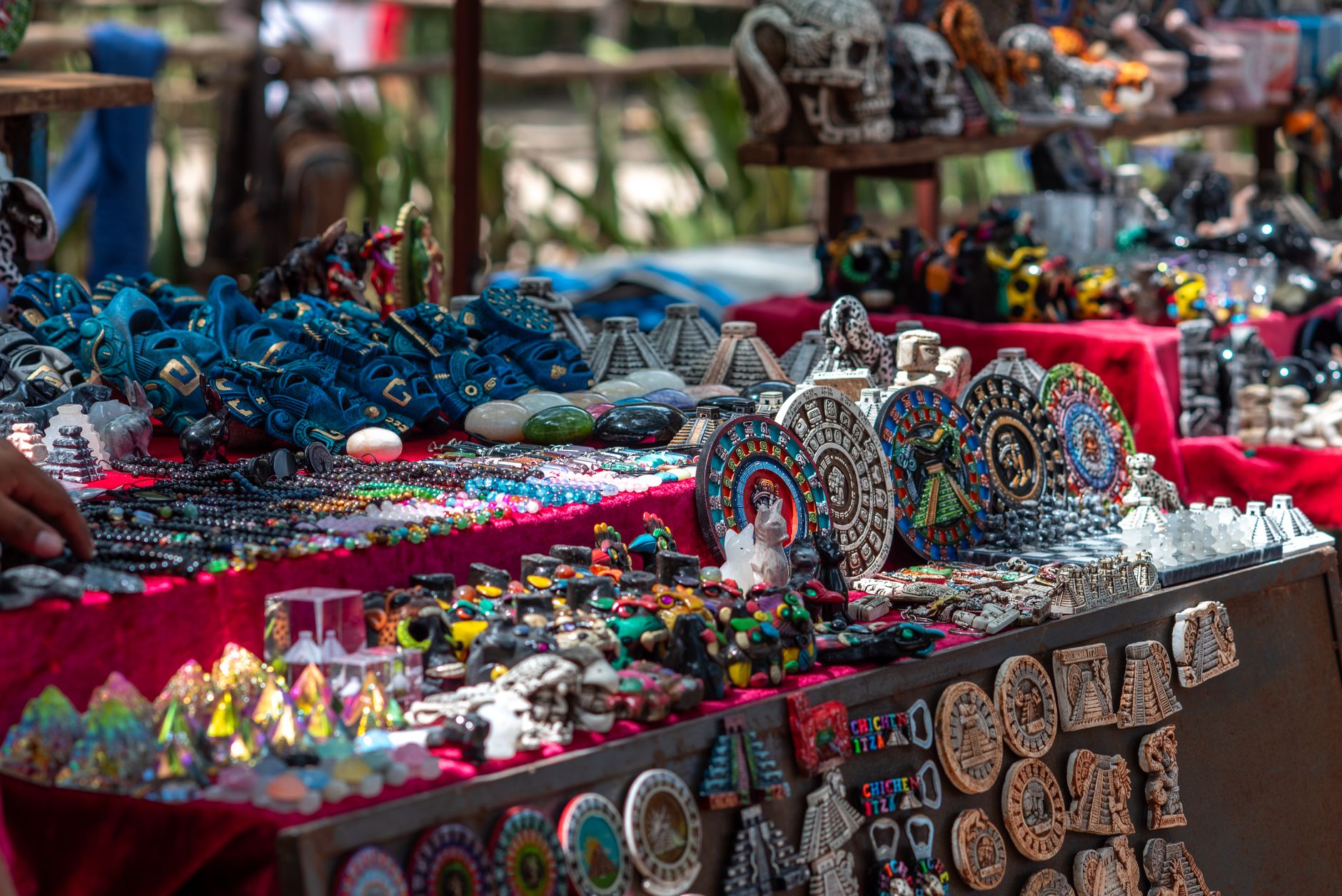
A critical distinction sets Xcaret Global apart from many cultural tourist attractions. Revenue generated from these experiences directly supports the artisans, performers and cultural practitioners who maintain these traditions. This creates economic incentive for younger generations to continue learning traditional skills rather than abandoning them for tourism industry jobs offering higher immediate income but no cultural continuity. By choosing cultural experiences at these parks, visitors participate in cultural preservation economics, ensuring that traditions survive not as museum pieces but as living practices within active communities. The authenticity you’ll encounter reflects this commitment to genuine cultural support rather than exploitation of cultural imagery for profit.