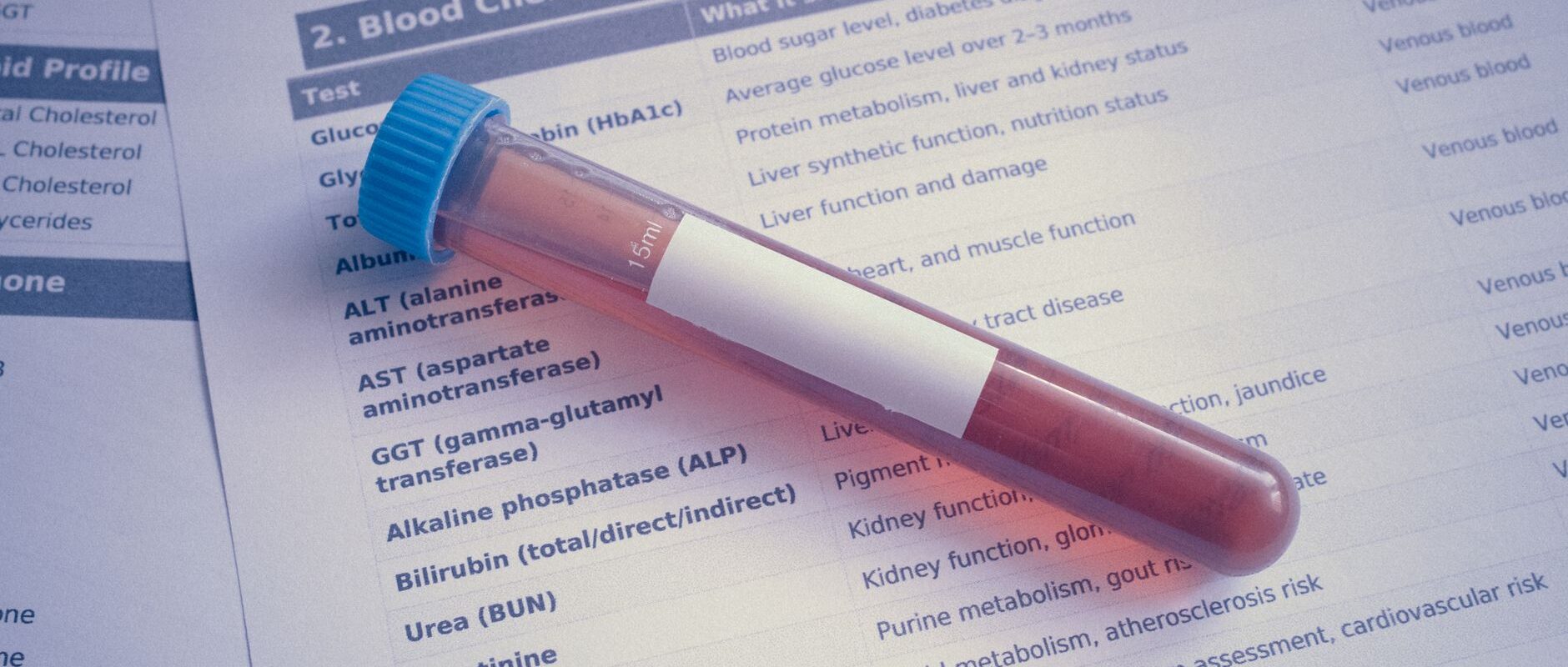
Essential Health Screenings Everyone Needs Know Your Numbers
Health screenings detect disease before symptoms appear. Learn which tests you need, when to get them, and why catching problems early saves lives.
You might feel perfectly fine, but that doesn’t mean everything is fine inside your body. Diseases like heart disease, diabetes and certain cancers often develop silently without any symptoms until significant damage has already occurred. This is where health screenings come in. A screening test detects disease in people without symptoms, ideally before serious complications develop and when treatment options are most effective. Understanding which screenings are appropriate for your age and risk factors is crucial to preventing serious disease or catching it early when it’s most treatable.
Blood Pressure Screening Your Cardiovascular Snapshot
High blood pressure or hypertension, is called the silent killer because most people don’t feel any symptoms at all. Yet elevated blood pressure damages blood vessels over time and increases your risk of heart attack, stroke, kidney disease and dementia. Everyone should have their blood pressure checked regularly, ideally annually for people with normal readings and more frequently if elevated. Blood pressure above 130/80 is considered elevated and 140/90 or higher is classified as high. Check My Body Health recommends establishing your baseline early and monitoring trends over time. If your blood pressure is elevated, lifestyle changes like increased exercise, dietary modifications, reducing sodium intake and stress management can often improve readings before medication becomes necessary.
Cholesterol Testing Understanding Your Heart Health
Cholesterol testing measures total cholesterol, LDL cholesterol (bad cholesterol), HDL cholesterol (good cholesterol) and triglycerides. High cholesterol contributes to plaque buildup in your arteries, increasing your risk of heart disease and stroke. Yet many people with dangerously high cholesterol feel completely fine and have no warning signs. Standard recommendations suggest cholesterol screening every 5 years for healthy adults starting at age 20. Men ages 40-75 and women ages 50-75 at higher risk for heart disease should be screened more frequently. Check My Body Health can help interpret your cholesterol numbers and develop a comprehensive plan to improve them through diet, exercise and if needed, medication.
Blood Glucose Screening Detecting Diabetes Early
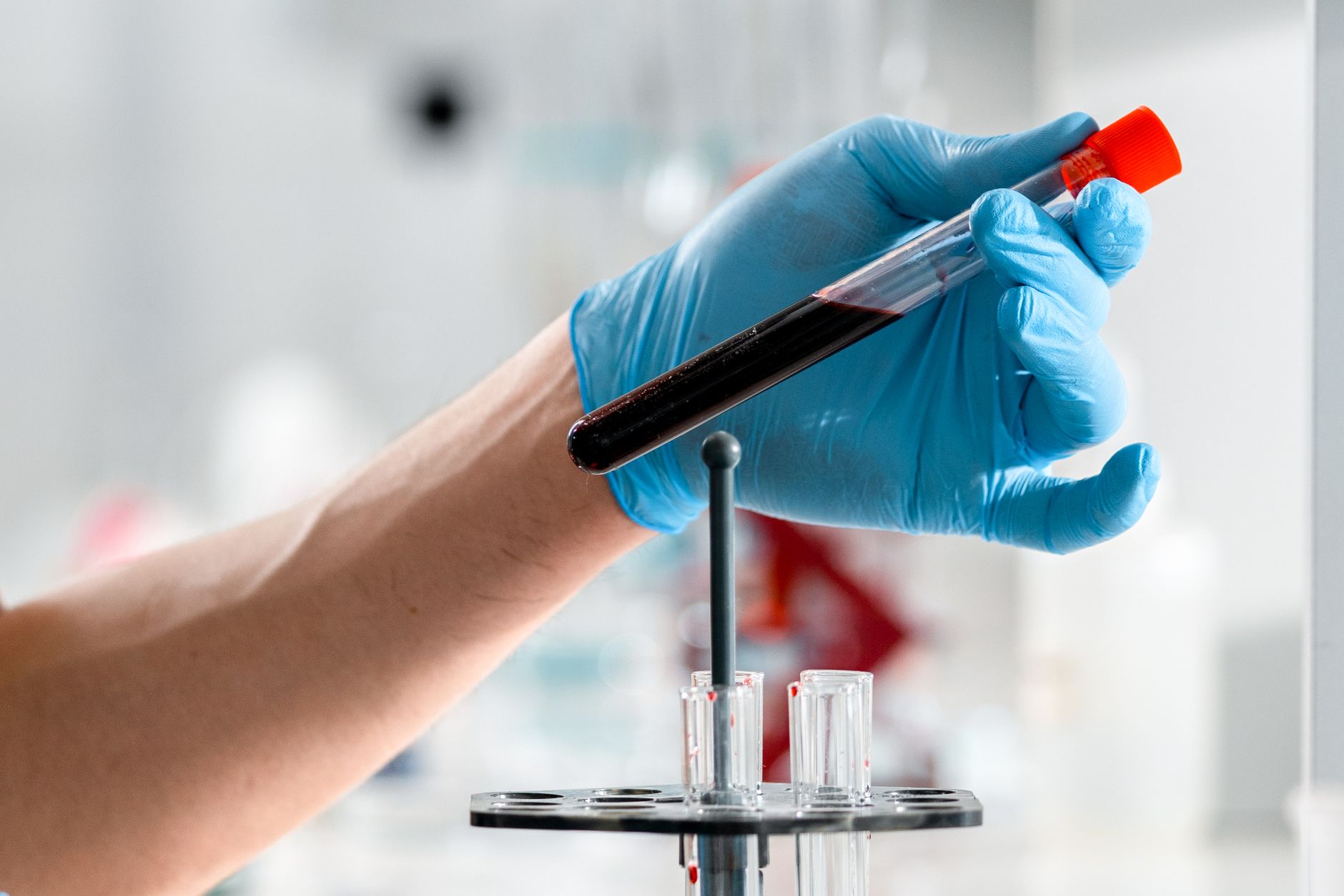
Type 2 diabetes often develops gradually and many people have it without knowing because early-stage diabetes has few or no symptoms. Screening involves a fasting blood glucose test or hemoglobin A1C test that measures average blood sugar over the previous 3 months. Diabetes increases risk of heart disease, stroke, kidney disease, blindness and lower-limb amputation. Early detection allows for lifestyle interventions that can prevent or significantly delay the disease. Check My Body Health recommends screening starting at age 45 or earlier for people with risk factors like obesity, family history of diabetes or sedentary lifestyle. If you’re at risk, dietary changes, weight loss and increased physical activity can significantly improve glucose control and prevent disease progression.
Cancer Screenings Age and Risk-Appropriate Testing
Different cancers require different screening approaches based on your age and individual risk factors. Colonoscopy screens for colorectal cancer starting at age 50, earlier if family history indicates. Mammography screens for breast cancer starting at age 40-50 depending on individual guidelines. Pap smears screen for cervical cancer starting at age 21. Prostate screening for men is more controversial but worth discussing with your healthcare provider. Lung cancer screening is recommended for heavy smokers or former heavy smokers. Check My Body Health helps you understand which screenings are appropriate for you and addresses the anxiety many people feel about these tests.
Liver and Kidney Function Silent Organ Health
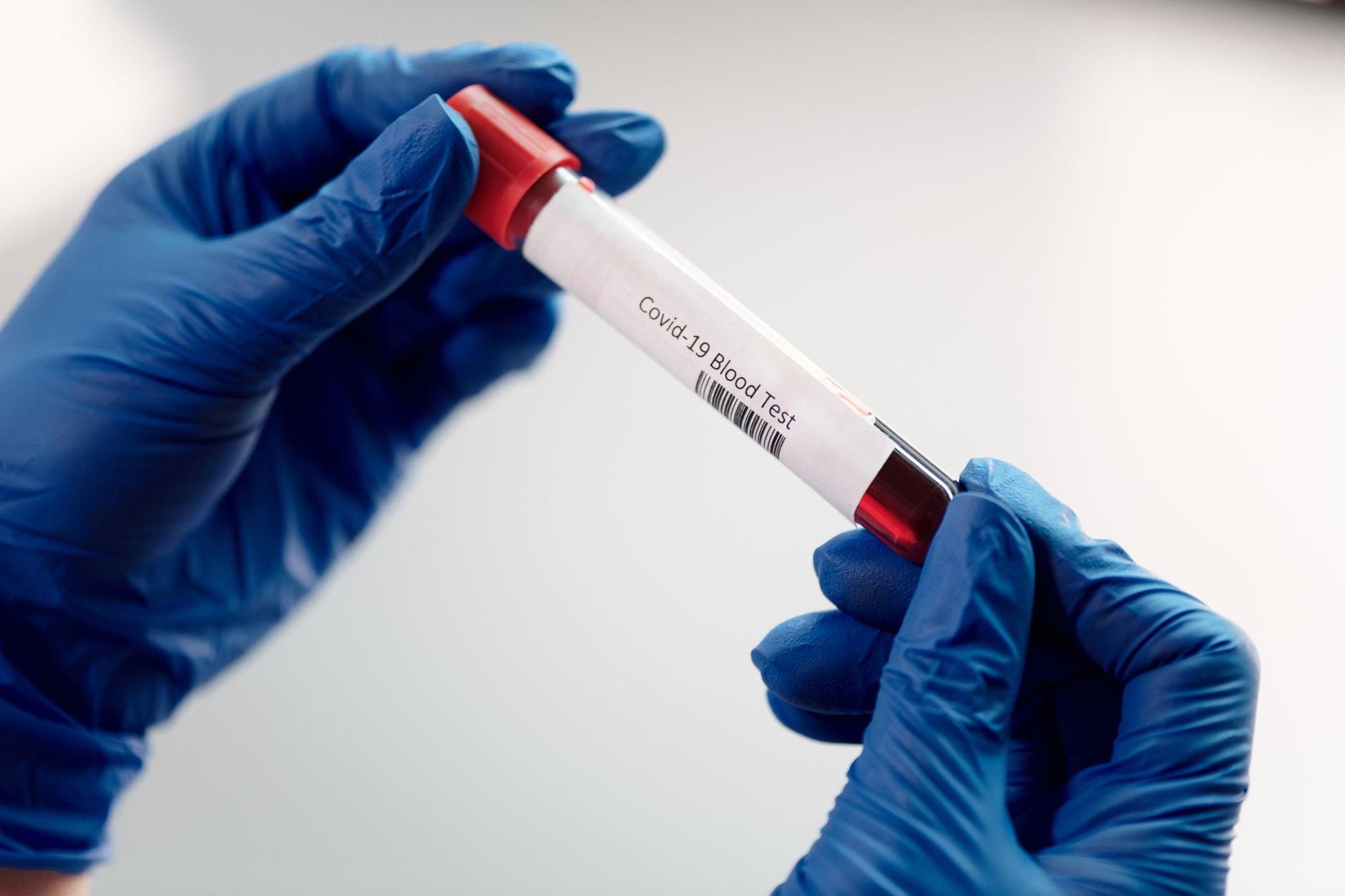
- Blood tests measuring liver enzymes (AST, ALT) detect inflammation or damage from alcohol use, medications or disease.
- Kidney function tests (creatinine, eGFR) assess how well your kidneys filter waste, important for anyone with hypertension or diabetes.
- Thyroid function tests (TSH) screen for conditions affecting metabolism, energy levels and mood regulation.
- Complete blood count (CBC) identifies anemia, infection and other blood abnormalities that might indicate serious underlying conditions.
Preventive Health Creating a Screening Schedule
Rather than waiting until symptoms appear, develop a comprehensive screening schedule appropriate for your age, gender and individual risk factors. Your baseline screenings establish reference points that allow doctors to identify trends over time. Someone with a total cholesterol of 220 might not be alarmed, but if it was 180 five years ago and is climbing steadily, that’s important information warranting intervention. Screenings work best when viewed longitudinally, how are your numbers trending over time? This is where regular checkups with Check My Body Health become invaluable. Professionals can track your health over months and years, identify subtle changes before they become serious problems and intervene appropriately. Getting screened isn’t about catastrophizing or being paranoid, it’s about taking control of your health and catching problems when they’re most treatable. Many serious diseases are nearly 100% preventable or completely treatable if caught early, but devastating if ignored until symptoms force emergency care. Make screening a routine part of your annual health maintenance and you’ll be taking a major step toward a longer, healthier life.