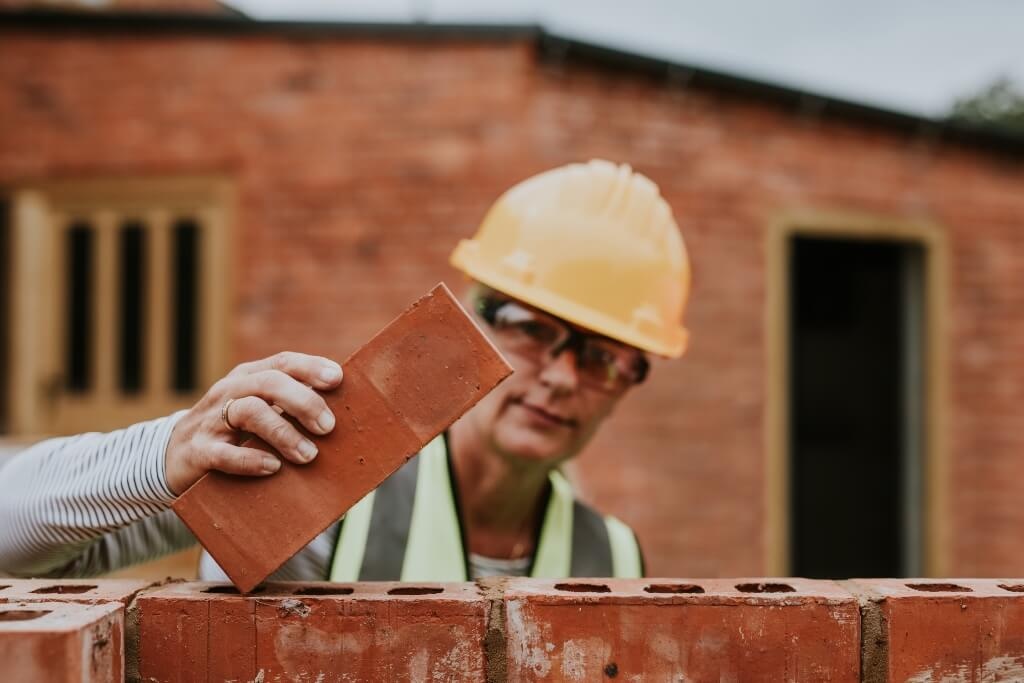
Built From the Ground Up: Choosing the Right Bricks and Blocks with HSS
A wall may look simple once it is finished, but what goes into it is anything but random. The bricks or blocks you choose can depend on whether you are creating an internal partition, repairing a garden wall, constructing an extension, tackling a retaining wall or working on foundations. Get that first decision right and […]
A wall may look simple once it is finished, but what goes into it is anything but random. The bricks or blocks you choose can depend on whether you are creating an internal partition, repairing a garden wall, constructing an extension, tackling a retaining wall or working on foundations. Get that first decision right and the rest of the project has a much stronger starting point. HSS brings bricks and blocks into its wider building materials range, with options aimed at different structural and visual requirements. From engineering and facing bricks to concrete blocks and air bricks, the emphasis is refreshingly practical: choose materials according to what the wall actually needs to do. For trade professionals and capable DIYers alike, that makes the HSS range a useful place to begin planning a masonry project.
Which bricks are best for retaining and structural walls?
Retaining walls need materials selected for strength and exposure rather than appearance alone. HSS highlights high-strength, weather-resistant red engineering bricks as an option where strong structural support is required, making the distinction between these and more decorative bricks important before ordering materials. A garden boundary that simply needs to look attractive has different demands from masonry expected to retain soil or cope with more challenging conditions. Engineering bricks are therefore the business end of the brick aisle: their job is performance first. Buyers should still ensure the selected materials and wall design are suitable for their particular project, especially where structural work is involved, but the HSS range makes it easier to start by shopping according to the intended application rather than treating every brick as interchangeable.
Which bricks should you choose for visible walls?
Facing bricks make sense when the finished brickwork will remain visible because appearance becomes part of the specification. HSS offers facing bricks in different colours and textures, allowing the masonry itself to contribute to the finished look rather than simply acting as a structural layer destined to disappear behind another surface. That matters for garden walls, extensions and other exposed brickwork where mismatched colour or texture can be surprisingly noticeable. The smartest choice is not necessarily the most dramatic brick; it is the one that works convincingly with the surrounding property and the style of wall being constructed. Compared with engineering bricks, which are selected primarily for demanding performance, facing bricks place more emphasis on the visual finish. It is a useful distinction that prevents shoppers from choosing solely by colour when the wall’s actual purpose should always come first.
Which blocks work for load-bearing walls?
Load-bearing walls call for materials capable of handling structural demands, and HSS positions its concrete blocks for applications including foundations, partitions and retaining walls. The range includes different sizes, helping builders choose blocks according to the requirements of the job rather than forcing one format into every project. HSS also highlights high thermal insulation within its concrete block offering, an important consideration when wall construction is part of a wider building project. Blocks can make excellent sense when speed, structural performance and wall construction efficiency matter more than creating a decorative exposed-brick finish. The trade-off is straightforward: a beautiful facing brick may be the star when appearance matters, while concrete blocks are often doing the less glamorous but extremely important work behind the scenes. Always match the block specification to the actual structural design rather than choosing on size or convenience alone.
Which concrete blocks are suitable for cavity walls?
Cavity walls require components selected specifically for that construction method, and HSS states that its bricks and blocks range includes concrete blocks suitable for building cavity walls. This is a good example of why buying masonry materials by use case is more useful than simply comparing dimensions. A block is not automatically suitable for every wall simply because it physically fits the space. Cavity wall construction forms part of a wider system, so the appropriate block needs to work alongside the rest of the specified materials and design. HSS places bricks and blocks within a broader building materials department that also includes mortar and render, lintels, reinforcing metalwork, wall ties and other construction essentials. For larger projects, having these related categories available through the same retailer can make sourcing considerably less fragmented.
Why are air bricks important in building projects?
Air bricks have a very different role from standard masonry: they are designed to help provide ventilation. HSS lists red clay air bricks intended to encourage air circulation between floors and cavities, helping protect internal voids against problems associated with damp and rot. The retailer’s air bricks are also described as resistant to freeze-thaw effects and suitable for both new-build and refurbishment work. That makes them a functional component rather than simply another variation of a conventional brick. HSS offers red terracotta options, including a 215 x 65 mm format, so ventilation can be incorporated while maintaining a finish that complements traditional brickwork. For buyers, the key is remembering that ventilation requirements should be planned into the project rather than treated as an aesthetic afterthought once the wall has already gone up.
Are HSS bricks and blocks better for professionals or DIY projects?

The HSS bricks and blocks range can serve both audiences because it covers projects ranging from repairing a garden wall to constructing internal walls and house extensions. A confident DIYer dealing with straightforward non-structural work may appreciate being able to shop by application, while tradespeople can combine masonry purchases with other building materials and equipment available through HSS. The important dividing line is not who is holding the trowel but how technically demanding the project is. Structural, load-bearing, retaining and foundation work may require professional design or installation, whereas smaller repairs can be much more approachable. In either case, buying the correct type of brick or block matters more than simply finding the cheapest unit. Saving a little on the wrong material is rarely the bargain it initially appears to be.
Strong Walls Start With Smarter Material Choices
The most sensible reason to shop the HSS bricks and blocks range is not sheer variety for variety’s sake; it is the ability to approach masonry according to the job at hand. Engineering bricks address demanding structural applications, facing bricks provide colour and texture where appearance matters, concrete blocks cover applications including foundations and load-bearing construction, while air bricks introduce necessary ventilation in appropriate projects. Add access to related building materials and equipment, and HSS becomes particularly useful for buyers who would rather plan the whole job than chase individual components from multiple places. For DIY customers, the range offers a practical starting point for repairs and smaller builds; for trade professionals, the wider building catalogue makes more substantial project sourcing easier. A good wall ultimately depends on much more than neat mortar joints—and choosing the right brick or block is where the real groundwork begins.