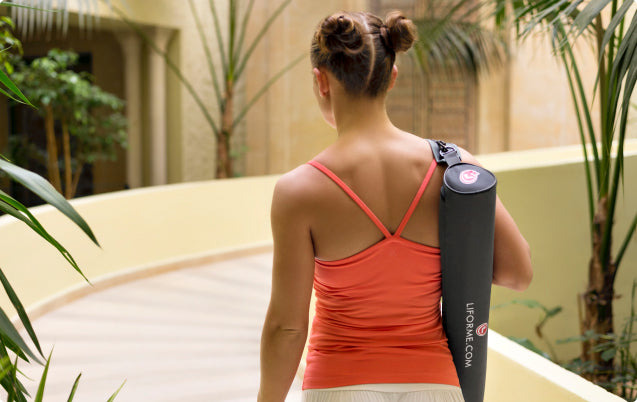
Setting Up an Outdoor Yoga Session That Stays Comfortable
An outdoor yoga session can feel refreshing, but the setting introduces uneven ground, changing light and practical cleanup. A comfortable practice depends less on the view than on choosing a safe surface, adjusting the sequence and protecting the equipment from conditions it was not designed to ignore. The Ground Has the Final Say A lawn […]
An outdoor yoga session can feel refreshing, but the setting introduces uneven ground, changing light and practical cleanup. A comfortable practice depends less on the view than on choosing a safe surface, adjusting the sequence and protecting the equipment from conditions it was not designed to ignore.
The Ground Has the Final Say
A lawn may look smooth from a distance while hiding roots, holes and damp patches. Sand shifts under weight and paved surfaces can feel hard on joints. The practitioner should inspect the full mat area, remove sharp debris and choose a position with enough space for arms and legs.
A mat from Liforme can create a familiar practice surface, but it cannot correct an unsafe base. The practitioner should avoid placing any mat over glass, thorns or unstable ground. A thin outdoor cloth beneath the mat may protect it when the surface is dusty, provided that the layers do not slide.
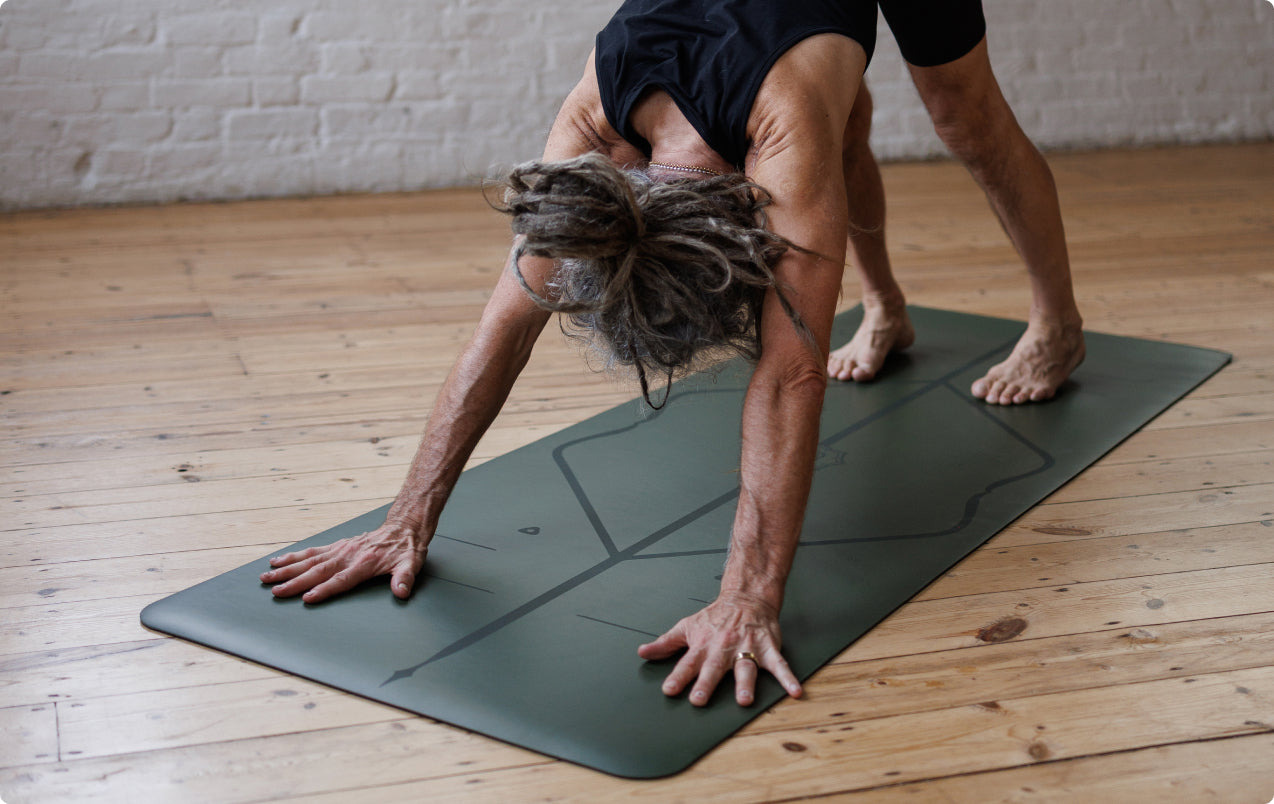
Slope changes balance. Even a gentle incline can make standing poses feel uneven and place more pressure on one side. The practitioner can rotate the setup or choose a flatter area instead of treating the slope as an extra challenge.
Public spaces also require awareness. The mat should not block paths, sports areas or access points. A quiet corner is useful only when it remains lawful and considerate. Local park rules may restrict group classes, amplified sound or commercial activity.
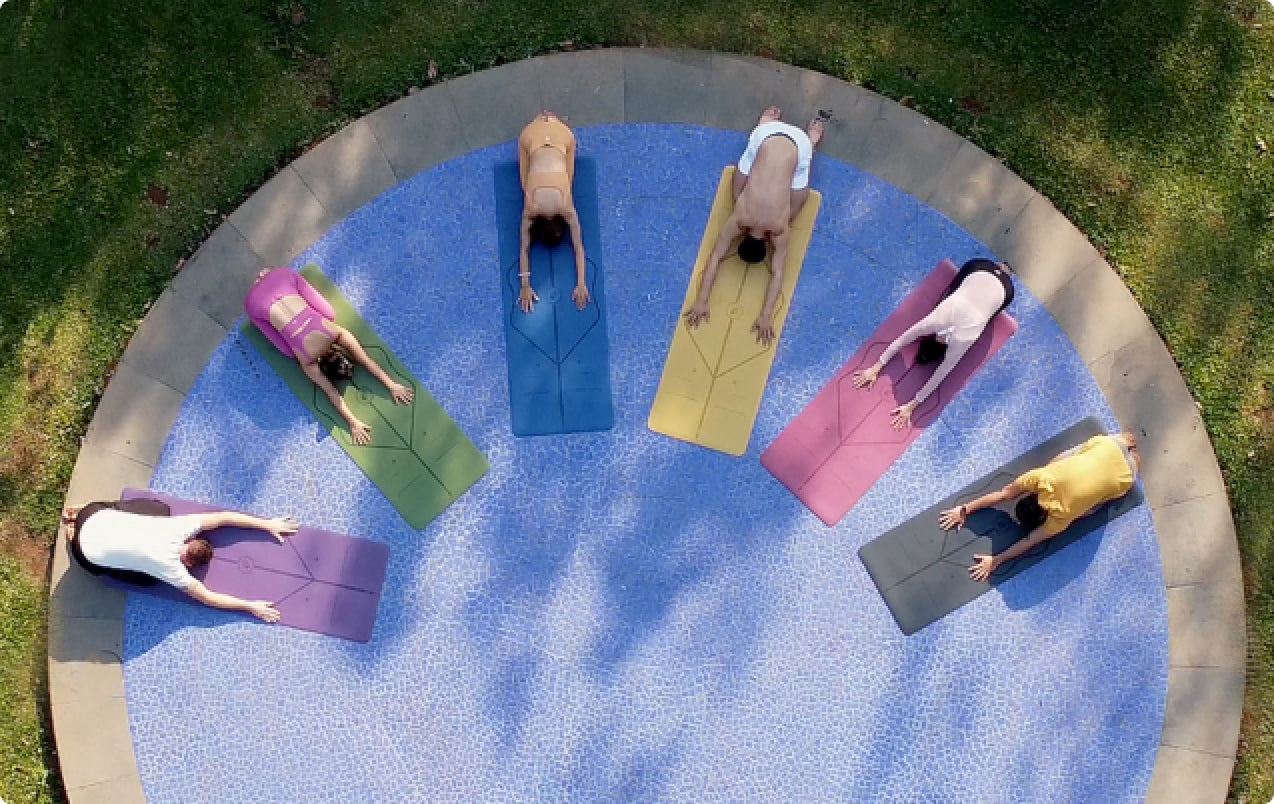
A group session needs more space than the mats alone suggest. Participants require room to enter poses without touching and a clear path to leave if someone feels unwell. The teacher should keep bags away from the practice area and avoid placing the group where cyclists or runners need to change direction.
A Simple Outdoor Setup
The setup should be compact enough to move if shade disappears or the ground becomes busy. Accessories from Liforme can be included when they address a real need, but every extra item must be carried, protected and cleaned.
- The mat area should be checked for moisture and sharp debris.
- A filled bottle should sit where it cannot roll into the practice space.
- Sun protection should be applied before the session begins.
- A light layer should remain nearby when the air feels cool.
- A clean cloth should be reserved for the mat after practice.
A phone can stay available for emergencies, but notifications should be silenced and the device should remain out of direct sun. Keys and valuables belong in a closed bag placed within sight rather than beneath the edge of the mat.
Pollen, insects and nearby animals can change the session quickly. A practitioner with allergies should follow established medical guidance and choose a location that does not create unnecessary exposure. Food should remain sealed so the practice area does not attract insects or wildlife.
Shade and Wind Change the Sequence
Direct sun can make a mild session demanding. The practitioner should choose shade when possible, shorten long holds and include rest before discomfort appears. Heat tolerance varies. An outdoor plan should never pressure a person to continue through dizziness or unusual fatigue.
Wind affects balance and temperature. Wide standing poses may feel less stable during a gust, while long still poses can become cold when clothing is damp. A lower sequence with deliberate transitions may suit the conditions better than a fast routine copied from indoors.
Alignment markings on a mat from Liforme may help a practitioner check position when the surrounding ground makes visual references less reliable. The markings remain a guide rather than a command. Individual anatomy and qualified instruction should shape how each pose is adapted.
Outdoor sound changes concentration. Children, birds and traffic may remain audible. The practitioner can treat those sounds as part of the setting without forcing complete silence. Headphones are usually unsuitable when awareness of cyclists, dogs or approaching weather is important.
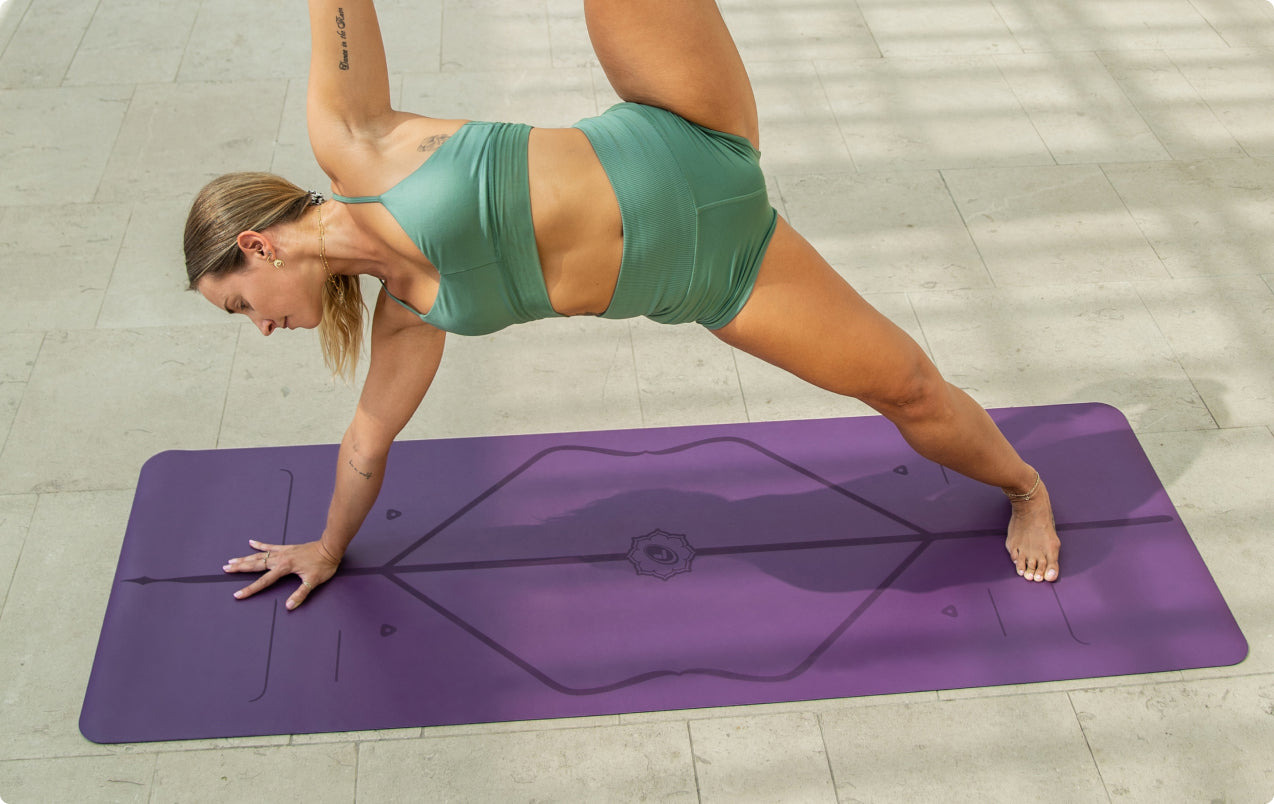
A brief warm-up should respond to the actual temperature and surface. Cooler air may call for slower joint movement before longer holds, while heat may justify a gentler pace from the beginning. The practitioner should modify the plan rather than treat the written sequence as an obligation.
Cleaning Up Protects the Next Practice
The mat should be lifted rather than dragged across the ground. Loose dirt can be shaken from the underside away from other people. Damp grass and sand should be removed before the mat is rolled because trapped moisture and grit can affect storage.
A mat or care product from Liforme should be handled according to its instructions after outdoor use. The practitioner can wipe the surface with an appropriate method and allow it to dry fully away from harsh conditions. Folding a mat that is meant to be rolled may create unnecessary wear.
The site should be left as it was found. Tape, tissues andfood packaging should leave with the practitioner. Natural objects should not be moved merely to decorate the practice area, especially in protected spaces.
A successful outdoor session ends with equipment ready for another use and the setting undisturbed. Careful preparation makes the practice comfortable, while a restrained cleanup keeps the experience practical enough to repeat.