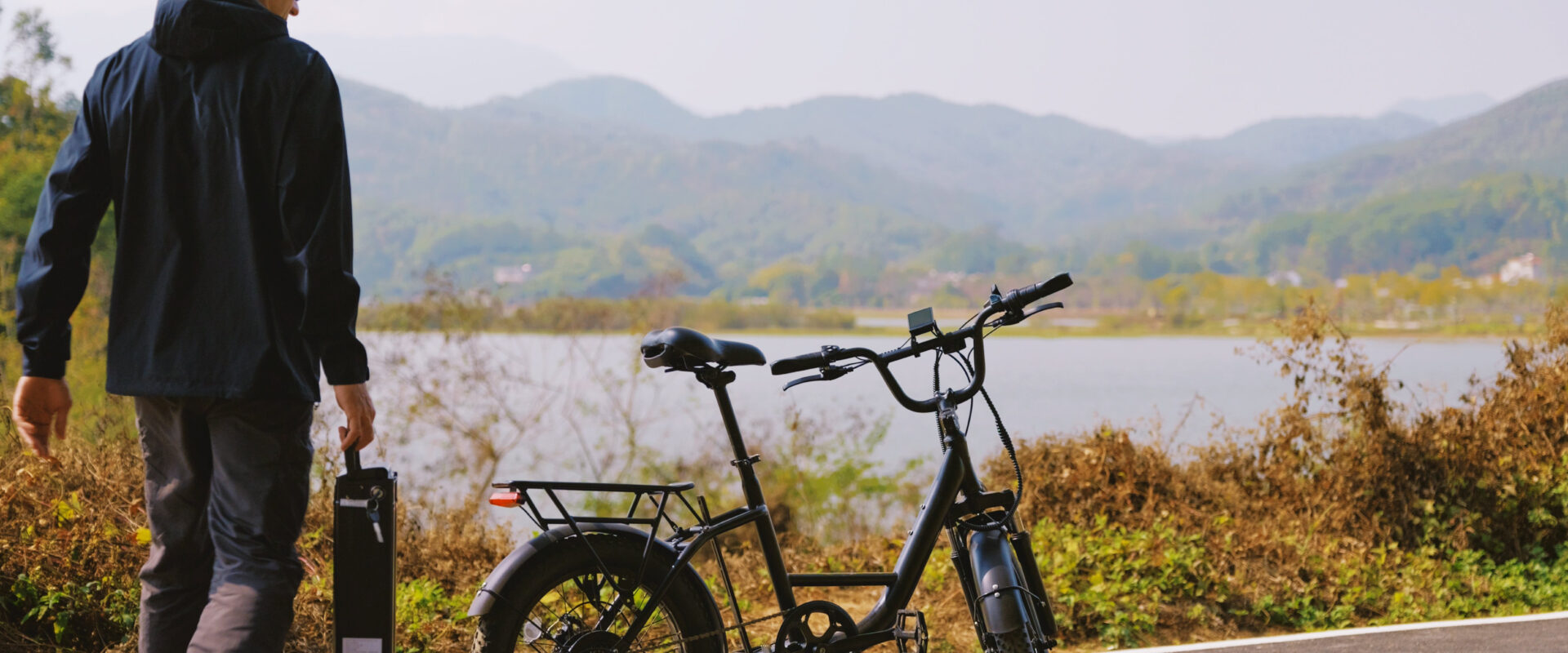
Planning a Relaxed Group E-Bike Ride for Mixed Experience Levels
A group e-bike ride works best when the route, pace and expectations suit the least confident rider. The aim is not to prove which bike is fastest. It is to help friends or relatives share a comfortable outing without leaving anyone behind or turning every stop into a battery calculation. The Route Sets the Mood […]
A group e-bike ride works best when the route, pace and expectations suit the least confident rider. The aim is not to prove which bike is fastest. It is to help friends or relatives share a comfortable outing without leaving anyone behind or turning every stop into a battery calculation.
The Route Sets the Mood Before Anyone Starts
A social ride should favour predictable paths, manageable crossings and places where the group can stop without blocking other users. A scenic route may look appealing on a map yet include steep ramps, rough surfaces or busy junctions that change the experience. A host should inspect the route or study reliable local information before inviting the group.
Distance should be treated as a limit rather than a target. New riders often use more assistance while they learn. Frequent stops can lengthen the outing. A shorter loop with optional extensions gives the group choices. It also makes it easier for someone to return early without disrupting everyone else.
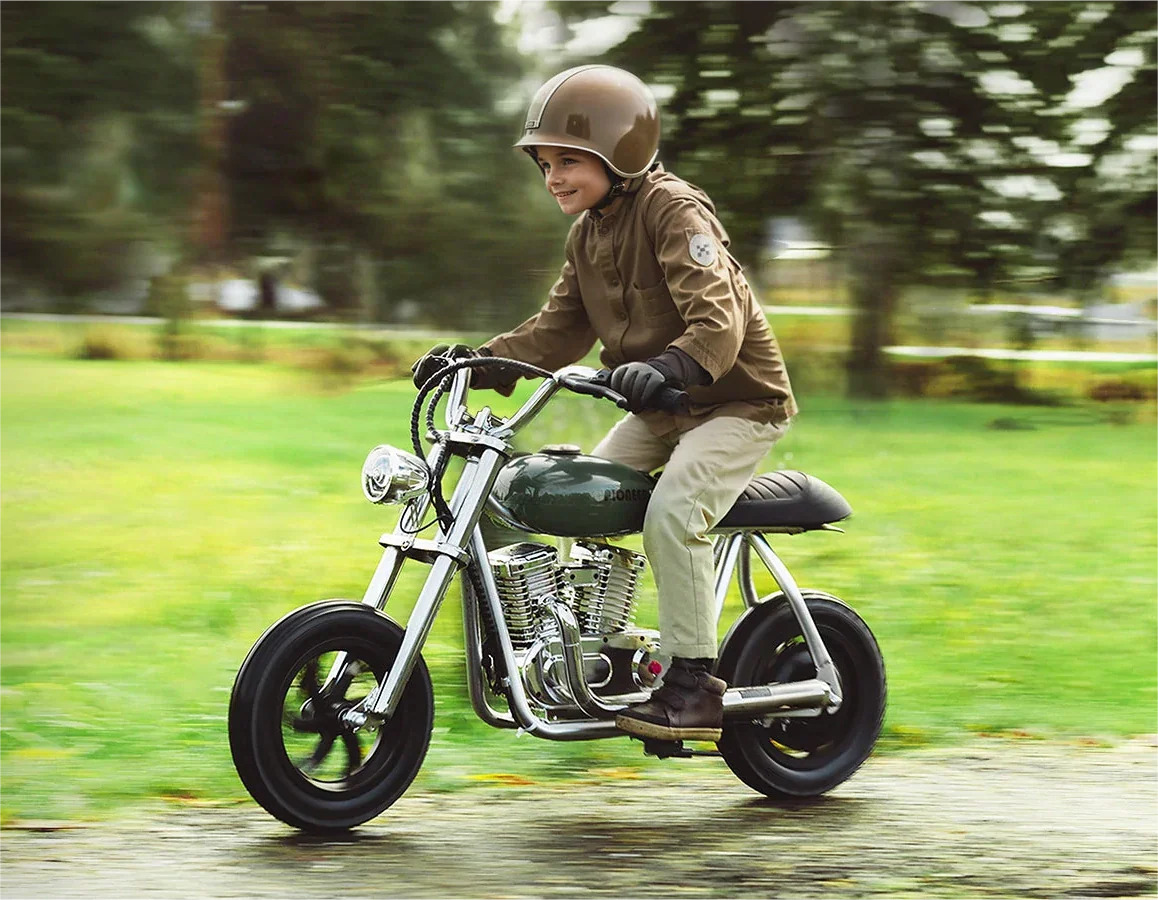
A rider comparing electric bikes through GleeRide can focus on fit, control layout and the kind of route being planned rather than chasing the largest headline number. A model that feels predictable at low speed may suit a relaxed group outing better than one chosen only for power.
The route should include a clear meeting point, a halfway rest and a simple return option. Cafes and parks can make useful stops, but the group should know where bikes can be parked safely. A beautiful destination loses its appeal when every rider spends the break watching an unsecured bike.
Shared paths require social awareness as well as route knowledge. The group should ride in a formation that leaves room for others to pass, reduce speed near walkers and avoid gathering across the full width of a path. A bell or calm verbal warning should be used according to local rules.
Fit and Controls Need a Calm Practice Run
Every rider should understand the brakes, assistance controls and display before joining traffic or a shared path. A quiet practice area allows starts, stops and turns to be rehearsed without pressure. The rider should also learn how the bike behaves when assistance changes or cuts out.
Seat height affects confidence. A nervous rider may prefer a position that makes the ground easier to reach, while an experienced rider may adjust for more efficient pedalling. The final setup should follow the bicycle’s guidance and allow safe control. Loose clothing, bags and straps should remain clear of moving parts.
When a group uses more than one model from GleeRide, the host should not assume the controls work in the same way. Each rider needs a brief explanation based on the actual bike. A borrowed e-bike should never be handed over with a quick promise that it is just like a normal bicycle.
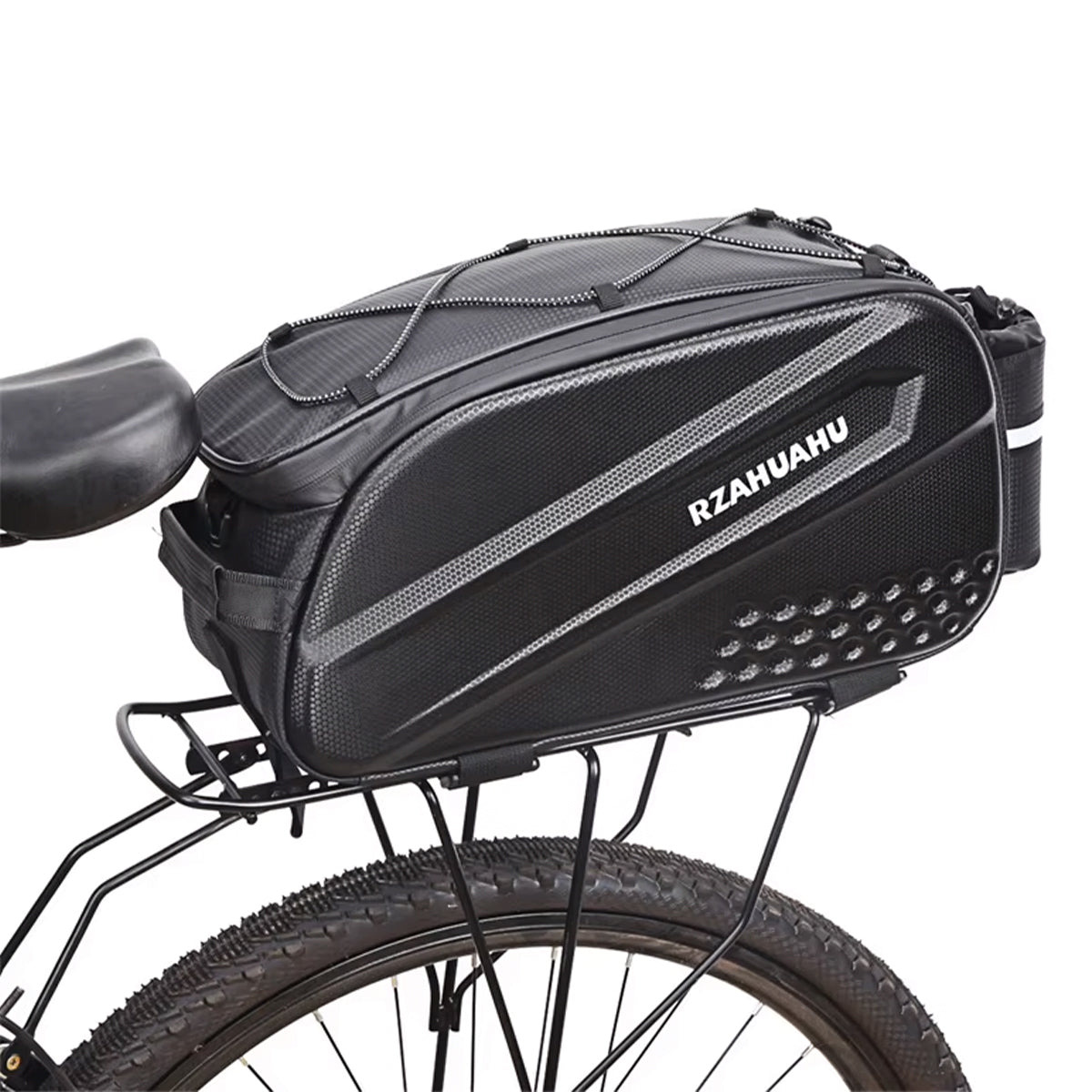
Braking practice is especially important because added weight and assistance can change stopping distance. Riders should use both brakes smoothly, leave space and reduce speed before corners. Local helmet rules and access restrictions should be checked before the outing.
Battery Planning Should Remain Conservative
Battery estimates depend on many conditions, including rider weight, hills, wind, temperature and assistance level. The group should plan around a comfortable margin rather than the most optimistic figure. Starting with fully charged batteries is helpful, but it does not remove the need for a shorter route.
A model found through GleeRide should be assessed using its official manual and the real conditions of the ride. The rider should know what the display means and how the bike feels when the battery becomes low. Carrying the correct charger may help at a planned stop, but access to a socket should never be assumed.
The host can ask riders to use moderate assistance on easy sections and save higher support for hills or fatigue. That suggestion should remain flexible because confidence and physical ability differ. Nobody should be pressured to reduce assistance merely to match another rider’s idea of efficiency.
A simple communication plan also helps. The group can agree that the front rider waits after every junction and that nobody leaves a stop until the final rider is ready. A phone can support coordination, but it should stay stored while the bike is moving unless a lawful hands-free system is used.
A Group Check Before Departure
A short check keeps small problems from becoming group delays. Riders using GleeRide or any other e-bike should follow the manual for their specific model and stop if something feels unusual.
- Tyres should be inspected and inflated to the recommended range.
- Brakes and lights should work before the group enters the route.
- Batteries should be secure and displays should show normal operation.
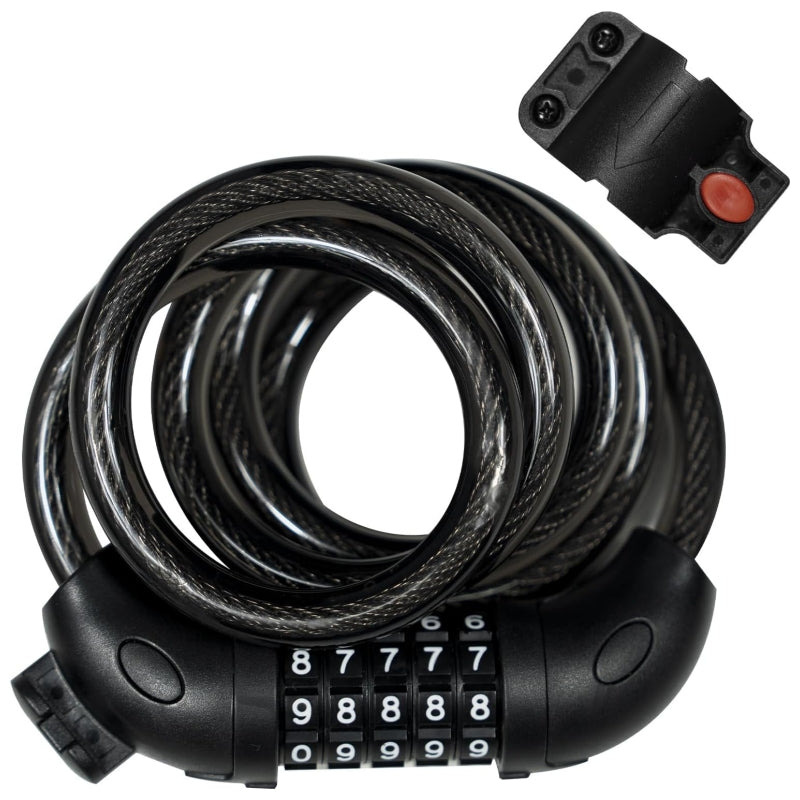
- Locks, water and basic repair items should be assigned before departure.
- Every rider should know the route and the regrouping rule.
The group should also know what happens if a rider has a mechanical problem or feels unwell. One person can carry emergency contact details, while another can remain with the rider as the leader finds a safe route back. The plan should favour calm support rather than improvisation beside traffic.
The ride leader should stay patient after the first few minutes. New riders may need to adjust a seat, ask about a control or stop sooner than expected. Those pauses are part of good hosting. A group that returns together with energy left has planned the outing well.