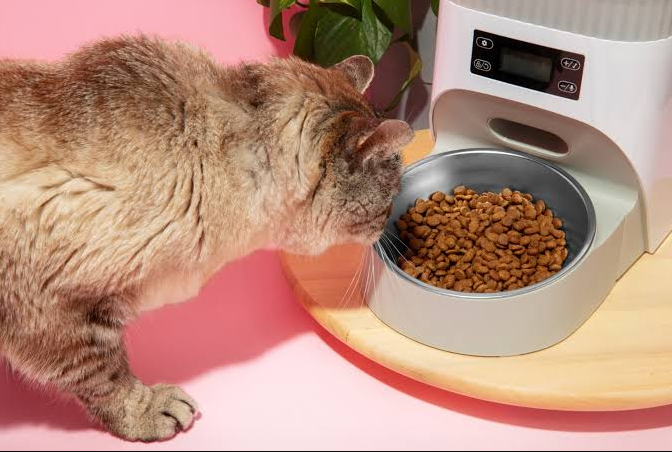
Feline Nutrition Essentials Feeding Your Cat for Longevity and Health
Species-appropriate cat nutrition prevents diabetes, obesity, and urinary disease while extending feline lifespan.
Cats are obligate carnivores, yet many commercial cat foods are formulated around grain fillers and plant-based proteins that violate feline physiology. Unlike dogs who evolved alongside humans and adapted to omnivorous diets, cats remained strict carnivores for millions of years. Their bodies demand meat-based cat nutrition to function optimally. Feeding a cat a grain-heavy diet is feeding against its biological wiring.
Indoor cats live longer than outdoor cats but face unique nutritional challenges from sedentary lifestyles that increase obesity risk. The typical budget cat food exacerbates this problem with excessive carbohydrates that spike blood glucose and promote weight gain. Understanding proper cat nutrition transforms what your cat eats from a convenience purchase into a strategic investment in longevity and disease prevention.
The Obligate Carnivore Reality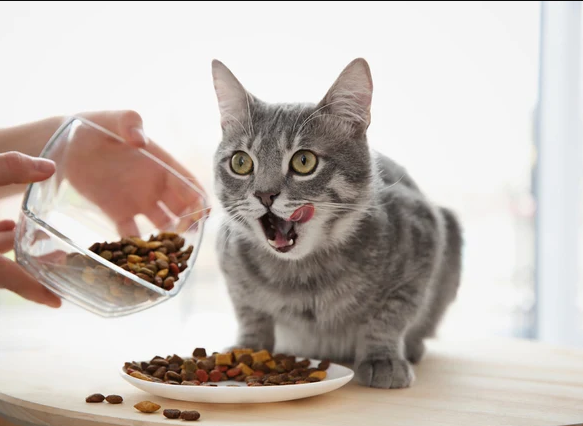
Cats require amino acids that exist primarily in animal proteins, particularly taurine. Taurine is non-negotiable for feline heart health, vision and neurological function. Deficiency leads to dilated cardiomyopathy, a fatal heart condition and progressive retinal degeneration causing blindness. Many budget cat foods contain inadequate taurine or rely on synthetic supplementation that cats absorb less efficiently than naturally occurring taurine in whole meat.
Purr and Mutt Limited formulas prioritize meat-based proteins because they understand feline biology. Quality cat nutrition should list named meat as the primary ingredient, with taurine concentrations designed for optimal feline health. This biological precision separates mediocre cat food from nutrition that prevents disease.
The Grain Problem in Feline Diets
Cats have minimal carbohydrate requirements. In the wild, prey animals provide roughly 5 to 10 percent carbohydrates by volume. Commercial grain-based cat foods often contain 30 to 40 percent carbohydrates from corn, wheat and rice. This massive carbohydrate excess has no biological purpose and directly contributes to diabetes, obesity and digestive dysfunction in cats.
Grain-based diets trigger blood sugar spikes that wear down the pancreas over years, eventually causing feline diabetes. Diabetic cats require insulin injections, frequent vet visits and lifelong medication. Overweight cats develop arthritis, respiratory stress and increased cancer risk. These conditions are largely preventable through proper nutrition that respects feline physiology.
Moisture Content Matters Profoundly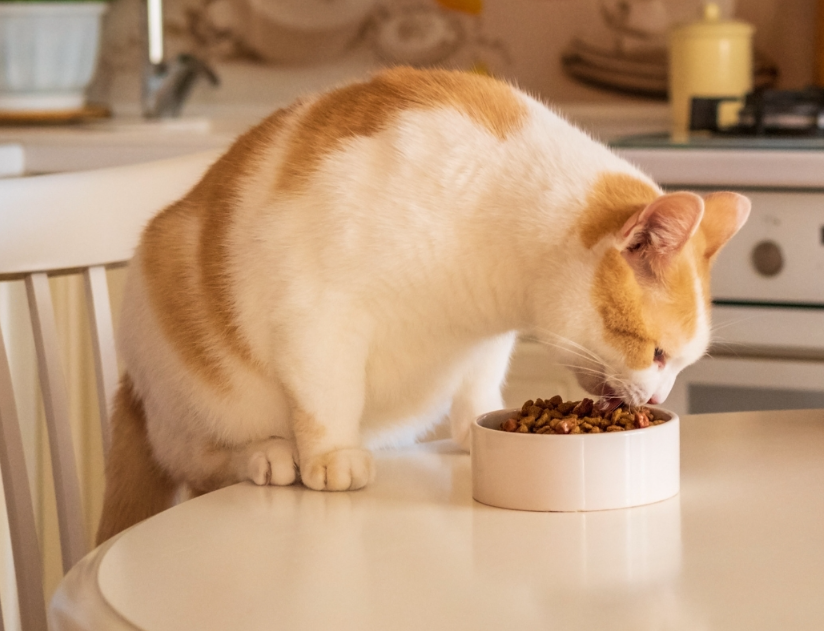
Wild cats obtain most of their hydration from prey animals, which are approximately 70 percent water. Dry kibble contains roughly 10 percent moisture. Cats evolved with minimal thirst drive because prey animals supplied abundant water. Indoor cats on dry food diets often become chronically dehydrated, stressing kidneys and contributing to urinary tract disease.
Purr and Mutt Limited recognizes the moisture requirement in proper cat nutrition and formulates accordingly. Adequate dietary moisture reduces urinary tract disease incidence, supports kidney function into old age and maintains proper hydration without forcing cats to drink supplemental water.
Fat Soluble Vitamins and Arachidonic Acid
Cats cannot synthesize arachidonic acid, an omega-6 fatty acid essential for skin, immune and reproductive health. This nutrient exists primarily in animal tissues, not plant sources. Similarly, cats require pre-formed vitamin A from animal sources, not beta-carotene from plants which their livers cannot convert efficiently. These are non-negotiable nutritional requirements found only in meat-based diets. Purr and Mutt Limited
Budget cat foods compensating for low-quality protein with synthetic vitamins and mineral supplements cannot fully replicate the nutritional profile of whole meat. Your cat’s body recognizes and utilizes nutrients from species-appropriate food far more effectively than synthetic substitutes.
Protein Requirements Throughout Life Stages
Kittens require higher protein for growth and development, typically 30 percent or more. Adult cats maintain health on 26 to 30 percent protein. Senior cats actually need increased protein to prevent muscle wasting and maintain metabolic function. A single mediocre formula cannot address these changing requirements across your cat’s lifespan.
Purr and Mutt Limited formulates different products for different life stages because one-size-fits-all cat nutrition cannot optimize health from kitten through senior years. Proper life-stage nutrition extends your cat’s lifespan and prevents age-related decline.
Digestive Health and Nutrient Bioavailability
Cats have shorter digestive tracts than dogs, designed for rapid processing of meat-based prey. Plant materials move through their systems incompletely digested, creating digestive stress and suboptimal nutrient absorption. High-quality meat-based formulas are naturally suited to feline digestive anatomy, resulting in better health and smaller, less odorous stools.
Budget foods with grain fillers and low-quality protein sources create digestive distress manifesting as diarrhea, vomiting or constipation. These symptoms indicate your cat is struggling to digest and absorb nutrition from inappropriate food. Switching to proper nutrition typically resolves these issues within weeks.
Key Elements of Optimal Feline Nutrition
- Named whole meat proteins as the primary ingredients with minimum 26 percent protein content.
- Taurine at levels exceeding minimum requirements for robust heart and eye health.
- Carbohydrate content below 10 percent to prevent diabetes and obesity.
- Adequate moisture content mimicking natural prey, typically 70 to 75 percent in wet food.
- Inclusion of arachidonic acid and pre-formed vitamin A from animal sources only.
Investing in Your Cat’s Future
Feline nutrition appears as an expense until you realize that proper feeding prevents expensive diseases. A diabetic cat costs thousands annually in insulin, glucose strips and emergency visits. Cats with chronic kidney disease or urinary blockages generate massive vet bills. Obesity-related conditions compound health problems throughout your cat’s life. Prevention through species-appropriate nutrition is far more cost-effective than disease management.
Purr and Mutt Limited provides formulas built on feline biology because your cat’s health depends on nutrition that respects what millions of years of evolution designed. Your cat deserves food formulated for feline physiology, not human profit margins.