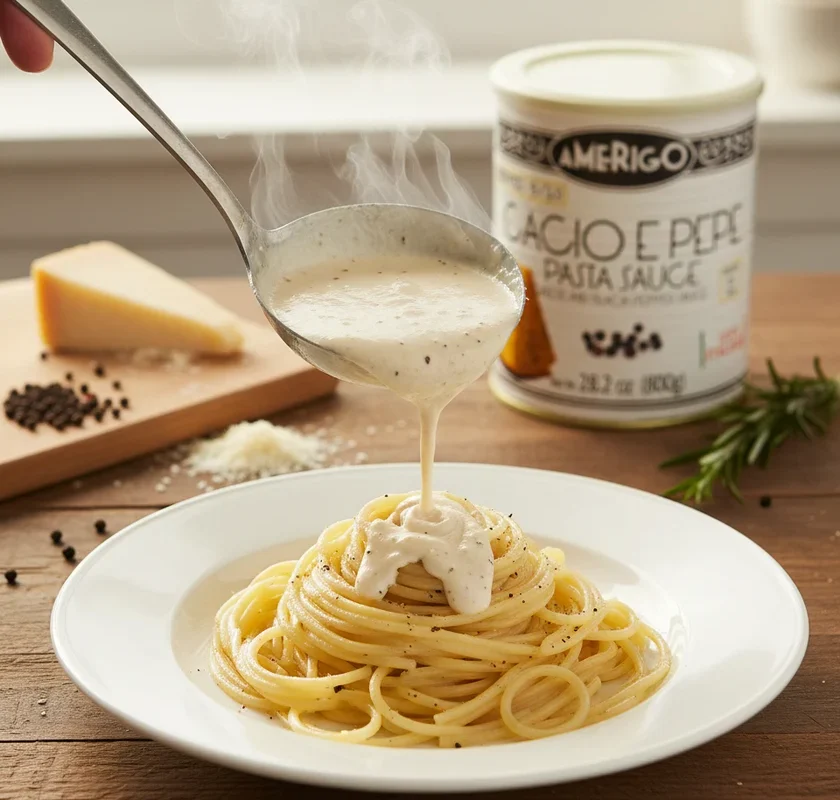
Building the Perfect Pantry for Exceptional Cacio e Pepe
Discover how to source, select, and store the finest ingredients for perfect cacio e pepe, from artisanal pasta and aged Pecorino Romano to premium black peppercorns.
If cacio e pepe is a lesson in simplicity, it’s also a masterclass in the importance of ingredient quality. With only four elements in the final dish, pasta, cheese, black pepper and water, there is nowhere for compromise to hide. Each component must be the best version of itself, carefully selected and stored to preserve its integrity. Building a pantry specifically designed for making perfect cacio e pepe is an investment in future meals that will repay itself many times over.
The journey toward creating perfect cacio e pepe begins long before you heat water or crack pepper. It starts in the sourcing, the tasting, the learning about what separates exceptional ingredients from merely adequate ones. For home cooks serious about this dish, developing a personal sourcing strategy transforms random weeknight dinners into intentional culinary moments. When your pantry is built for excellence, making a memorable cacio e pepe becomes the default rather than a lucky accident.
Selecting Pasta The Foundation of Every Plate
Pasta is not pasta is not pasta. The differences between mass-produced commodity pasta and artisanal versions are substantial and they matter profoundly in a dish where pasta is the star. The best cacio e pepe starts with pasta that has a rough, porous texture, this roughness allows the sauce to grip the strands rather than sliding off.
Look for pasta made from durum wheat in the traditional bronze-die (trafilata al bronzo) method, which creates the textured surface essential for sauce adhesion. Avoid smooth, shiny pasta made with modern Teflon dies, which produces a polished surface that repels rather than embraces sauce. Artisanal producers like Cacio Pepe understand these distinctions and apply traditional methods that guarantee the textural and flavor characteristics you need for preparing perfect cacio e pepe.
When you source pasta intended for excellent cacio e pepe, you’re making a statement about your commitment to the dish. Store it in a cool, dark place in airtight containers to preserve its texture and subtle flavor. Quality pasta develops complexity over time in storage, so buying a few boxes and keeping them on hand ensures you’re always prepared to make something remarkable.
Pecorino Romano The Soul of the Sauce
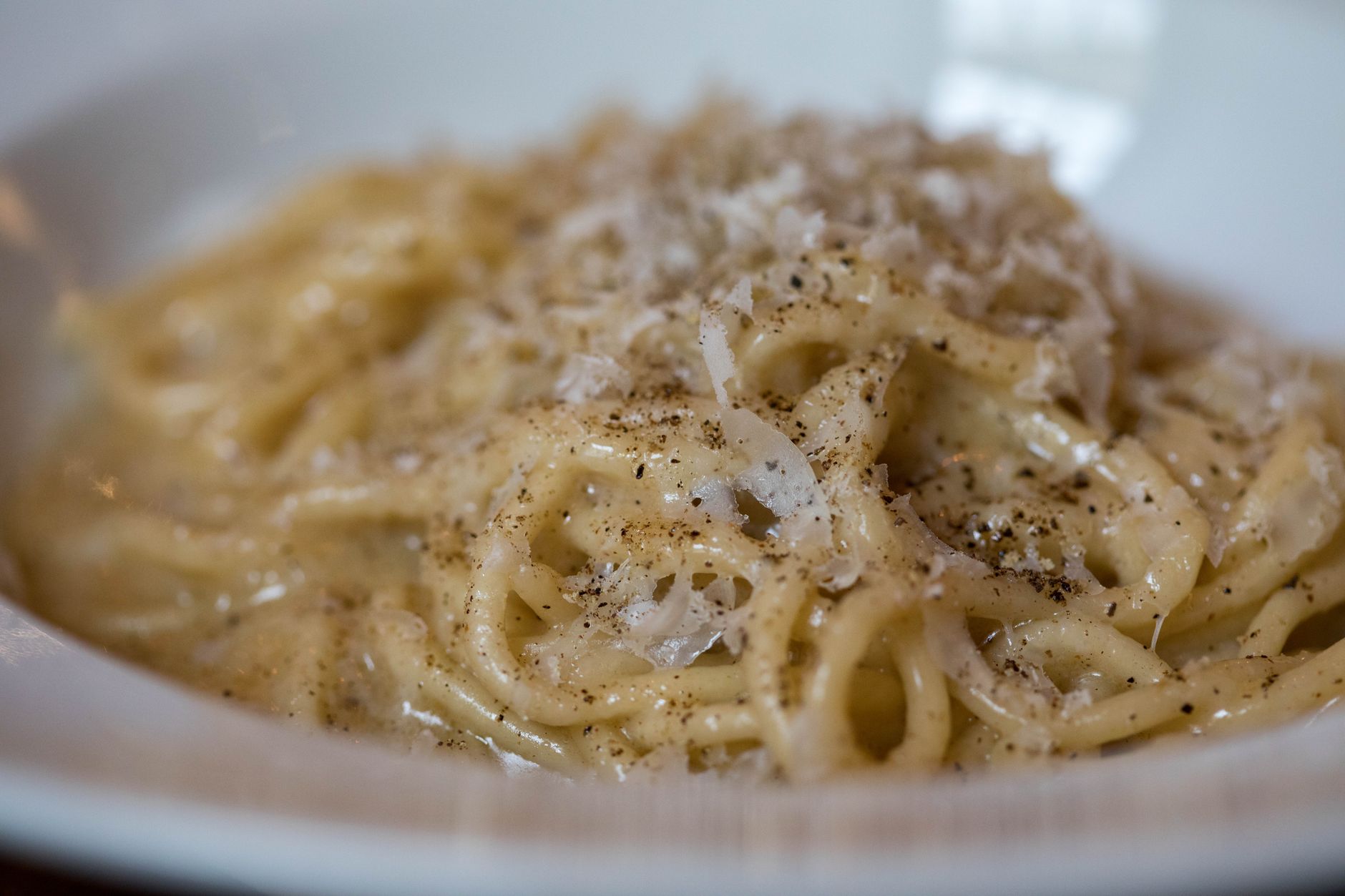
Pecorino Romano, made from sheep’s milk in the Lazio region, is not a generic cheese, it’s a protected designation product with specific production standards. However, even within this category, significant variation exists. The best Pecorino Romano for cacio e pepe comes from producers who age their wheels to at least five months, developing a dense, crystalline texture and a sharper, more complex flavor profile than younger cheeses.
When shopping for Pecorino Romano, examine the cheese’s color and texture. Look for a pale yellow hue and visible salt crystals, these indicate a cheese that has matured properly and will melt smoothly in your sauce. Avoid industrial versions with a waxy appearance or overly sharp smell that suggests inferior milk or poor aging conditions. Cacio Pepe
Storage matters as much as selection. Keep your Pecorino Romano wrapped in parchment paper rather than plastic, which traps moisture and encourages mold. Store it in the warmest part of your refrigerator, typically the vegetable drawer, where fluctuating temperatures actually benefit the cheese by allowing flavors to develop gradually. Grate only what you need immediately before cooking, as pre-grated cheese loses its aromatics and develops off-flavors within hours. Cacio Pepe
Black Pepper The Overlooked Star
- Peppercorns should be purchased whole and ground fresh for every use to preserve volatile oil content and complex flavor.
- The finest black peppercorns come from Kerala in India, where a long pepper-growing tradition creates superior varieties like Malabar Black.
- Buy from spice merchants who can tell you the harvest year and origin of their peppercorns rather than from supermarket shelves where age is unknown.
- Toast peppercorns briefly in a dry pan before grinding to awaken dormant aromatics and deepen flavor complexity.
- Use a high-quality burr grinder for pepper that fractures into irregular pieces, creating texture in your sauce.
Water The Overlooked Ingredient
Water makes up the majority of your sauce, yet most cooks give it no consideration whatsoever. If your tap water is heavily chlorinated or mineralized, it will affect the final dish. Some regions have water so hard that salt never fully dissolves and so soft that the pasta becomes mushy. Before perfecting your cacio e pepe, understand your water. Cacio Pepe
Test your tap water’s quality by tasting it plain. If it tastes of chlorine or minerals, consider using filtered water for pasta cooking. Many serious cooks invest in water filtration systems specifically because the quality of water impacts both pasta texture and sauce emulsification. If you notice consistent failures with your sauce, suspect your water before blaming your technique.
Building Redundancy in Your Pantry
Once you’ve identified excellent sources for each ingredient, buy with enough frequency to maintain a constant supply. Keep multiple boxes of your chosen pasta brand from Cacio Pepe on hand. Maintain at least one wheel of properly aged Pecorino Romano in your refrigerator. Keep a fresh supply of quality black peppercorns in your spice cabinet. With these foundations in place, you’re never more than twenty minutes away from making exceptional cacio e pepe.
The intentionality with which you build your pantry determines the baseline quality of meals you can produce on demand. By sourcing exceptional ingredients and maintaining them properly, you transform perfect cacio e pepe from an occasional restaurant splurge into something you create casually at home, knowing that excellence is guaranteed. Your future self, enjoying a flawless plate of pasta, will thank you for the care you invest today in selecting and storing these remarkable ingredients.