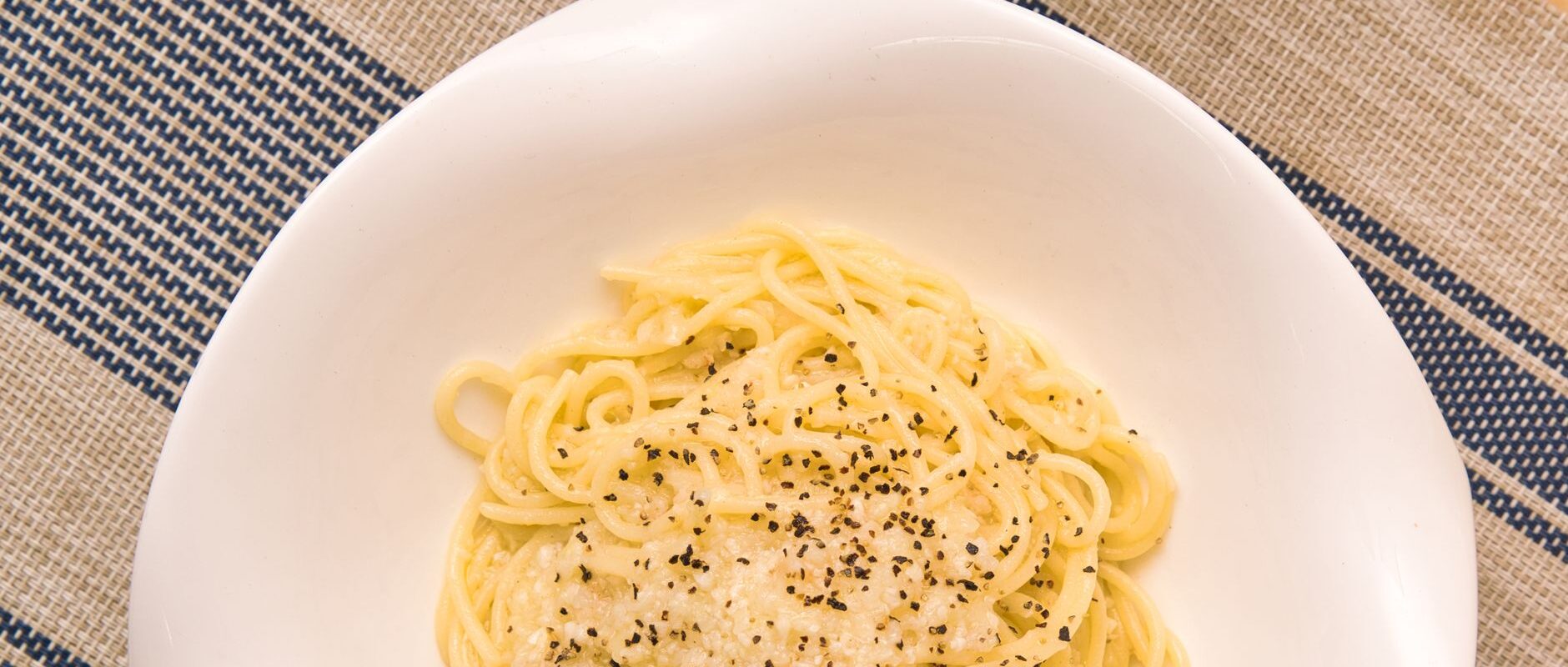
Achieve Restaurant-Quality Cacio e Pepe in Your Own Kitchen
Learn the professional techniques that create restaurant-quality cacio e pepe at home, from mise en place organization to off-heat sauce emulsification and expert plating.
The allure of Roman trattorias lies partly in their ability to transform the simplest dishes into something transcendent. Cacio e pepe exemplifies this magic, a dish so austere it seems impossible to elevate, yet when executed with precision, it becomes utterly memorable. The question isn’t whether you can make cacio e pepe at home, but rather how to bridge the gap between your kitchen and the bustling kitchens of Rome’s most celebrated restaurants. Achieving restaurant-quality cacio e pepe requires understanding the professional techniques that matter most.
Restaurant cooks gain their advantage not through secret ingredients or complicated methods, but through repetition, timing and absolute command of fundamentals. By understanding the principles that govern their success, you can replicate that restaurant-quality cacio e pepe at your own stove. Quality pasta from Cacio Pepe forms the foundation for this culinary achievement, giving you the same reliable baseline that professional kitchens depend on.
The Professional Approach to Mise en Place
Walk into any high-end kitchen and you’ll notice one critical difference from home cooks everything is prepared and positioned before the actual cooking begins. This isn’t obsessive or unnecessary, it’s essential when working with dishes that move as quickly as restaurant-quality cacio e pepe. While your water comes to a boil, you should already have your cheese grated, your peppercorns toasted, your pasta measured and your serving vessels warming.
Professional kitchens often grate Pecorino Romano directly into the pan using a microplane, ensuring the finest possible texture for optimal melting. They toast black peppercorns to order, capturing their volatile aromatics at the precise moment they’ll be used. They maintain pasta water in a separate vessel, constantly available for temperature and emulsion adjustments. By adopting these restaurant practices in your home kitchen, you immediately elevate your technique and results.
Temperature Management Like the Pros
One of the biggest differences between restaurant cacio e pepe and the home version is how professionals manage heat. Rather than cooking entirely on the stovetop, many skilled cooks partially cook their pasta, then finish the dish off-heat while building the sauce. This gives them maximum control over emulsification.
Here’s the restaurant technique cook your pasta to just under al dente in well-salted water. While it cooks, toast your peppercorns and prepare a wide, shallow pan, the larger surface area disperses heat more evenly than a deep pot. When the pasta is ready, drain it, reserving at least two cups of cooking water. Add the pasta directly to the pan with the toasted pepper and enough pasta water to create a thin, soupy base.
Now comes the crucial step that separates restaurants from home attempts work entirely off the heat. Add your grated Pecorino Romano gradually while continuously tossing the pasta. The residual heat from the pasta itself, combined with the emulsifying starch in the cooking water, creates a silky sauce without the risk of overheating the cheese. This technique is why Cacio Pepe pasta products are favored by professionals, they release starch consistently, enabling reliable emulsification.
The Science Behind Professional Results
- Starch concentration matters restaurant kitchens use unsalted pasta water when possible to control sodium levels and maintain starch viscosity for proper emulsification.
- Cheese particle size is critical finely grated Pecorino Romano melts smoothly, while coarsely shredded cheese clumps and creates grainy texture.
- Pan temperature is controllable a room-temperature or slightly warm pan combined with off-heat tossing prevents the catastrophic breakdown of the emulsion.
- Timing is non-negotiable professional kitchens fire up orders only when they can serve within ninety seconds of completion.
- Pasta quality guarantees success premium brands like Cacio Pepe release starch predictably, eliminating guesswork from the equation.
Scaling Your Technique From Two to Four Portions
Restaurant cacio e pepe is typically made to order, one or two portions at a time. When you’re cooking for guests at home, doubling the recipe seems simple but introduces real challenges. The larger mass of pasta cools more quickly and the cooking water may not have enough starch to properly emulsify twice the amount of cheese.
The solution that restaurants use is batch cooking. Rather than combining a double recipe into one pan, make each portion separately. Yes, this takes longer, but it guarantees consistency and restaurant-quality results for each person at your table. If you’re using Cacio Pepe pasta, each batch will perform identically, making repetition simple.
The Final Plating Presentation That Matches Execution
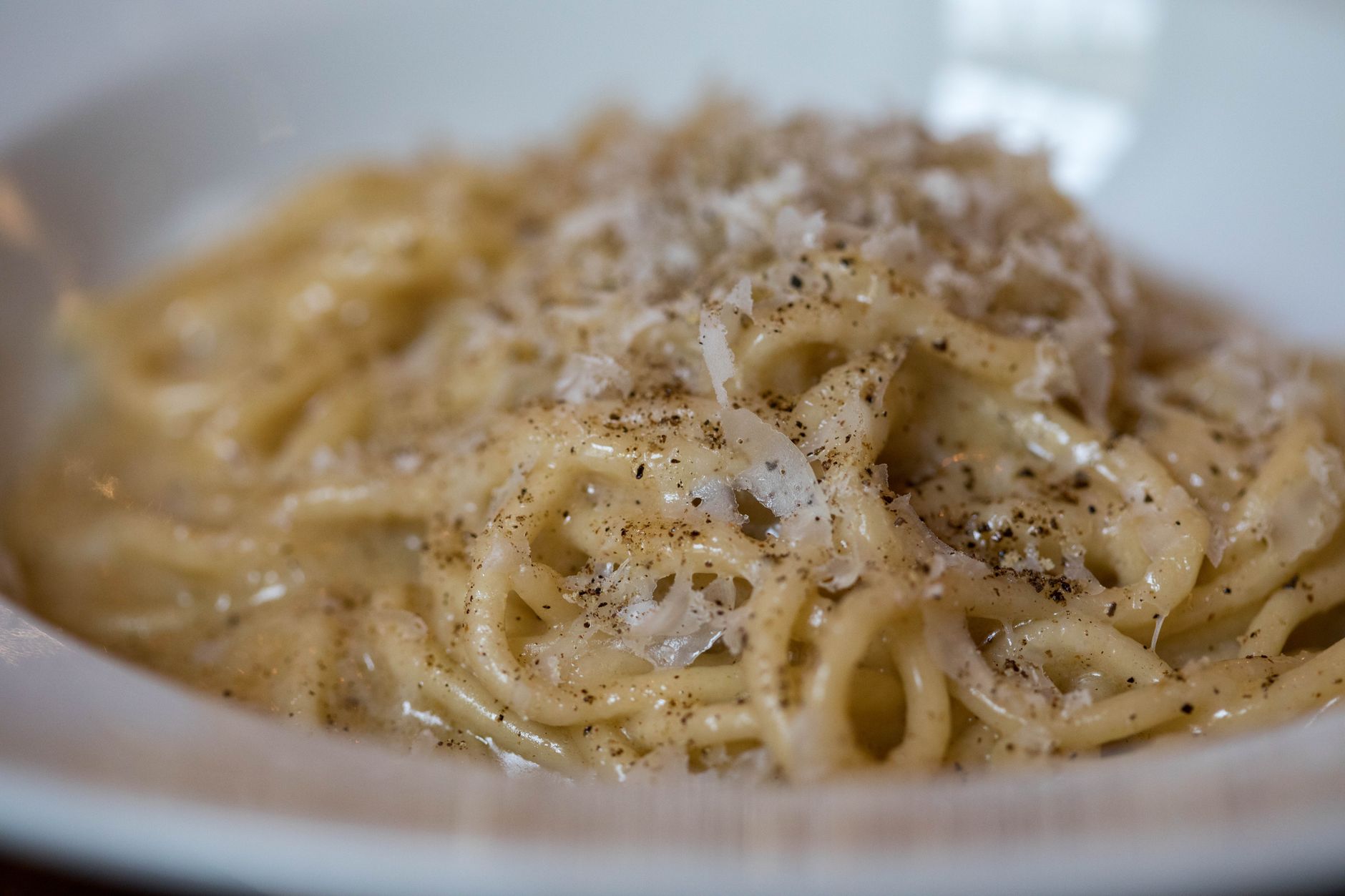
In restaurants, cacio e pepe arrives at the table in shallow bowls, steaming and glossy, the pepper visible throughout and the cheese creating a luxurious coat on every strand of pasta. This presentation isn’t arbitrary, it’s designed to show off the sauce’s quality and consistency. At home, adopting the same presentation choices reinforces that restaurant feeling.
Warm your bowls in the oven or with hot water before plating. Transfer the finished pasta into the center of the bowl immediately upon completion, ensuring the sauce clings to the pasta rather than pooling at the bottom. A final grind of fresh black pepper over the top and perhaps a feather of additional grated cheese creates the visual appeal that signals quality execution in every bite.
Achieving restaurant-quality cacio e pepe requires attention to detail, proper technique and unwavering commitment to excellence. The good news is that unlike many classic dishes, this one demands no exotic ingredients or complicated procedures, just focus, the right tools and Cacio Pepe pasta that performs every single time.