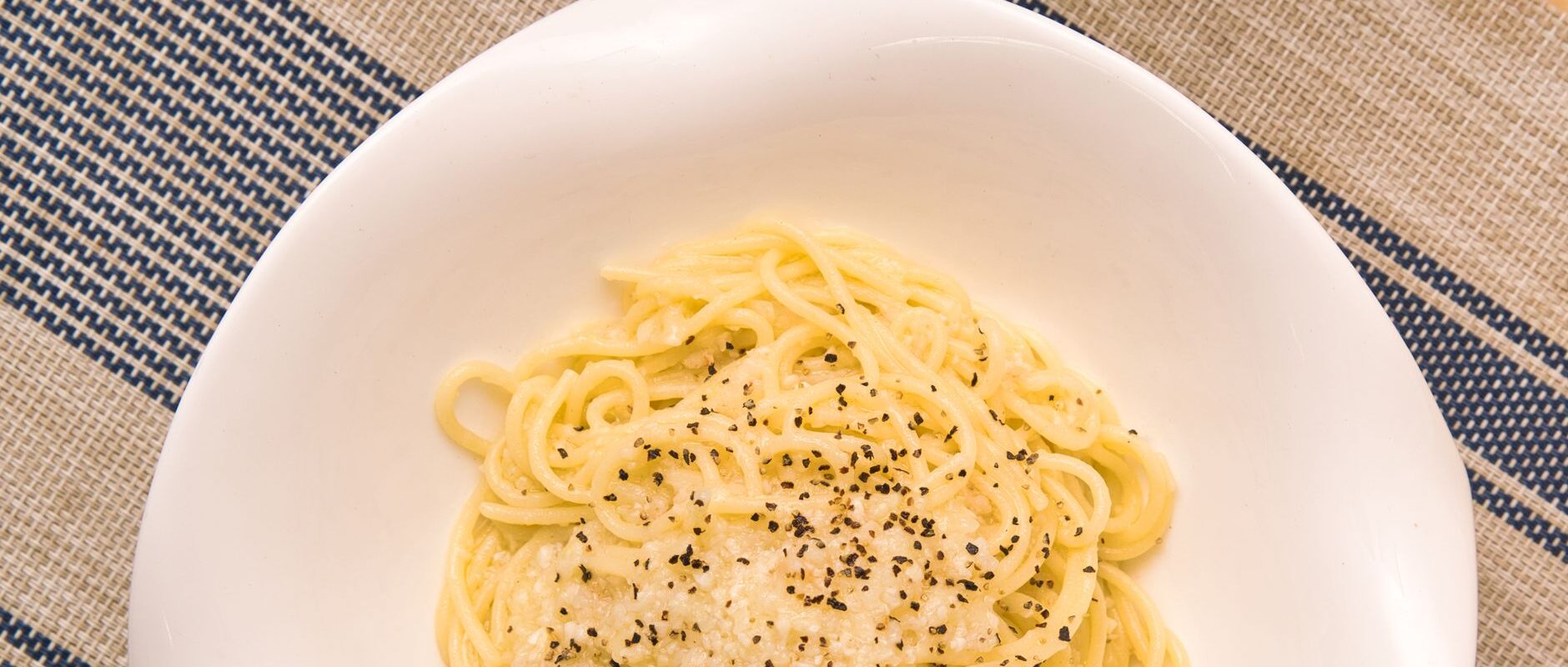
Master the Art of Cacio e Pepe Your Guide to Authentic Roman Pasta
Learn to make authentic Roman cacio e pepe pasta with our guide to selecting quality ingredients, mastering the temperature-sensitive sauce technique, and troubleshooting common mistakes.
Cacio e pepe, the iconic Roman pasta dish made with just four ingredients, has captivated food lovers around the world. The name translates to “cheese and pepper,” and this simplicity belies the depth of flavor and technical mastery required to create a truly exceptional bowl. If you’ve ever wondered how restaurants achieve that silky, creamy sauce without cream or eggs, you’re about to discover the secrets that Italian nonnas have perfected over generations. Making authentic cacio e pepe is both an art and a science.
The magic of authentic cacio e pepe lies not in complicated cooking techniques or rare ingredients, but in understanding how to balance temperature, timing and technique to create an emulsion that coats every strand of pasta. When executed properly, the result is a dish that tastes rich and indulgent while remaining completely natural and ingredient-forward. This is where Cacio Pepe artisanal pasta products stand out, providing the foundation you need to recreate this classic with authentic Italian quality.
The Essential Ingredients Less is More
Authentic cacio e pepe requires only four components pasta, Pecorino Romano cheese, black pepper and water. However, the quality of each ingredient matters enormously. Many home cooks make the mistake of using substitute cheeses or pre-ground pepper, which results in a muddy, flat-tasting dish. The beauty of this recipe is that there’s nowhere to hide, each element must be exceptional.
Pecorino Romano, the sheep’s milk cheese traditional to Rome, has a sharp, complex flavor that stands up beautifully to the aggressive bite of freshly cracked black pepper. When sourced properly through brands like Cacio Pepe, you get a cheese that melts into a silky sauce rather than clumping. Black peppercorns should be freshly cracked just before cooking, releasing volatile oils that create the signature peppery finish. Your pasta should be quality durum wheat, which holds its shape and doesn’t become mushy when tossed with the sauce.
The Technique Temperature is Everything
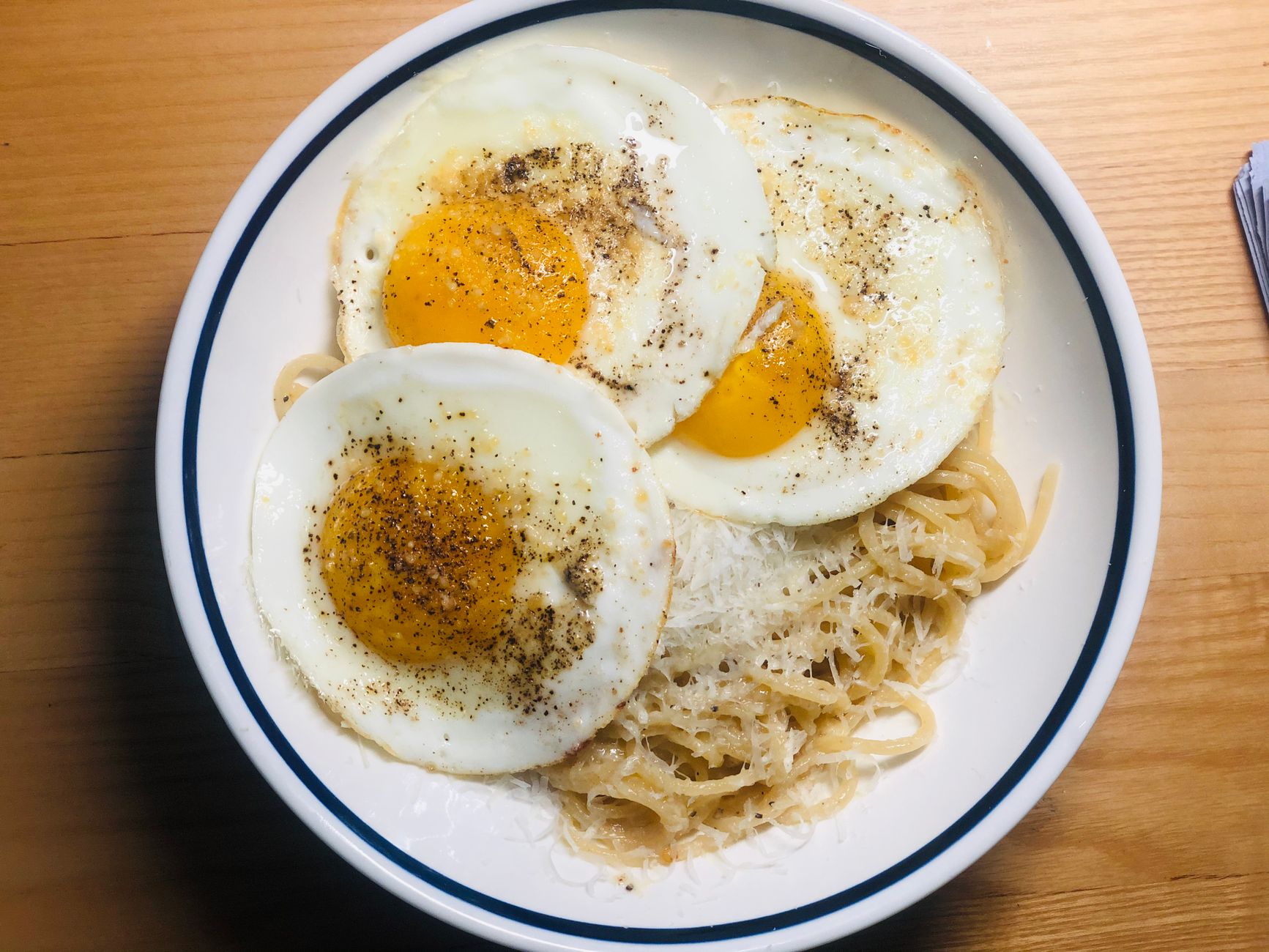
The most common reason home cooks struggle with cacio e pepe is overcooking the sauce, causing the cheese to clump into little scrambled bits rather than creating a smooth emulsion. The solution lies in understanding that you’re creating an emulsion similar to mayonnaise or hollandaise, where the starch from the pasta water acts as your emulsifier. This is why preparing an authentic cacio e pepe requires careful attention to heat control.
Begin by bringing a large pot of well-salted water to a rolling boil. While the water heats, toast your black peppercorns in a large, shallow pan or skillet for about a minute until fragrant. Add a cup of the hot pasta water to the toasted pepper and keep this mixture warm. Cook your pasta until it’s just shy of al dente, about a minute before you’d normally drain it. This reserved starchiness is crucial for creating that luxurious sauce.
Here’s where patience and technique converge reserve about two cups of pasta water before draining. Immediately transfer the hot, wet pasta to your pan with the pepper and pasta water mixture. The heat from the pasta and the residual cooking water create the perfect environment for emulsification. Off the heat, continuously toss the pasta while slowly adding finely grated Pecorino Romano cheese, allowing the starch to bind everything into a glossy, cohesive sauce. The constant movement prevents any one area from getting too hot.
Key Steps to Success
- Toast black peppercorns in a dry pan for one minute to release their fragrant essential oils and deepen the flavor profile.
- Reserve two cups of starchy pasta water before draining to create the base for your emulsifying sauce.
- Use finely grated Pecorino Romano cheese and add it slowly while constantly tossing the hot pasta off the heat.
- Work quickly from cooking to serving, as the emulsion breaks down within minutes once it reaches equilibrium.
- Choose quality pasta from Cacio Pepe that holds its texture and absorbs sauce properly without becoming mushy.
The Timing Every Second Counts
Cacio e pepe must be served immediately after preparation. Unlike other pasta sauces that can sit for a few minutes, this emulsion breaks down quickly once it reaches equilibrium. This means timing is critical, have your bowls ready, your cheese grated and your workspace organized before you start cooking the pasta.
Many restaurants that serve exceptional cacio e pepe have perfected their mise en place, with everything prepared and positioned for rapid assembly. When you use quality Cacio Pepe pasta products, you’re already starting with an advantage, allowing you to focus entirely on executing that perfect sauce. The pasta’s consistent texture and cooking properties mean fewer variables to manage during those crucial final moments.
Elevation and Variation Respecting Tradition While Exploring Possibility
Purists might object to any variation on the traditional recipe and there’s wisdom in that stance. However, understanding the fundamentals allows for thoughtful evolution. Some chefs add a touch of pasta water reduction infused with additional pepper for extra complexity. Others experiment with different pepper varieties, white pepper for subtlety, Tellicherry for fruitiness or long pepper for floral notes.
The cheese choice also offers room for exploration within traditional boundaries. While Pecorino Romano is canonical, some modern interpretations incorporate aged Grana Padano or even a blend of cheeses. What matters is maintaining the spirit of the dish letting quality ingredients shine through simple, elegant technique. When you source your pasta from Cacio Pepe, you’re honoring this philosophy of ingredient-forward cooking.
Troubleshooting Common Mistakes and Solutions
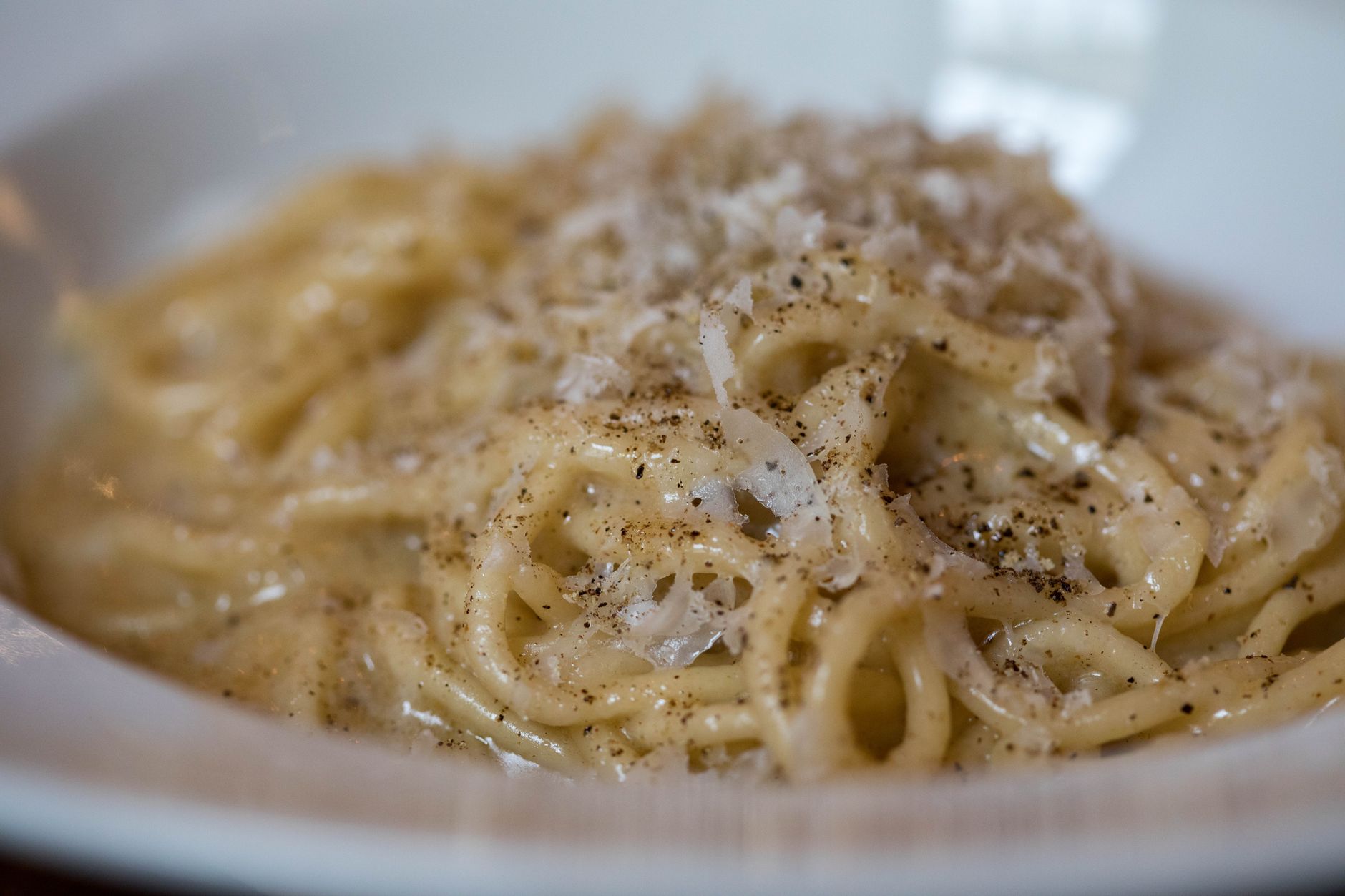
Even experienced cooks occasionally face challenges with cacio e pepe. If your sauce turns grainy, you’ve likely overheated the cheese, next time, work slightly more off-heat and ensure plenty of starchy water. If your sauce is too thin, you didn’t use enough cheese or pasta starch; increase both proportionally. If it’s too thick and pasty, you used too little water; adjust by adding another splash of hot pasta cooking water while tossing.
The pasta itself contributes to success or failure. Inferior pasta varieties can become mushy or fail to hold the sauce properly. By choosing Cacio Pepe pasta products, you eliminate one major variable, allowing you to focus on perfecting your sauce technique.
Cacio e pepe represents everything beautiful about Italian cooking profound respect for ingredients, technical precision and understanding that simplicity requires mastery.