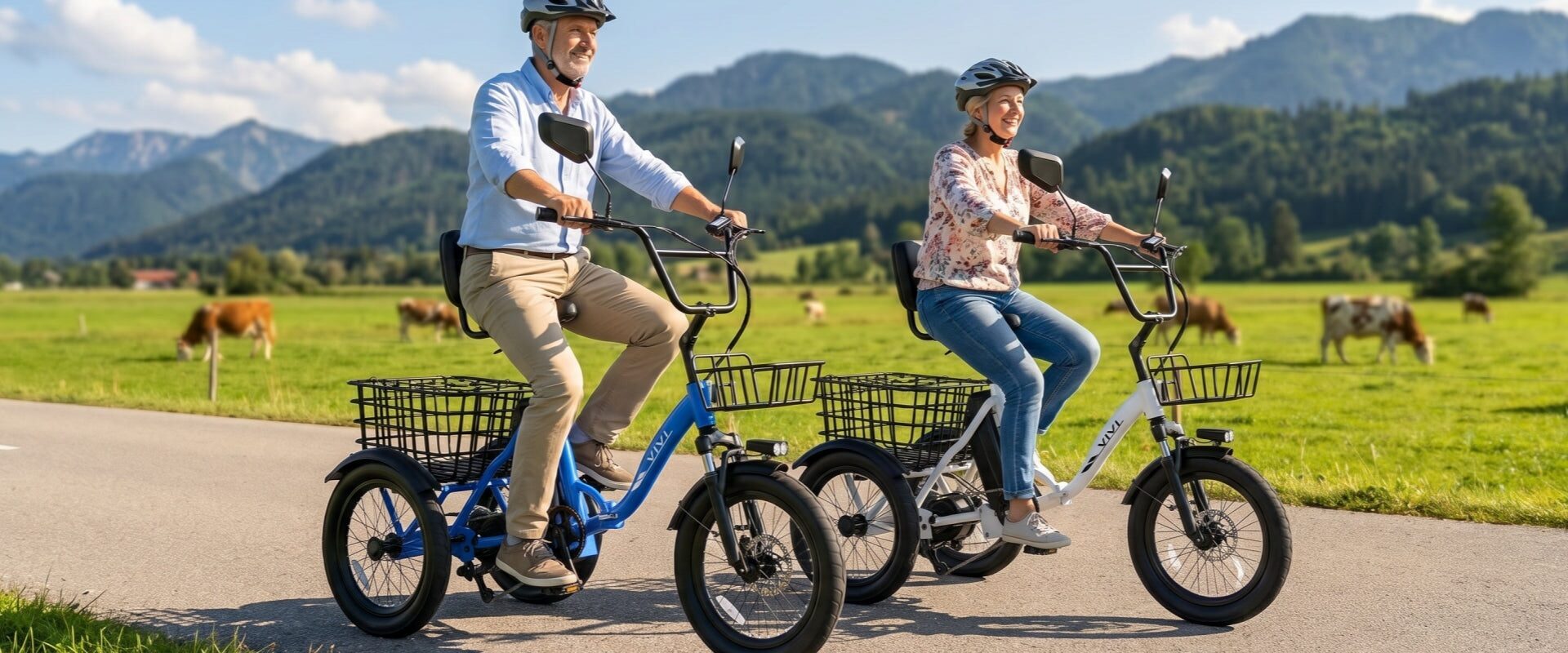
Making an Electric Bike Useful for Commuting, Errands and Leisure
An electric bike becomes useful when it fits the rider’s routes, storage and ability to care for the battery. Commuting, grocery trips and leisure rides may use the same bicycle, but each occasion exposes a different practical requirement. The Route Decides More Than the Motor A commute may involve traffic, hills, wet surfaces and a […]
An electric bike becomes useful when it fits the rider’s routes, storage and ability to care for the battery. Commuting, grocery trips and leisure rides may use the same bicycle, but each occasion exposes a different practical requirement.
The Route Decides More Than the Motor
A commute may involve traffic, hills, wet surfaces and a secure place to park. An errand adds cargo and frequent stops. A leisure ride may use rougher paths or longer distances. The rider should map each route and note where the bike must be lifted, pushed or carried. A powerful motor does not solve a narrow staircase or a workplace that offers no safe storage.
A shopper comparing models through Vivi Ebike can look at frame style, stated range, weight and carrying options in relation to those routes. Range figures should leave room for hills, rider weight, assistance level and temperature. Planning to use every available unit of charge can turn a normal detour into a problem. A reserve makes the bike more dependable.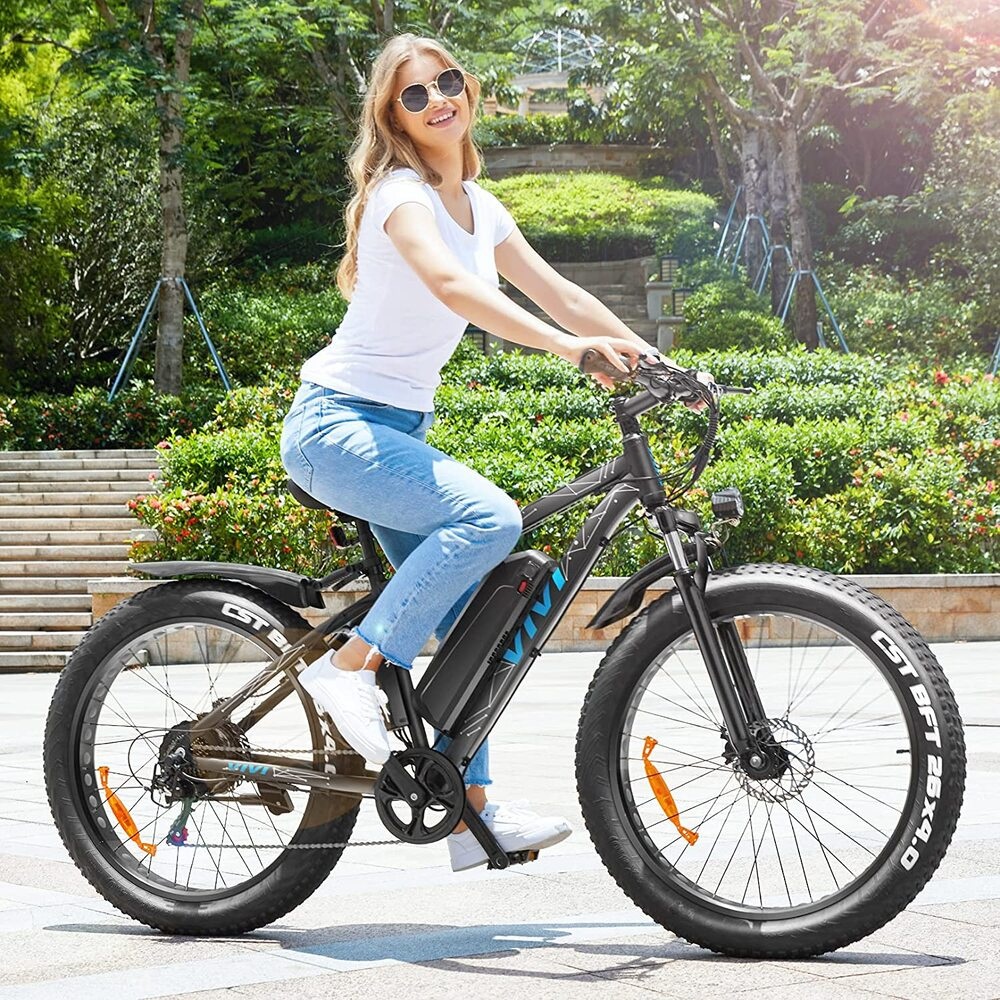
Local rules shape where and how an electric bike may be ridden. The buyer should understand the bike’s category, speed limits, helmet requirements and permitted routes. A model that does not fit local law can become difficult to use even when its specifications look attractive. The rider also needs ordinary cycling skills before relying on motor assistance in traffic.
Commuting Needs Visibility and a Backup Plan
A commuter should prepare for changing light and weather. Suitable front and rear lights, reflective details and brakes in good condition are basic needs. Clothing should not catch in moving parts. A bag should stay secure rather than swing toward a wheel. The rider can practice starts, stops and turns in a quiet area before joining a busy route.
A bike from Vivi Ebike can become part of a mixed commute when the rider knows whether lifts, trains or indoor storage can accommodate its size and weight. Folding does not always mean easy carrying. The folded dimensions and lifting points deserve attention. A mechanical problem or severe weather also needs a backup such as public transport, a ride or a safe place to leave the bike.
Workplace charging should happen only with permission and suitable facilities. Cables should not cross walkways. The charger should match the battery instructions. A commuter who cannot charge safely at work should plan the journey around home charging rather than improvising with unknown equipment.
Errands Add Weight and Balance
Groceries and parcels change the way a bicycle handles. Weight should stay within the limits for the bike and any rack or basket. A load needs even placement and secure fastening so it cannot enter the wheel. Hanging bags from handlebars can affect steering and should be avoided. The rider should test a modest load before carrying anything fragile or heavy.
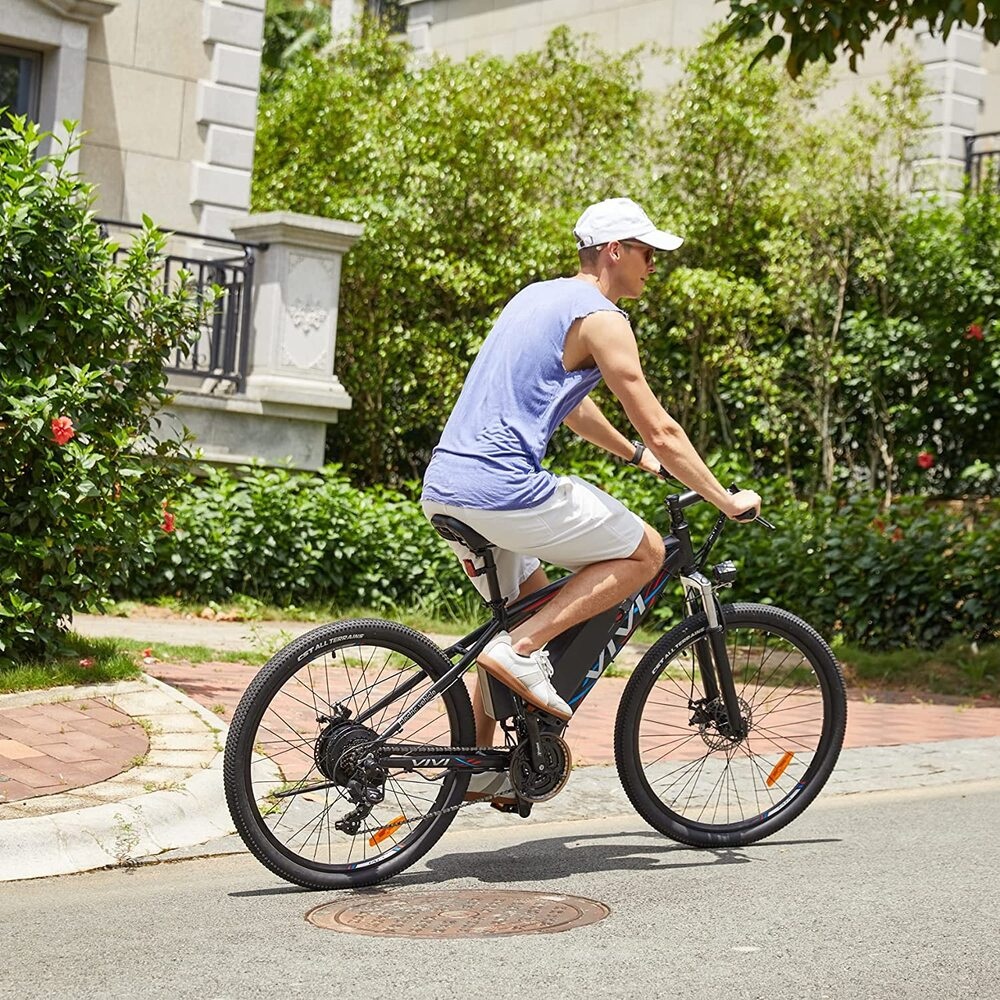
A person reviewing accessories through Vivi Ebike should confirm compatibility with the frame and intended cargo. An accessory that fits visually may interfere with cables, lights or steering. Installation should follow the instructions, with professional help when the rider is unsure. A child seat or trailer requires additional legal, fit and safety checks that go beyond ordinary shopping bags.
Battery Safety Belongs in Every Occasion
- The battery and charger should be confirmed as compatible and free from visible damage.
- Charging should take place on a clear stable surface away from exits and flammable clutter.
- The rider should check official safety notices and service information for the exact model.
- Extreme heat, water exposure and unauthorized repairs should be avoided according to the manual.
- An unusual smell, swelling, smoke or excessive heat should trigger immediate safe action and expert advice.
The checklist should be part of commuting, errand and leisure routines rather than saved for a problem. The owner needs the exact manual and model information because battery guidance can vary. The rider should not open a battery pack or use a damaged charger. Replacement parts should come from an appropriate source and match the required specifications.
Leisure Rides Still Need a Return Plan
A relaxed ride can become difficult when the route continues farther than expected. The rider should know the distance, surface and available exits before relying on assistance. Water, a phone, basic repair items and identification can support the trip. The bicycle should receive a brake, tire and fastener check before departure, especially after storage.
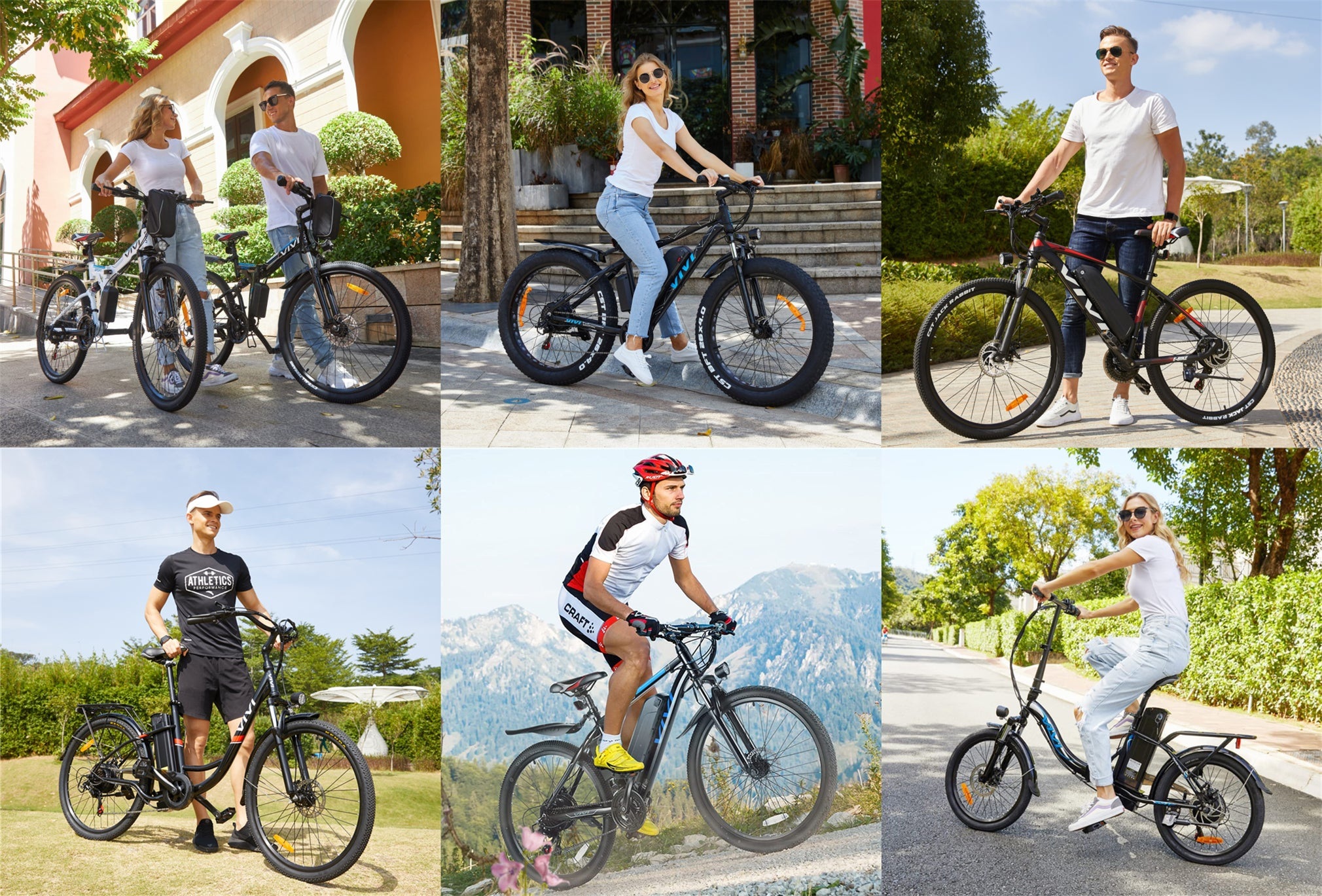
Group rides require communication. Other riders need to know the pace and whether the route suits all bikes. An electric rider should not assume that extra assistance removes the need to wait at turns or respect shared paths. Courtesy keeps the group together and protects walkers, animals and other cyclists.
An electric bike is a practical purchase when it can be stored, charged and ridden within the owner’s real circumstances. Vivi Ebike may provide an option for commuting, carrying small errands or enjoying a leisure route. The buyer should verify the exact model information, inspect official safety guidance and test the bike gradually. Useful mobility grows from preparation rather than from the motor alone.