
A Compact Tool Kit for Move In Day, Road Trips and Small Repairs
A compact tool kit earns its space when it solves ordinary problems without becoming a heavy box of unused pieces. Move in day, a road trip and a loose household fitting each demand different preparation, yet a small thoughtful set can cover all three. The Kit Should Follow the Jobs A useful kit starts with […]
A compact tool kit earns its space when it solves ordinary problems without becoming a heavy box of unused pieces. Move in day, a road trip and a loose household fitting each demand different preparation, yet a small thoughtful set can cover all three.
The Kit Should Follow the Jobs
A useful kit starts with a list of likely tasks rather than a list of impressive tools. A person moving into a home may need to tighten furniture, measure a wall and open secure packaging. A driver may need tyre information, a light and basic equipment suited to the vehicle. A renter may only need tools for small permitted adjustments. The owner should avoid carrying equipment that requires skills, permissions or safety controls that are not available.
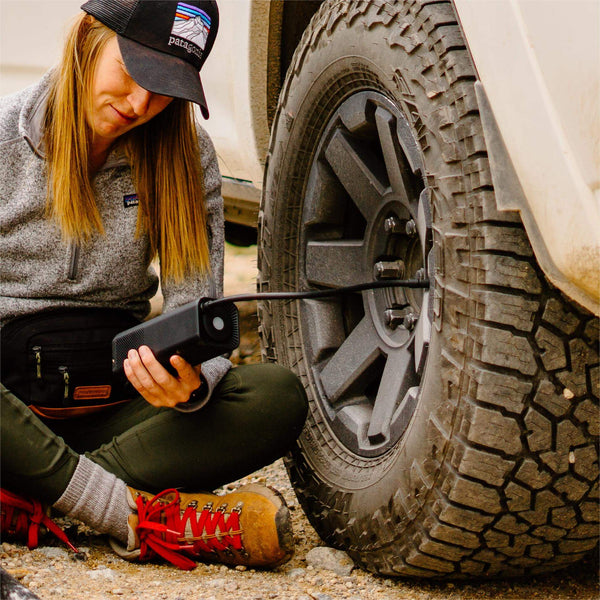
Someone exploring Fanttik can compare compact tools by asking which real job each item would handle. A multi-piece case can look complete while still lacking the correct bit for common furniture or the right measuring range for a planned task. Product placement makes sense when the set fills a known gap. It makes less sense when the buyer already owns the same tools in several drawers.
Quality is not judged by piece count alone. Handles should feel secure, controls should be understandable and the case should keep sharp or small parts contained. A battery-powered tool also needs clear charging and storage instructions. The owner should read the manual before a stressful occasion so the first use does not happen beside a half-built bed or on a dark roadside.
Move In Day Rewards Preparation
Boxes create predictable problems. Furniture hardware can disappear into packing paper, wall measurements may change and a cable may need to reach an outlet that seemed closer during the viewing. A small tray for screws, a tape measure and suitable drivers can prevent repeated trips to a shop. The owner should also keep a pencil, labels and a basic light nearby because many move-in tasks involve organisation rather than force.
A toolkit from Fanttik can be placed in the first-open box with cleaning supplies, chargers and essential documents. That location matters more than an elaborate inventory if the rest of the household is surrounded by cartons. The kit should stay accessible without sitting where children or pets can reach it. Any drilling, mounting or electrical work must follow property rules and safe practice. A professional is the right choice when the task exceeds the owner’s competence.
The most entertaining move-in surprises are usually harmless, such as discovering that a table leg was packed with the kitchen items. The less amusing surprises involve hidden pipes, unstable walls or unknown wiring. A compact tool does not make those risks disappear. The owner should stop when the material or structure is uncertain and seek qualified help instead of turning a small decorating plan into damage.
Roadside Equipment Needs Vehicle Context
A road kit should be based on the vehicle manual and the routes travelled. Some vehicles have no spare tyre, while others include equipment that only fits specific lifting points. A portable inflator, gauge or light may be useful, but the driver should learn the controls in a safe place. Roadside use adds traffic, darkness and weather, so a tool that is simple at home can become difficult under pressure.
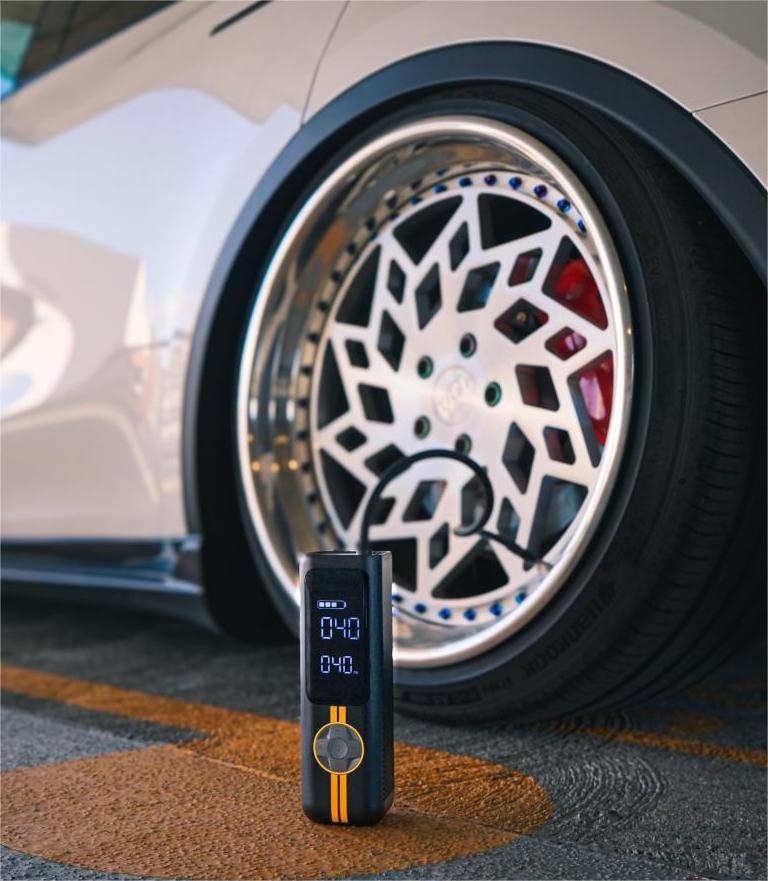
Products through Fanttik can be considered alongside warning equipment, a charged phone and roadside assistance information. The driver should not attempt a repair in an unsafe location or stand where passing traffic creates danger. Battery devices need regular charge checks and should not remain in extreme vehicle temperatures when the instructions advise against it. A compact case should be secured so it cannot move through the cabin during sudden braking.
Small Repairs Still Need Good Judgement
A loose cupboard handle or wobbly chair can often be addressed with the correct tool and a careful hand. The owner should identify the fastener, support the object and tighten gradually. Excess force can strip a screw or crack a fitting. If the problem returns, the cause may be damaged material rather than a need for more tightening. That is the point to replace a part or consult someone with the right experience.
Shared spaces benefit from simple repair etiquette. A housemate should know when water, power or access will be affected. Tools should not remain on stairs or counters where someone can be hurt. The person completing the work should collect every bit and blade before the room returns to normal use. A five minute repair can create a much longer problem when one small piece is left on the floor.
What a Compact Kit Must Cover
- Every tool should match a task the owner understands and is permitted to perform.
- The case should secure small parts so nothing becomes loose during travel or storage.
- Battery tools should have clear charging instructions and a planned inspection routine.
- Vehicle equipment should be compatible with the manual and the intended roadside situation.
- Unsafe, structural or electrical work should be passed to a qualified professional.

A compact kit succeeds when it is easy to find, easy to understand and limited to sensible work. Fanttik may offer equipment that supports a move, a journey or a minor repair, but the buyer should choose around known tasks. The result should be fewer rushed purchases and more calm problem solving when an ordinary inconvenience appears.