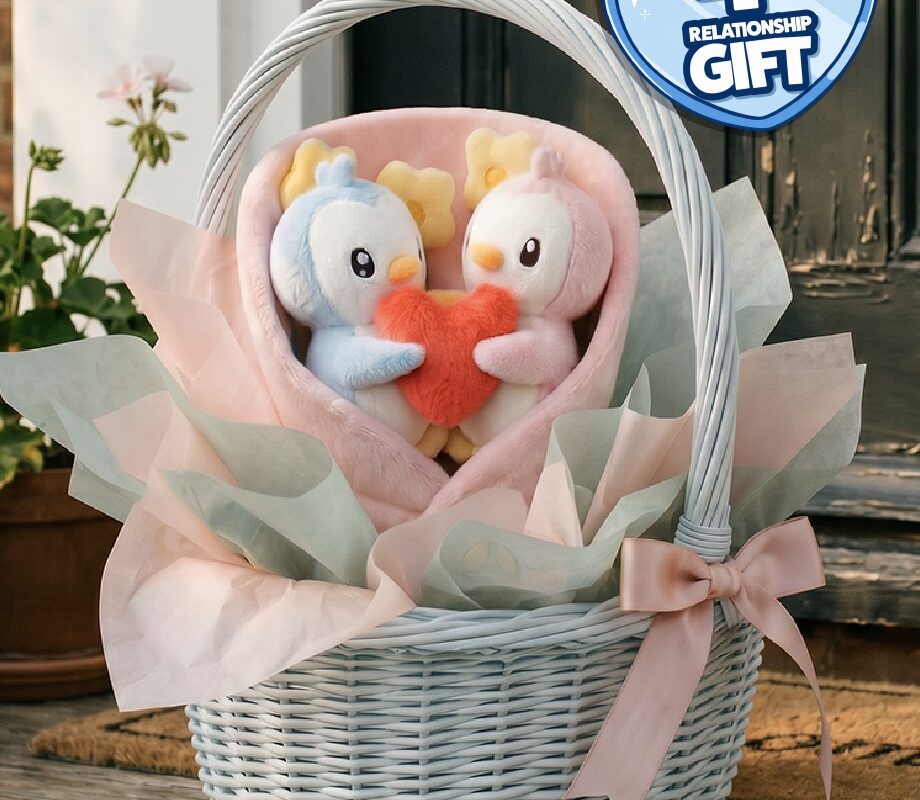
Collecting Character Merchandise Without Letting It Take Over the Room
Character collectibles can bring humour and personality to a home, yet a collection becomes more enjoyable when it has limits. Display, storage and gifting decisions help the owner keep favourite pieces visible without turning every surface into a crowded shelf. A Collection Needs a Reason to Grow Collecting can begin with one plush figure, a […]
Character collectibles can bring humour and personality to a home, yet a collection becomes more enjoyable when it has limits. Display, storage and gifting decisions help the owner keep favourite pieces visible without turning every surface into a crowded shelf.
A Collection Needs a Reason to Grow
Collecting can begin with one plush figure, a small toy or a character that carries a personal memory. Trouble starts when the owner buys every variation because the set feels incomplete. A useful collection has a theme such as favourite expressions, one type of object or pieces connected to meaningful occasions. The theme does not need to impress another collector. It only needs to help the owner decide what belongs and what can be admired without being purchased.
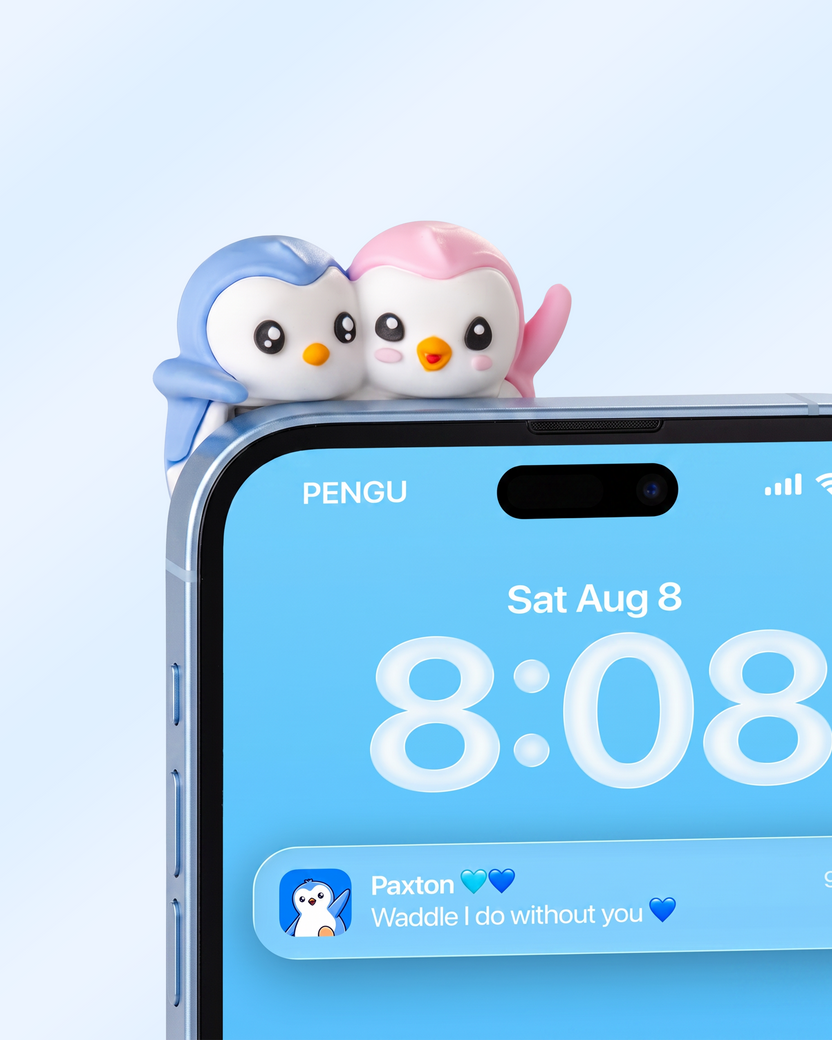
Someone browsing Pudgy Penguins can pause before adding an item and ask where it would live. A clear answer may be a desk corner, a display shelf or a child’s reading area. No answer usually means the purchase will join a box or pile. Product placement feels natural when the object has a role in the room, whether that role is decoration, play or a lighthearted gift.
Budget limits also protect enjoyment. Small purchases can become a substantial total when they happen often. A collector can set a spending range for hobbies and wait before buying a duplicate format. The waiting period is not about removing fun. It gives the owner a chance to notice whether the desire lasts after the first surprise.
Display Works Better With Empty Space
A shelf full of figures can make individual details difficult to see. Leaving space between objects gives each piece a stronger presence and makes dusting easier. The owner can rotate part of the collection instead of displaying everything at once. Rotation also creates a fresh room without requiring another purchase. Seasonal decorations, guests or changes in furniture can provide natural reasons to bring different pieces forward.
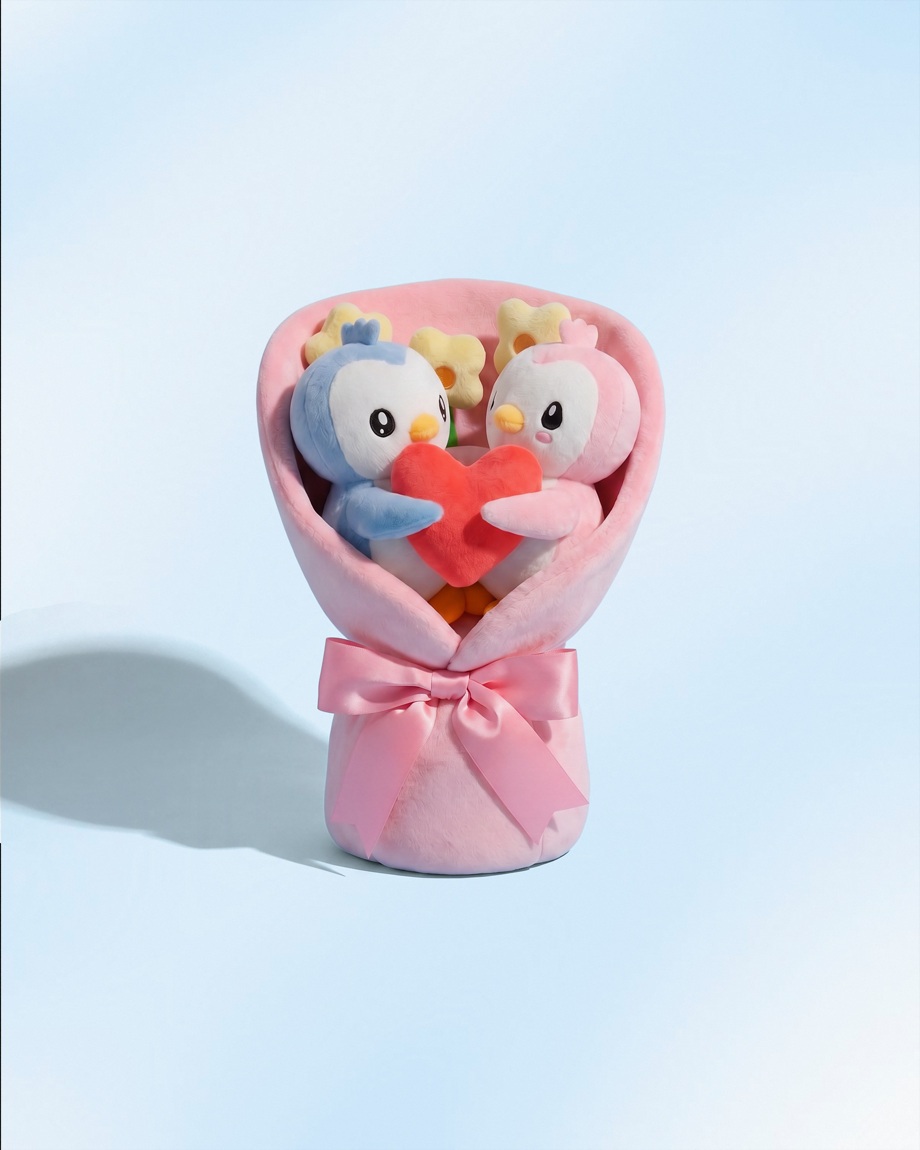
Plush items need protection from damp areas, direct heat and situations where pets may chew or drag them. Small figures may need a stable shelf away from edges. Packaging can require as much space as the item itself, so the owner should decide whether boxes are part of the collection. A buyer choosing Pudgy Penguins merchandise can consider the dimensions of both object and packaging before the delivery arrives.
Shared homes require agreement. A partner, parent or housemate may enjoy the collection without wanting it in every common room. One dedicated zone can preserve the owner’s interest and the household’s visual calm. The boundary may also prevent valuable or delicate items from being handled by visitors who assume they are toys.
Lighting can change the display without adding objects. Soft indirect light may reveal colour and shape, while strong sunlight can fade some materials over time. The owner should follow care guidance and avoid placing valuable pieces near heat or moisture. A small label beneath a favourite item can record why it matters, though the display should not become so formal that it loses its playful character. The collection belongs to the owner, not to an imaginary museum audience.
Questions That Keep the Collection Intentional
- The item should fit the collection theme rather than repeat something already owned.
- A specific display or storage place should exist before the purchase is made.
- The cost should remain inside the owner’s hobby budget.
- Age guidance should be checked before an item is given to a child.
- Packaging should be kept only when it has a clear purpose for the collector.
These questions can be used while looking through Pudgy Penguins for a birthday, a desk gift or an addition to a personal shelf. The checklist does not demand a serious explanation for every playful purchase. It simply makes room, cost and safety part of the fun. A collection stays entertaining when the owner chooses rather than reacts.
Gifts Should Suit the Receiver, Not the Set
A collectible can be a thoughtful gift when the receiver already enjoys the character or likes playful decor. It can feel confusing when the giver assumes everyone wants to begin a collection. The giver should consider the person’s available space, age and interest in display. A small item may suit a work desk, while a plush piece may be more appropriate for a relaxed reading corner. The occasion should shape the format.
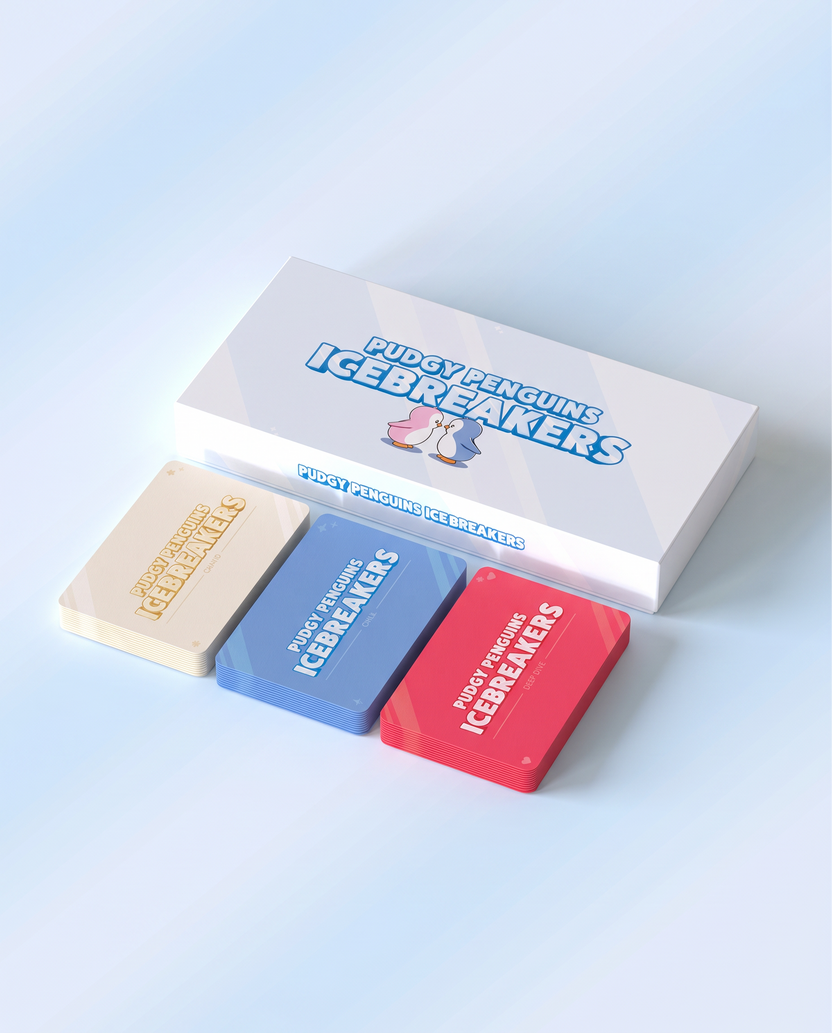
Children’s gifts need attention to age recommendations, small parts and the difference between a display object and a toy intended for active play. Adults may care more about authenticity, condition or packaging. A receipt or simple exchange option can make the gift easier to receive without embarrassment. Generosity works better when it leaves the receiver a choice.
A well managed collection can remain cheerful without becoming a storage problem. Pudgy Penguins may provide an item that fits a defined shelf, a suitable gift occasion or a chosen theme. The owner can measure the space, consider the budget and select one piece that adds something distinct. That approach keeps the character visible and the room usable.