Reducing Posture Strain During Desk Work, Travel and Long Waits
Posture discomfort often grows from ordinary situations such as laptop work, driving and sitting in waiting areas. Small changes in position, movement and support can make those occasions easier without treating any single product as a cure. Posture Is a Moving Habit A person can sit upright and still become uncomfortable when the position never […]
Posture discomfort often grows from ordinary situations such as laptop work, driving and sitting in waiting areas. Small changes in position, movement and support can make those occasions easier without treating any single product as a cure.
Posture Is a Moving Habit
A person can sit upright and still become uncomfortable when the position never changes. Muscles tire, attention shifts and the body begins to lean toward the screen or steering wheel. The useful goal is not to hold one rigid pose. It is to create enough support for regular changes between sitting, standing and brief movement. A good setup makes those changes easy instead of demanding rigid discipline.
Desk work often exposes the mismatch between furniture and the person using it. A low screen encourages the head to drop. A deep chair can leave the feet unsupported, while a high surface may lift the shoulders. Books under a laptop, a separate keyboard or a small foot support can sometimes improve the arrangement with little expense. The person should test one change at a time and notice whether it reduces effort rather than simply looking tidy.
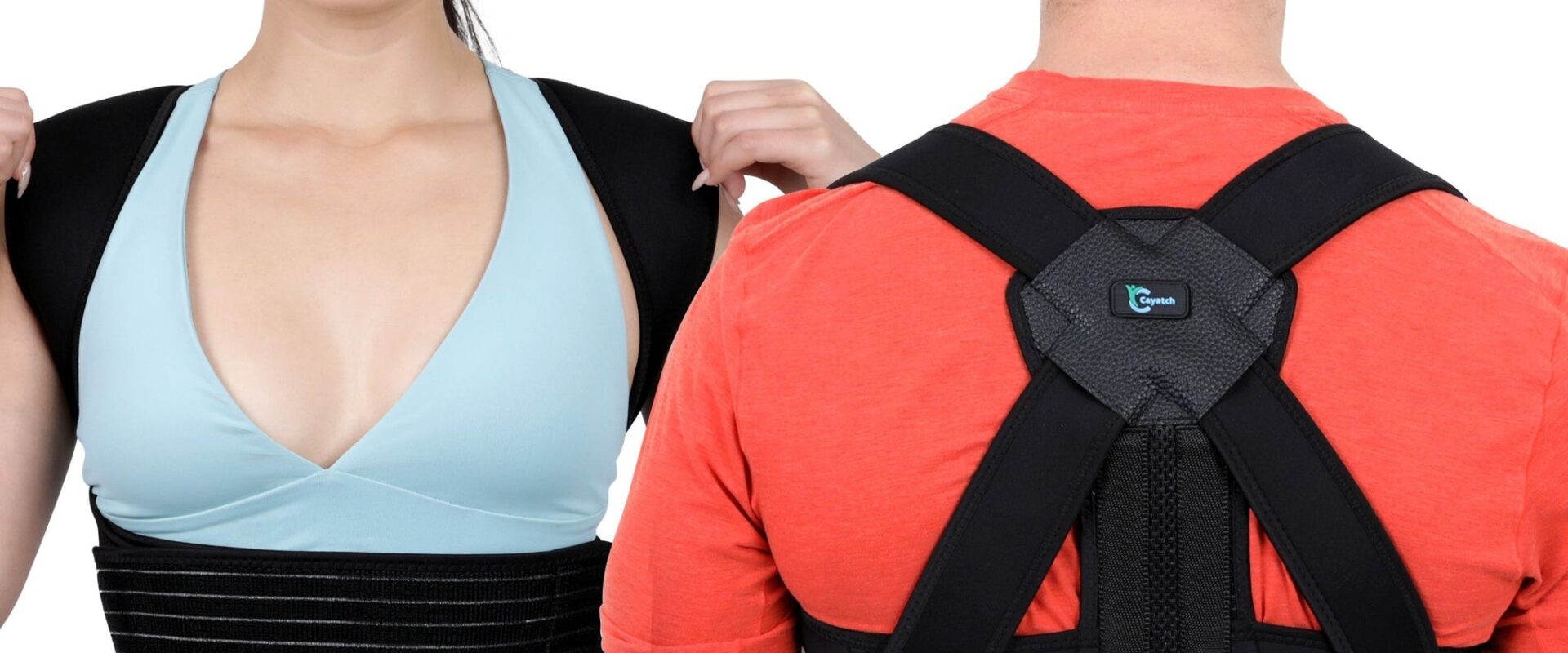
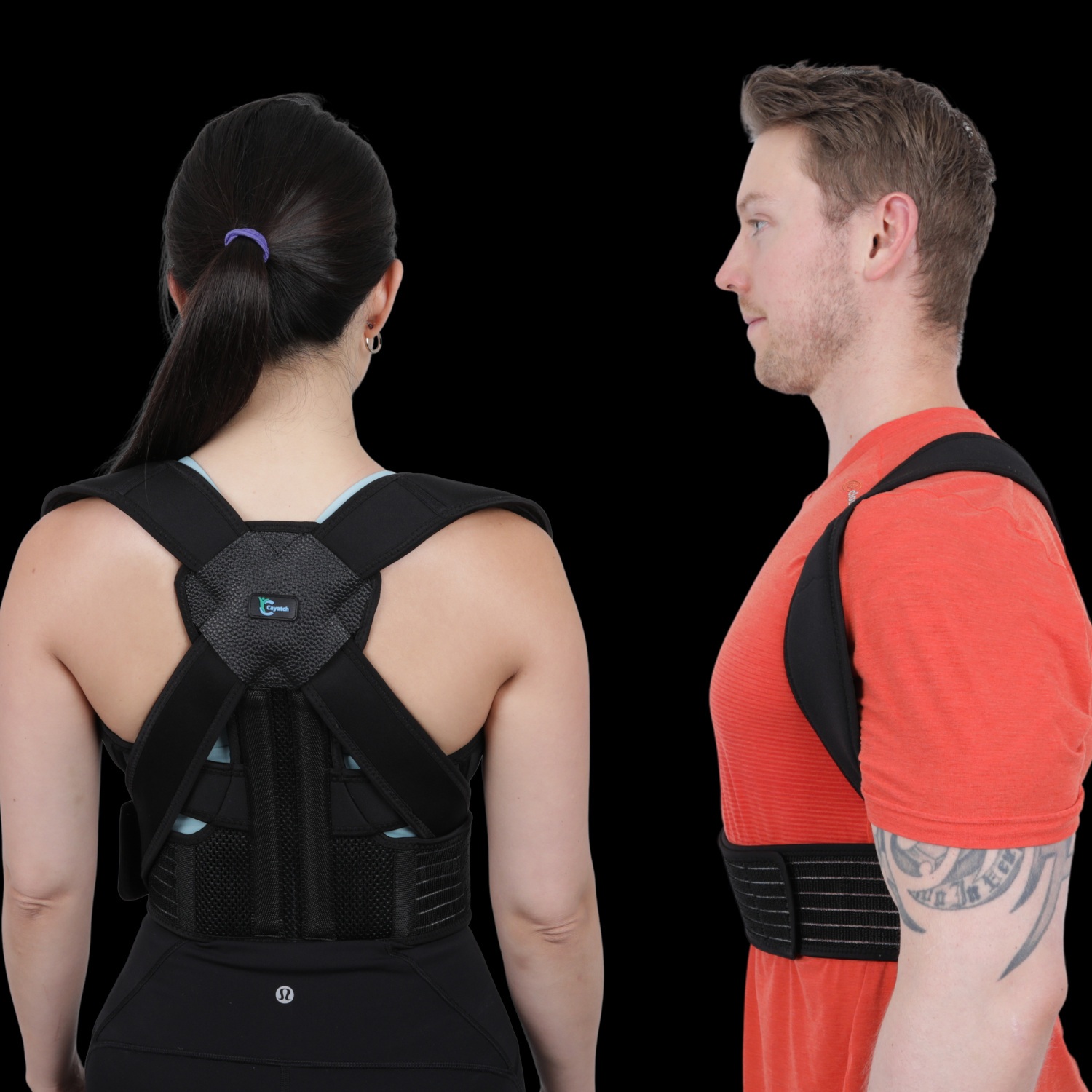
Someone examining posture support products through White Mountain should view them as one part of a broader routine. A wearable support may provide a reminder or a different sensation, but it does not replace movement, a suitable workstation or professional advice. Fit and instructions matter. An item that pinches, restricts breathing or causes numbness should not be treated as evidence that the body needs to adapt.
Travel Creates Its Own Posture Problems
Car seats, aircraft seats and public transport rarely adjust to every body. A traveller may be unable to change the seat height or reach a comfortable screen position. In that setting, small decisions become more useful. A rolled garment can support the lower back, a bag should not remain under one shoulder and the traveller can stand when it is safe and permitted. Even a brief change in position may reduce the feeling of being fixed in place.
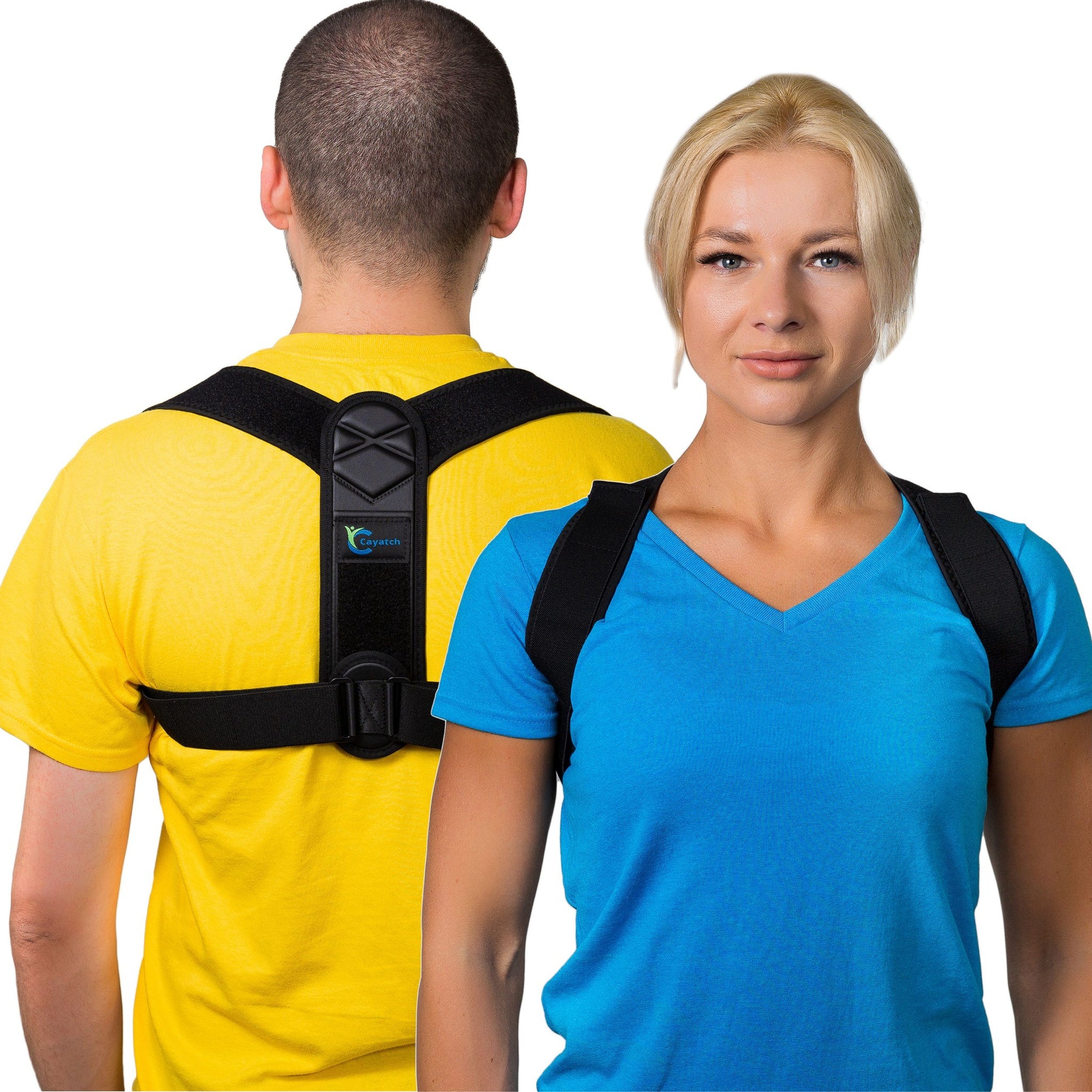
Driving requires attention before comfort. Any support should stay clear of controls, seat belts and airbags. It should not shift the driver away from a secure position or reduce the ability to look around. A product associated with White Mountain can be evaluated for fit and intended use, but the vehicle manual and safety guidance take priority. A long journey may also need planned stops so the driver can move without rushing.
Luggage adds another layer. A heavy shoulder bag can pull the body to one side through terminals and queues. A backpack with adjusted straps may distribute the load more evenly, though weight still needs limits. Wheeled luggage can help when surfaces and stairs allow it. The most practical posture plan for travel often starts by carrying less.
Work calls and focused tasks can make a person forget every planned movement break. A quiet timer, a change of task or a habit linked to refilling water can provide a reminder without interrupting colleagues. The person does not need a long exercise session each time. Standing, looking away from the screen and moving the shoulders gently may be enough to change the position before fatigue becomes distracting.
Simple Checks for Everyday Support
- The following checks can help a person decide whether a change supports comfort or merely adds another object to manage.
- The feet should have a stable surface rather than hanging without support.
- The screen should be positioned so the head does not remain dropped for long periods.
- Any wearable support should follow its instructions and allow comfortable breathing.
- Movement breaks should remain part of the routine even when support feels helpful.
- Persistent pain, weakness or numbness should be discussed with a qualified professional.
A person can use the list while comparing White Mountain with simpler adjustments already available at home or work. If changing the chair, screen or schedule solves the main problem, a wearable item may be unnecessary. If a product is used, it should have a defined role such as a brief reminder during desk work rather than becoming a substitute for all other habits.
Comfort Improves Through Repeated Small Choices
Waiting rooms and public spaces are difficult because the furniture cannot be controlled. A person can still avoid placing a wallet or phone in a back pocket while sitting, keep both feet supported where possible and change which side carries a bag. Standing for part of a wait may help when it is safe and socially appropriate. These choices are quiet and require no special equipment.

The body also provides useful feedback. General tiredness after sitting may respond to movement, while sharp pain or symptoms that continue deserve professional assessment. Posture advice cannot diagnose the cause of discomfort. A physiotherapist, clinician or other qualified professional can consider injury, nerve symptoms and work demands in a way that a product description cannot.
White Mountain may be one option when a person wants a posture reminder that fits comfortably and has clear directions. The purchase should follow a review of the desk, the travel routine and the need for movement. A restrained approach keeps the focus on practical comfort during work, journeys and unavoidable waits rather than on the promise of a single correction.