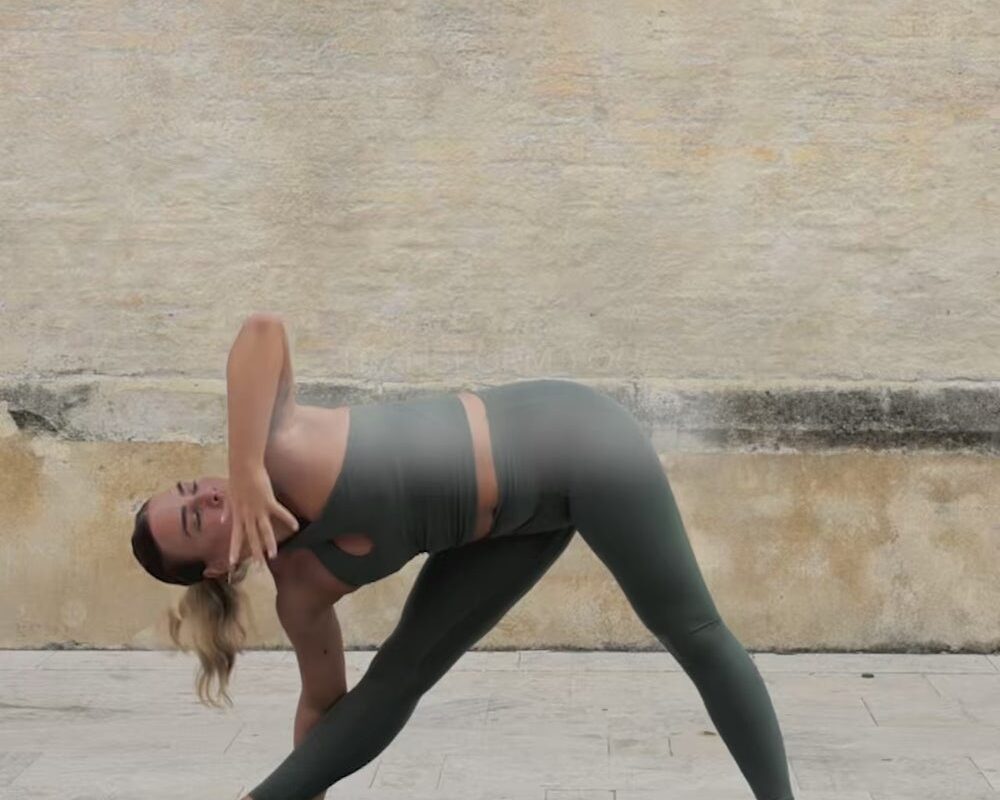
Building One Yoga Routine for Home, Studio and Travel
A yoga routine becomes easier to keep when it can move between a living room, a studio and a hotel floor. The useful goal is not a complicated sequence but a dependable practice supported by sensible equipment and realistic expectations. The Surface Changes the Practice A familiar sequence can feel completely different on carpet, polished […]
A yoga routine becomes easier to keep when it can move between a living room, a studio and a hotel floor. The useful goal is not a complicated sequence but a dependable practice supported by sensible equipment and realistic expectations.
The Surface Changes the Practice
A familiar sequence can feel completely different on carpet, polished wood or a crowded studio floor. Carpet may soften the knees but make standing balances less stable. Hard flooring provides a firm base while demanding more attention to joint comfort. A studio may offer space and instruction, yet the practitioner still needs to understand how the mat behaves when hands become warm or a pose requires a wider stance. The surface should influence the session rather than become an afterthought once movement has begun.
A person comparing mats through Liforme can look beyond colour and consider grip, cushioning, dimensions and cleaning guidance. Those features matter in different ways depending on the setting. A mat used mainly at home may stay rolled out and can be heavier. A mat carried to classes needs to fit a bag without becoming a burden. Travel use may favour a thinner option, though a thin mat can require extra support under knees on a hard floor.
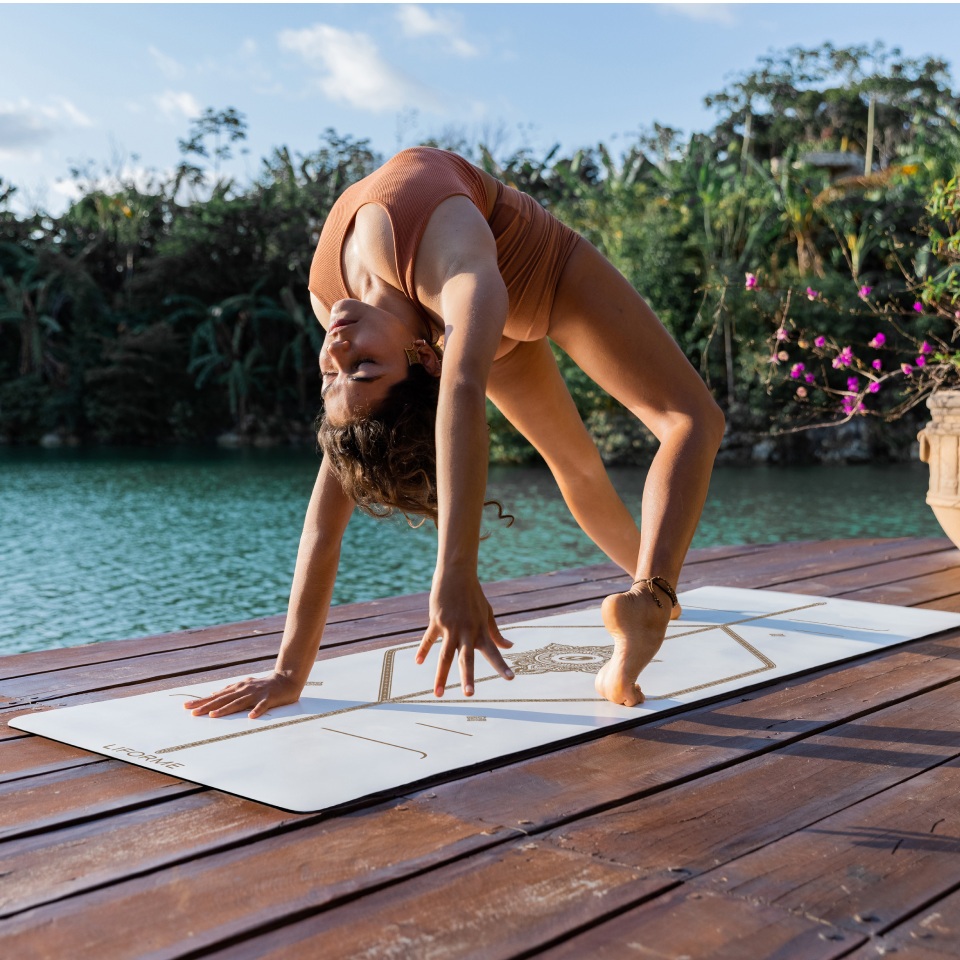
The room also shapes the sequence. A narrow hotel space may support standing stretches, seated work and controlled mobility rather than wide transitions. A busy living room may require the practitioner to move a table or check that pets cannot wander underfoot. Adapting the session is not a lesser form of practice. It shows that the person understands safety and can work with the space that actually exists.
A Short Routine Can Still Have a Clear Purpose
A session does not need dozens of poses to feel complete. It can begin with a quiet check of breathing and comfort, continue through a few movements that prepare the joints and finish with a position that allows the body to settle. The purpose may be mobility after sitting, a gentle transition after travel or focused strength before the rest of the day. A clear purpose keeps the sequence from becoming a random collection of shapes.
Equipment should support that purpose without demanding attention. Alignment marks on some mats may help a practitioner notice hand and foot placement, though they do not replace instruction or individual adjustment. Someone looking at Liforme can decide whether visual guidance would reduce uncertainty or simply add information that the person does not need. The choice depends on experience, body proportions and the style of practice rather than on a belief that one design suits everyone.
Comfort should not be confused with forcing a position to look a certain way. Blocks, straps or folded towels can make a pose more accessible when used with proper guidance. Pain, numbness or sharp discomfort is a reason to stop and reassess. A qualified teacher or health professional can help when movement raises concerns linked to injury, pregnancy or a medical condition. A flexible routine still needs firm boundaries around safety.
What Belongs in a Portable Practice Kit
A portable kit works well when every item has a clear job. Too many accessories can turn a simple class into a packing exercise, while too few may leave the practitioner improvising with unsuitable objects. The following points keep the kit useful across several occasions.
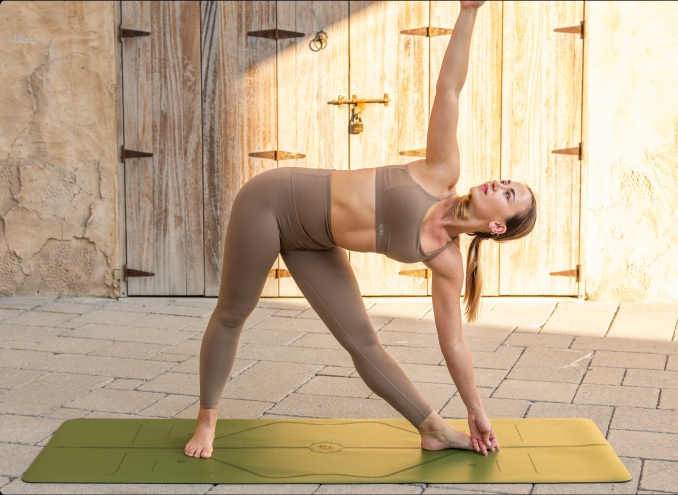
- The mat should suit the available floor and provide enough room for the intended movements.
- A strap or towel should be packed only when it has a familiar purpose in the sequence.
- A small cleaning cloth should remain separate from clothing and personal items.
- The carrying method should feel manageable on stairs and public transport.
- The practitioner should know how each item will dry before it returns to the bag.
A shopper reviewing Liforme can use this list to distinguish a practical purchase from an attractive extra. The kit should make a home session easier, a studio visit smoother or travel practice more realistic. If an item adds bulk without solving a problem, it may be better left out. Simplicity gives the practitioner more attention for movement and less reason to skip a session because preparation feels inconvenient.
Cleaning and Storage Protect the Habit
A mat collects moisture, skin oils and particles from every floor it touches. Cleaning should follow the manufacturer’s directions because strong chemicals, soaking or aggressive scrubbing can damage some materials. The mat should dry fully before rolling, especially after a warm class or outdoor session. Rolling it while damp can create odour and may shorten its useful life. A travel mat also needs a clean surface in the suitcase so it does not transfer dirt to clothing.
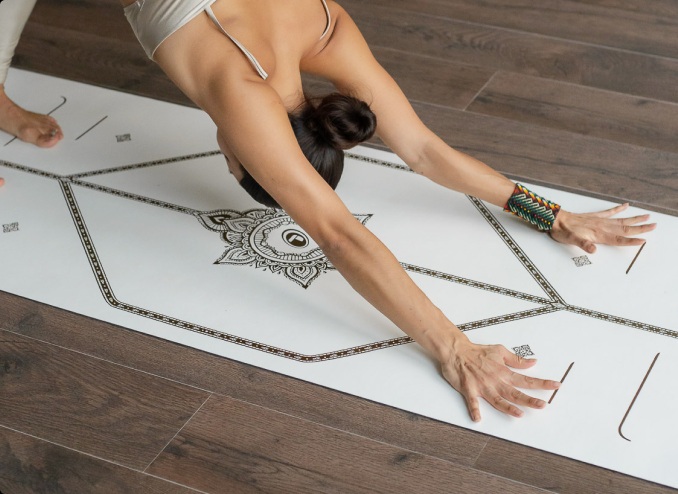
Storage should respect the mat’s shape and material. A cramped corner near a heater, a hot vehicle or a wet bathroom can be unsuitable. At home, a dedicated place makes the routine easier to begin because the mat is not buried behind unrelated items. In a shared space, a simple strap or bag keeps it contained and prevents edges from becoming a tripping risk. The goal is an ordinary system that works without a search before every session.
The final choice can remain modest. Liforme may offer an option that fits the practitioner’s preferred surface, carrying needs and care routine, but the mat still serves the practice rather than defining it. A suitable setup allows the same basic habit to survive a quiet morning at home, a guided class and a night away. That continuity is what makes the equipment useful.