
How to Choose Mindful Gifts That Feel Personal
Learn how thoughtful furniture choices and quality design elements combine to create the cozy, comfortable bedroom you deserve.
A meaningful gift shows that the giver has noticed something real about the recipient. It may support a routine, reflect a personal interest or add comfort to a familiar space. Price and size matter less than relevance. A carefully chosen item from Shamtam can feel personal when it matches the recipient’s habits, taste and values. The strongest choice is rarely the most unusual object available. It is the one that fits naturally into the recipient’s life and communicates attention without requiring a long explanation.
Thoughtful selection begins with observation
Good gift selection starts with what the giver already knows. The recipient may enjoy tea, collect jewellery, use fragrance at home or keep a journal. They may prefer practical objects, decorative pieces or experiences connected to a personal practice. These details provide more useful guidance than broad assumptions based on age, style or personality labels. Observation narrows the options and reduces the risk of choosing something that looks appealing but has little relevance.
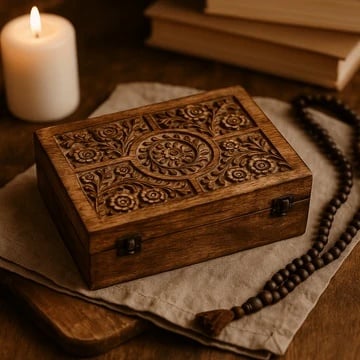 A giver can also consider the recipient’s space. A person living in a compact home may appreciate a small object with a clear purpose. Someone with a carefully arranged interior may prefer an item that matches established colors and materials. A person who shares a home may need products that do not create strong scent, noise or clutter. The gift should respect the setting in which it will be used. That consideration often matters as much as the object itself.
Collections from Shamtam can be explored by category, material or intended feeling, but the giver still needs to make the final connection. A candle may suit someone who enjoys creating a soft atmosphere. A tea cup may suit someone who values a quiet preparation ritual. A decorative box may suit someone who keeps small personal items organized. The category provides options while observation determines which option has meaning.
Taste requires careful attention because attractive does not mean universally suitable. A bold pattern may delight one recipient and overwhelm another. A strong aroma may feel comforting to one person and unpleasant to someone else. Spiritual symbols may carry deep value for a recipient who understands them, but they may feel misplaced when chosen without knowledge. A thoughtful giver avoids guessing about personal beliefs or sensory preferences. When uncertainty remains, a neutral design or broadly useful object is usually the more respectful choice.
Use, meaning and presentation need balance
A gift can be practical without feeling impersonal. The difference often comes from how closely the item matches the recipient. A storage basket chosen for a known collection feels more considered than a generic container. A journal selected for someone who writes regularly reflects an existing habit. A scarf in familiar colours shows attention to personal style. Utility becomes meaningful when it is connected to specific knowledge.
Decorative gifts need a similar balance. An object may be beautiful, but the recipient still needs a place for it. Large statues, bright lamps and strongly patterned textiles can be difficult to place when the giver does not understand the home. Smaller objects often offer more flexibility. A compact candle holder, jewellery piece, crystal form or handmade notebook can add character without asking the recipient to reorganise a room. Options from Shamtam can be considered with that practical limit in mind.
Meaning should also remain proportionate. A gift does not need to carry a grand message to feel sincere. It can simply recognise comfort, curiosity, creativity or rest. A giver may choose an object that supports a practice the recipient already enjoys rather than introducing a new identity. This approach avoids pressure. The recipient can use the gift naturally instead of feeling responsible for understanding a complicated intention behind it.
Presentation completes the choice, though it should not hide the object under excessive packaging. Clean wrapping, a suitable box and a brief note are usually enough. The note can explain the connection in plain language. It may mention a shared conversation, a noticed preference or the practical reason behind the choice. That context helps the recipient understand why the item was selected while allowing the gift itself to remain central.
A simple checklist for meaningful gift choices
A short review can help the giver test whether an item feels genuinely suitable. Products from Shamtam can be assessed with the following questions in mind.
- The item should connect with a known interest, habit or preference.
- The size, scent, colour and material should suit the recipient’s space and comfort.
- The object should be easy to use without extra purchases or complicated preparation.
- The symbolism should match the recipient’s beliefs rather than the giver’s assumptions.
- The presentation should explain the personal connection without overstating it.

This checklist protects the giver from choosing based only on novelty. A surprising item can still be a good gift, but surprise works best when it grows from accurate knowledge. An unusual tea set may suit an enthusiastic tea drinker. A distinctive piece of jewellery may suit someone with a clear taste for expressive accessories. A specialised ritual object may suit someone who already follows that practice. Novelty adds interest after relevance has been established.
The checklist also helps with restraint. A giver may discover that the recipient already owns several similar products or has limited space. In that case, a consumable item, compact accessory or useful replacement may be more appropriate than another decorative object. Thoughtfulness sometimes means choosing less. A single well-matched piece can communicate more care than a large bundle of loosely connected items.
Personal value matters more than novelty
Gift trends can encourage selection based on what appears popular, unusual or visually impressive. Those qualities may attract attention, but they do not guarantee personal value. A recipient is more likely to appreciate an object that feels familiar enough to use and distinctive enough to remember. The balance depends on the person. There is no universal formula that can replace observation.
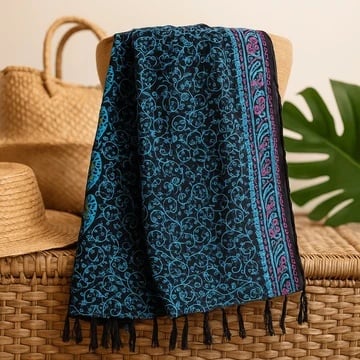
Personal value also grows when the object fits into an existing part of life. A tea accessory can join a familiar preparation routine. A piece of jewellery can complement clothing the recipient already wears. A home fragrance can suit an established preference. A notebook can support writing that already matters to the person. The gift becomes part of something rather than another possession waiting for a purpose.
A broad source such as Shamtam can provide variety while the giver provides judgment. The best result comes from combining choice with restraint. The giver notices, compares and selects only what fits. That process makes the gift feel personal before it is wrapped. When observation, usefulness and respect guide the decision, even a simple object can carry a clear message of care.