Mastering Advanced Pottery Techniques Professional Equipment and Specialized Methods
Once you’ve developed solid wheel-throwing fundamentals and understand the basics of kiln firing, the pottery world opens up in entirely new directions. Advanced potters work with specialized techniques, precise temperature control and often invest in equipment that transforms their practice from hobby to serious artistic pursuit. Whether you’re exploring specialized glazing methods, working with high-fire […]
Once you’ve developed solid wheel-throwing fundamentals and understand the basics of kiln firing, the pottery world opens up in entirely new directions. Advanced potters work with specialized techniques, precise temperature control and often invest in equipment that transforms their practice from hobby to serious artistic pursuit. Whether you’re exploring specialized glazing methods, working with high-fire materials or developing a distinct artistic voice, Kiln Crafts provides the professional-grade equipment that advanced ceramicists depend on.
Beyond Cone 6 Exploring High-Fire Kiln Firing
Many beginning potters work exclusively with cone 6 electric kilns for kiln firing of earthenware, stoneware and some high-fire clays. But advanced potters often push into cone 10 territory, high-fire reduction kilns where dramatic glazes develop, stoneware becomes truly vitrified and porcelain achieves its full potential. A Kiln Crafts high-fire kiln isn’t just a furnace; it’s a tool for serious experimentation. These kilns demand understanding of atmosphere (oxidation versus reduction), cooling curves and kiln-loading strategies that dramatically affect results.
The chemistry of high-fire glazes is entirely different from lower-temperature work. Glazes behave differently, colors shift based on firing atmosphere and understanding kiln furniture, stilts, shelves, post supports, becomes critical. One badly-placed shelf can ruin an entire load of work, while careful kiln geometry maximizes space and ensures even firing across all pieces.
Specialized Wheel Equipment and Hand-Building Tools
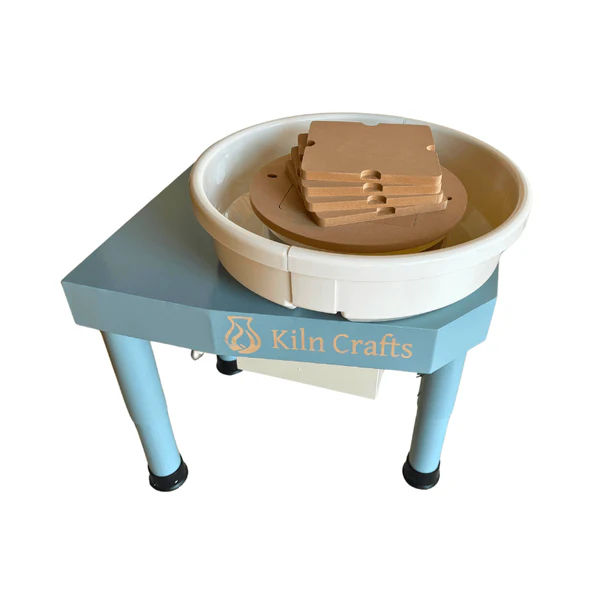
Advanced potters often refine their wheel setup based on thousands of hours of practice. Some prefer heavier wheels with more momentum for larger forms. Others want lighter, more responsive wheels for delicate work. Kiln Crafts understands these nuances and offers equipment for potters at every level of specialization. Trimming tools, specialized calipers and precision measuring devices help advanced potters achieve consistent sizing across production runs.
Hand-building becomes increasingly sophisticated in advanced practice. Slab techniques create architectural forms. Coil work moves beyond decorative application to structural innovation. Sculptural approaches combine wheel-thrown elements with hand-built components. Kiln Crafts stocks specialized tools, ribbon tools, loop tools, cutting wires with handles, that serious hand-builders rely on for detailed work.
Glazing, Testing and Material Sourcing
Advanced potters spend significant time developing glazes. This requires understanding base glazes, testing variations and documenting results. Many advanced potters maintain glaze tests on tiles, comparing dozens of variations before committing to a large batch. Some develop entirely personal glazes through experimentation. Others source specialty materials, volcanic ash, wood ash, unusual feldspars, to create unique surfaces that emerge during the kiln firing process.
The glaze testing process demands dedicated kiln space and careful record-keeping. Advanced potters maintain detailed notes about cone temperatures, kiln position, firing time, cooling speed and glaze composition. Kiln Crafts supplies many of the materials potters need for testing, including clay bodies specifically designed for glaze development and specialty materials for experimentation.
Production Work and Studio Efficiency
Some advanced potters move from fine art toward production work, creating functional pieces for sale or commission. This requires thinking about efficiency, consistency and cost management. A production potter needs tools that accelerate repetitive tasks without sacrificing quality. Bat systems for wheel throwing, standardized trimming techniques and organized material storage become increasingly important.
Studio space optimization is critical for production potters. Workflow matters, clay preparation near the wheels, drying racks positioned for air circulation, glazing area separate from dust-producing activities. Kiln Crafts can advise on studio setups that maximize efficiency while maintaining the creative energy that drew you to pottery initially.
- Invest in high-fire kiln equipment and learn reduction kiln firing techniques for advanced material exploration.
- Refine your wheel and hand-building tools to match your specific artistic approach and specialization.
- Develop a systematic glaze testing program, documenting results to build your personal glaze vocabulary.
- Implement studio workflows that support production work without sacrificing artistic integrity.
- Connect with other advanced potters to share techniques, troubleshooting knowledge and material sourcing tips.
Continuing Education and Professional Networks
Advanced potters often participate in workshops, artist retreats and professional networks. These connections expose you to new techniques, inspire fresh creative directions and provide troubleshooting advice from experienced practitioners. Many serious potters attend national or regional pottery conferences where they can see work by established artists, purchase materials directly from suppliers and take intensive workshops.
Documentation of your work becomes increasingly important as your practice matures. Photographing pieces under good lighting, maintaining archives of successful work and developing an aesthetic statement all contribute to professional growth. Some potters use documentation as the foundation for galleries, teaching positions or artist-in-residency programs.
Investing in Quality and Longevity
Advanced potters often work with the same supplier for years. You need reliability, kilns that fire consistently, tools that don’t break mid-project, materials that perform as expected. Kiln Crafts has built their reputation on exactly this foundation potters return repeatedly because the equipment delivers and the knowledge behind it is genuine.
The investment in advanced equipment pays dividends over time. A high-fire kiln costs more initially but opens new creative possibilities. Premium hand tools last decades when cared for properly. Specialty clays and materials enable experiments that can define your artistic voice. As your pottery practice deepens from a creative outlet toward artistic or professional commitment, the quality of your equipment directly influences what becomes possible.
Mastery in pottery is a never-ending journey. Advanced potters have spent thousands of hours perfecting their craft, yet they continue learning from each firing, each glaze batch, each new form they attempt. The path from beginner to advanced practitioner requires patience, practice and access to equipment that grows with your ambitions. That’s the promise Kiln Crafts delivers to serious ceramicists ready to take their work to the next level.