Quality Pet Food Why Your Dog and Cat Deserve Better Nutrition
Discover why quality pet nutrition matters for your dog and cat's health. Learn what separates premium pet food from budget alternatives and why it's worth the investment.
Pet ownership comes with responsibility extending far beyond companionship and daily care, what your dog and cat eat shapes their health, energy, lifespan and quality of life across years together. Yet pet food aisles overflow with options ranging from budget commodities to premium formulations, with marketing often obscuring actual nutritional value. Understanding pet nutrition means recognizing that dogs and cats have fundamentally different dietary requirements, that ingredient quality directly impacts digestive health and wellness and that premium pet food isn’t luxury, it’s investment in your animal’s wellbeing. Pet parents seeking genuine nutrition rather than marketing promises turn to brands like Barkings Heads & Meowing Heads, which ground their formulations in actual nutritional science rather than filler ingredients and artificial additives.
Understanding Canine Nutritional Requirements
Dogs are facultative carnivores, they can digest plant-based foods but thrive on meat-forward diets. Quality dog food prioritises animal proteins including beef, chicken, fish and game, rather than grain fillers or soy. Fats from fish oil and animal sources provide essential fatty acids supporting coat health, brain function and immune response. Carbohydrates should come from whole grains or vegetables rather than refined flour, offering digestible energy without blood sugar spikes. Minerals like calcium and phosphorus maintain bone density and strength, particularly crucial for growing puppies and aging dogs. Vitamins including A, D and E support immune function, vision and cellular health. Crucially, dog food quality correlates directly with digestive health, premium formulations produce smaller, firmer stools than grain-heavy budget options, indicating superior digestibility. Barkings Heads & Meowing Heads formulates dog foods around these nutritional truths rather than marketing convenience, ensuring each meal genuinely supports your dog’s health rather than simply providing calories.
Feline Dietary Needs Differ Fundamentally
Cats are obligate carnivores requiring substantially more animal protein than dogs, their bodies are designed to metabolise meat proteins, not carbohydrates. Unlike dogs, cats cannot efficiently synthesize taurine, an essential amino acid critical for heart health, vision and reproduction, meaning taurine must come from animal sources. High-quality cat food contains named meat sources, chicken, fish, turkey, beef, rather than vague “meat meal” or “poultry by-products.” Grain-heavy cat foods often contribute to obesity and diabetes, as cats lack digestive enzymes optimised for plant processing. Moisture content matters significantly; cats evolved obtaining hydration from prey and dry-only diets sometimes contribute to urinary issues and chronic dehydration. Wet food or raw options more closely replicate natural feline nutrition than kibble alone. Cats also benefit from specific nutrients including arginine (supporting immune function), vitamin A (critical since cats cannot convert beta-carotene) and arachidonic acid (unlike dogs, cats cannot synthesize this essential fat). Barkings Heads & Meowing Heads formulates cat foods recognising these distinct requirements rather than applying dog-food logic to feline nutrition.
Ingredient Quality and Digestibility
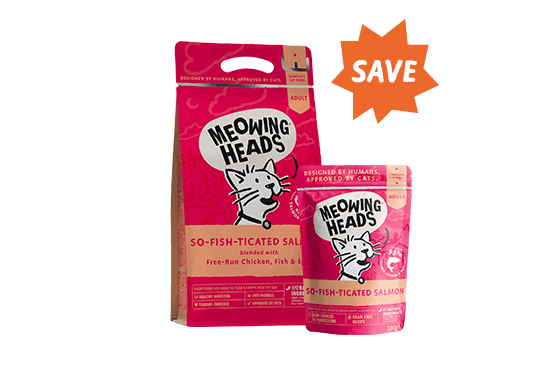
Not all proteins are created equal, meat from identifiable sources (chicken breast, beef muscle, salmon) provides complete amino acid profiles and superior digestibility compared to rendered meat meals or by-products. Named meat sources appear first on ingredient lists of quality foods, indicating they comprise the nutritional foundation. Conversely, corn, corn meal and corn gluten are inexpensive fillers offering minimal nutritional value; dogs and cats absorb far fewer nutrients from plant proteins than meat proteins. Artificial preservatives including BHA, BHT and ethoxyquin accumulate in animal tissues over years, potentially contributing to chronic health issues. Natural preservation using vitamin E and rosemary extract provides safer alternatives without performance compromise. Artificial colours and flavours serve marketing purposes, not nutritional ones, real animal flavour derives from actual meat content, not synthetic additives. Digestibility directly translates to health premium food produces smaller, less frequent stools, indicates efficient nutrient absorption, reduces digestive upset and requires less volume for same nutritional intake. Pet parents feeding quality food often notice improvements within weeks shinier coats, improved energy, better digestion and reduced itching suggesting food sensitivities clearing. Barkings Heads & Meowing Heads publishes full ingredient transparency, allowing informed comparison against budget alternatives.
Key Considerations When Selecting Pet Food
- Named meat sources listed first, indicating they comprise the nutritional foundation rather than fillers dominating the formula.
- Digestibility affecting stool quality, nutrient absorption and whether your pet requires larger volumes to meet nutritional needs.
- Specific formulations addressing life stage, puppy, adult, senior, since nutritional requirements differ across age.
- Individual sensitivities requiring elimination trials or veterinary guidance when digestive upset suggests food reactions.
- Consistency in quality and formula, avoiding brands that frequently reformulate or change ingredient sources unpredictably.
Transitioning to Higher-Quality Nutrition

Switching pet food abruptly often causes digestive upset as your animal’s gut bacteria adjust to new ingredients and digestibility profiles. Responsible transitions span 7-10 days, gradually increasing the proportion of new food while reducing old food. During transition, small stools may briefly increase in volume as digestive systems adapt, this typically stabilises within days as superior digestibility reduces total waste. Some pets experience mild soft stools temporarily; this signals adjustment rather than food incompatibility. Monitoring your pet during transition reveals how well they tolerate the new food increased energy, improved coat quality, smaller stools and reduced itching indicate successful nutritional improvement. Pets accustomed to grain-heavy budget food sometimes resist premium formulations initially due to different taste profiles, patience and consistency typically result in acceptance within days. Puppies and kittens require higher protein and calorie density than adults since they’re building growing bodies; premium growth formulations ensure proper skeletal development and prevent developmental orthopedic disease in large breeds. Barkings Heads & Meowing Heads provides feeding guidelines customised to age and body condition, ensuring your pet receives appropriate quantities regardless of life stage.
Understanding Pricing and Long-Term Value
Premium pet food costs more per pound than budget alternatives, yet delivers superior value across multiple metrics. First, superior digestibility means your pet absorbs more nutrition per meal, often requiring smaller daily portions, a 5-pound bag of premium food sometimes equals 7-8 pounds of budget kibble nutritionally. Second, reduced health issues from superior nutrition prevent costly veterinary visits for chronic conditions skin allergies, digestive disorders, obesity and dental disease often trace to poor nutrition. Third, longer lifespan results from sustained quality nutrition, pets eating premium food often live 2-3 years longer than those on budget diets. Fourth, superior coat quality, energy levels and general wellness enhance your daily experience living with your animal. The mathematics favour premium nutrition paying slightly more monthly for food prevents thousands in veterinary expenses while extending healthy lifespan. Pets fed premium food often require fewer supplements, medications and interventions than those eating budget alternatives. This isn’t marketing, it’s basic nutrition science quality input produces quality output. Your dog’s exuberant energy and your cat’s playfulness benefit directly from nutrition supporting their natural requirements rather than merely filling stomachs with filler calories.
Making the Switch to Premium Pet Nutrition
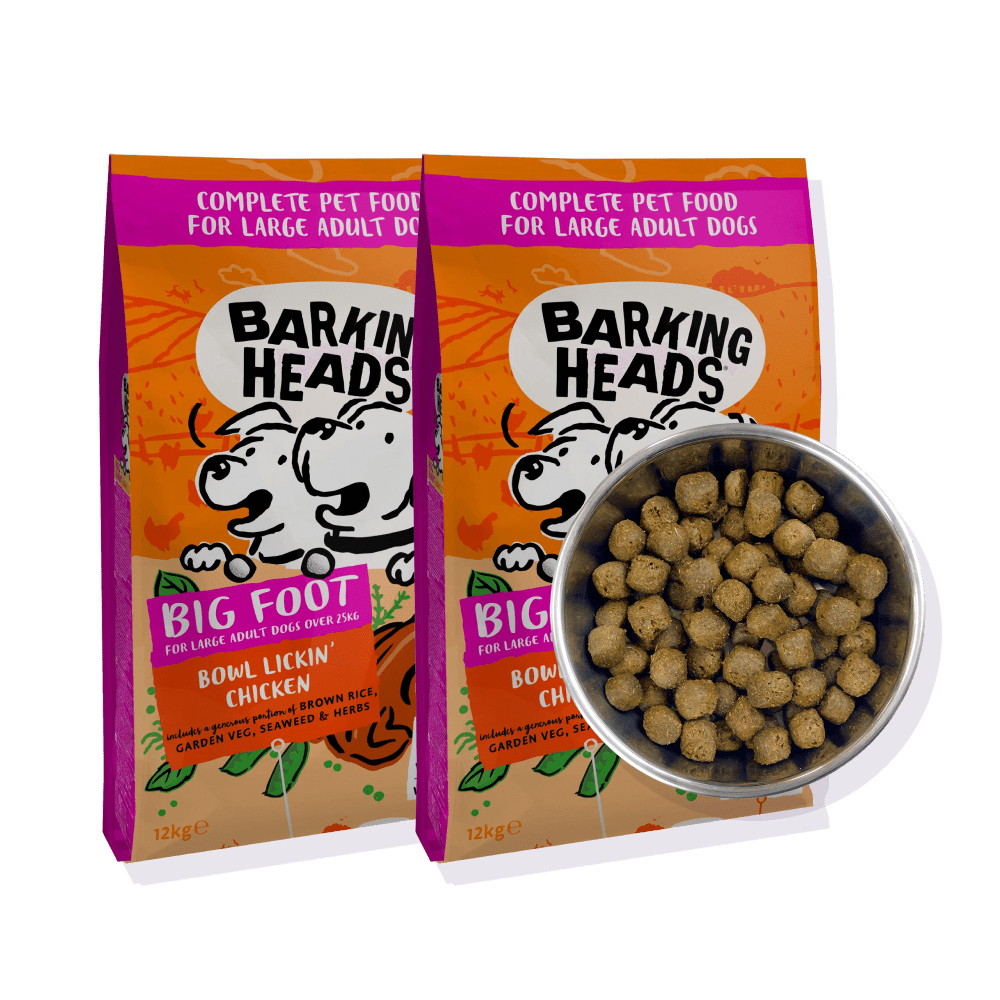
If your current pet food contains corn, corn meal, corn gluten or vague ingredients like “meat meal” and “by-products,” your pets deserve better. The transition to quality nutrition begins with researching brands prioritising transparency, nutritional science and ingredient quality. Read ingredient lists critically can you identify each component or do vague descriptors dominate? Check guaranteed analysis ensuring protein, fat and fibre levels match your pet’s life stage. Consider your pet’s individual needs senior dogs benefit from joint-supporting glucosamine and chondroitin; cats with urinary sensitivities need specific mineral balances; puppies require growth-optimised formulations. Quality pet food is investment, not expense, investment in your animal’s health, longevity and daily wellbeing. Barkings Heads & Meowing Heads represents this commitment to transparency and nutritional integrity.