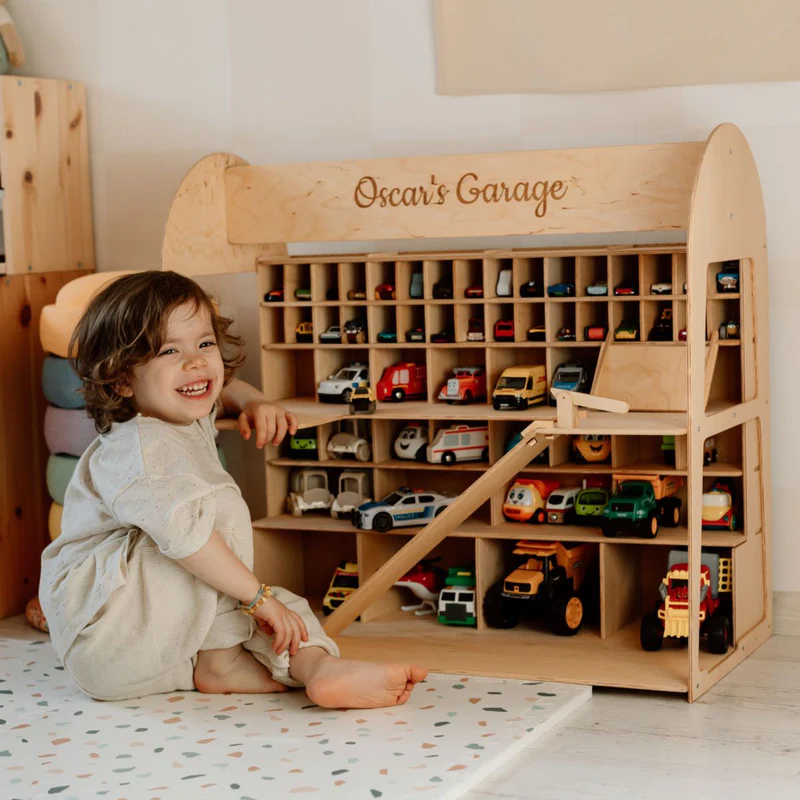
Celebrating Artisan Woodworking Craftsmanship The Soul of Handmade Wooden Decor
Discover the artistry and dedication behind artisan woodworking craftsmanship, and why handmade wooden pieces are worth cherishing and preserving for generations.
In an era of mass production and synthetic shortcuts, artisan woodworking craftsmanship stands as a beacon of authenticity and dedication to excellence. Each piece created by skilled artisans tells a story of patience, precision and passion for their craft. When you choose items from Enjoy the Wood, you’re investing in more than a decorative object, you’re supporting a tradition of artisan craftsmanship that honors the material and respects the expertise required to transform raw wood into functional art.
The difference between mass-produced items and artisan-created pieces is palpable. Craftsmanship involves meticulous attention to detail that machines simply cannot replicate. Every curve, every joint, every finish receives individual consideration from a skilled hands that have spent years, sometimes decades, perfecting their technique. This dedication to excellence creates objects that transcend their utilitarian purpose to become expressions of artistic vision and human skill.
The Training Behind Expert Hands
Artisans who practice woodworking craftsmanship undergo extensive training and apprenticeship to master their skills. Traditional methods passed down through generations combine with contemporary innovations to create pieces that honor history while speaking to modern sensibilities. Enjoy the Wood artisans understand wood at a molecular level, they know which species work best for specific applications, how moisture affects the material and how to achieve finishes that age beautifully. This knowledge transforms artisan woodworking craftsmanship from a simple trade into a sophisticated practice.
The commitment to learning never truly ends for dedicated artisans. Even master craftspeople continually refine their techniques, experiment with new finishes and adapt their methods to create innovative designs. This willingness to evolve while maintaining core principles of quality is what separates true artisan work from mere production.
The Art of Selection and Preparation
Before a single cut is made, artisans must select their materials with profound care. Understanding grain patterns, wood color variation and natural characteristics requires years of experience. Craftsmanship begins with this selection process, as the wrong wood choice can compromise the entire project. Enjoy the Wood craftspeople spend hours examining potential materials, considering how natural variations will enhance the final design rather than detract from it.
Wood preparation extends beyond basic milling. Artisans condition their materials carefully, allowing proper drying periods that prevent warping and splitting. This patience might slow production but ensures longevity and stability. The difference between rushed preparation and careful conditioning becomes evident years after purchase, when well-crafted pieces maintain their integrity while inferior products deteriorate.
Mastering Techniques and Tools

The tools employed in craftsmanship range from centuries-old implements to modern equipment, each serving specific purposes in creating finished pieces. Artisans develop almost intuitive relationships with their tools, understanding through touch and feel when they’re operating correctly. Enjoy the Wood creators invest significantly in both tool maintenance and continuous skill development, recognizing that the quality of their output depends directly on their technical proficiency.
Hand finishing techniques exemplify the intersection of artisan woodworking craftsmanship and artistry. While machines can apply finishes quickly, hand application allows artisans to respond to wood’s individual characteristics, creating surfaces that feel as good as they look. The subtle variations in sheen, color depth and texture that result from hand finishing cannot be replicated by industrial processes.
Quality Indicators in Artisan Work
- Precision joinery Tight, perfectly aligned joints indicate master-level technical skill
- Grain integration How naturally the wood grain flows across assembled pieces reveals careful planning
- Finish quality Smooth, even finishes applied with expert technique feel as satisfying as they appear
- Edge treatment Careful attention to edges and transitions demonstrates meticulous craftsmanship
- Material honesty Artisans highlight rather than hide wood’s natural characteristics and qualities
The Value of Supporting Artisan Traditions
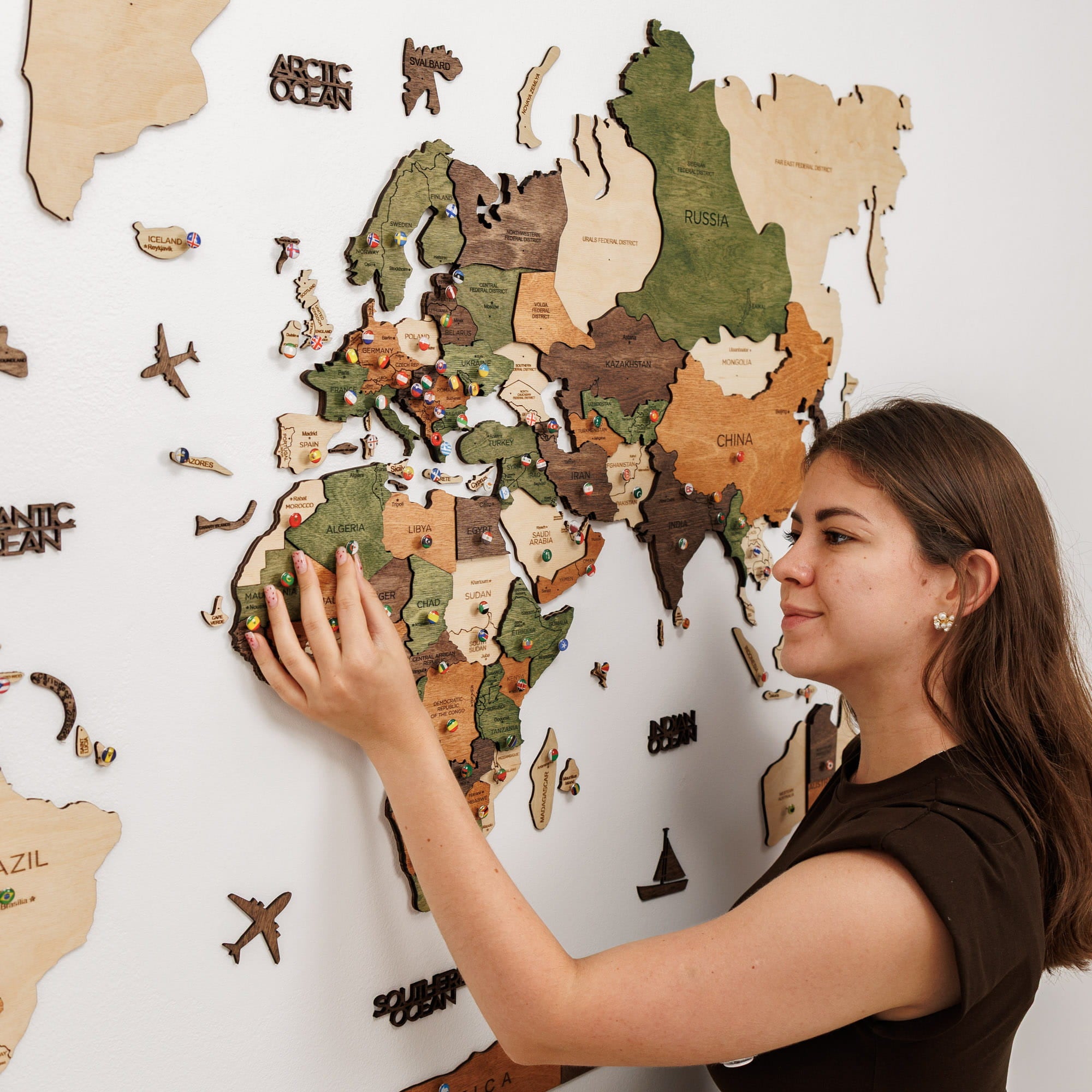
When you purchase items created through craftsmanship, you’re supporting more than individual artisans, you’re preserving cultural traditions and encouraging the apprenticeship system that keeps these skills alive. Enjoy the Wood recognizes that supporting artisans directly benefits communities and ensures that knowledge passes to future generations.
Economic models that value artisan woodworking craftsmanship create incentives for young people to pursue these careers, guaranteeing that exceptional skill and dedication continue into the future. Each purchase becomes an investment in cultural preservation and human skill, with lasting implications that extend far beyond your personal space.
Living with Artisan-Crafted Pieces
Owning objects created through genuine craftsmanship changes how you experience your living space. Rather than viewing decor as temporary or disposable, artisan pieces encourage mindfulness and appreciation. Enjoy the Wood creations become companions in your home, developing character and meaning as years pass.
The emotional connection to artisan-crafted items differs profoundly from mass-produced alternatives. When you know that human hands spent hours creating something specifically for you, you interact with it differently. You notice details you might otherwise miss, appreciate the skill evident in every aspect and experience genuine gratification in supporting a craft you respect.
Artisan woodworking craftsmanship represents an alternative to our disposable culture, offering objects of lasting beauty and meaning.