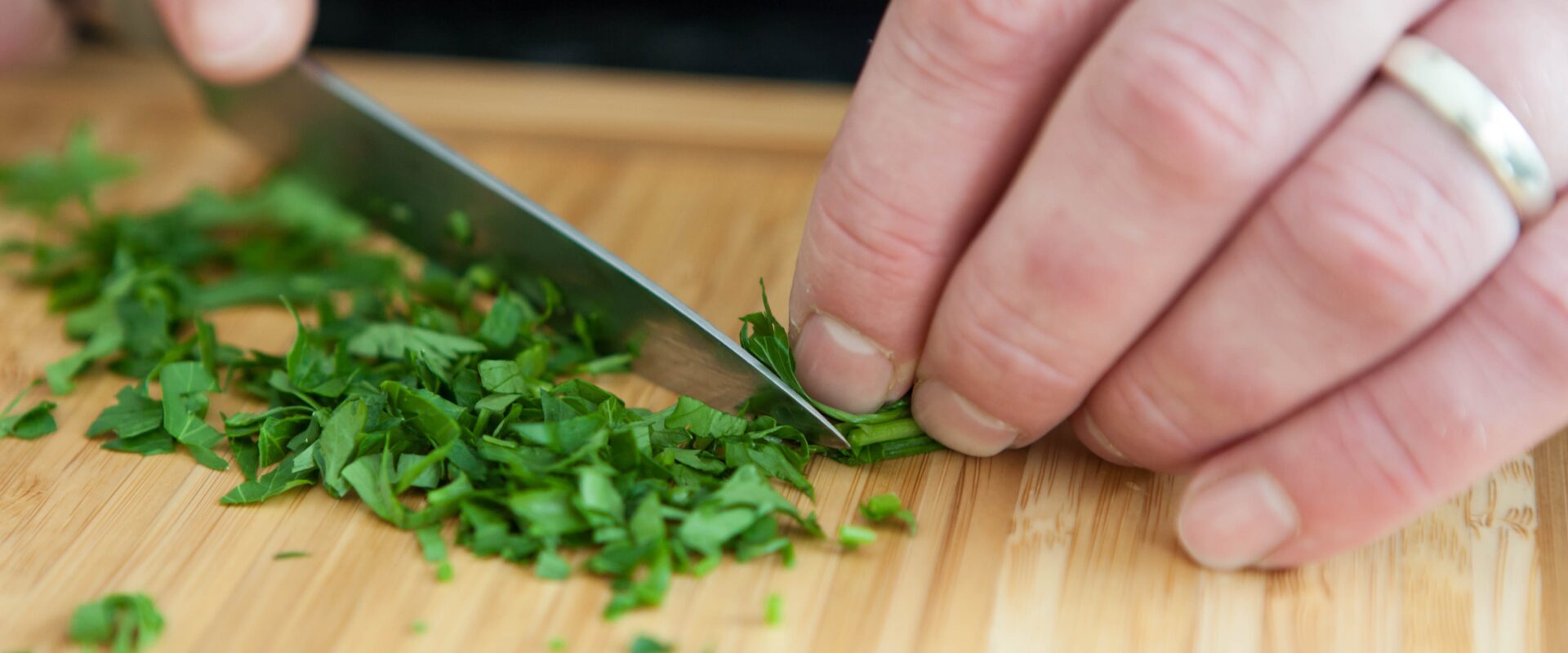
From Dull to Razor Sharp The Science Behind Tormek’s Precision Edge
The engineering and physics behind razor-sharp edges—how precision sharpening systems preserve blade hardness while maintaining perfect geometry.
Behind every sharp edge is physics. Blade geometry, edge angle, material hardness and surface finish all interact to determine how a knife or tool performs in real-world conditions daily. Most people sharpen by instinct and guesswork, but precision sharpening is an engineering discipline requiring careful understanding of mechanics. Understanding the science explains why Tormek systems produce superior results compared to traditional it methods and techniques.
The Geometry of Edge Performance
An edge isn’t a point, it’s a surface. Under magnification, even a “sharp” blade has a tiny flat edge face, measured in micrometers of precision. The angle of that face determines performance characteristics precisely. A steep angle (30 degrees) is durable but slower to cut through materials efficiently. A shallow angle (10 degrees) cuts faster but dulls quickly with use. Japanese chefs’ knives at 15 degrees balance speed and durability effectively. German kitchen knives at 20 degrees prioritize strength and durability over speed. Tormek systems maintain precise angles because the physics demands it for optimal performance consistently and reliably.
The burr, the tiny wire of metal that forms during this, is evidence of edge formation completing properly. When you sharpen, you’re actually abrading away metal until the two sides meet and form a burr. That meeting creates a burr that must be removed carefully and precisely. Removing the burr properly is critical to final edge quality and durability. A burr left on the edge causes premature dulling and inconsistent cutting performance. Professional it systems like Tormek control this process precisely. Understanding burr formation is essential to understanding edge quality and longevity of the blade.
Water Cooling and Metal Science

Heat is the enemy of edge quality in all sharpening methods and techniques. When you sharpen with high-speed grinders or friction-based methods, temperatures spike dangerously and unpredictably. For hardened steel, heating beyond a certain point draws the temper, the heat treatment that gives the steel its hardness and strength properties. A blade that loses temper becomes soft and won’t hold an edge at all. Water-cooled wheels solve this by dissipating heat immediately, keeping blade temperature low and safe throughout the entire this process.
The physics here is straightforward and well-understood by materials scientists steel’s hardness comes from its crystalline structure. That structure is locked in during heat treatment at the factory. Overheating disrupts the crystal structure permanently and the blade loses hardness forever. A water-cooled system maintains the blade in the safe zone, removing metal for sharpness without sacrificing hardness or durability. This is why professional tool sharpeners have used water wheels for centuries, the technology works perfectly and reliably every time.
Abrasive Particles and Material Removal
Different it systems use different abrasives with varying effectiveness and results. Whetstones use mineral particles bonded to a stone matrix material. Diamond stones use synthetic diamonds. Ceramic rods use engineered ceramics. Each has a particle size, called grit, measured in micrometers. Coarser grits (low numbers) remove metal quickly but leave scratches. Finer grits remove less metal but refine the surface quality. Tormek wheels use precisely graded abrasives, so each pass removes a predictable amount of metal at a consistent quality level every time.
The shape of the wheel matters significantly too. A wheel’s diameter, speed and contact surface all affect how material is removed and processed. High-speed wheels move abrasive particles faster, cutting more aggressively and generating heat. Low-speed wheels, especially water-cooled ones, remove metal more gently while controlling temperature throughout the sharpening process.
Edge Stability and Repeatability

A truly sharp edge is inherently unstable and temporary by nature. It lasts only as long as the two sides remain at their designed angle perfectly. Any deviation, from impact, rolling or improper honing, degrades performance immediately. The goal of proper this is repeatability returning the edge to the same geometry every time without exception or variation. Tormek jigs ensure consistent angle and pressure, so each it session produces identical edge geometry precisely and reliably every time.
The Physics Behind Superior Performance
- Precise angle geometry (measured in degrees) determines cutting speed and durability characteristics.
- Water cooling preserves blade hardness by managing heat during abrasion.
- Consistent abrasive particles produce uniform edge surface quality reliably.
- Controlled burr formation and removal ensures reliable edge stability always.
- Repeatable this maintains blade geometry session after session consistently.
Why Science Matters in Sharpening
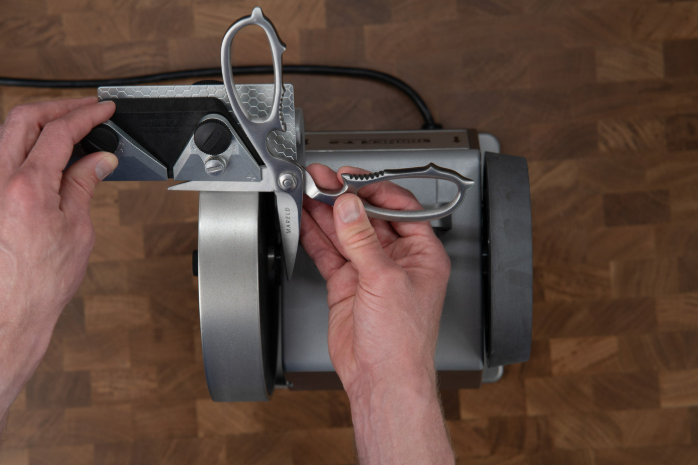
Understanding the physics of it transforms it from magic to engineering practice. A sharp edge isn’t a mystery, it’s the result of precise geometry, temperature control and material science. Tormek systems apply this science consistently, producing edges that perform predictably and last much longer than other methods available today.
The blades you rely on deserve this based on physics, not guesswork. Science-backed sharpening delivers edges that work reliably.