Finding Your Ideal Water Filtration System A Buyer’s Guide
Selecting a water filtration system ranks among the more confusing household decisions. Marketing claims flood consumers with technical jargon, vague promises of purity and increasingly complex product offerings. Under-sink filters, countertop models, whole-house systems, pitcher-based solutions, the options seem endless. Yet the right filtration solution for any household depends on understanding specific needs and matching […]
Selecting a water filtration system ranks among the more confusing household decisions. Marketing claims flood consumers with technical jargon, vague promises of purity and increasingly complex product offerings. Under-sink filters, countertop models, whole-house systems, pitcher-based solutions, the options seem endless. Yet the right filtration solution for any household depends on understanding specific needs and matching them with proven technology. This guide walks through the selection process systematically.
Assessing Your Water Quality Needs
Before purchasing any filtration system, households must understand what problems their water actually presents. Does tap water appear cloudy or discolored? Does it emit unusual odors? Does the taste seem off-putting? These visible and sensory issues point toward sediment and chlorine problems. Some water quality issues remain invisible, bacterial contamination or mineral hardness might not announce themselves through taste or appearance.
The most effective approach involves water testing. Many municipalities provide water quality reports upon request. Private water testing laboratories offer comprehensive analysis for households with well water or concerns about specific contaminants. Understanding your water’s actual composition allows informed selection of filtration technology. Doulton filtration systems address the most common contaminant categories, making them suitable for the majority of households with typical municipal or well water supplies.
Comparing Filtration System Types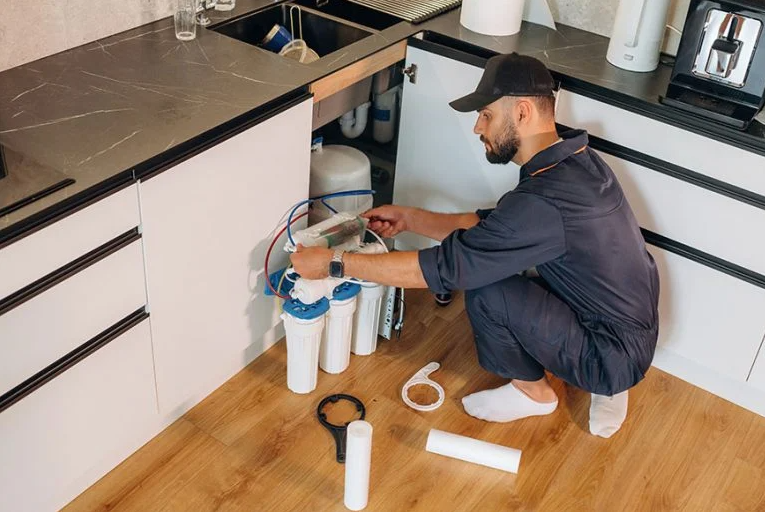
Pitcher-based filters represent the most basic and least expensive option. These portable devices contain activated carbon or similar media that users refill periodically. While affordable and requiring no installation, pitcher filters have significant limitations. They treat small volumes slowly and require frequent replacement. Active users find themselves constantly refilling pitchers and monitoring water availability.
Doulton countertop systems offer a middle ground between pitcher filters and permanent installation. These units sit beside the sink, connecting via a simple diverter to the existing faucet. Countertop models treat larger water volumes more efficiently than pitchers while avoiding permanent modifications to plumbing. They work well for renters or those hesitant about permanent changes to their plumbing infrastructure.
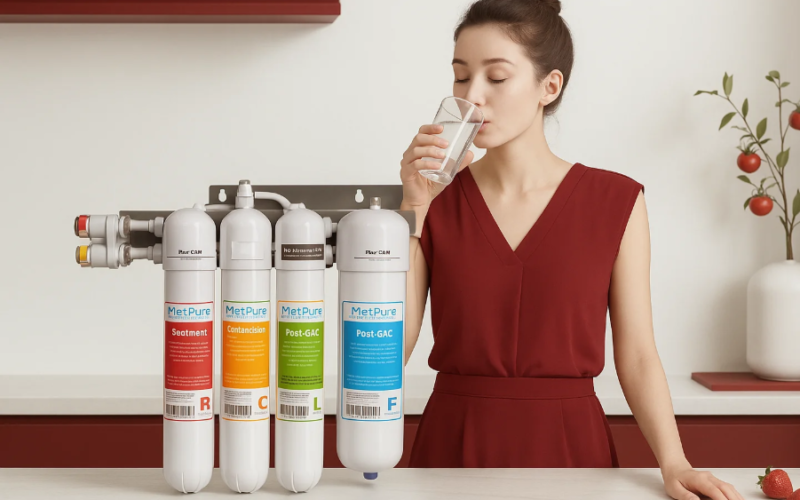
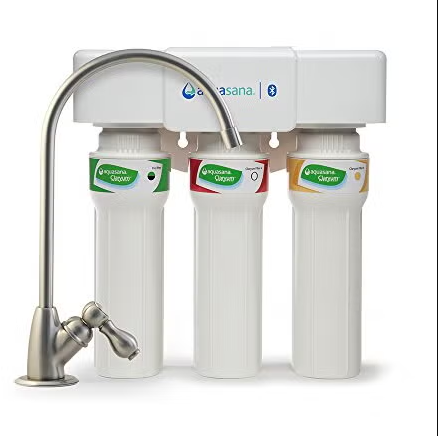
Under-sink filters install directly into plumbing, typically hidden beneath kitchen cabinets. This configuration provides ongoing filtered water directly from a dedicated faucet or the main sink faucet. Under-sink installation offers seamless integration with existing kitchen aesthetics while delivering superior filtration capacity compared to countertop or pitcher options. Many homes benefit from dedicated filtration faucets installed specifically for drinking water.
The Ceramic Advantage in System Selection
When evaluating specific filter technologies, ceramic media stands apart from alternatives like activated carbon or synthetic membranes. Ceramic filtration provides mechanical filtration that physically traps contaminants, whereas carbon-based filters rely on chemical absorption. This distinction matters significantly for reliability and longevity. Doulton ceramic systems leverage this superior technology to deliver consistent results across thousands of liters.
The chemical-free nature of ceramic filtration appeals to health-conscious households. Unlike systems that gradually saturate and lose effectiveness, ceramic media maintains consistent performance until physically clogged. A simple backflush or gentle cleaning restores ceramic filters to near-original performance. This durability translates directly into cost savings and reduced environmental impact over the system’s lifetime.
Ceramic media resists bacterial colonization naturally, without requiring chemical biocides or synthetic treatments. This biological resistance ensures that the filter itself doesn’t become a source of contamination over time, a problem that sometimes affects less robust filter technologies.
Installation Complexity and Maintenance Considerations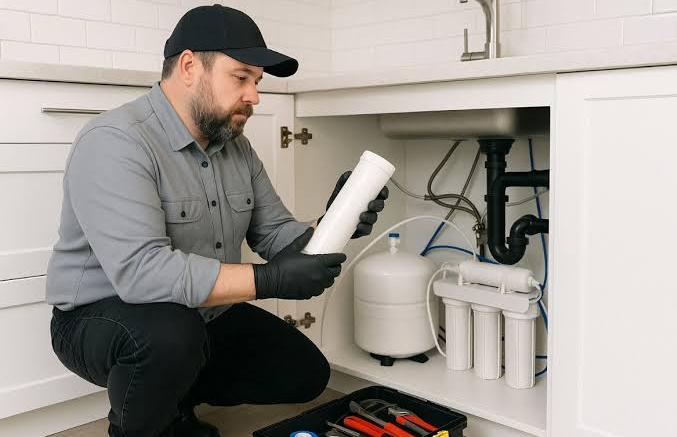
Installation requirements vary dramatically between system types. Pitcher filters demand nothing beyond unpacking and filling with water. Countertop systems require only connecting a simple diverter valve, a ten-minute task within the capability of any homeowner. Under-sink systems might demand basic plumbing knowledge or a quick professional installation call for those less confident with home projects.
Ongoing maintenance proves equally important when selecting systems. Pitcher and basic carbon filters require replacement every one to three months, creating recurring expenses and waste. Doulton ceramic filters provide thousands of liters between replacements, meaning annual maintenance cycles rather than monthly chores. For households seeking simplicity and low-maintenance solutions, ceramic systems clearly prevail.
Regular maintenance extends system life significantly. Simple tasks like backflushing ceramic elements restore flow rates and performance, delaying replacement needs. This hands-on involvement appeals to conscientious homeowners who want to understand their home systems thoroughly.
Budget Alignment and Long-Term Value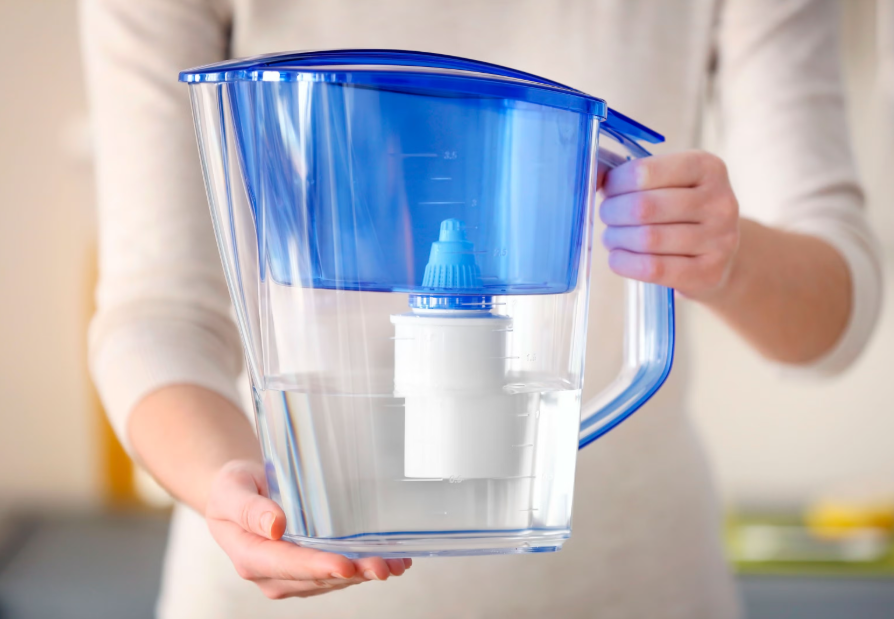
Upfront costs create the most significant initial barrier for many households. Quality filtration systems require investment ranging from modest to substantial depending on system type and technology. However, viewing filtration as a long-term household investment rather than an expense shifts perspective dramatically. A Doulton ceramic system might carry a higher initial price than pitcher filters but delivers dramatically lower total cost of ownership over five or ten years of continuous use.
- Pitcher filters work for temporary needs or small households but require frequent replacements
- Countertop systems offer portability and ease of installation for renters and modest budgets
- Under-sink systems provide seamless integration and superior filtration capacity for permanent installations
- Ceramic media delivers durability and consistent performance compared to carbon-based alternatives
- Total cost of ownership favors high-quality systems with multi-thousand-liter capacity over extended periods
Choosing the right water filtration system requires balancing budget, installation preferences, maintenance tolerance and water quality needs carefully. For most households prioritizing both quality and value, ceramic-based systems represent the optimal choice for long-term satisfaction and reliability.