When Family Answers Matter: Understanding DNA Testing with AlphaBiolabs
There are some family questions you can live with for a while. Then there are others that keep coming back. Uncertainty about paternity, a sibling relationship, or another biological connection can affect far more than a family tree. For some people, it is about personal peace of mind. For others, there may be legal, financial, […]
There are some family questions you can live with for a while. Then there are others that keep coming back.
Uncertainty about paternity, a sibling relationship, or another biological connection can affect far more than a family tree. For some people, it is about personal peace of mind. For others, there may be legal, financial, or practical reasons for establishing a relationship clearly.
This is where DNA testing can be genuinely useful. Rather than relying on resemblance, memories, or conflicting family stories, a laboratory can examine genetic information to help establish biological relationships. AlphaBiolabs provides several forms of DNA testing, so the right starting point depends on the answer you actually need.
Start With the Relationship, Not the Test
It is easy to assume that family DNA testing simply means ordering a paternity test. In reality, families rarely fit into such neat circumstances.
Perhaps an alleged father is available and willing to provide a sample. In that case, paternity testing offers a direct way to investigate the biological relationship between father and child.
But what if he cannot be tested?
Other relatives may still provide useful genetic information. Sibling DNA testing, for example, can help determine whether two people are likely to share one or both biological parents. Grandparent testing can also be considered when trying to establish a connection through a family line.
That range is one reason AlphaBiolabs can be useful for families whose circumstances do not fit the most obvious testing route.

The Sample Collection Is Often the Simple Part
People unfamiliar with DNA tests sometimes imagine a complicated medical procedure. For many relationship tests, sample collection is considerably less dramatic.
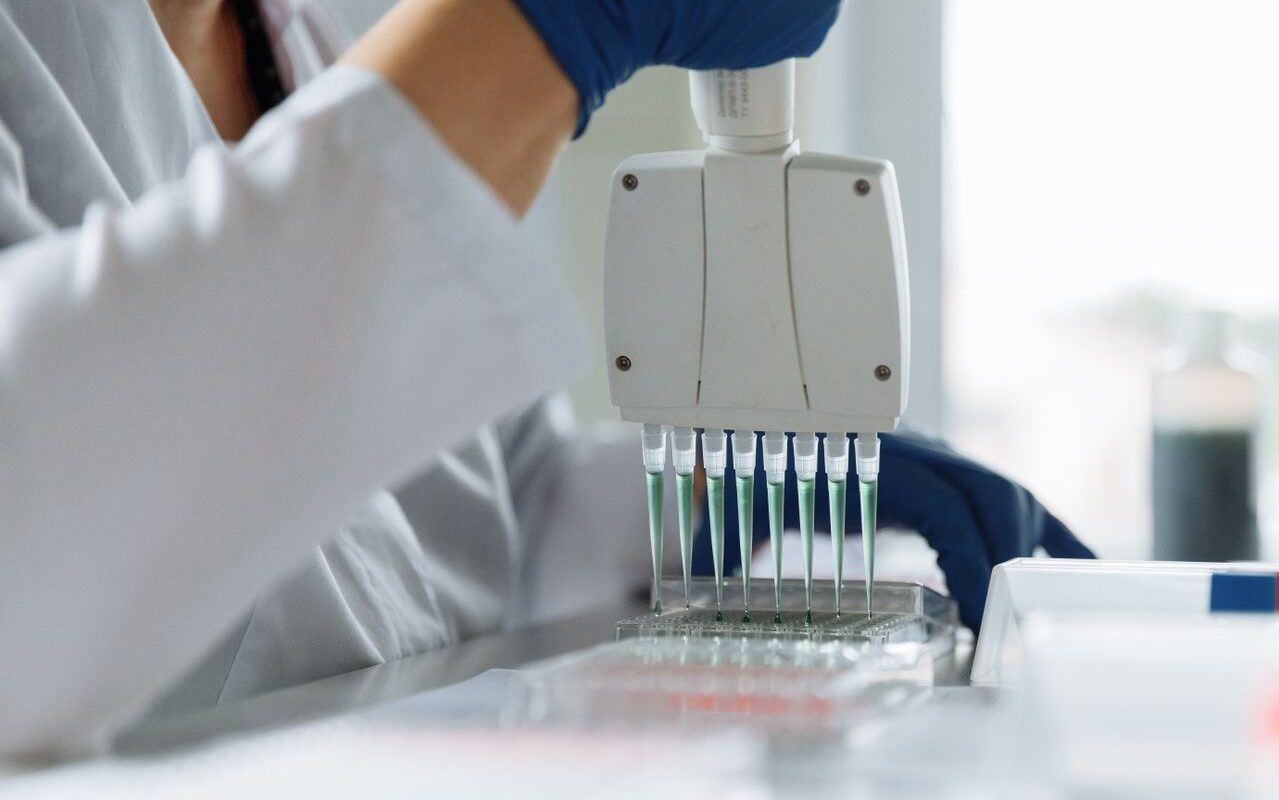
A cheek swab can collect cells from inside the mouth, providing the DNA needed for laboratory analysis. The samples are then examined to compare genetic markers between the people being tested.
The bigger decision is usually not how the sample will be taken, but what type of result is required.
A home DNA test intended for personal information is different from a test that must stand up to official scrutiny. AlphaBiolabs offers both personal and legal testing services, making this distinction particularly important when choosing an option.
When a Private Result Is Not Enough
Imagine taking a private test, getting the answer you needed, and then discovering that the result cannot be used for the legal matter that prompted the testing in the first place.
That is an avoidable problem.
Legal DNA testing follows specific procedures around identification, sample collection, and chain of custody. These safeguards are there to confirm whose samples were collected and how they were handled.
This may be relevant for court proceedings, immigration cases, inheritance matters, or other circumstances where biological relationships need to be formally demonstrated.
If there is even a possibility that the result will be needed officially, it makes sense to establish the requirements before arranging the test.
Answers Can Begin Before Birth Too
Paternity questions do not necessarily have to wait until after a baby is born.
Non-invasive prenatal paternity testing can analyse DNA found in the mother’s blood during pregnancy and compare it with DNA from the alleged father. Unlike invasive prenatal procedures, this approach does not require taking a sample directly from the unborn baby.

For parents considering this route, AlphaBiolabs provides prenatal paternity testing alongside its other relationship testing services.
It can provide an earlier answer, but it is still worth thinking carefully about what that answer might mean for everyone involved.
Before You Open the Result
The scientific side of DNA testing is only half the story.
A result can confirm a biological relationship, but it cannot decide how a family should respond to it. Someone may discover that a long-held belief was correct. Someone else may learn something completely unexpected.
Before testing, it can help to consider a few practical questions:
- Who will know that the test is being taken?
- Is the result for personal knowledge or an official purpose?
- Which relatives are available to provide samples?
- Are you prepared for either possible outcome?
These questions may sound simple, but answering them beforehand can make the process much easier to navigate.
Family relationships are built from years of experiences, not laboratory reports. DNA testing does something more specific: it provides evidence about biological connections.
For people who have reached the point where uncertainty is harder than knowing, AlphaBiolabs offers several ways to seek that clarity. The important thing is to choose the right test, understand what the result can establish, and be ready for the conversation that may follow.