Tiny Land Is Making Screen-Free Play Feel Exciting Again
Getting kids away from screens sounds simple until you actually try it. Turning off the tablet is one thing. Finding something interesting enough that they do not immediately ask for it back is another. That is why screen-free play works better when it does not feel like a rule. Children need something they genuinely want […]
Getting kids away from screens sounds simple until you actually try it. Turning off the tablet is one thing. Finding something interesting enough that they do not immediately ask for it back is another.
That is why screen-free play works better when it does not feel like a rule. Children need something they genuinely want to do, whether that means running a pretend café, building an imaginary home for dolls, climbing, creating stories, or figuring out a new activity on their own.
This is an area where Tiny Land has found an appealing balance. Instead of trying to compete with screens through more sounds, buttons and flashing lights, the brand takes a much simpler approach: give kids something they can actually play with.
Screen-Free Doesn’t Have to Mean Boring
Adults sometimes talk about screen-free activities as though children are being asked to give something up. From a child’s perspective, however, the alternative matters far more than the restriction.
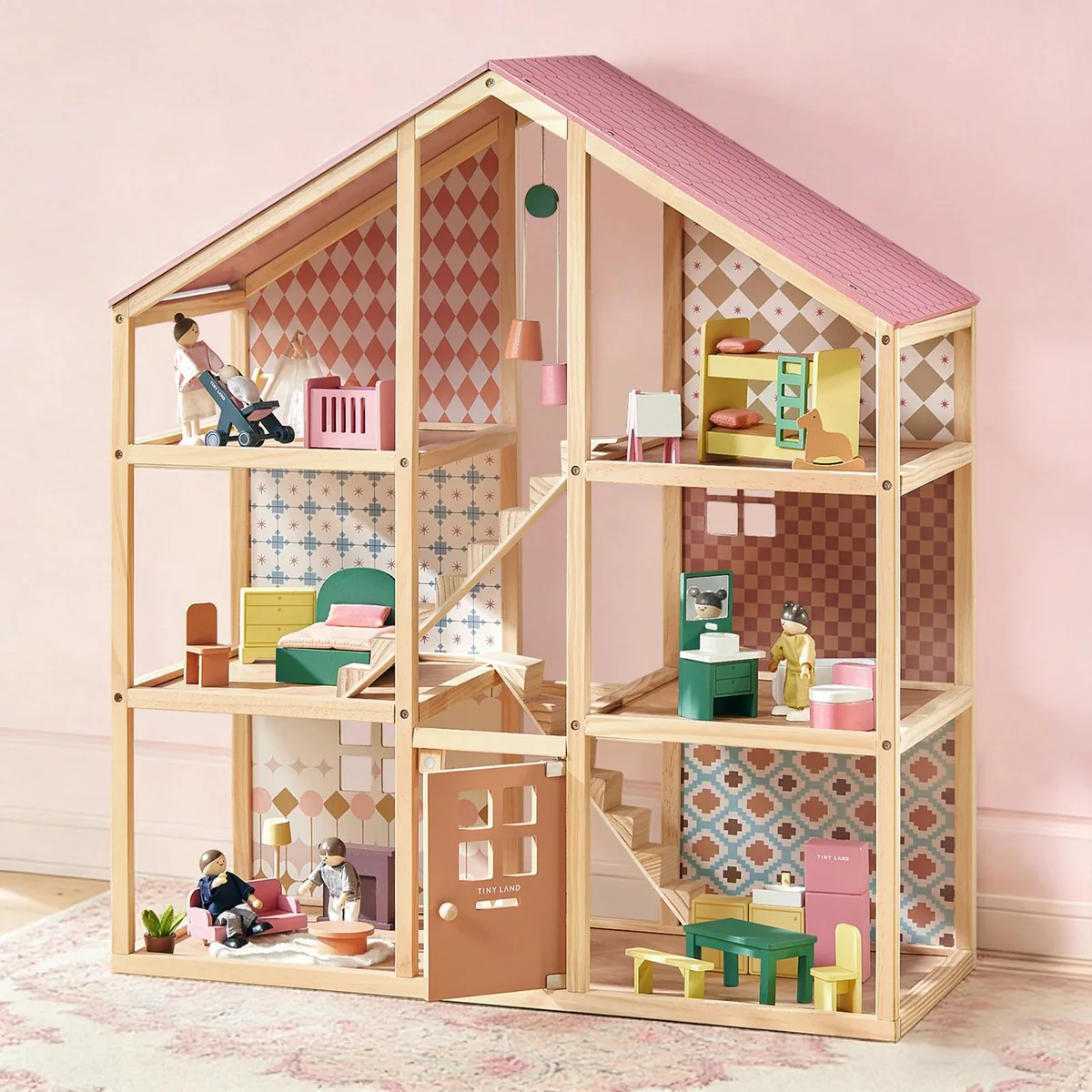
A wooden play kitchen can quickly turn into a pizza shop. A play tent might become a castle in the morning and a secret reading spot after lunch. Wooden dollhouses invite children to rearrange rooms, create characters and make up stories without waiting for a game or video to tell them what happens next.
That kind of imaginative play is found throughout the Tiny Land collection. Many of its toys provide the setting rather than the entire story, leaving the fun part to the child.
And children can come up with some wonderfully strange stories when given the chance.
Less Watching, More Doing
One of the biggest differences between passive entertainment and hands-on play is participation.
With Montessori toys, activity sets and other interactive toys, children have to touch, move, sort, balance or figure something out. They are not simply watching something happen.
For younger children, even small actions can be engaging. Moving pieces into the correct place, pushing a baby walker across the room or working with a simple activity toy can keep little hands busy while supporting fine motor skills and coordination.
Tiny Land carries options for babies, toddlers and older children, which is useful because screen-free entertainment looks very different at each age. A one-year-old does not need the same challenge as a five-year-old, and buying something age-appropriate can make a huge difference in whether it actually gets used.
Sometimes Kids Need to Move
There are afternoons when no puzzle, book or quiet activity is going to compete with a child’s energy.
This is where active play can earn its place in the house.
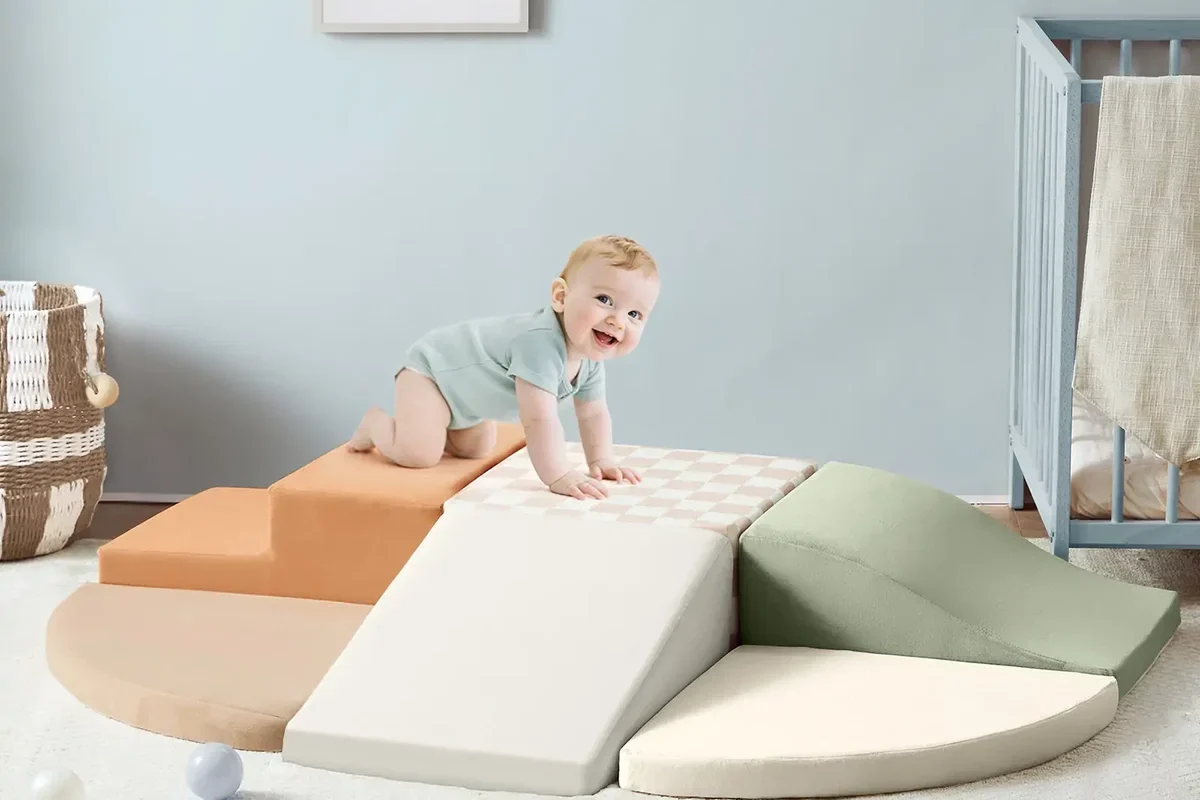
Indoor climbing toys give children an opportunity to move, experiment with balance and build confidence through physical play. They can also become surprisingly imaginative. To an adult, a climbing structure is a climbing structure. To a child, it might be a mountain, spaceship, bridge or pirate ship depending on the day.
The climbing and active-play options from Tiny Land fit nicely with the wider idea of letting children decide how play develops instead of giving them one fixed activity.
A Different Kind of Family Time
Screen-free toys can also make it easier for parents and siblings to join in.
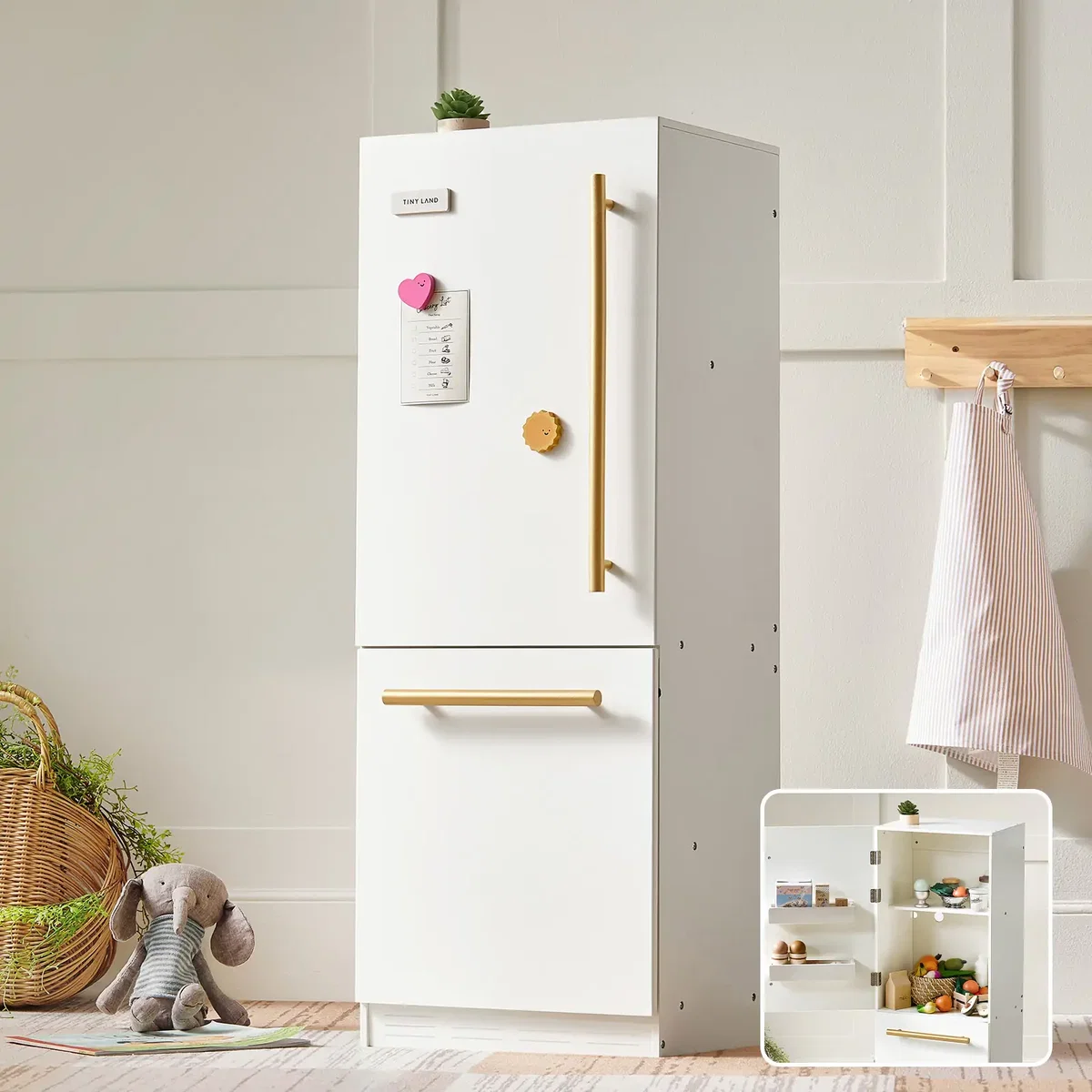
Pretend play is naturally social. Someone needs to order dinner from that wooden kitchen. The dollhouse needs characters. The teepee tent may suddenly have very strict entry requirements invented by a four-year-old.
These little interactions can turn ordinary play into shared family time without making it feel planned.
There is also something refreshing about toys that do not constantly make noise themselves. Many Tiny Land products use simple wooden designs and neutral styling, so the child’s voice and imagination provide most of the entertainment.
Parents may appreciate the quieter house almost as much as the kids enjoy the toys.
When Kids Forget About the Screen
The most successful screen-free activity is probably the one nobody has to call screen-free.
If a child is busy serving imaginary breakfast, arranging a dollhouse, tackling a climbing challenge or disappearing into a play tent, the absence of a screen stops being the point. They are simply having fun.
That is what makes the approach behind Tiny Land feel practical rather than preachy. The aim is not to convince children that screens are bad. It is to remind them that the room around them can be pretty entertaining too, especially when they have something that leaves enough space for their own imagination.