Understanding Plant Diversity From Seed Genetics to Mature Cannabis
Cannabis plants can display noticeable differences in leaf shape, branching, flower structure and overall form even within related genetic families. Those differences make plant photography useful for explaining genetic diversity, provided the images are treated as examples rather than promises. Blimburn Seeds offers many seed lines with different backgrounds, creating a useful context for an informational […]
Cannabis plants can display noticeable differences in leaf shape, branching, flower structure and overall form even within related genetic families. Those differences make plant photography useful for explaining genetic diversity, provided the images are treated as examples rather than promises. Blimburn Seeds offers many seed lines with different backgrounds, creating a useful context for an informational look at how genetics and natural variation shape the way cannabis plants are described.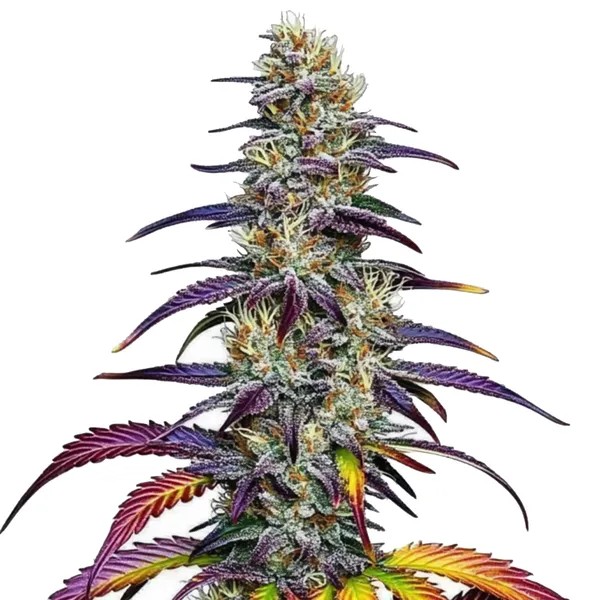
Genetics creates a range of possible traits
A seed carries inherited information that influences the plant it can become, but inheritance does not produce a perfect copy every time. Related plants can share broad characteristics while still differing in visible details. This is familiar across many cultivated plants. Genetic categories help describe expected tendencies, while individual variation explains why photographs from the same family may not look identical. Understanding that distinction is central to reading a seed catalog responsibly.
The genetic listings from Blimburn Seeds can be used to see how breeders organize that diversity into recognizable lines. Names and parent information create a structure for the catalog, while photographs provide examples of mature expression. The reader gains the most useful perspective by combining those sources rather than relying on either one alone. A photograph shows one plant, while a genetic description explains the broader family it represents.
Why photographs should be read as examples
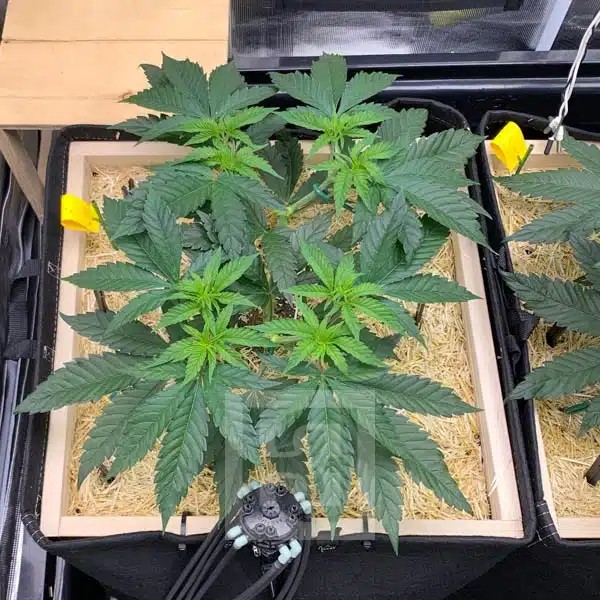
Plant images are powerful because they make differences immediately visible. A photograph can show broad leaves, narrow leaves, dense flowers or more open branching. It cannot show every possible expression of a seed line or predict how a plant would respond in a particular environment. Responsible use of imagery therefore avoids treating a single photograph as proof of a guaranteed appearance, yield or other cultivation outcome.
When adults browse Blimburn Seeds, this visual caution helps keep expectations realistic. Product images can support understanding of plant diversity, while the written genetic notes provide broader context. The catalog still does not establish legal permission. Laws governing seeds, possession and cultivation vary, so the adult reader needs to confirm the rules that apply locally before considering any transaction or activity connected with cannabis.
What plant images can and cannot explain
An adult looking at Blimburn Seeds product imagery can use photographs as educational examples when a few basic limits are kept in mind.
- Leaf shape and plant structure can illustrate broad differences between individual cannabis plants.
- Flower photographs can show examples of mature appearance without guaranteeing the same expression from every seed.
- Genetic labels provide family context that a single photograph cannot communicate on its own.
- Images and catalog descriptions do not determine whether purchase, possession or cultivation is lawful in a specific location.
Keeping biological variation at the center
The most accurate way to understand a seed line is to expect a range rather than a perfect duplicate. Genetics can make some traits more likely, but living organisms remain variable. This principle makes catalog descriptions easier to interpret because words such as typical or expected are understood as probabilities rather than promises. It also gives product photography a more realistic role as illustration rather than prediction.
Botanical terminology can also be simplified by separating inherited traits from environmental expression. A catalog may describe a characteristic as common within a line, but the description still refers to a population tendency rather than an identical result. This distinction is useful for any adult reading about plant genetics because it respects the normal variability of living organisms and keeps commercial descriptions from being interpreted too literally.
Responsible browsing also means separating educational interest from legal permission. A person can learn about plant genetics, breeding history and botanical diversity without assuming that every related activity is lawful in every place. This boundary is especially important with cannabis because rules can differ substantially. An adult reader should treat local law as a separate source of authority and the seed catalog as product information only.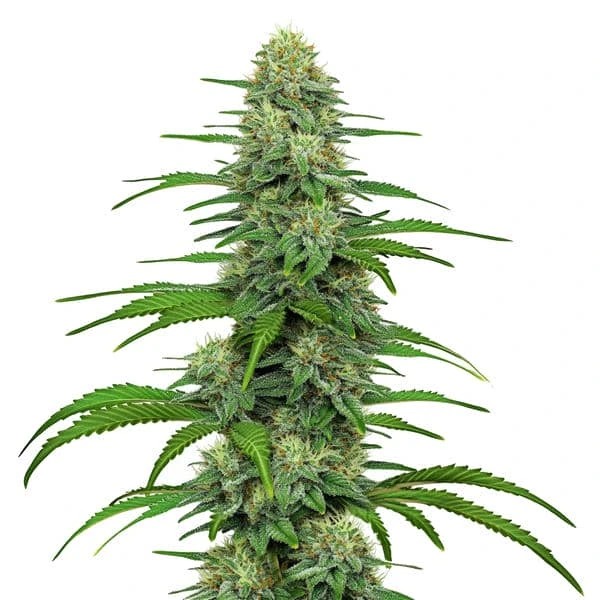
Catalog organization can also help readers compare information without moving into cultivation advice. Filters for lineage, seed category or other descriptive traits can narrow a large selection into smaller groups for study. The useful outcome is a clearer understanding of how breeders classify plant genetics and how commercial descriptions communicate expected tendencies. That educational approach keeps the focus on terminology, variation and consumer literacy rather than on techniques intended to increase production or bypass local restrictions.
It is also useful to distinguish a breeder description from independent botanical knowledge. A commercial page can summarize a variety in readable language, while general plant science explains why inherited traits still show variation. Keeping both perspectives in mind helps an adult reader avoid treating a catalog entry as a scientific certainty. The result is a more careful understanding of genetics without turning informational comparison into a set of growing instructions.
For adults who can lawfully browse and purchase seeds, Blimburn Seeds can be viewed as a catalog of genetic diversity rather than a collection of guaranteed outcomes. Lineage information, descriptive traits and plant imagery each contribute a different kind of context. Keeping those roles separate supports a more informed understanding of cannabis genetics while maintaining clear boundaries around legality and responsible consumer decision making.