Why Genetics Matter When Comparing Cannabis Varieties
Cannabis varieties can differ in structure, aroma descriptions and inherited traits because they come from different genetic backgrounds. A seed name alone rarely explains those differences. Blimburn Seeds organizes many varieties by genetics and lineage, which makes the catalog useful for showing why adult consumers should look beyond branding and understand the breeding information that sits […]
Cannabis varieties can differ in structure, aroma descriptions and inherited traits because they come from different genetic backgrounds. A seed name alone rarely explains those differences. Blimburn Seeds organizes many varieties by genetics and lineage, which makes the catalog useful for showing why adult consumers should look beyond branding and understand the breeding information that sits behind a product description.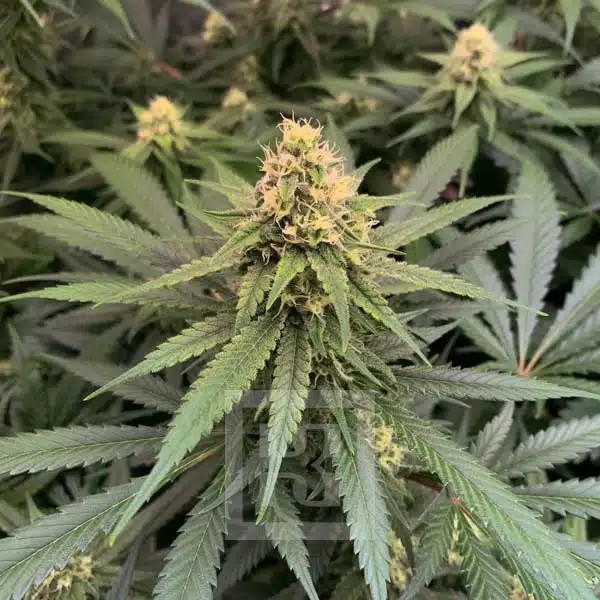
Lineage gives a variety context
Lineage is essentially a record of genetic relationships. It can help explain why two varieties share certain broad characteristics or why a hybrid carries traits associated with more than one parent line. This does not mean the final plant is predetermined in every detail. Genetics establishes potential, while biological variation still exists. Reading lineage as context rather than destiny gives an adult a more accurate way to compare seed descriptions.
The listings from Blimburn Seeds can be approached by identifying parent genetics first and promotional language second. This order makes the comparison more informative because it connects product names to a breeding background. If two varieties share a parent line, that relationship can explain some similarities in how they are described. If the lineage differs sharply, the catalog description may emphasize different plant characteristics or sensory expectations.
Visible plant diversity reflects more than a product name
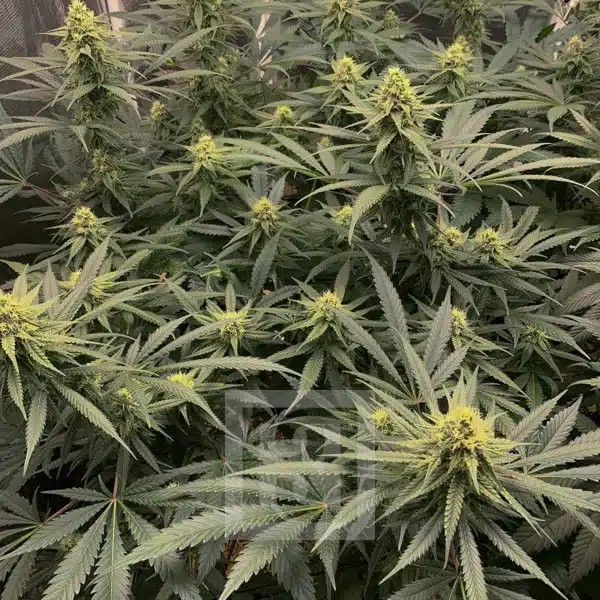
Photographs of mature cannabis plants often show meaningful differences in height, branching, leaf shape and flower structure. Those visuals can help illustrate genetic diversity, but a photograph is still only one representation. It should not be treated as a guarantee of how every seed will express. A responsible article uses plant imagery to explain variation rather than to promise a particular cultivation result or yield.
When an adult compares Blimburn Seeds varieties, images can be paired with lineage notes to build a more complete picture of the category. The photograph shows an example of appearance, while the written description provides genetic context. Neither replaces a legal check. Seed laws and cultivation laws can differ by location, so catalog information should never be interpreted as permission to possess or grow cannabis where local rules do not allow it.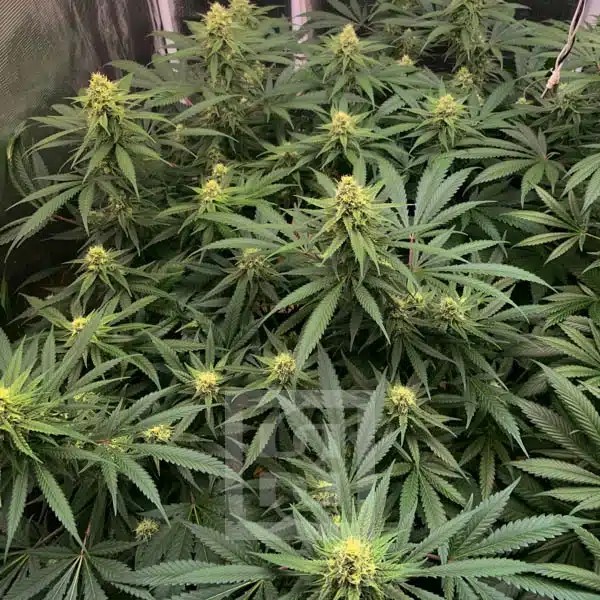
Useful information to compare across genetic listings
An adult reviewing Blimburn Seeds can keep comparisons grounded by looking for the same categories of information on every product page.
- Parent lineage can provide more context than a memorable variety name by showing the breeding background.
- Broad plant characteristics can help explain differences between genetic families without guaranteeing a specific result.
- Product photographs should be treated as examples of expression rather than exact predictions for every seed.
- Local legal requirements should be confirmed independently before any purchase or possession decision is made.
Keeping genetics informative rather than deterministic
Genetics is useful because it narrows expectations, not because it removes uncertainty. Living plants can vary even when they share a lineage, and product descriptions simplify complex biological traits into readable summaries. That makes careful language important. Terms such as expected, typical or commonly associated are more accurate than absolute promises. The same caution applies to sensory descriptions because individual perception can differ as well.
Botanical terminology can also be simplified by separating inherited traits from environmental expression. A catalog may describe a characteristic as common within a line, but the description still refers to a population tendency rather than an identical result. This distinction is useful for any adult reading about plant genetics because it respects the normal variability of living organisms and keeps commercial descriptions from being interpreted too literally.
Responsible browsing also means separating educational interest from legal permission. A person can learn about plant genetics, breeding history and botanical diversity without assuming that every related activity is lawful in every place. This boundary is especially important with cannabis because rules can differ substantially. An adult reader should treat local law as a separate source of authority and the seed catalog as product information only.
Catalog organization can also help readers compare information without moving into cultivation advice. Filters for lineage, seed category or other descriptive traits can narrow a large selection into smaller groups for study. The useful outcome is a clearer understanding of how breeders classify plant genetics and how commercial descriptions communicate expected tendencies. That educational approach keeps the focus on terminology, variation and consumer literacy rather than on techniques intended to increase production or bypass local restrictions.
It is also useful to distinguish a breeder description from independent botanical knowledge. A commercial page can summarize a variety in readable language, while general plant science explains why inherited traits still show variation. Keeping both perspectives in mind helps an adult reader avoid treating a catalog entry as a scientific certainty. The result is a more careful understanding of genetics without turning informational comparison into a set of growing instructions.
Seen through that lens, Blimburn Seeds can serve as a catalog for adults who want to compare cannabis genetics in places where the relevant purchase is lawful. The useful information lies in lineage, category and clearly stated characteristics. The responsible reader keeps those descriptions separate from legal permission and avoids assuming that genetics can predict every detail of a living plant.